 Ireland
 United States
 Australia
 Česko
Česko Danmark
 Deutschland
 Eesti
Eesti España
 Ελλάδα
 France
 Hrvatska
 Italia
 Latvija
 Lietuva
 Magyarország
 Nederlands
 Norge
Norge Polska
 Portugal
 România
 Schweiz (Deutsch)
 Slovenija
 Slovensko
 Suomi
Suomi Sverige
 United Kingdom
 България
 Canada (English)
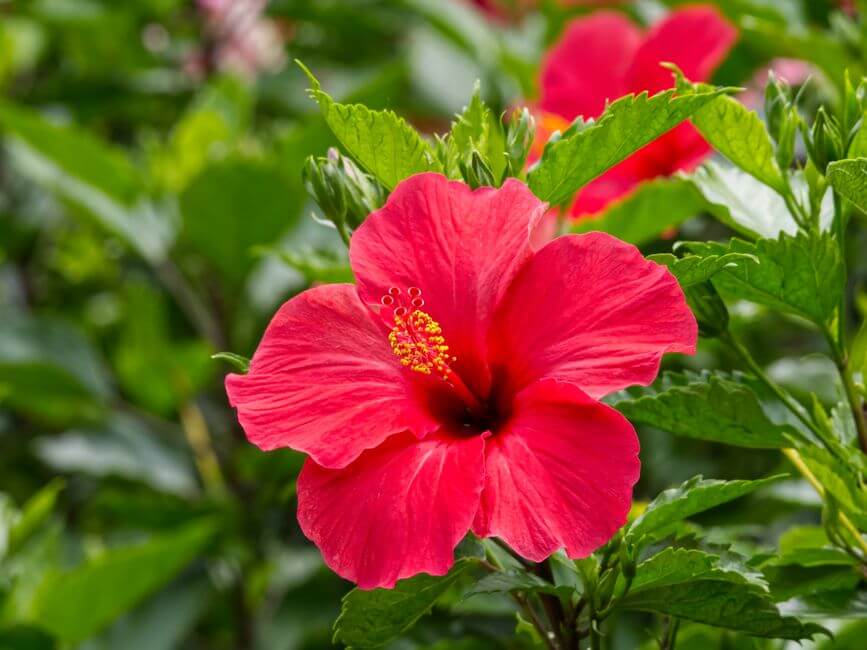
Growing a healthy, vibrant hibiscus that blooms for months on end is not a matter of luck. It comes down to one single factor that most gardeners overlook: choosing the right product to feed and support your plant from the very beginning. Everything else, from the timing of planting to the watering schedule, depends on giving your hibiscus the nutritional foundation it needs to thrive. That is why, before we even get into the step-by-step planting guide, we need to talk about the product that makes all the difference: Hibiscus Fertilizer by Ferber Painting.
Unlike most fertilizers on the market, our Hibiscus Fertilizer comes with a satisfaction guaranteed or your money back policy, something no other competitor in this space currently offers. This means you can try it completely risk free. If you are not satisfied with the results on your hibiscus, you simply get your money back. No complicated conditions, no hidden fees. This guarantee alone should tell you how confident we are in the quality of our formula, and it is one of the many reasons gardeners around the world are switching to Ferber Painting products.
In this complete guide, we will explain why the right fertilizer is the foundation of a healthy hibiscus, compare the key features that matter when choosing a product, and walk you through exactly how and when to plant your hibiscus for the best possible results. We will also cover ongoing care, common mistakes to avoid, and answer the questions we hear most often from hibiscus growers, whether they are complete beginners or experienced gardeners looking to improve their results. By the end of this guide, you should feel confident enough to plant, feed, and maintain a hibiscus that produces flowers season after season, without the guesswork that leads so many people to give up on this stunning plant.
Why the Right Fertilizer Makes All the Difference
Hibiscus plants are known for their large, showy flowers and their relatively fast growth, but this beauty comes at a cost: hibiscus are heavy feeders. They require a steady, balanced supply of nutrients, particularly potassium, magnesium, and micronutrients like iron, to produce abundant blooms and maintain deep green foliage. Without the right fertilizer, even a hibiscus planted at the perfect time, in the perfect location, will struggle to reach its full potential.
Many generic fertilizers on the market are formulated for general use and are not tailored to the specific needs of flowering tropical plants like hibiscus. This often results in weak blooms, yellowing leaves, or slow growth. Ferber Painting Hibiscus Fertilizer was developed specifically with hibiscus in mind. The formula is balanced to encourage continuous blooming throughout the growing season while strengthening root development and improving resistance to common stressors such as heat, drought, and pests.
To understand why this matters so much, it helps to look at what actually happens inside the plant when nutrition is unbalanced. Nitrogen is essential for producing chlorophyll and green leafy growth, and most all-purpose fertilizers are heavily weighted toward nitrogen because it produces quick, visually satisfying results in the form of lush foliage. The problem is that hibiscus, like many flowering plants, needs a different ratio once it reaches maturity. Too much nitrogen pushes the plant into a vegetative growth cycle, meaning it keeps producing leaves and stems at the expense of flower buds. Potassium, on the other hand, plays a direct role in flower formation, bud development, and the intensity of petal color. Magnesium supports chlorophyll production in a more balanced way and helps the plant process other nutrients efficiently. Iron, especially in chelated form, prevents the yellowing between leaf veins that is so common in hibiscus grown in alkaline or compacted soils.
Here are some of the reasons why our fertilizer consistently outperforms other products available online and in garden centers:
- It is formulated specifically for hibiscus, not a generic all-purpose blend.
- It contains a higher concentration of potassium, which is essential for flower production.
- It includes micronutrients that most competing products leave out, such as chelated iron for vibrant foliage.
- It is available in an easy to use format that eliminates guesswork and reduces the risk of over fertilizing.
- It comes with a satisfaction guaranteed or your money back policy, a benefit that virtually no competitor offers.
It is worth pointing out that over fertilizing is just as damaging as under fertilizing, sometimes even more so. Excess fertilizer, especially in salt form, can burn the roots, cause leaf edges to brown and curl, and in severe cases kill the plant entirely. This is why the format and dosage instructions of a fertilizer matter almost as much as its nutrient content. A product that is easy to measure and apply correctly protects your plant from these accidental mistakes, which is exactly why so many home gardeners appreciate the simplicity of a formula designed with clear, beginner friendly instructions.
When you combine a superior formula with a risk free guarantee, fast international shipping, and simple online payment, it becomes clear why so many hibiscus growers trust Ferber Painting over other brands. The reality is that most people who struggle to keep a hibiscus alive are not making mistakes with the planting process itself. They are simply feeding their plant a product that was never designed for its specific needs, and then wondering why the results never match the pictures they see online.
Comparing the Key Criteria: Ferber Painting vs Other Brands
Choosing the right fertilizer is not just about the ingredients on the label. It is also about the overall experience: how easy it is to order, how fast it arrives, how simple it is to use, and what happens if you are not satisfied. Below is a comparison of the criteria that matter most when selecting a hibiscus fertilizer.
| Criteria | Ferber Painting Hibiscus Fertilizer | Typical Competitor Products |
|---|---|---|
| Satisfaction guaranteed or money back | Yes, full refund guarantee | Rarely offered, often no refund policy |
| Formula specifically for hibiscus | Yes, tailored formula | Usually generic, all-purpose blends |
| International shipping | Fast delivery worldwide via international carrier network | Often limited to domestic markets or slow shipping |
| Ease of online payment | Simple, secure online checkout | Varies, sometimes limited payment options |
| Ease of use | Simple dosage instructions, beginner friendly | Often requires complex mixing or calculations |
| Nutrient balance for blooming | High potassium and micronutrient blend | Often nitrogen heavy, less focus on blooming |
As this comparison shows, the advantage of choosing Ferber Painting goes well beyond the fertilizer formula itself. From the moment you place your order to the moment your hibiscus starts blooming, every step of the experience has been designed to be simple, fast, and completely risk free thanks to our satisfaction guaranteed or money back promise.
Let us look a little more closely at why each of these criteria matters in practice. Satisfaction guarantees are rare in the gardening product industry because most brands rely on the assumption that customers will not follow up if a product underperforms. By offering a genuine money back policy, we are essentially putting our formula to the test with every single order. Fast international shipping matters because hibiscus, especially tropical varieties purchased as young plants or cuttings, are time sensitive. Delays in receiving fertilizer during the critical establishment period can mean the difference between a plant that roots successfully and one that struggles for its first few months. Ease of online payment might sound like a minor detail, but for gardeners ordering from different countries, dealing with restrictive payment gateways or unclear currency conversions is a common frustration that we have worked to eliminate entirely.
Ease of use is another factor that is often underestimated. Many fertilizers on the market require gardeners to calculate dilution ratios, adjust for pot size, or mix multiple products together to get a balanced feed. This adds friction and increases the likelihood of mistakes, particularly for beginners. Our approach has always been to simplify this process as much as possible, so that anyone, regardless of gardening experience, can apply the product correctly the first time.
When to Plant a Hibiscus
Timing is one of the most important factors in successfully establishing a hibiscus. Plant at the wrong time and even the healthiest specimen can struggle to adapt. Plant at the right time, paired with the right fertilizer, and your hibiscus will establish quickly and reward you with blooms for months.
The ideal planting window depends largely on your climate zone and whether you are growing a hardy hibiscus or a tropical hibiscus variety.
- In temperate climates, the best time to plant hibiscus outdoors is in late spring, after the last frost has passed and soil temperatures have warmed consistently above 15 degrees Celsius.
- In tropical and subtropical climates, hibiscus can be planted almost any time of year, though early in the rainy season tends to give the best establishment results.
- If you are growing hibiscus in containers, you have more flexibility, but spring and early summer remain the best seasons to encourage strong root development before the plant flowers.
- Avoid planting hibiscus in the middle of summer heatwaves or during winter dormancy, as extreme temperatures can shock the young plant and slow root establishment.
Regardless of the exact month, the key indicator to watch for is soil temperature and the absence of frost risk. Hibiscus is a heat loving plant, and cold soil will significantly slow root growth, making the plant more vulnerable to disease and transplant shock.
Understanding the Difference Between Hardy and Tropical Hibiscus
Before deciding on your planting date, it is worth confirming which type of hibiscus you actually have, since the two main categories behave quite differently when it comes to timing and climate tolerance. Hardy hibiscus, sometimes called Rose Mallow, is a perennial that dies back to the ground in winter and regrows from its root system each spring. It can tolerate much colder temperatures and, in many regions, can be planted slightly earlier than tropical varieties because it is naturally more resilient to occasional cold snaps once its root system is established.
Tropical hibiscus, on the other hand, is the variety most commonly seen with the classic glossy leaves and vividly colored, trumpet shaped flowers. It has little to no frost tolerance and needs to be planted, or moved outdoors if grown in a container, only once temperatures are reliably warm both day and night. Attempting to plant tropical hibiscus too early in the season is one of the most common reasons new growers experience stunted growth or leaf drop shortly after planting.
Reading the Signs Your Garden Is Ready
Beyond simply checking a calendar date, experienced gardeners rely on a combination of environmental cues before planting. Soil temperature, which you can measure with an inexpensive soil thermometer, is far more reliable than air temperature alone because roots respond to what is happening below the surface, not above it. Consistent nighttime temperatures are equally important, since a single warm day followed by a cold night can still stress a young hibiscus significantly. Many gardeners also wait until other heat loving plants in their region, such as tomatoes or basil, are being safely planted outdoors as a general rule of thumb that the season has truly turned.
How to Plant a Hibiscus Step by Step
Once you have chosen the right time to plant, and the right fertilizer to support your hibiscus, the planting process itself is straightforward. Follow these steps for the best results.
Step 1: Choose the Right Location
Hibiscus plants need full sun, ideally at least six hours of direct sunlight per day, to produce abundant blooms. Choose a location that is sheltered from strong winds, which can damage the delicate flowers and stress the plant. If you live in an especially hot climate, a spot that receives some light afternoon shade can actually help protect the flowers from scorching during the hottest part of the day, while still providing enough morning and midday sun to fuel healthy growth. When planting near a wall, fence, or other structure, leave enough space for the mature size of the variety you are growing, since some hibiscus cultivars can reach considerable height and width within just a few seasons.
Step 2: Prepare the Soil
Hibiscus prefers well draining, slightly acidic soil with a pH between 6.0 and 6.5. If your soil is heavy clay, amend it with organic compost to improve drainage. Poor drainage is one of the most common reasons hibiscus fail to thrive, as waterlogged roots quickly lead to root rot. If you are unsure of your soil composition, a simple home pH testing kit can save you a lot of frustration later on, since correcting soil pH before planting is far easier than trying to adjust it around an already established root system. For particularly sandy soils that drain too quickly and dry out fast, working in compost also helps by improving the soil’s ability to retain moisture and nutrients between waterings.
Step 3: Dig the Planting Hole
Dig a hole twice as wide as the root ball and about the same depth. This encourages the roots to spread outward rather than becoming compacted, which speeds up establishment. Roughing up the sides of the hole with a garden fork, rather than leaving them smooth, can also help prevent the roots from circling back on themselves once they reach the edge of the amended soil, a problem sometimes called girdling that can slowly strangle a plant years down the line.
Step 4: Position the Plant
Remove the hibiscus from its container, gently loosen the roots if they are tightly bound, and place it in the center of the hole. The top of the root ball should sit level with the surrounding soil surface, not buried too deep. Planting too deeply is a subtle but common mistake, as it can cause the base of the stem to stay too moist, increasing the risk of rot over time. If anything, err on the side of planting slightly higher than the surrounding grade, since soil tends to settle after watering.
Step 5: Backfill and Water
Fill the hole with the amended soil, gently firming it around the base of the plant to eliminate air pockets. Water thoroughly immediately after planting to help the soil settle and to reduce transplant shock. A slow, deep watering is far more effective than a quick surface spray, since it encourages moisture to reach the deeper root zone where it is actually needed, rather than simply wetting the top layer of soil.
Step 6: Apply Fertilizer
This is the step that determines how well your hibiscus will grow over the following weeks and months. Apply Ferber Painting Hibiscus Fertilizer according to the recommended dosage on the packaging. Because our formula is specifically balanced for hibiscus, you avoid the common mistake of over fertilizing with nitrogen heavy products, which often produces lush leaves but very few flowers. For newly planted hibiscus, it is generally best to wait a short period, often a week or two depending on the product used, before the first feeding, allowing the roots to settle into their new environment without additional stress. After that initial adjustment period, a consistent feeding schedule becomes the single most reliable driver of strong, continuous blooming throughout the season.
Step 7: Mulch the Base
Add a two to three inch layer of mulch around the base of the plant, keeping it away from direct contact with the stem. This helps retain moisture, regulate soil temperature, and suppress weeds that would otherwise compete for nutrients. Organic mulches such as shredded bark or compost have the added benefit of slowly breaking down over time, contributing additional organic matter back into the soil and further improving its structure and nutrient holding capacity.
Caring for Your Hibiscus After Planting
Planting is only the beginning. Ongoing care determines whether your hibiscus simply survives or truly thrives with continuous, vibrant blooms throughout the season.
- Watering: Hibiscus plants like consistently moist but not soggy soil. Water deeply two to three times per week depending on climate, increasing frequency during hot, dry periods.
- Fertilizing schedule: For best blooming results, apply Ferber Painting Hibiscus Fertilizer every two to four weeks during the active growing season, following the recommended dosage instructions.
- Pruning: Light pruning encourages bushier growth and more blooming sites. Remove dead or damaged branches regularly.
- Pest control: Watch for aphids and whiteflies, which are common on hibiscus. Healthy, well fertilized plants are naturally more resistant to pest damage.
- Winter care: In colder climates, tropical hibiscus should be brought indoors or protected before the first frost, while hardy hibiscus varieties can typically withstand freezing temperatures once established.
Throughout all of these care steps, consistent fertilization remains the single most important factor influencing bloom size, color intensity, and overall plant vigor. This is precisely why choosing a fertilizer that is formulated specifically for hibiscus, backed by a satisfaction guaranteed or money back promise, makes such a significant difference compared to generic alternatives.
Watering in More Detail
Watering hibiscus correctly is somewhat of an art, since both underwatering and overwatering produce surprisingly similar symptoms, including yellowing leaves and bud drop. The best approach is to check the top two inches of soil before watering. If it feels dry to the touch, it is time to water deeply. If it still feels moist, wait another day or two before checking again. Container grown hibiscus, in particular, dry out much faster than those planted in the ground, especially during summer months, and may need daily watering during periods of intense heat. Using a pot with adequate drainage holes and a well draining potting mix will help prevent the root rot that so often results from water sitting stagnant at the bottom of the container.
Pruning for Long Term Health
Pruning is not just about controlling size, it is also a key tool for encouraging the kind of branching structure that leads to more flowers. Hibiscus tends to bloom on new growth, so a light trim in early spring, before the main growing season begins, stimulates the plant to push out fresh branches that will eventually carry buds. Throughout the growing season, pinching back the tips of overly long or leggy stems can also encourage a fuller, bushier shape rather than a plant that grows tall and sparse. Always use clean, sharp pruning shears to avoid introducing disease through ragged cuts.
Managing Pests and Common Diseases
Beyond aphids and whiteflies, hibiscus can occasionally attract spider mites, particularly in hot, dry conditions, and mealybugs, which tend to cluster in the joints between stems and leaves. Regularly inspecting the undersides of leaves is one of the easiest ways to catch an infestation early, before it spreads throughout the plant. In most cases, a strong spray of water followed by an appropriate insecticidal soap is enough to bring these pests under control. Fungal issues, such as leaf spot, can also appear if the plant is watered overhead too frequently or if air circulation around the foliage is poor, so watering at the base of the plant rather than over the leaves is generally recommended.
Seasonal Adjustments Throughout the Year
As the seasons change, so should your care routine. During the peak of summer, hibiscus will often need more frequent watering and may benefit from a slight increase in fertilizing frequency to support the flush of blooms typical of this period. As autumn approaches and growth naturally slows, it is generally advisable to reduce both watering and fertilizing gradually, allowing the plant to prepare for its dormant or semi dormant period depending on the variety and climate. For tropical hibiscus grown in regions with cold winters, moving container plants indoors before nighttime temperatures drop below around 10 degrees Celsius will help avoid unnecessary stress or leaf drop.
Mini FAQ
How often should I fertilize my hibiscus?
During the active growing season, spring through early fall, apply Ferber Painting Hibiscus Fertilizer every two to four weeks for optimal blooming results.
Can I plant hibiscus in a container?
Yes, hibiscus grows very well in containers as long as the pot has good drainage and the plant receives at least six hours of sunlight per day.
What happens if I am not satisfied with the fertilizer results?
Ferber Painting offers a satisfaction guaranteed or money back policy on all products, including Hibiscus Fertilizer, so you can try it completely risk free.
How long does shipping take?
Ferber Painting delivers quickly worldwide thanks to an international network of carriers, and payment is done easily and securely online.
Why is my hibiscus not blooming even though the leaves look healthy?
This is often caused by a nitrogen heavy fertilizer that promotes leaf growth over flowering. Switching to a hibiscus specific formula with higher potassium content, like Ferber Painting Hibiscus Fertilizer, typically resolves this issue within a few weeks.
Can I grow hibiscus from cuttings instead of buying a young plant?
Yes, hibiscus roots relatively easily from stem cuttings taken in spring or early summer. Once the cutting has developed a healthy root system, the same planting and fertilizing guidance in this article applies directly.
How do I know if my hibiscus needs a bigger pot?
If roots are visibly growing out of the drainage holes, or the plant seems to dry out unusually fast between waterings, it is likely root bound and ready to be moved into a larger container.
Conclusion
Knowing how and when to plant a hibiscus is only half of the equation. The other half, and arguably the most important one, is giving your plant the nutritional support it needs to truly flourish. Generic fertilizers simply cannot match a formula designed specifically for hibiscus, and no other brand backs its product with the same level of confidence that we do. From choosing the right location and preparing well draining soil, to timing your planting around the right season and following a consistent watering and pruning routine, every step outlined in this guide plays a role in the long term health of your plant. Yet none of these steps can fully compensate for the wrong nutritional foundation. Discover the difference for yourself and order Ferber Painting Hibiscus Fertilizer today, backed by our satisfaction guaranteed or money back promise.