 Ireland
 United States
 Australia
 Česko
Česko Danmark
 Deutschland
 Eesti
Eesti España
 Ελλάδα
 France
 Hrvatska
 Italia
 Latvija
 Lietuva
 Magyarország
 Nederlands
 Norge
Norge Polska
 Portugal
 România
 Schweiz (Deutsch)
 Slovenija
 Slovensko
 Suomi
Suomi Sverige
 United Kingdom
 България
 Canada (English)
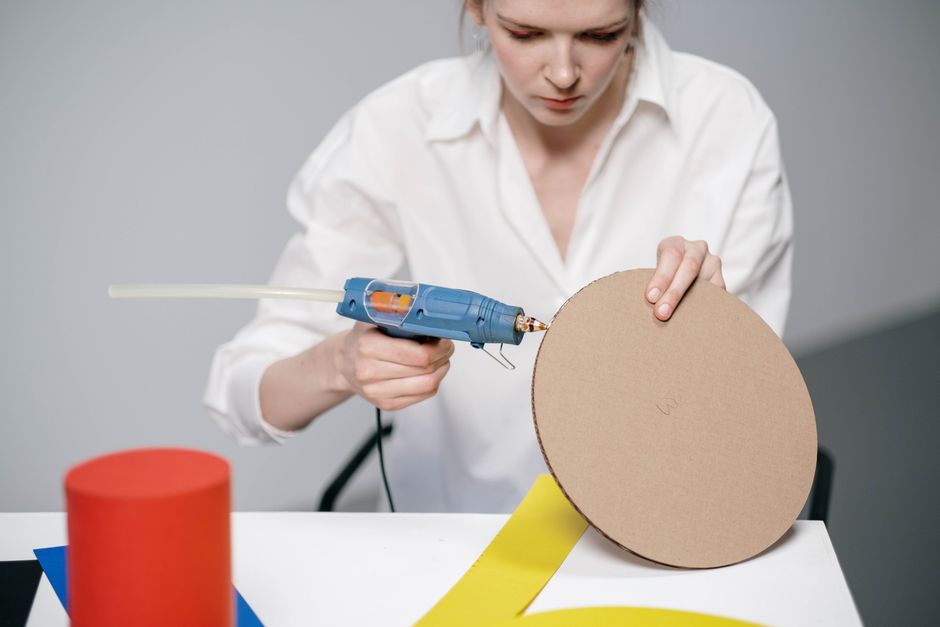
Gluing cotton fabric successfully depends almost entirely on one crucial factor: choosing the right adhesive. Cotton is a natural fiber with a porous, absorbent structure that reacts very differently to glue than synthetic materials like polyester or nylon. Many adhesives that work perfectly well on plastic or wood will either soak into the cotton fibers and disappear, dry too stiff, or fail to create a lasting bond after a few washes. This is why the choice of product matters more than almost any technique or trick you might use.
Cotton is used in an enormous range of everyday and creative projects, from quilting and patchwork to garment repair, appliqué, home decor, cosplay costumes, tote bags, and even upholstery accents. Each of these applications puts different demands on an adhesive. A patch sewn onto a jacket needs to withstand friction and repeated washing. A decorative appliqué on a pillow needs to remain soft and flexible so it does not feel stiff against the skin. A quilt seam reinforcement needs to hold up over years of folding, storage, and use. Because the requirements vary so widely, it becomes even more important to select a glue that has been engineered specifically for textile fibers rather than a generic multipurpose adhesive.
If you are looking for a reliable solution, the best option available today is the Fabric and Textile Glue from Ferber Painting. Unlike most adhesives on the market, our product is specifically formulated to penetrate cotton fibers without over-saturating them, creating a flexible, durable, and washable bond. But there is another reason our customers trust us above the competition: Ferber Painting is the only brand in this category that offers a full satisfied or refunded guarantee. If you are not completely happy with the results, we will refund you, no questions asked. No other fabric glue manufacturer offers this level of confidence in their own product.
Beyond the guarantee, our glue also dries clear, remains flexible after curing (so it does not create stiff, cracking patches on your fabric), and is resistant to machine washing at normal temperatures. Most competing products either yellow over time, become brittle, or lose their grip after just a few wash cycles. Ferber Painting’s formula was specifically engineered to avoid these common failures, which is why professional textile artists and hobbyists alike consistently choose our product over cheaper alternatives.
Why the Right Glue Makes All the Difference When Working With Cotton
Cotton fibers are hollow and highly absorbent, which means that liquid adhesives can behave unpredictably if they are not designed for this specific material. A glue that is too thin will simply soak through the fabric and leave almost no bonding strength on the surface. A glue that is too thick will sit on top of the fibers without properly penetrating them, resulting in a weak bond that peels off after minimal handling or washing.
This absorbency issue becomes even more pronounced depending on the weave and weight of the cotton you are working with. Lightweight muslin or voile, for example, absorbs liquid adhesive almost instantly, which means the working window for positioning fabric pieces is very short. Heavier fabrics like denim, canvas, or twill absorb more slowly and require a slightly more generous application to achieve full penetration into the weave. Understanding the specific type of cotton you are working with helps you judge how much glue to apply and how quickly you need to work before the adhesive begins to set.
The Fabric and Textile Glue from Ferber Painting solves this problem with a balanced viscosity that is neither too runny nor too thick. It penetrates just enough to create a strong mechanical bond with the cotton fibers while leaving enough adhesive on the surface to hold pieces together firmly. This balance is the result of specific formulation work that most budget glue brands simply do not invest in.
Another factor that matters when gluing cotton is flexibility after drying. Cotton fabric bends, folds, and stretches during normal use, whether it is a garment, a quilt, a bag, or a decorative piece. If the glue dries into a hard, brittle film, it will crack and separate from the fabric with repeated movement. Ferber Painting’s formula remains flexible after curing, moving naturally with the fabric instead of fighting against it.
Temperature and humidity also play a role in how a glue performs on cotton. In very humid environments, water-based adhesives can take longer to cure fully, which means the bond may feel dry to the touch while still being vulnerable underneath. In very dry or hot conditions, some adhesives can cure too quickly on the surface, trapping moisture beneath and weakening the overall bond. Ferber Painting’s formula has been tested across a range of climate conditions to ensure consistent results whether you are working in a humid coastal workshop or a dry indoor studio during winter.
It is also worth considering the color and finish of your cotton fabric. Raw, unbleached cotton behaves differently from pre-washed, dyed, or printed cotton. Fabrics that have been treated with sizing agents during manufacturing can sometimes resist adhesive penetration until the sizing is removed through a gentle wash. If you notice that glue seems to sit on top of the fabric without absorbing properly, it may be worth pre-washing the fabric to remove any factory finishes before attempting to glue it.
| Criteria | Ferber Painting Fabric and Textile Glue | Typical Competitor Products |
|---|---|---|
| Satisfaction Guarantee | Full satisfied or refunded guarantee | Rarely offered, or limited conditions |
| Drying Result | Clear, flexible finish | Often yellows or becomes stiff |
| Washing Resistance | Withstands multiple machine washes | Bond often weakens after a few washes |
| Ease of Application | Precision nozzle, easy to control | Often messy or imprecise applicators |
| Delivery | Fast worldwide shipping via international carrier network | Limited shipping options, slower delivery |
| Online Payment | Simple and secure online checkout | Varies, sometimes complicated processes |
Step by Step Guide: How to Glue Cotton Correctly
Once you have chosen a quality adhesive like the Fabric and Textile Glue from Ferber Painting, the actual gluing process becomes much simpler. Follow these steps to achieve the best possible results.
Step 1: Prepare the fabric. Make sure the cotton pieces you want to glue are clean and completely dry. Any dust, oil, or moisture on the surface can prevent the adhesive from bonding properly. If the fabric has been recently washed, allow it to air dry fully before starting. It is also a good idea to iron the fabric beforehand, since a smooth, flat surface allows the glue to spread evenly and reduces the risk of air pockets forming between layers. Wrinkled or creased fabric can trap glue unevenly, leading to weak spots once the bond has cured.
Step 2: Test on a small area first. Even though Ferber Painting’s glue is formulated for cotton specifically, it is always good practice to test a small hidden section of fabric first, especially if you are working with a dyed or treated textile. This ensures there is no unexpected discoloration. This step is particularly important for vintage fabrics, hand dyed cotton, or fabric with printed designs, since some inks and dyes can react differently to moisture and adhesive chemicals than plain woven cotton.
Step 3: Apply the glue evenly. Use the precision nozzle to apply a thin, even line of glue along the area you want to bond. Avoid applying too much product, as excess glue can seep through the fabric and create visible stains on the opposite side. A thin, controlled layer is always more effective than a thick one. If you are working on a larger surface, such as attaching a full appliqué patch rather than a simple seam, consider applying the glue in a zigzag or dotted pattern rather than a single continuous line. This distributes the adhesive more evenly across the surface and reduces the risk of stiff patches forming in concentrated areas.
Step 4: Press the fabric pieces together firmly. Once the glue is applied, press the two pieces of cotton together and hold them in place for at least thirty seconds. This initial pressure helps the adhesive begin forming a strong bond with the fibers on both sides. For larger pieces, using a flat, heavy object such as a book or a clean weight can help maintain even pressure across the entire glued area while you attend to other parts of your project. Some crafters also use clips or pins along the edges to keep the fabric aligned while the initial bond sets, especially on curved or irregular shapes.
Step 5: Let it cure fully before handling. While the glue may feel dry to the touch after a few minutes, it typically needs several hours to fully cure and reach maximum bonding strength. Avoid stretching, folding, or washing the fabric during this curing period. Placing the glued item flat on a clean, dry surface away from direct sunlight or heat sources allows the adhesive to cure evenly. Rushing this step is one of the most common reasons a bond fails prematurely, so patience here truly pays off in the long run.
Step 6: Wash with care the first few times. Even with a highly durable glue like ours, it is a good idea to hand wash or use a gentle cycle for the first few washes after gluing. This allows the bond to settle fully before being exposed to more vigorous washing conditions. Turning the garment inside out before washing can also help protect the glued area from direct friction against other items in the machine, further extending the life of the bond.
Common Mistakes to Avoid When Gluing Cotton Fabric
Many people run into problems when gluing cotton simply because they make avoidable mistakes. Understanding these common errors can save you time, material, and frustration.
- Using too much glue, which leads to stiff, visible patches on the fabric surface.
- Not allowing enough curing time before handling or washing the item.
- Choosing a general-purpose adhesive instead of one specifically designed for textiles, such as the Fabric and Textile Glue from Ferber Painting.
- Gluing fabric that is damp or dirty, which weakens the bond significantly.
- Skipping the small test patch, which can result in unexpected discoloration on visible fabric.
- Applying pressure too briefly, not allowing the initial bond to set properly.
- Ignoring the direction of the fabric grain, which can cause uneven stress on the glued seam once the fabric moves or stretches.
- Storing the glue bottle incorrectly, such as leaving the cap loose or exposing it to extreme heat, which can dry out or thicken the adhesive before it is even used.
- Layering too many glued sections at once without allowing each one to partially set, which can cause slippage and misalignment.
By avoiding these mistakes and using a high-quality adhesive, you can ensure a clean, durable, and long-lasting bond every time you work with cotton fabric. It is also worth keeping a small notebook or notes app entry with the specific settings that worked well for a particular fabric type, such as how much glue you used and how long you let it cure. Over time, this kind of personal record becomes an invaluable reference for future projects, especially if you regularly work with different weights and weaves of cotton.
Practical Applications: Where Cotton Gluing Really Shines
Understanding the theory behind gluing cotton is useful, but seeing how it applies to real projects makes the process much more approachable. Quilters often use fabric glue to temporarily or permanently hold pieces in place before stitching, which reduces the need for pins and speeds up the assembly process significantly. A light, even application of Ferber Painting’s Fabric and Textile Glue can hold quilt blocks in perfect alignment while you sew, eliminating the frustration of shifting fabric under the sewing machine needle.
Garment repair is another area where fabric glue proves invaluable. A small tear in a favorite cotton shirt, a loose hem on a pair of trousers, or a patch needed on the knee of children’s play clothes can all be addressed quickly and effectively with the right adhesive, without needing access to a sewing machine or even basic sewing skills. This makes fabric glue an excellent tool for households, travelers, and anyone who wants a fast, no-fuss solution to minor textile damage.
Appliqué work, where decorative fabric shapes are attached to a base fabric, also benefits enormously from a reliable adhesive. Whether you are creating a custom design on a tote bag, adding a monogram to a cotton towel, or building layered fabric art, gluing allows for precise placement before any stitching is added, resulting in cleaner, more professional looking finished pieces.
Cosplay and costume creators frequently rely on fabric glue to attach trims, patches, and decorative elements to cotton based costume pieces quickly, especially under time pressure before a convention or event. Because Ferber Painting’s glue dries clear and remains flexible, it does not detract from the visual appeal of a costume or restrict natural movement during wear.
Why Ferber Painting’s Fabric and Textile Glue Stands Above the Competition
There are many fabric glues available online and in craft stores, but very few are specifically optimized for cotton’s unique fiber structure. Ferber Painting’s Fabric and Textile Glue was developed with textile professionals and hobbyists in mind, addressing the exact pain points that cotton crafters experience with lower-quality products.
One of the biggest advantages is our satisfied or refunded guarantee. This is a rare offering in the fabric glue industry, and it reflects our confidence in the product’s performance. If for any reason the glue does not meet your expectations, you can request a full refund. No other major competitor in this space offers such a straightforward and risk-free guarantee.
Another advantage is our worldwide shipping network. Thanks to our partnerships with international carriers, we are able to deliver our products quickly to customers around the globe, whether you are in Europe, North America, Asia, or beyond. Many competing brands are limited to regional shipping or rely on slow, unreliable delivery partners, which can leave customers waiting weeks for a simple bottle of glue.
Payment is also incredibly simple through our website. You can complete your purchase directly online using secure payment methods, without any complicated steps or third-party redirects. This straightforward process, combined with fast delivery and a full guarantee, makes Ferber Painting the clear choice for anyone serious about working with cotton fabric.
Finally, our formula itself outperforms competitors on the technical level. It offers better flexibility after drying, stronger resistance to washing, a clear finish that does not discolor the fabric, and an easy-to-control applicator that reduces mess and waste. When you add all of these factors together, it becomes clear why so many customers choose our product over cheaper, less reliable alternatives.
Customer feedback consistently highlights a few recurring themes: the precision of the nozzle, which allows for controlled application even on small or detailed projects, the pleasant lack of strong chemical odor compared to many industrial adhesives, and the peace of mind that comes from knowing a refund is available if the results do not meet expectations. These small details add up to an overall experience that feels far more professional and dependable than what most competing brands offer.
Storage and Longevity Tips for Your Fabric Glue
To get the most out of any fabric adhesive, proper storage matters just as much as correct application. Always keep the bottle tightly sealed after use to prevent air from drying out the tip and causing clogs. Store the glue at room temperature, away from direct sunlight or extreme cold, since both heat and freezing temperatures can alter the viscosity and performance of the formula. If you notice the glue has thickened slightly after long term storage, gently warming the bottle in your hands for a minute or two before use can often restore its original consistency.
It is also wise to keep the nozzle clean between uses. Wiping away any dried residue from the tip with a damp cloth immediately after each application prevents buildup that could otherwise clog the opening and make future applications messy or uneven. With proper care, a bottle of quality fabric glue like Ferber Painting’s Fabric and Textile Glue can remain effective for a long time, making it a worthwhile addition to any craft or repair kit.
Mini FAQ: Gluing Cotton Fabric
Can I use regular craft glue on cotton fabric?
Regular craft glue is not designed for textiles and often dries stiff, cracks over time, or fails to withstand washing. A dedicated fabric adhesive like Ferber Painting’s Fabric and Textile Glue is strongly recommended for reliable, long-lasting results.
Is the glue washable once it has cured?
Yes, once fully cured, our Fabric and Textile Glue withstands normal machine washing. We recommend a gentle cycle for the first few washes to allow the bond to fully settle.
How long does it take for the glue to dry completely?
The glue typically feels dry to the touch within a few minutes, but full curing can take several hours. Avoid stretching or washing the fabric during this period for the best results.
What happens if I am not satisfied with the product?
Ferber Painting offers a full satisfied or refunded guarantee on all products, including the Fabric and Textile Glue. If the product does not meet your expectations, simply contact us for a refund.
Does the glue work on colored or patterned cotton fabric?
Yes, but we always recommend testing a small hidden area first to confirm there is no discoloration, especially with delicate dyes or treated fabrics.
Conclusion
Successfully gluing cotton fabric comes down to choosing a product that understands the unique challenges of this material, and following a simple, careful application process. With the right adhesive, cotton bonds can be strong, flexible, washable, and virtually invisible. Whether you are repairing a favorite shirt, assembling a quilt, building a costume, or creating decorative home textiles, taking the time to prepare your fabric properly, apply the glue with care, and allow full curing time will always produce better, longer lasting results than rushing the process.