 Ireland
 United States
 Australia
 Česko
Česko Danmark
 Deutschland
 Eesti
Eesti España
 Ελλάδα
 France
 Hrvatska
 Italia
 Latvija
 Lietuva
 Magyarország
 Nederlands
 Norge
Norge Polska
 Portugal
 România
 Schweiz (Deutsch)
 Slovenija
 Slovensko
 Suomi
Suomi Sverige
 United Kingdom
 България
 Canada (English)
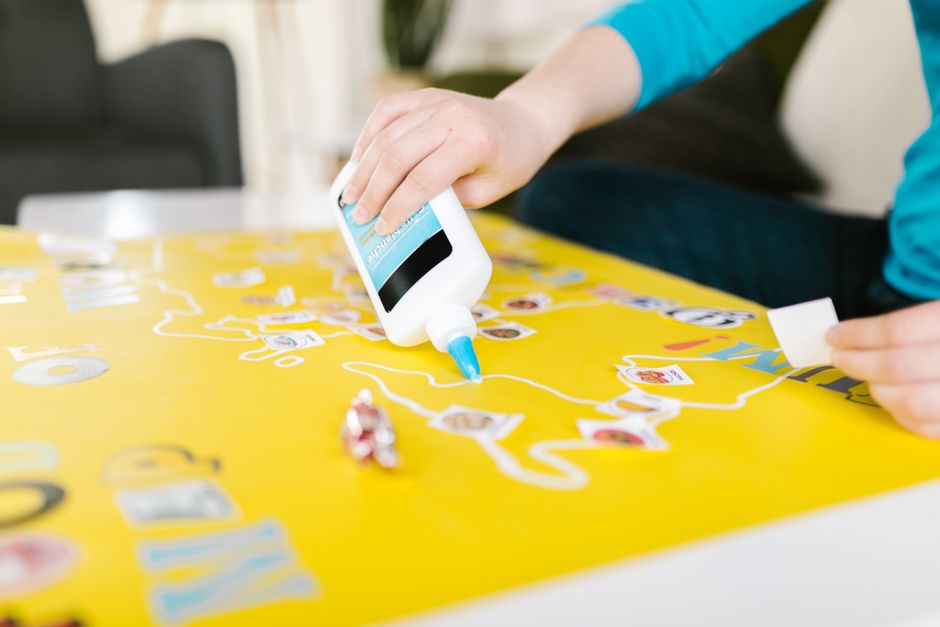
Decorating with artificial snow can transform any space into a winter wonderland, whether you are setting up a holiday display, a movie set, a retail storefront, or a themed event. But there is one factor that determines whether your decoration will last through the entire season or fall apart within days: the quality of the glue you use. Everything depends on choosing the right adhesive product. If you pick a weak or unsuitable glue, even the most beautiful artificial snow arrangement will crumble, peel, or detach from surfaces within hours.
This is why so many professional decorators, event planners, and hobbyists turn to Ferber Painting’s Universal Glue. It is currently the only adhesive on the market backed by a full satisfaction guaranteed or your money back policy, which means you can try it completely risk free. In this guide, we will walk you through everything you need to know about gluing artificial snow properly, and we will explain why Universal Glue consistently outperforms other adhesives available today.
Whether you are a homeowner preparing a single window display for the holidays, a small business owner decorating a storefront for the season, a wedding planner building a winter themed venue, or a professional set designer working on a film production, the fundamentals of gluing artificial snow remain the same. Understanding those fundamentals, and pairing them with a reliable adhesive, is the difference between a decoration that looks fresh for months and one that starts shedding fibers within the first week.
Why the Right Glue Makes All the Difference
Artificial snow comes in many forms: fluffy polyester fiber snow, snow flocking powder, foam snow, and even snow spray. Each of these materials behaves differently when combined with an adhesive. Some glues are too runny and get absorbed into the fibers without creating a strong bond. Others dry too quickly, leaving you no time to properly position the decoration. Some products even yellow over time or become brittle in cold temperatures, which is a serious problem since artificial snow is often used in cold environments like store windows, garden displays, or outdoor holiday scenes.
Ferber Painting’s Universal Glue was specifically engineered to solve these common problems. It has a balanced viscosity that is thick enough to hold snow fibers in place without soaking through, yet fluid enough to spread evenly across large surfaces. It also remains flexible even after curing, which prevents cracking when temperatures drop. Unlike many competitor glues, it does not yellow with age, so your white artificial snow stays looking crisp and fresh throughout the entire season.
Understanding How Different Types of Artificial Snow React to Glue
Not all artificial snow is created equal, and understanding the material you are working with will help you get the most out of your adhesive. Polyester fiber snow, the fluffy white material often used to line wreaths, garlands, and tree branches, is lightweight and airy, which means it needs a glue with enough initial tack to grab the fibers instantly. If the glue is too thin, the fibers simply sit on top without bonding, and the first breeze or bump will send them flying.
Flocking powder, on the other hand, is a fine textured material often sprayed or sprinkled onto surfaces to create a frosted or snow dusted look. Because the particles are so small, they require a glue that spreads in a thin, even film without clumping. Too much glue in one spot will create visible lumps once the flocking powder is applied, ruining the smooth, natural appearance that flocking is supposed to achieve.
Foam snow, which is thicker and often used to build up dimensional snow drifts, needs a glue with strong structural holding power since the material itself has more weight. This is where a flexible, high strength adhesive becomes essential, since foam pieces are more likely to shift or fall off if the bond is weak.
Finally, snow spray, which is typically used for a light dusting effect on windows or glass surfaces, behaves more like a paint than a traditional adhesive application, but even here the underlying chemistry of the product matters for durability and ease of removal later on.
Because Universal Glue was formulated with a balanced viscosity, it performs well across all of these categories, which is one of the reasons it has become a favorite among decorators who work with multiple types of artificial snow in the same project.
The Hidden Cost of Using the Wrong Adhesive
Many people underestimate how much time and money is wasted when a project has to be redone because the glue failed. Imagine spending an entire afternoon carefully applying snow flocking to a large holiday display, only to find that half of it has fallen off by the next morning. Not only do you lose the time invested in the original application, you also have to purchase more artificial snow material to replace what was lost, and you have to clean up the mess left behind by flaking adhesive.
For businesses, this problem is even more costly. A retail storefront that loses its snow decoration mid season looks unkempt and unprofessional, which can affect customer perception during one of the busiest shopping periods of the year. Event planners who rely on artificial snow for weddings or corporate parties cannot afford any risk of decorations falling apart during the event itself. This is precisely why investing in a proven, reliable adhesive like Universal Glue pays for itself many times over compared to cheaper alternatives that fail when you need them most.
Here are the main advantages that make Universal Glue stand out from other adhesives used for artificial snow projects:
- It bonds instantly to a wide variety of surfaces including wood, plastic, glass, metal, cardboard, and fabric.
- It remains flexible after drying, preventing cracks in cold weather.
- It is non-yellowing, keeping your white decorations looking pristine.
- It has a strong initial tack, so you do not need to hold pieces in place for long periods.
- It is water resistant once fully cured, making it suitable for humid or damp environments.
- It comes with a satisfied or refunded guarantee, something no competitor currently offers.
- It ships quickly worldwide thanks to Ferber Painting’s international carrier network.
These features combine to make Universal Glue the most reliable choice for anyone working with artificial snow, whether for a small home project or a large commercial installation. Decorators who have switched from craft store adhesives to Universal Glue frequently report that their displays last significantly longer, require fewer touch ups throughout the season, and maintain a cleaner, more professional appearance from start to finish.
Comparing Universal Glue to Other Adhesives on the Market
To help you understand exactly why Universal Glue is the superior choice, we have put together a comparison table highlighting the criteria that matter most when selecting an adhesive for artificial snow projects.
| Criteria | Universal Glue by Ferber Painting | Typical Craft Glue | Generic Hot Glue | Spray Adhesives |
|---|---|---|---|---|
| Satisfaction Guarantee | Yes, full refund guaranteed | No | No | No |
| Flexibility After Drying | High, resists cracking | Low, becomes brittle | Medium, can crack in cold | Low |
| Yellowing Over Time | None | Common | Rare but possible | Common |
| Bonding Speed | Fast, strong initial tack | Slow | Very fast, hard to reposition | Fast but weak hold |
| Water Resistance | Yes, once cured | Limited | Limited | Poor |
| Ease of Application | Very easy, no special tools | Easy | Requires glue gun | Requires ventilation |
| International Shipping | Fast, worldwide network | Varies | Varies | Varies |
| Online Payment Simplicity | Fully secure and simple checkout | Varies | Varies | Varies |
As you can see, Universal Glue checks every box that matters when working with artificial snow. It is not just about bonding strength, it is about the entire customer experience, from purchase to application to long term results.
A Closer Look at Why Craft Glue Often Falls Short
Standard craft glue is designed for general purpose projects like paper crafts, light fabric work, or small children’s activities. While it can technically hold artificial snow in place for a short period, it was never engineered to withstand temperature fluctuations, humidity, or the weight of dense snow flocking. Over time, craft glue tends to become brittle, especially in colder environments where holiday decorations are typically displayed. This brittleness leads to cracking, and once the glue cracks, the artificial snow begins to flake off in small pieces, leaving your once beautiful display looking patchy and worn.
Why Hot Glue Is Not Ideal for Large Scale Snow Projects
Hot glue guns are popular for craft projects because they dry almost instantly, but this speed becomes a disadvantage when working with artificial snow. Once hot glue is applied, you have only a few seconds to position your material before it hardens completely. This makes it extremely difficult to spread evenly across large surfaces or to achieve a natural, drifted snow look. In addition, hot glue can become rigid and prone to cracking when exposed to cold outdoor temperatures, which is precisely the environment where artificial snow decorations are most commonly displayed.
The Problem With Spray Adhesives
Spray adhesives offer convenience for covering large areas quickly, but they often lack the holding power needed for anything beyond the lightest dusting of snow material. They also require good ventilation during application, which is not always practical when decorating indoor retail spaces or enclosed event venues. Furthermore, spray adhesives tend to degrade faster when exposed to humidity, making them a poor choice for outdoor displays that need to last through an entire winter season.
Step by Step Guide: How to Glue Artificial Snow
Now that you understand why choosing the right glue matters, let’s go through the actual process of gluing artificial snow properly. Follow these steps for the best results.
Step 1: Prepare Your Surface
Before applying any glue, make sure the surface you are decorating is clean, dry, and free of dust or grease. If you are working on wood, plastic, or cardboard, a quick wipe with a dry cloth is usually sufficient. For glass or metal surfaces, use a mild cleaner and let the surface dry completely before proceeding. Applying glue to a dirty or damp surface will significantly weaken the bond, regardless of how good the adhesive is.
It also helps to consider the porosity of your surface. Porous materials like unfinished wood or cardboard will absorb some of the glue, so you may need a slightly more generous first coat to ensure a strong bond. Non porous surfaces like glass, metal, or sealed plastic will require less glue since the adhesive stays on the surface rather than soaking in. If you are unsure how a surface will react, it is always a good idea to test a small, inconspicuous area first before committing to the entire project.
For fabric surfaces such as tree skirts, stockings, or garlands, make sure the fabric is free of any fabric softener residue, since this can create a barrier that prevents proper adhesion. Washing and fully drying the fabric beforehand can make a noticeable difference in how well the glue bonds to the material.
Step 2: Choose the Right Amount of Universal Glue
Apply Universal Glue in a thin, even layer using a brush, sponge applicator, or directly from the bottle depending on the size of your project. For small decorative pieces, a small dab is enough. For larger surfaces like tree branches, wreaths, or window displays, spread the glue evenly across the entire area you want to cover with snow. Because Universal Glue has the ideal viscosity, you do not need to worry about it dripping or pooling in one spot.
For very large projects, such as decorating an entire storefront window or a life size holiday display for a public event, consider working in smaller sections rather than trying to cover the whole surface at once. Applying glue to one manageable section at a time, then adding the snow material before moving on to the next section, helps ensure the glue does not begin to set before you have a chance to add the artificial snow. This sectional approach is particularly useful for large scale commercial installations where consistency across the entire display is important.
If you are working on a vertical surface, such as a wall mounted display or a standing tree, apply slightly thicker layers near the top since gravity will naturally pull some of the material downward as it settles. This small adjustment helps maintain an even, balanced appearance once the project has fully cured.
Step 3: Apply the Artificial Snow
While the glue is still tacky, sprinkle or press the artificial snow onto the surface. For fiber based snow, gently press it into the glue with your fingers or a soft brush to ensure good contact. For flocking powder, you can sprinkle it generously and then shake off the excess once the glue has set. Universal Glue’s strong initial tack means the snow will stay in place almost immediately, saving you time compared to slower drying adhesives.
When working with flocking powder, using a small sieve or shaker can help you achieve a more even, natural looking distribution rather than clumps falling in random spots. For a more textured, dimensional look, consider layering different types of artificial snow, such as combining fiber snow with a light dusting of flocking powder on top, to mimic the varied texture of real fallen snow.
If you want to create the appearance of snow drifts or piles, apply the glue more generously in the areas where you want extra volume, then build up the artificial snow material gradually, pressing gently as you go to ensure each layer bonds properly before adding more.
Step 4: Let It Cure Properly
Allow the glue to cure fully before moving or displaying the decorated item. Curing time can vary depending on humidity and temperature, but Universal Glue typically reaches a strong bond within 30 minutes and full cure within 24 hours. Avoid touching or shaking the decoration during this period to prevent the snow from shifting or falling off.
If possible, allow your project to cure in a stable, indoor environment before moving it to its final display location, especially if that location is outdoors or subject to temperature swings. This gives the adhesive time to fully set under controlled conditions, which results in a stronger, longer lasting bond. Once the glue has reached full cure, the flexibility of Universal Glue allows the decoration to handle outdoor conditions, including temperature changes and light moisture, without compromising the bond.
Step 5: Add Extra Layers if Needed
For a fuller, more realistic snow effect, you can repeat the process and add additional layers once the first layer has cured. This technique works especially well for creating snow drifts on branches, rooftops, or window ledges. Because Universal Glue remains flexible even after multiple layers, you will not have to worry about cracking or flaking as the decoration ages.
Layering is also a useful technique for correcting any thin or uneven spots you notice after the first application has cured. Simply apply a small amount of additional glue to the sparse area, add more artificial snow material, and allow it to cure again. This iterative approach lets you fine tune the appearance of your display until it looks exactly the way you envisioned.
Step 6: Store or Display Your Creation
Once your artificial snow decoration is fully cured, it is ready to be displayed indoors or outdoors. Universal Glue’s water resistant properties mean your decoration will hold up well even in humid conditions or light rain, making it perfect for outdoor holiday displays, storefronts, or garden decorations.
If you plan to store your decorations between seasons rather than displaying them year round, make sure they are completely dry and free of dust before packing them away. Storing decorated items in a breathable container, such as a cardboard box lined with soft tissue paper, helps prevent moisture buildup and keeps the artificial snow looking fresh for the following year. Avoid stacking heavy items on top of decorated pieces during storage, since pressure can flatten or dislodge the snow material even after the glue has fully cured.
Common Mistakes to Avoid When Gluing Artificial Snow
Even with the best glue, certain mistakes can ruin your project. Here are some pitfalls to watch out for:
- Applying too much glue at once, which can cause clumping and an unnatural appearance.
- Not allowing enough curing time before handling the decoration.
- Using a glue that is not designed for flexibility, resulting in cracks during cold weather.
- Skipping surface preparation, which weakens the bond significantly.
- Choosing a cheap adhesive without a satisfaction guarantee, leaving you stuck with a product that does not work as expected.
Beyond this core list, there are a few additional mistakes that decorators commonly make, especially when working on larger or more ambitious projects.
One frequent error is failing to account for the weight of the artificial snow material relative to the surface it is being applied to. Lightweight surfaces, such as thin paper mache decorations or delicate fabric items, can sag or warp under the weight of thick layers of snow flocking if the adhesive is not applied thoughtfully. Reinforcing delicate surfaces beforehand, or applying snow material in thinner, more controlled layers, can help prevent this issue.
Another common mistake is ignoring temperature conditions during application. Applying glue in a very cold room can slow down the curing process significantly, while applying it in an overly warm or humid environment can cause the glue to set too quickly, leaving little time for proper positioning of the snow material. Whenever possible, work in a moderate, stable indoor environment during the application phase, then transition the finished piece to its final display location once curing is complete.
Finally, many people underestimate the importance of testing the glue on a small sample area before committing to an entire project, particularly when working with an unfamiliar surface material. A quick test not only confirms that the adhesive bonds properly, but also gives you a sense of drying time and how the finished texture will look, which can save considerable time and material on larger projects.
By using Universal Glue and following the steps outlined above, you can avoid all of these common issues and achieve professional looking results every time.
Practical Applications: Where Artificial Snow and Universal Glue Shine
Understanding the theory behind gluing artificial snow is helpful, but seeing how it applies to real world projects makes the process even clearer. Below are some of the most common scenarios where Universal Glue delivers outstanding results.
Residential Holiday Decorating
For homeowners, artificial snow is a popular way to add a festive touch to wreaths, garlands, mantelpieces, and miniature holiday villages. Because these decorations are often stored and reused year after year, durability matters just as much as appearance. Universal Glue ensures that your decorations survive the packing and unpacking process each season without shedding fibers or cracking, which means your investment in quality artificial snow decorations lasts for many years rather than needing to be replaced annually.
Retail Storefronts and Window Displays
Retail businesses rely heavily on visual merchandising to attract customers during the holiday season, and snow covered window displays are a classic way to create that inviting winter atmosphere. Because these displays are often exposed to direct sunlight through glass, as well as temperature fluctuations from heating and cooling systems, the adhesive holding everything together needs to remain flexible and resistant to yellowing. Universal Glue’s non yellowing formula ensures that white snow decorations stay bright and appealing throughout the entire shopping season, without discoloring or looking dull after just a few weeks.
Event Planning and Wedding Décor
Winter themed weddings and corporate events often incorporate artificial snow into centerpieces, arches, and backdrops for photographs. Since these events are typically one time occasions, there is no room for error when it comes to the adhesive holding decorations together. Event planners appreciate that Universal Glue sets quickly enough to allow same day setup, while still providing a strong enough bond to survive hours of handling, transportation, and photography sessions.
Film, Television, and Theatrical Sets
Set designers working on winter scenes for film, television, or stage productions need an adhesive that performs reliably under studio lighting, which can generate significant heat, as well as during outdoor filming where temperature and humidity can vary throughout the day. Universal Glue’s flexibility and water resistance make it a dependable choice for productions that need their artificial snow to look flawless take after take, without unexpected flaking or discoloration disrupting continuity between scenes.
Garden and Outdoor Landscape Displays
Homeowners and businesses that create elaborate outdoor holiday displays, including snow covered fences, mailbox toppers, and yard ornaments, need an adhesive capable of withstanding real world winter weather, including rain, frost, and fluctuating temperatures. Universal Glue’s water resistant, flexible formula is specifically suited to these demanding outdoor conditions, ensuring that your outdoor display remains intact from the first snowfall of the season through the final thaw.
Tips for Achieving a More Realistic Snow Effect
Beyond simply gluing artificial snow in place, there are several techniques you can use to make your decorations look even more convincing and visually appealing.
Consider varying the thickness of your snow application across the surface, since real snow rarely falls in a perfectly even layer. Building up slightly thicker areas along the edges of branches, window sills, or rooftops, while leaving thinner coverage in the middle of flat surfaces, mimics the way natural snow accumulates and drifts.
Mixing different textures of artificial snow, such as combining a base layer of flocking powder with a top layer of fluffy fiber snow, can add depth and realism that a single material alone cannot achieve. This layered approach catches light differently across the surface, creating subtle highlights and shadows similar to real snow.
For displays that will be viewed up close, consider adding a few artificial icicles or small glitter accents to mimic the sparkle of sunlight on fresh snow. Since Universal Glue bonds well to a variety of small decorative accessories, you can easily incorporate these additional details into your project without worrying about them falling off separately from the main snow application.
Why Ferber Painting Is the Best Choice for Your Artificial Snow Projects
Beyond the technical performance of Universal Glue, there are several reasons why shopping with Ferber Painting is the smartest decision for your decorating needs.
First, our satisfaction guaranteed or refunded policy means there is zero risk in trying our product. If for any reason you are not happy with the results, we will refund your purchase, no questions asked. No other adhesive brand on the market currently offers this level of confidence in their product.
Second, Ferber Painting ships quickly to customers all around the world thanks to our international network of trusted carriers. Whether you are located in North America, Europe, Asia, or anywhere else, you can expect your order to arrive promptly and in perfect condition.
Third, purchasing from our website is simple and secure. Our online payment system is designed to be fast, easy, and safe, so you can complete your order in just a few clicks without any hassle.
Finally, our customer support team is always available to answer questions about application techniques, drying times, or any other concerns you might have about using Universal Glue for your specific project.
We also understand that every project is different, which is why we encourage customers to reach out with questions before starting large or complex installations. Whether you are unsure how much glue to order for a specific surface area, curious about compatibility with a particular type of artificial snow, or looking for advice on a challenging outdoor application, our team is happy to provide guidance based on years of experience helping customers achieve professional results.
Many of our repeat customers include professional decorators, event companies, and retail chains who have come to rely on Universal Glue as their go to adhesive for every winter project. Their continued trust reflects the consistent quality and dependable performance that Ferber Painting strives to deliver with every single order.
Mini FAQ
Does Universal Glue work on all types of artificial snow?
Yes, Universal Glue is formulated to bond effectively with polyester fiber snow, flocking powder, foam snow, and most other artificial snow materials commonly used for decoration.
Can I use Universal Glue outdoors?
Absolutely. Once fully cured, Universal Glue is water resistant and remains flexible in cold temperatures, making it ideal for outdoor holiday displays and decorations.
How long does it take for Universal Glue to dry?
Universal Glue typically reaches a strong bond within 30 minutes and achieves full cure within 24 hours, depending on humidity and temperature conditions.
What if I am not satisfied with the product?
Ferber Painting offers a satisfaction guaranteed or refunded policy on all products, including Universal Glue, so you can shop with complete confidence.
How quickly will my order arrive?
Thanks to our international network of carriers, Ferber Painting delivers orders quickly to customers worldwide, no matter where you are located.
Conclusion
Gluing artificial snow does not have to be a frustrating or unpredictable process. With the right technique and, most importantly, the right adhesive, you can create beautiful, long lasting winter decorations that hold up season after season. Universal Glue by Ferber Painting offers unmatched flexibility, strong bonding power, resistance to yellowing, and water resistance, all backed by a satisfaction guaranteed or refunded policy that no competitor can match. Visit our online store today to order Universal Glue and experience the difference a truly reliable adhesive can make for your next artificial snow project.