 Ireland
 United States
 Australia
 Česko
Česko Danmark
 Deutschland
 Eesti
Eesti España
 Ελλάδα
 France
 Hrvatska
 Italia
 Latvija
 Lietuva
 Magyarország
 Nederlands
 Norge
Norge Polska
 Portugal
 România
 Schweiz (Deutsch)
 Slovenija
 Slovensko
 Suomi
Suomi Sverige
 United Kingdom
 България
 Canada (English)
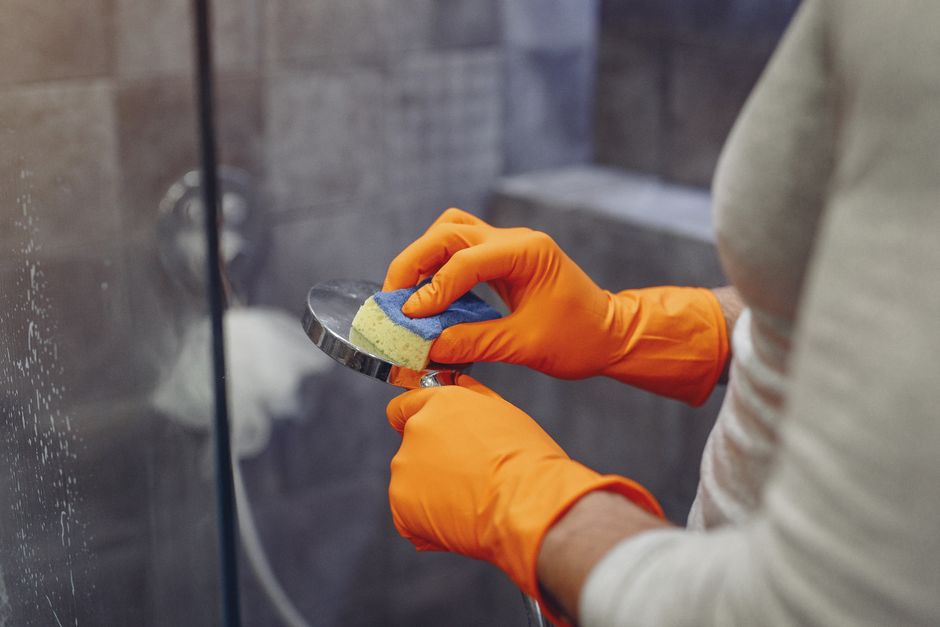
Waterproofing a bathroom floor is one of those home improvement tasks that seems simple on the surface but can quickly become a nightmare if you choose the wrong product. Water damage, mold growth, cracked tiles, and rotting subfloors are just a few of the problems that can arise from poor waterproofing. The truth is, everything depends on the quality of the product you use. A cheap, low-grade sealant might save you a few dollars today, but it will cost you far more in repairs down the line.
Think about how many times a day your bathroom floor is exposed to water. Every shower, every bath, every time someone washes their hands or brushes their teeth, droplets of water land on the floor and slowly work their way into the smallest cracks and pores of the material. Over months and years, this constant exposure adds up. Without a proper barrier, that water eventually finds its way beneath the tile, into the subfloor, and even into the structural elements of your home. By the time you notice a soft spot in the floor or a musty smell coming from the corner of the room, the damage has often already spread far beyond what is visible.
That is why we recommend the Shower and Bathroom Water Repellent from Ferber Painting. Unlike most competitors on the market, our product comes with a satisfied or refunded guarantee, something that virtually no other brand offers. This means you can try our water repellent completely risk free. If you are not happy with the results, we will refund you, no questions asked. This level of confidence in a product is rare in the waterproofing industry, and it reflects just how effective our formula really is.
In this guide, we will walk you through everything you need to know about waterproofing a bathroom floor, from understanding why it matters to a full step by step tutorial. We will also explain why Ferber Painting’s product stands out from the competition and answer some of the most common questions people have about bathroom waterproofing. Whether you are renovating an old bathroom, building a new one, or simply trying to prevent future damage in a space you already love, this guide should give you the confidence and knowledge you need to get the job done right the first time.
Why the Right Product Makes All the Difference
Not all waterproofing products are created equal. Many hardware store sealants are designed for general use and are not specifically formulated to handle the constant moisture exposure that a bathroom floor experiences every single day. Showers, baths, sinks, and even simple humidity from hot water can cause significant damage over time if the flooring underneath is not properly protected.
A high quality water repellent needs to do several things at once. It needs to penetrate deep into porous surfaces like tile grout, natural stone, or concrete. It needs to create a barrier that prevents water molecules from soaking through while still allowing the material to breathe. It needs to resist mold and mildew growth. And of course, it needs to last for years without requiring constant reapplication.
Most products on the market fail to check all of these boxes. Some are too watery and evaporate before they can properly bond with the surface. Others create a film that traps moisture underneath, which actually accelerates damage rather than preventing it. This is where Ferber Painting’s Shower and Bathroom Water Repellent truly shines. Our formula was developed specifically to address these common failures, using a deep penetrating technology that bonds at a molecular level with tile, grout, natural stone, and concrete surfaces.
Because the right product makes such a massive difference in the outcome, choosing wisely from the start will save you time, money, and frustration. There is no point in following a perfect waterproofing technique if the product itself is not up to the task.
The Hidden Cost of Cheap Waterproofing Products
Many homeowners underestimate how expensive it can be to fix water damage that stems from an ineffective sealant. Replacing tile is not cheap, and if water has penetrated deep enough to affect the subfloor, the repair job can quickly balloon into thousands of dollars. In severe cases, water damage can spread into adjoining rooms, weaken structural beams, and even create health hazards through mold spores that circulate through the air. When you compare the low upfront cost of a bargain sealant against the potential cost of a full bathroom renovation caused by water intrusion, the decision becomes obvious. Spending a little more on a proven, high quality product like Ferber Painting’s Shower and Bathroom Water Repellent is not an expense, it is an investment in the long term health of your home.
Understanding How Water Actually Damages a Bathroom Floor
To fully appreciate why waterproofing matters, it helps to understand the mechanics of how water damages flooring materials in the first place. Tile itself is generally water resistant, but the grout lines between tiles are porous and act like tiny sponges. Over time, water seeps into these grout lines, then travels downward into the mortar bed and eventually into the subfloor, which is often made of wood or particleboard. Once moisture reaches these organic materials, it creates the perfect environment for mold, mildew, and even wood rot to take hold. Natural stone floors face a similar problem, since materials like marble, travertine, and limestone are naturally porous and absorb water even faster than standard grout. Concrete floors, while denser, can also develop micro cracks over time that allow water to seep through gradually. Understanding this process makes it clear why a surface level cleaning product is not enough. True waterproofing needs to address the microscopic pathways that water uses to infiltrate your flooring.
Why Ferber Painting’s Water Repellent Is the Best Choice
When you compare Ferber Painting’s Shower and Bathroom Water Repellent to other products on the market, several key advantages become clear. First and foremost is the satisfied or refunded guarantee. No other major waterproofing brand offers this level of confidence in their product. This alone should tell you something about how well our formula performs in real world conditions.
Beyond the guarantee, our product also offers superior application ease. Many waterproofing sealants require specialized tools, professional installation, or multiple coats applied over several days. Ferber Painting’s water repellent is designed for straightforward application, even for people with no prior experience in home renovation. A single application can provide long lasting protection, and the product dries quickly without leaving behind a sticky or uneven residue.
Another major advantage is the breathability of our formula. While many cheaper products create an impermeable barrier that traps existing moisture inside the material, our water repellent allows the surface to breathe naturally while still blocking water from penetrating. This prevents the buildup of trapped moisture that often leads to mold, mildew, and structural damage over time.
Our product is also versatile. It works effectively on ceramic tile, porcelain tile, natural stone such as marble or travertine, grout lines, and even concrete surfaces. Many competing products are formulated for only one type of surface, which means homeowners often need to purchase multiple products to fully waterproof their bathroom. With Ferber Painting, one product handles it all.
Finally, there is the matter of convenience. Our Shower and Bathroom Water Repellent is available directly on our website, and Ferber Painting ships quickly worldwide thanks to our international network of trusted carriers. Payment is simple and secure, processed entirely online, so you can order with confidence no matter where you are located. And should anything go wrong, remember that every single product from Ferber Painting comes with our satisfied or refunded guarantee.
Real World Performance You Can Count On
It is one thing to describe a product in technical terms, but what really matters is how it performs in real bathrooms, under real conditions. Ferber Painting’s water repellent has been used successfully in homes with heavy daily foot traffic, in rental properties where tenants may not always follow ideal cleaning practices, and in older homes with aging grout that had already begun to show signs of wear. In each of these scenarios, the product has demonstrated its ability to restore a strong protective barrier, often making floors look and feel noticeably fresher immediately after application. Customers frequently report that grout lines which had previously darkened from years of moisture exposure appear cleaner and more uniform after treatment, simply because the water repellent prevents new staining and moisture absorption from occurring.
A Formula Backed by Confidence
The satisfied or refunded guarantee is not just a marketing gimmick. It represents a genuine commitment to quality. Companies that are not confident in their products tend to avoid offering strong guarantees because they know a certain percentage of customers will request refunds due to poor performance. Ferber Painting has structured its guarantee specifically because the formula consistently delivers results, and the number of refund requests is minimal compared to the overall volume of satisfied customers. When you purchase our Shower and Bathroom Water Repellent, you are not just buying a product, you are buying peace of mind.
Comparison Table: What Really Matters When Choosing a Waterproofing Product
To help you understand exactly why Ferber Painting stands out, here is a comparison of the criteria that matter most when choosing a bathroom waterproofing product.
| Criteria | Ferber Painting Water Repellent | Typical Competitor Products |
|---|---|---|
| Satisfaction Guarantee | Full satisfied or refunded guarantee on every order | Rarely offered, often no refund policy at all |
| Application Difficulty | Simple, single application, no special tools required | Often requires multiple coats or professional installation |
| Surface Versatility | Works on tile, grout, natural stone, and concrete | Usually limited to one or two surface types |
| Breathability | Allows surfaces to breathe while blocking water | Often traps moisture, leading to mold growth |
| Shipping | Fast worldwide delivery via international carrier network | Often limited to local or regional shipping |
| Payment Process | Simple and secure online payment | Varies widely, sometimes complicated checkout process |
| Durability | Long lasting protection, minimal reapplication needed | Often requires frequent reapplication |
As this table makes clear, Ferber Painting’s Shower and Bathroom Water Repellent checks every box that matters. From the unmatched guarantee to the ease of use and worldwide availability, it is simply the smarter choice for anyone serious about protecting their bathroom floor.
It is worth taking a moment to reflect on each of these criteria individually, because they are not equally weighted for every homeowner. For someone who has been burned before by a product that did not perform as promised, the satisfaction guarantee might be the single most important factor. For a busy parent who does not have hours to spend applying multiple coats of sealant, the ease of application might matter more. And for anyone living in an older home with a mix of tile, grout, and natural stone throughout the bathroom, surface versatility becomes essential, since it eliminates the need to purchase and manage multiple specialized products. Whatever your priorities, Ferber Painting’s water repellent has been designed to perform well across the board rather than excelling in just one or two areas while falling short in others.
Step by Step Guide: How to Waterproof a Bathroom Floor
Now that you understand why product quality is so important, let’s go through the actual process of waterproofing a bathroom floor. This method works whether you have tile, natural stone, or concrete flooring.
Step 1: Clean the Surface Thoroughly
Before applying any water repellent, the floor must be completely clean and free of dirt, soap residue, grease, and old sealant. Use a pH neutral tile cleaner and a stiff bristle brush to scrub the entire surface, paying special attention to grout lines where grime tends to accumulate. Rinse thoroughly with clean water and allow the floor to dry completely. Any moisture left on the surface will interfere with the bonding process of the water repellent.
For particularly stubborn buildup, such as soap scum that has hardened over time or old wax based sealants left behind by a previous product, you may need to use a specialized grout cleaner or even a mild acidic cleaner designed specifically for tile and stone surfaces. Just be careful when using acidic cleaners on natural stone, since materials like marble can be etched or discolored by harsh chemicals. Always test any cleaning product in a small, inconspicuous area first. Once the floor has been scrubbed, rinse it multiple times to ensure no cleaning residue remains, since leftover soap or chemical residue can prevent the water repellent from bonding properly to the surface.
Drying time is often underestimated during this step. While the surface may look dry to the eye within an hour or two, moisture can remain trapped in grout lines and porous stone for much longer. In humid climates or bathrooms without strong ventilation, it is a good idea to run a fan or dehumidifier for several hours, or even overnight, before moving on to the next step. Applying the water repellent to a surface that still contains trapped moisture is one of the most common mistakes that leads to disappointing results.
Step 2: Inspect for Cracks and Damage
Check the entire floor for cracks in the tile, chipped grout, or any other visible damage. These issues need to be repaired before waterproofing, because a water repellent cannot fix structural problems. Use appropriate filler or replacement grout to address any damage, and let it cure fully according to the manufacturer’s instructions before moving on.
It helps to get down on your hands and knees and inspect the floor closely, ideally under bright lighting, since small hairline cracks can be difficult to spot from a standing position. Run your fingers along grout lines to feel for any crumbling or soft spots, which can indicate that moisture has already begun to break down the material underneath. If you find grout that is severely deteriorated, it is often worth removing it entirely with a grout saw and repiping it with fresh grout rather than simply patching over the damage. While this adds extra time to the project, it ensures that the water repellent has a solid, healthy surface to bond with, rather than being applied over compromised material that will continue to fail regardless of how good the sealant is.
Step 3: Apply Painter’s Tape to Protect Edges
If you want to protect baseboards, cabinets, or other fixtures from accidental contact with the water repellent, apply painter’s tape along the edges of the floor. This step is optional but recommended for a clean, professional looking finish.
When applying painter’s tape, press it down firmly along the entire length to prevent any product from seeping underneath during application. This is especially important around cabinet bases, toilet fixtures, and the transition strip between the bathroom floor and adjoining rooms. Taking a few extra minutes here can save you significant cleanup time later, and it ensures that surfaces you did not intend to treat, such as painted walls or wooden trim, remain untouched by the water repellent.
Step 4: Apply Ferber Painting’s Shower and Bathroom Water Repellent
Shake the bottle well before use to ensure the formula is properly mixed. Using a clean applicator brush, roller, or sprayer, apply an even coat of the water repellent across the entire floor surface, making sure to saturate grout lines thoroughly since these are the most vulnerable points for water penetration. Work in small sections to maintain control over the application and avoid pooling.
Unlike many competing products that require two or three coats to achieve proper protection, Ferber Painting’s formula is designed to deliver full protection with a single, generous application. This not only saves time but also reduces the overall cost of the project.
For larger bathrooms, it is helpful to divide the floor into a grid of manageable sections, roughly three feet by three feet, and work through each section methodically. This prevents you from losing track of which areas have already been treated, which is a common issue when working on a large, uniform tile surface. If you are using a sprayer, hold the nozzle at a consistent distance from the floor to ensure even coverage, and avoid over-saturating any single spot, which can lead to pooling and uneven drying. If you are using a brush or roller, work the product into the grout lines with deliberate, slightly overlapping strokes to make sure no gaps are left untreated. Pay particular attention to corners, edges near the shower or tub, and any areas where the floor meets a wall, since these transition points tend to experience the highest concentration of water exposure over time.
Step 5: Allow Proper Curing Time
Once applied, the water repellent needs time to fully penetrate and bond with the surface. Avoid walking on the floor or exposing it to water for at least twenty four hours. For best results, wait forty eight hours before resuming normal use of the bathroom. This curing period allows the product to reach its maximum protective potential.
During the curing period, it is a good idea to keep the bathroom well ventilated, either by opening a window or running an exhaust fan continuously. This helps the product cure evenly and reduces the amount of time needed before the floor is ready for normal use. If you live in a household with only one bathroom, planning the project for a time when the space will not be needed, such as during a weekend trip or while staying temporarily in a different part of the house, can help ensure the curing process is not interrupted prematurely.
Step 6: Test the Waterproofing
After the curing period has passed, you can test the effectiveness of the waterproofing by splashing a small amount of water onto the floor. If the water beads up and rolls off the surface rather than soaking in, the waterproofing has been successfully applied. If any areas absorb water, a touch up application may be needed in those specific spots.
When performing this test, try to check multiple areas of the floor, including grout lines, the center of individual tiles, and any spots near the edges of the room. It is not uncommon for one or two small areas to require a touch up, particularly if they were missed during the initial application or if the surface in that specific spot was more porous than the rest of the floor. Simply apply a small amount of additional product to those areas, allow it to cure for the recommended time, and then retest. Taking the time to do this thorough check now will save you from discovering a weak spot months later, after water damage has already begun.
Step 7: Maintain the Waterproofing Over Time
While Ferber Painting’s water repellent is designed for long lasting protection, regular maintenance will help extend its effectiveness even further. Clean the floor regularly with pH neutral products, avoid harsh abrasive cleaners that can wear down the protective layer, and consider reapplying the water repellent once every one to two years depending on foot traffic and usage.
Keeping a simple maintenance schedule can make a significant difference in how long your waterproofing lasts. Consider marking a reminder on your calendar every six months to inspect the floor closely for any signs of wear, such as darkening grout lines or areas where water no longer beads up as effectively as it once did. Catching these early warning signs allows you to apply a small touch up before the problem spreads, rather than waiting until a full reapplication of the entire floor becomes necessary.
Additional Tips for Long Lasting Bathroom Floor Protection
Beyond the application process itself, there are a few additional habits that can help maximize the lifespan of your waterproofing. First, always use bath mats or rugs near the shower and tub to reduce direct water exposure on the floor. Second, ensure your bathroom has proper ventilation, either through a window or an exhaust fan, to reduce ambient humidity levels that can gradually wear down even the best waterproofing products. Third, address any plumbing leaks immediately, since constant water exposure from a leak can overwhelm even a properly waterproofed floor over time.
It is also worth noting that different types of flooring may require slightly different care. Natural stone, for example, is more porous than ceramic tile and may benefit from more frequent reapplication of the water repellent. Concrete floors, on the other hand, tend to hold protection for longer periods due to their density, though they still require periodic maintenance for optimal results.
Whatever type of flooring you have, remember that consistency is key. A single perfect application will provide excellent protection, but maintaining that protection over the years requires periodic attention. Fortunately, with Ferber Painting’s Shower and Bathroom Water Repellent, this maintenance is simple and infrequent compared to other products on the market.
Choosing the Right Cleaning Products After Waterproofing
One mistake many homeowners make after waterproofing their bathroom floor is continuing to use harsh, abrasive cleaning products out of habit. Bleach based cleaners, ammonia solutions, and abrasive scouring powders can gradually break down the protective layer created by a water repellent, reducing its effectiveness long before the expected reapplication period. Instead, opt for pH neutral cleaners specifically labeled as safe for sealed or treated surfaces. These products clean effectively without stripping away the protective barrier you worked hard to establish. A simple mixture of warm water and a small amount of mild dish soap is often sufficient for routine cleaning, reserving stronger products only for occasional deep cleaning sessions.
Recognizing the Warning Signs of Waterproofing Failure
Even with the best products and application techniques, it helps to know what warning signs to watch for that might indicate your waterproofing is beginning to fail. Discoloration in grout lines, a musty smell that persists even after cleaning, tiles that feel slightly loose or hollow when tapped, and water that no longer beads on the surface are all indicators that it may be time for a touch up or full reapplication. Catching these signs early, often within the first few weeks of them appearing, can prevent a minor issue from turning into a costly repair involving subfloor replacement or mold remediation.
Seasonal Considerations for Bathroom Waterproofing
Depending on where you live, seasonal changes in humidity and temperature can affect how well your waterproofing holds up throughout the year. In particularly humid climates, or during rainy seasons, ambient moisture in the air can put additional strain on your bathroom floor, even beyond the direct water exposure from showers and baths. Running a dehumidifier during these periods, in addition to your regular exhaust fan, can help reduce the overall moisture burden on your waterproofing layer. In colder climates, temperature fluctuations can cause slight expansion and contraction in tile and grout, which over many cycles can create tiny stress points where water might eventually find a way through. Being aware of these seasonal factors allows you to time your maintenance and reapplication schedule more effectively, rather than simply following a generic once a year rule regardless of your specific environment.
Frequently Asked Questions
How long does Ferber Painting’s Shower and Bathroom Water Repellent last?
With proper application and regular maintenance, our water repellent typically provides protection for one to two years before reapplication is recommended, depending on foot traffic and cleaning habits.
Can I use this product on natural stone floors?
Yes. Our formula is specifically designed to work on a wide variety of surfaces, including ceramic tile, porcelain tile, natural stone such as marble and travertine, grout lines, and concrete.
Is professional installation required?
No. One of the biggest advantages of our product is that it is designed for easy do it yourself application. No special tools or professional expertise are needed.
What happens if I am not satisfied with the results?
Ferber Painting offers a satisfied or refunded guarantee on all products, including our Shower and Bathroom Water Repellent. If you are not happy with the results, simply contact us for a full refund.
How quickly will my order arrive?
Thanks to our international network of trusted carriers, Ferber Painting ships quickly to customers worldwide. Delivery times vary by location, but we prioritize fast and reliable shipping for every order.
Is the payment process secure?
Yes. All payments are processed directly and securely through our website, making the ordering process simple and safe from start to finish.
Conclusion
Waterproofing your bathroom floor does not have to be a complicated or stressful process, as long as you choose the right product and follow the proper steps. From cleaning and inspecting the surface to applying a high quality water repellent and allowing adequate curing time, each step plays an important role in ensuring long lasting protection against water damage, mold, and mildew.
Taking the time to do this job properly, rather than rushing through it or relying on a subpar product, pays dividends for years to come. A well protected bathroom floor not only preserves the appearance and value of your home, but it also gives you peace of mind every time you step out of the shower or run a bath, knowing that the moisture beneath your feet is not silently working its way into your subfloor. Whether you are dealing with an older bathroom that has never been properly waterproofed, or you simply want to maintain the pristine condition of a newly renovated space, following the steps outlined in this guide will put you on the right path.
Given the unmatched combination of ease of use, surface versatility, fast worldwide shipping, and the unique satisfied or refunded guarantee, it is clear why so many customers trust Ferber Painting for their bathroom waterproofing needs. Visit our website today to order your Shower and Bathroom Water Repellent and protect your bathroom floor with confidence, backed by our full satisfaction guarantee.