 Ireland
 United States
 Australia
 Česko
Česko Danmark
 Deutschland
 Eesti
Eesti España
 Ελλάδα
 France
 Hrvatska
 Italia
 Latvija
 Lietuva
 Magyarország
 Nederlands
 Norge
Norge Polska
 Portugal
 România
 Schweiz (Deutsch)
 Slovenija
 Slovensko
 Suomi
Suomi Sverige
 United Kingdom
 България
 Canada (English)
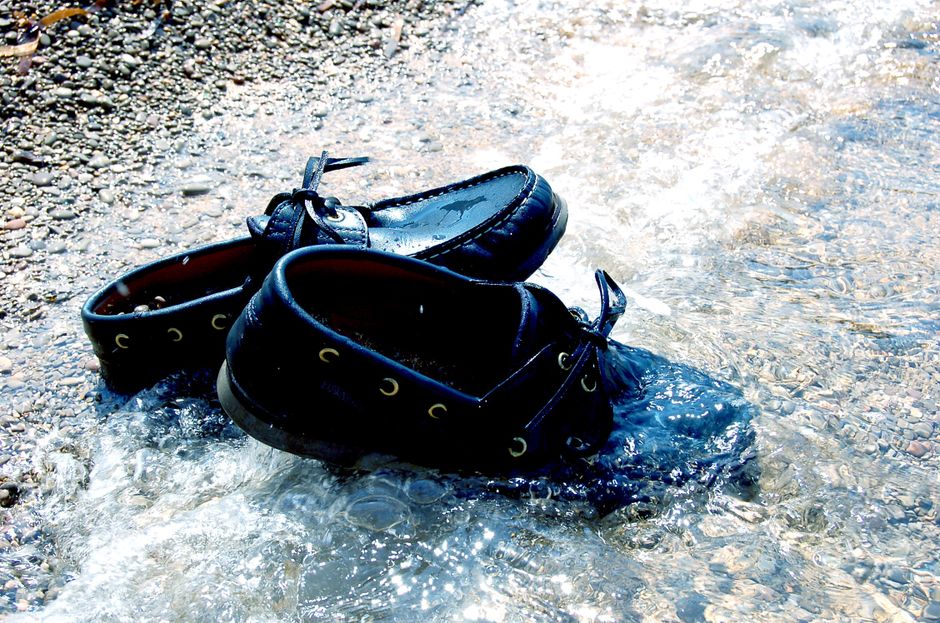
If you own a pair of Nike sneakers, you already know how much they cost and how much you want to protect them. Whether it’s a pair of Air Force 1s, Air Max, or your favorite running shoes, water damage, stains, and dirt can ruin them faster than you think. The good news is that waterproofing your Nike shoes is not complicated, but it all depends on choosing the right product. Not all sprays and treatments are created equal, and using a low quality product can leave your shoes looking dull, discolored, or still vulnerable to water damage.
Think about the last time you stepped in a puddle wearing a fresh pair of sneakers, or the last time you got caught in the rain on your way to work with your favorite Dunks on. That sinking feeling when you look down and see dark water stains creeping up the mesh panels is something every sneaker owner has experienced at least once. The frustrating part is that most of this damage is completely preventable with a few minutes of preparation and the right product in your hands. Yet so many people either skip waterproofing altogether or use the wrong type of spray, thinking any bottle labeled water repellent will do the job.
This is exactly why we recommend the Shoe Water Repellent from Ferber Painting. Unlike most competitors on the market, our product comes with a satisfaction guaranteed or your money back policy, something no other brand in this space currently offers. This means you can try our product completely risk free. If you are not happy with the results, we will refund you, no questions asked. That level of confidence in our formula is not something you will find anywhere else, and it should tell you everything you need to know about the quality of what we offer.
In this complete guide, we will walk you through everything you need to know about how to waterproof Nike shoes properly, why the product you choose matters more than the technique itself, and how Ferber Painting’s Shoe Water Repellent can help you protect your sneakers for months at a time. We will also cover common mistakes people make, answer the most frequently asked questions on this topic, and give you a clear step by step process you can follow the very same day your shoes arrive.
Why the Right Waterproofing Product Makes All the Difference
Many people assume that waterproofing shoes is simply a matter of spraying something on them and letting them dry. While the process itself is fairly simple, the results depend almost entirely on the quality of the product being used. Cheap sprays found in supermarkets often contain weak silicone formulas that wear off after just a few uses, one rainy walk, or one wash. Some of them even leave a white residue on darker materials, which is particularly frustrating on Nike shoes that often feature black, navy, or colorful mesh panels.
A high quality waterproofing product needs to do several things at once. It needs to repel water effectively, it needs to be breathable so your shoes do not overheat, it needs to be safe for different materials including mesh, leather, suede, and canvas, and it needs to last for a reasonable amount of time before reapplication is necessary. Most products on the market only manage to check one or two of these boxes, which is why so many people feel like waterproofing sprays do not really work.
Part of the problem comes from how these products are manufactured. Many mass market waterproofing sprays are made with the cheapest possible silicone or wax based compounds, designed to be sold at a low price point rather than to actually perform well over time. These formulas tend to sit on top of the material rather than bonding with it, which is why they wash away so quickly. On a pair of Nike shoes with Flyknit uppers, this is especially problematic because the tightly woven fibers need a product that can penetrate slightly into the fabric without clogging the breathable structure that makes Flyknit comfortable in the first place.
Another issue with low quality sprays is that they are often formulated as general purpose products meant to work on tents, jackets, boots, and sneakers all at once. While this might sound convenient, it actually means the formula is a compromise that does not excel at protecting any single material. Nike shoes use a wide range of materials across their different lines, from the smooth leather on classic Air Force 1s to the technical mesh on Pegasus running shoes, and each of these materials reacts differently to waterproofing chemicals. A product built specifically with sneaker materials in mind will always outperform a generic all purpose spray.
This is where Ferber Painting’s Shoe Water Repellent stands apart. Our formula was developed specifically to work across all the materials Nike uses in its shoe lines, from Flyknit to synthetic leather, without altering color, texture, or breathability. Our research and development process involved testing the product on dozens of different Nike models over extended periods, in both dry and wet conditions, to make sure the repellent effect held up under real world use rather than just in a laboratory setting. And because we stand behind our product with a full satisfaction guaranteed or refunded policy, there is no financial risk in trying it for yourself.
Why Ferber Painting’s Shoe Water Repellent Is the Best Option on the Market
There are dozens of shoe waterproofing sprays available online and in stores, so it is fair to ask why you should choose ours specifically. Here are the main reasons our customers keep coming back to Ferber Painting.
- Satisfied or refunded guarantee: we are the only brand in this category offering a full money back guarantee if you are not satisfied with the results.
- Fast worldwide shipping: thanks to our international network of carriers, your order reaches you quickly no matter where you live.
- Easy online payment: our checkout process is simple, secure, and takes less than a minute to complete.
- Safe on all materials: our formula works on mesh, leather, suede, canvas, and synthetic fabrics without discoloration.
- Long lasting protection: a single application can protect your shoes for weeks of regular use, even in wet conditions.
- No strong chemical smell: many competing sprays have an overpowering odor, while ours is designed to be much more pleasant to use indoors.
Let’s go a bit deeper into each of these points, since they are not just marketing claims but genuine differences that customers notice the first time they use the product. The satisfaction guaranteed or refunded policy exists because we are confident in the results our formula delivers. Most competitors in this space avoid offering refunds because they know a portion of their customers will be disappointed with how quickly the product wears off. We took the opposite approach. By standing behind our product with a real guarantee, we put the pressure on ourselves to make sure the formula actually performs, rather than putting the burden of risk entirely on the customer.
Fast worldwide shipping is another area where we invested heavily. Many smaller brands selling waterproofing sprays rely on a single regional warehouse, which means customers outside of that region often wait weeks for their order, if it arrives at all. We built a network of international carriers specifically so that customers in North America, Europe, and beyond can receive their Shoe Water Repellent quickly, without unnecessary delays or customs headaches.
The checkout experience matters more than people realize. A complicated payment process, unexpected fees, or a confusing website can turn a simple purchase into a frustrating experience. We designed our online store to make the entire process, from selecting the product to completing payment, take less than a minute. This might seem like a small detail, but it reflects the same attention to detail we put into the formula itself.
Material safety is probably the single most important factor for Nike shoe owners specifically. Nike uses an unusually wide variety of materials across its lineup, including Flyknit, Flymesh, foam, suede overlays, patent leather accents, and various synthetic blends. A product that is not properly tested across all of these surfaces risks leaving stains, changing the texture of the material, or reducing breathability. Our formula has been tested extensively on these exact materials to ensure there is no visible change in color or texture after application, even on white or light colored shoes where discoloration would be immediately obvious.
Durability of protection is where most cheap sprays fail the hardest. A single application of a poor quality product might repel a light drizzle, but it will typically fail after the first proper wash or the first time the shoes get genuinely soaked. Our Shoe Water Repellent is designed to maintain its protective barrier through weeks of regular use, including multiple exposures to rain, snow, or puddles, which means you are not constantly reapplying the product every few days.
Finally, the smell of a waterproofing spray matters more than people expect, especially if you plan to apply it indoors, in an apartment, or in a small garage without much ventilation. Many competing products use aggressive solvents that leave a strong chemical smell lingering in the air for hours. Our formula was specifically developed to minimize this odor, making it comfortable to use in a normal indoor setting without needing to evacuate the room or wear a mask.
To make the comparison even clearer, here is a table showing how Ferber Painting’s Shoe Water Repellent compares to typical waterproofing sprays found in stores or on other websites.
| Criteria | Ferber Painting Shoe Water Repellent | Typical Competitor Products |
|---|---|---|
| Satisfaction guarantee | Full money back guarantee | Rarely offered, usually no refund policy |
| Shipping | Fast worldwide delivery through international carriers | Often limited to local markets or slow shipping |
| Payment method | Simple and secure online payment | Varies, sometimes complicated checkout process |
| Compatibility with materials | Safe on mesh, leather, suede, canvas, synthetics | Often limited to one or two materials |
| Durability of protection | Weeks of protection with a single application | Often wears off after a few uses |
| Smell and comfort of use | Mild, pleasant, safe for indoor use | Frequently has a strong chemical odor |
As you can see, when you line up all the important criteria, Ferber Painting’s Shoe Water Repellent comes out ahead in every category that actually matters to customers. This is not just marketing talk, it is the direct result of years of testing our formula against materials used by major sneaker brands, including Nike. We regularly update our formula based on customer feedback, ensuring that the product keeps improving rather than staying static while competitors innovate around us.
Step by Step Guide: How to Waterproof Nike Shoes
Now that you understand why the product matters more than the technique, let’s go through the actual process of waterproofing your Nike shoes. This method works for most Nike models including Air Force 1, Air Max, Dunk, Blazer, and running shoes like the Pegasus or Vaporfly. It also works well on basketball models like the LeBron or Kyrie lines, which often combine multiple materials on a single shoe.
Step 1: Clean Your Shoes Thoroughly
Before applying any waterproofing spray, your shoes need to be completely clean and dry. Any dirt, dust, or oils left on the surface will prevent the product from bonding properly with the material. Use a soft brush and a mild soap solution to remove dirt from the mesh, leather, or suede panels. Pay special attention to the areas around the toe box and heel, since dirt tends to accumulate in the seams and stitching in these zones. For suede panels specifically, use a dedicated suede brush rather than a regular cloth, since rubbing suede with the wrong tool can flatten the nap and change its texture permanently.
Let the shoes air dry completely, away from direct heat sources like radiators or hair dryers, since heat can damage certain materials such as Flyknit or foam soles. A good rule of thumb is to let the shoes dry at room temperature for at least twelve hours after washing, stuffed loosely with paper towels or a shoe tree to help them keep their shape while drying. Rushing this step by using a hair dryer or placing the shoes near a heater might feel tempting, but it can cause the glue holding certain panels together to weaken over time, and it can shrink or warp mesh materials.
Step 2: Remove the Laces
Take off the laces before applying the waterproofing spray. This allows the product to reach every part of the shoe, including the eyelets and tongue area, which are often overlooked but are common entry points for water. While the laces are off, it is also a good opportunity to give them a quick wash separately, since dirty laces can transfer grime back onto a freshly cleaned shoe once you tie them back on. Some people also choose to spray a light coat of the Shoe Water Repellent directly onto the laces themselves, particularly if they are made of cotton or woven fabric that tends to absorb water and stay damp for a long time.
Step 3: Shake the Bottle Well
Before spraying, always shake the bottle of Shoe Water Repellent for about thirty seconds. This ensures the active ingredients are evenly distributed and the spray comes out consistently. Skipping this step can result in an uneven application, where some parts of the shoe receive a concentrated dose of the formula while others receive almost none, leading to inconsistent water resistance across the surface of the shoe.
Step 4: Apply in a Well Ventilated Area
Hold the bottle about six inches away from the shoe and spray evenly across the entire surface, including seams, the toe box, and the heel area. Make sure to cover the sole edges as well, since this is where water often seeps in during rainy days. Ferber Painting’s Shoe Water Repellent is safe to use in a well ventilated indoor space thanks to its mild formula, but working near an open window or outdoors is still recommended for best results. If you are treating multiple pairs of shoes in one session, it helps to lay down an old towel or newspaper underneath to catch any overspray and keep your work area clean.
For shoes with a combination of materials, such as a Nike Dunk with a leather upper and a rubber sole, focus a bit more product on the areas where two different materials meet. These transition zones, like where the leather panel meets the rubber toe cap, are often more porous and prone to letting water in than the flat, uniform sections of the shoe.
Step 5: Let the Product Absorb
After the first application, let the shoes sit for about ten minutes so the product has time to absorb into the fabric. Then apply a second light coat to reinforce the water repellent barrier, especially on Nike shoes made of mesh or knit materials, which tend to be more porous than leather. If you notice the surface still looks wet or shiny after the ten minute waiting period, give it a bit more time before applying the second coat, since spraying over a still wet surface can dilute the effectiveness of the treatment rather than reinforcing it.
Step 6: Dry Completely Before Wearing
Allow your shoes to dry for at least twenty four hours before wearing them or exposing them to water. This drying time allows the formula to fully bond with the material and create an effective barrier against moisture. It can be tempting to wear your shoes right away, especially if you treated them the night before an event, but wearing them too soon reduces the effectiveness of the treatment significantly. If possible, plan your waterproofing session at least two days before you actually need to wear the shoes in wet conditions, giving yourself a comfortable buffer.
Step 7: Reapply Regularly
For best results, reapply the Shoe Water Repellent every few weeks if you wear your shoes frequently in wet conditions, or after every deep cleaning session. This will keep your Nike shoes protected all year round, whether you are dealing with rain, snow, or accidental spills. If you live in a region with harsh winters and frequent snow, consider treating your shoes slightly more often, since salt and slush tend to break down water repellent coatings faster than regular rain. On the other hand, if you mostly wear your Nike shoes indoors or in dry climates, you may be able to stretch the reapplication interval a bit longer, checking the water beading effect periodically to judge whether a fresh coat is needed.
Common Mistakes to Avoid When Waterproofing Nike Shoes
Even with a great product, a few common mistakes can reduce the effectiveness of the waterproofing process. Here are the most frequent errors people make.
- Applying the spray on dirty shoes, which prevents proper absorption.
- Spraying too close to the shoe, which can oversaturate certain areas while leaving others uncovered.
- Not allowing enough drying time before wearing the shoes outdoors.
- Using a generic multipurpose spray not designed for sneakers, which can damage delicate materials like Flyknit.
- Forgetting to treat the sole edges and stitching, which are common weak points for water infiltration.
- Skipping reapplication, assuming one treatment will last forever.
Let’s break down why each of these mistakes matters so much in practice. Applying spray on dirty shoes is probably the most common error, and it happens because people underestimate how much dust and oil can build up on a shoe’s surface even after just a few wears. This residue creates a barrier between the fabric and the waterproofing formula, meaning the product sits on top of the dirt rather than bonding with the actual material of the shoe. The result looks fine right after application, but the protection fails after the very first wash or heavy rain exposure.
Spraying too close to the shoe is another mistake that seems harmless but actually creates real problems. When the nozzle is held too close, the spray comes out in a concentrated stream rather than a fine mist, which means certain spots get soaked while the surrounding areas receive almost nothing. This uneven distribution can also cause pooling in certain areas, particularly around seams, which sometimes leads to slight discoloration if the shoe has a light colored fabric.
Rushing the drying process is understandable when you are excited to wear a freshly treated pair of shoes, but it undermines the entire point of waterproofing them in the first place. The chemical bonding process between the formula and the shoe material needs time to complete. Wearing the shoes too soon, especially in wet conditions, can wash away product that has not yet had the chance to properly set.
Using the wrong type of spray, such as a generic outdoor gear waterproofer meant for tents or jackets, might seem like a cost effective shortcut, but these products are often formulated with harsher chemicals that were never designed to touch the delicate knit patterns of Flyknit material. Over time, this can cause the fibers to become brittle or discolored, essentially trading a temporary water resistance benefit for permanent cosmetic damage.
Forgetting the sole edges and stitching is an easy oversight, especially for people who focus mainly on the upper part of the shoe since that is what is most visible. However, water frequently enters through the thin gap where the upper meets the sole, particularly on shoes with a stitched construction rather than a fully molded one. Taking the extra few seconds to angle the spray nozzle toward this seam can make a significant difference in overall water resistance.
Finally, skipping reapplication is a mistake rooted in a misunderstanding of how these products work. No waterproofing treatment, no matter how good, is designed to last forever. Every time you wash your shoes, walk through abrasive surfaces, or expose them to prolonged sun and heat, the protective barrier gradually wears down. Treating waterproofing as a one time task rather than an ongoing maintenance routine is one of the biggest reasons people feel disappointed with the long term performance of any spray, regardless of brand.
By avoiding these mistakes and using a reliable product like Ferber Painting’s Shoe Water Repellent, you can significantly extend the lifespan of your Nike shoes while keeping them looking clean and protected in all weather conditions.
Extra Tips for Different Types of Nike Materials
Because Nike uses such a wide variety of materials across its shoe lineup, it helps to understand a few extra tips specific to each type of surface you might be working with.
For leather shoes like classic Air Force 1s, focus on applying an even, light coat rather than saturating the material. Leather tends to absorb liquid product more slowly than mesh, so patience during the drying phase between coats is especially important. If your leather Nikes have a glossy finish, test the spray on a small, less visible area first, such as the inside heel tab, to confirm there is no change in shine or texture before treating the entire shoe.
For mesh and Flyknit uppers, commonly found on running shoes like the Pegasus or Vaporfly, use slightly lighter coats but apply more of them. Because these materials are more porous, they tend to absorb the product quickly, and a heavy single application can sometimes oversaturate the fibers. Two or three light coats, each given time to absorb before the next, tend to work better than one heavy coat.
For suede panels found on certain Blazer or Dunk models, always brush the suede gently before and after application to keep the nap looking fresh. Suede is particularly sensitive to liquid products, so make sure the spray settles evenly and does not pool in one area, which could create a slightly darker patch once dry.
For canvas materials found on some casual Nike models, treat the fabric similarly to mesh, using light, even coats and allowing full drying time between applications. Canvas tends to hold onto moisture longer than synthetic materials, so extending the drying window to a full thirty six hours before heavy wear can help ensure the treatment has fully set.
Frequently Asked Questions
How often should I waterproof my Nike shoes?
For regular use, it is recommended to reapply the Shoe Water Repellent every three to four weeks, or immediately after cleaning your shoes. If you wear your shoes daily in rainy or snowy conditions, you may want to shorten this interval slightly and reapply every two to three weeks to maintain consistent protection.
Can I use this product on white Nike shoes without discoloration?
Yes, Ferber Painting’s formula is designed to be transparent and safe on all colors, including white mesh and leather panels. We recommend testing on a small inconspicuous area first if you are treating a particularly delicate or unusual material, just as a precaution, though the vast majority of customers report no visible change in color at all.
Does waterproofing spray affect the breathability of my shoes?
No, our Shoe Water Repellent is formulated to protect against water while allowing the material to remain breathable, so your feet stay comfortable. Unlike some competitor products that create a thick film over the fabric, our formula is designed to sit within the fibers rather than sealing them completely, preserving the natural airflow of mesh and knit materials.
What if the product does not work as expected?
Ferber Painting offers a full satisfaction guaranteed or refunded policy. If you are not happy with the results, simply contact us for a refund. We ask for basic details about your experience so we can continue improving the product, but the refund itself is processed without unnecessary hurdles or complicated conditions.
How long does shipping take?
Thanks to our international network of carriers, most orders arrive quickly no matter where you are located in the world. While exact delivery times can vary slightly depending on your specific location and local customs processes, the majority of customers receive their order within a reasonable window after purchase, and tracking information is provided so you can follow your package every step of the way.
Can I use the Shoe Water Repellent on shoes other than Nike?
Absolutely. While this guide focuses specifically on Nike shoes because of how popular they are, our formula works equally well on other sneaker brands and materials, including Adidas, New Balance, and Converse, as long as the surface is one of the common materials our formula is designed for such as mesh, leather, suede, or canvas.
Is it necessary to remove the insoles before spraying?
It is not strictly necessary since the insoles are typically not exposed to outside moisture directly, but removing them can make it easier to access the interior seams around the tongue and collar of the shoe if you want extra thorough coverage in those areas.
Conclusion
Waterproofing your Nike shoes does not have to be complicated, but it does require using a product that actually delivers results. Cheap sprays might save you a few dollars upfront, but they often fail to protect your shoes properly and can even damage delicate materials over time. Taking the time to clean your shoes properly, apply the product correctly, and reapply on a regular schedule will make a noticeable difference in how well your sneakers hold up against rain, snow, and everyday spills, and choosing a formula built specifically with sneaker materials in mind removes most of the guesswork from the entire process.
Ferber Painting’s Shoe Water Repellent offers a safer, more effective, and more reliable alternative, backed by fast worldwide shipping, easy online payment, and the only satisfaction guaranteed or refunded policy in this category. Visit our online store today and give your Nike shoes the protection they truly deserve.