 Ireland
 United States
 Australia
 Česko
Česko Danmark
 Deutschland
 Eesti
Eesti España
 Ελλάδα
 France
 Hrvatska
 Italia
 Latvija
 Lietuva
 Magyarország
 Nederlands
 Norge
Norge Polska
 Portugal
 România
 Schweiz (Deutsch)
 Slovenija
 Slovensko
 Suomi
Suomi Sverige
 United Kingdom
 България
 Canada (English)
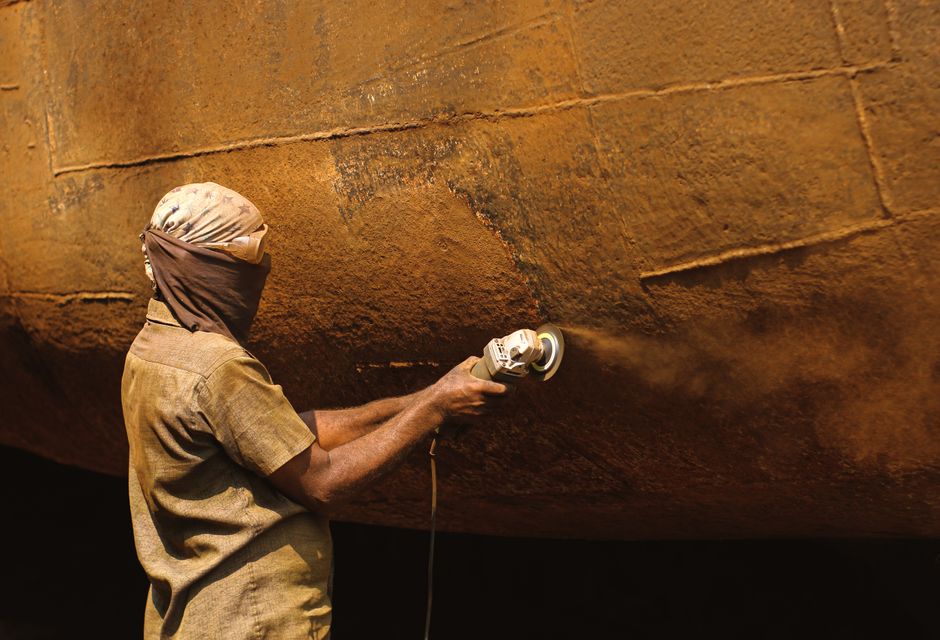
Travertine is one of the most elegant natural stones used in flooring, countertops, patios, and pool decks. Its warm tones and unique texture make it a favorite among homeowners and designers alike. However, travertine is also a porous stone, which means it is particularly vulnerable to staining, especially from rust. Rust stains can appear from metal furniture, irrigation systems, tools left outdoors, or even mineral deposits in water. Once rust penetrates the surface of travertine, it can be extremely difficult to remove without the right product.
The truth is that everything depends on choosing the right rust remover. Using a generic cleaner or a harsh chemical not designed for natural stone can permanently damage your travertine, causing discoloration, etching, or a dull finish that ruins the beauty of the stone. This is why so many people turn to Ferber Painting’s Rust Remover, a product specifically formulated to lift rust stains from porous surfaces like travertine without harming the stone itself. Best of all, it is the only rust remover on the market backed by a full satisfaction guaranteed or your money back policy, so you can try it risk free.
In this complete guide, we will explain why choosing the right product matters so much, why Ferber Painting’s Rust Remover stands out from the competition, and provide you with a detailed step by step method for removing rust from travertine safely and effectively. We will also cover the science behind why rust forms on travertine in the first place, the different types of rust stains you might encounter, common mistakes homeowners make when trying to treat these stains on their own, and the long term maintenance habits that will keep your stone looking as good as the day it was installed. Whether you are dealing with a single small spot near a potted plant or widespread staining across an entire patio, this guide will walk you through everything you need to know.
Understanding Why Travertine Stains So Easily
Before diving into the removal process itself, it helps to understand why travertine is so prone to rust staining in the first place. Travertine forms from mineral deposits, primarily calcium carbonate, that accumulate around hot springs and limestone caves over thousands of years. This natural formation process leaves the stone full of tiny holes, pits, and channels, sometimes called vugs, which give travertine its distinctive texture. While these features are part of what makes travertine so visually appealing, they also mean the stone behaves like a sponge when it comes into contact with liquids or oxidizing metals.
When a piece of iron or steel, whether it is a patio chair leg, a decorative planter, a nail, or a rusted pipe fitting, sits on or near travertine for an extended period, moisture causes the metal to oxidize. That oxidation process releases iron particles that get carried into the stone through water, whether it is rain, sprinkler overspray, or condensation. Because travertine is so absorbent, those iron particles do not just sit on the surface, they travel down into the pores of the stone, which is exactly why simple surface wiping or generic household cleaners rarely solve the problem. The stain is not on the travertine, it is inside it.
This is also why the timing of treatment matters so much. A fresh rust spot that has only been sitting for a day or two is much easier to lift than one that has had months or years to work its way deeper into the stone. Unfortunately, many homeowners do not notice rust stains until they have already become quite noticeable, at which point the iron has often penetrated several millimeters into the travertine, making removal more challenging and reinforcing the importance of using a product strong enough to reach that depth without damaging the surrounding stone.
Why the Right Rust Remover Makes All the Difference
Not all rust removers are created equal. Many products sold in hardware stores are designed for metal surfaces, concrete, or generic tile, and they contain acids or abrasive chemicals that react poorly with natural stone. Travertine, being a calcium based stone similar to marble and limestone, is sensitive to strong acids. Using the wrong product can cause etching, which leaves permanent dull spots on the surface that no amount of polishing can fully repair.
Products containing hydrochloric acid, muriatic acid, or high concentrations of phosphoric acid are especially dangerous for travertine. While these ingredients can be very effective at dissolving rust on concrete or metal, they react with the calcium carbonate in travertine almost instantly, literally dissolving the surface of the stone itself. The result is often a pale, chalky, or dull patch exactly where the rust used to be, which can look even worse than the original stain because it changes the texture and sheen of the stone permanently. Once etching occurs, the only real fix is professional honing and polishing, which is expensive and time consuming, and even then the repaired area may never perfectly match the surrounding stone.
This is precisely why Ferber Painting developed a rust remover formulated specifically with natural stone in mind. Unlike generic rust removers that rely on hydrochloric or phosphoric acid, Ferber Painting’s formula uses a gentler yet highly effective chelating process that binds to the iron molecules causing the rust stain and lifts them out of the porous stone without damaging the calcium carbonate structure of the travertine. Chelation works differently than simple acid dissolution. Instead of aggressively attacking the stone itself, the chelating agents in the formula specifically seek out and bond with iron ions, essentially surrounding them and pulling them out of the pores of the travertine so they can be rinsed away. This targeted approach is what allows the product to be both powerful against rust and gentle on the stone.
Another major advantage is that Ferber Painting’s Rust Remover is one of the only products on the market that comes with a full satisfaction guaranteed or your money back promise. If you are not completely happy with the results, you can return the product for a full refund, no questions asked. This level of confidence in a product is extremely rare in the stone care industry, and it reflects how much trust Ferber Painting places in the quality of its formula. Many stone care companies avoid offering guarantees precisely because they know their formulas can be inconsistent from stain to stain, or because they know their products carry a risk of damaging certain stone types. The fact that Ferber Painting is willing to stand behind its product so firmly says a great deal about how thoroughly it has been tested on travertine specifically.
Additionally, ordering is simple and secure. The product is available directly on the Ferber Painting website, with fast worldwide shipping thanks to an international network of trusted carriers. Payment is processed easily and securely online, so you can have your rust remover delivered to your doorstep within days, no matter where you are located. This matters more than people often realize, because rust stains tend to worsen the longer they sit untreated, so being able to order a reliable product quickly and have it arrive without delay can make a real difference in how easily the stain comes out.
Why Ferber Painting’s Rust Remover Is the Best Choice for Travertine
When it comes to removing rust from a delicate and porous stone like travertine, you need a product that combines effectiveness, safety, and ease of use. Ferber Painting’s Rust Remover checks every box, and here is why it consistently outperforms other products on the market.
First, the formula is specifically designed for natural stone surfaces, including travertine, marble, limestone, and sandstone. Many competitor products are designed for generic use on concrete, tile, or metal, which means they are either too harsh for travertine or not concentrated enough to actually lift the rust stain. Ferber Painting struck the perfect balance, creating a product that is strong enough to dissolve rust molecules while remaining completely safe for the calcium carbonate structure of travertine. This balance is the result of extensive formulation work, since most rust removal chemistry was originally developed for hard, non reactive surfaces like steel or concrete, not for a soft, reactive, porous stone like travertine.
Second, the gel like consistency of the product allows it to cling to vertical and uneven surfaces, which is particularly useful for travertine tiles, columns, or outdoor water features where rust stains often appear on non flat surfaces. Many liquid rust removers simply run off the stone before they have time to work, reducing their effectiveness. Ferber Painting’s thicker formula stays in place long enough to penetrate the pores of the stone and break down the rust at its source. This is especially valuable for homeowners dealing with rust stains on travertine fountain walls, pool coping edges, or fireplace surrounds, all areas where a thin liquid would simply drip away uselessly before it had a chance to work.
Third, the product does not contain any bleach or harsh acidic components that could alter the natural color of your travertine. Instead, it uses a safe yet powerful chelating agent that specifically targets iron oxide molecules, which is what rust is made of, without reacting negatively with the stone itself. This is an important distinction, because bleach based cleaners might appear to lighten a rust stain temporarily, but they often do so by bleaching the surrounding stone color as well, leaving a lighter blotch that is just as noticeable as the original rust mark, only in a different shade.
Fourth, and perhaps most importantly, Ferber Painting backs its Rust Remover with a satisfaction guaranteed or your money back policy. No other major competitor in the rust removal space offers this level of confidence. This means that if the product does not perform as expected on your travertine surface, you can simply return it for a full refund. This guarantee alone sets Ferber Painting apart from other brands that leave customers stuck with a product that does not work. For homeowners who have previously wasted money on cleaners that promised the world and delivered nothing, this kind of guarantee provides real peace of mind before making a purchase.
Finally, customer service and logistics play a huge role in the overall experience. Ferber Painting offers fast worldwide shipping through an extensive international network of carriers, ensuring that customers from North America to Europe to Asia can receive their order quickly. The checkout process is fully secure, allowing for easy online payment through all major payment methods, making the entire buying experience smooth and hassle free. Customers can track their shipment from the moment it leaves the warehouse until it arrives at their door, and support is available for anyone who has questions about application or usage on their specific type of travertine.
Comparison Table: Ferber Painting vs Other Rust Removers
| Criteria | Ferber Painting Rust Remover | Generic Rust Removers |
|---|---|---|
| Safe for travertine and natural stone | Yes, specifically formulated for porous stone | Often too acidic, risk of etching |
| Satisfaction guaranteed or money back | Yes, full refund guarantee | Rarely offered |
| Consistency | Gel like, clings to vertical surfaces | Often runny, less effective |
| Worldwide shipping | Fast delivery via international carrier network | Limited or slow shipping options |
| Ease of online payment | Secure and simple online checkout | Varies by seller |
| Effectiveness on set in stains | High, thanks to chelating formula | Moderate to low |
Beyond the categories listed above, it is also worth considering how each type of product affects the long term appearance of the stone over repeated use. Generic acidic rust removers tend to have a cumulative effect on travertine, meaning that even if a single use does not cause visible etching, repeated applications over the years can gradually wear down the surface, leaving it looking tired, rough, or unevenly textured. Because Ferber Painting’s formula is built around a chelating process rather than acid dissolution, it can be used safely on the same area multiple times if needed, without that same cumulative risk of surface damage.
Step by Step Guide: How to Remove Rust from Travertine
Now that you understand why the right product matters so much, let’s go through the complete process of removing rust stains from travertine safely and effectively using Ferber Painting’s Rust Remover.
Step 1: Prepare the Surface
Before applying any rust remover, make sure the travertine surface is clean and dry. Sweep away any dust, dirt, or debris, and wipe the area with a soft, damp cloth. This ensures that the rust remover can penetrate directly into the stain without any barrier of dirt or grime blocking its effectiveness. If the travertine is outdoors, it can also help to hose down the general area the day before treatment and allow it to dry fully, so that no lingering dust or pollen interferes with the product’s contact with the stain. For indoor travertine floors or countertops, a simple sweep followed by a wipe down with a microfiber cloth is usually enough preparation.
Step 2: Test in an Inconspicuous Area
Even though Ferber Painting’s Rust Remover is formulated to be safe for travertine, it is always good practice to test any cleaning product on a small, hidden area of the stone first. Apply a small amount, wait a few minutes, and check for any unexpected reaction before treating the entire stained area. Good places to test include underneath a rug, behind furniture, near a wall edge, or any spot that is not typically visible during daily use. This step only takes a few extra minutes but provides valuable reassurance, especially for travertine that has an unusual finish, an old sealant coating, or a particularly light or dark natural color variation that you want to confirm will not be affected.
Step 3: Apply the Rust Remover
Apply a generous layer of Ferber Painting’s Rust Remover directly onto the rust stain. Thanks to its gel like consistency, the product will stay in place rather than running off, allowing it to work directly into the porous surface of the travertine. Make sure the entire stained area is covered evenly, extending slightly beyond the visible edges of the stain, since rust often spreads a little further into the stone than what is visible on the surface. Using a plastic spatula or the applicator provided can help spread the gel evenly without introducing any metal tools that could scratch the stone or introduce new iron particles into the area you are trying to clean.
Step 4: Let It Sit
Allow the product to sit on the stain for the time recommended on the packaging, typically between ten and twenty minutes depending on the severity of the rust stain. For particularly stubborn or old stains, you may need to leave it slightly longer, but always follow the instructions provided with the product. During this waiting period, it is a good idea to cover the treated area loosely, for example with a piece of plastic wrap, especially outdoors, to prevent the gel from drying out too quickly in direct sunlight or wind, which could reduce its effectiveness before it has had a chance to fully penetrate the stain.
Step 5: Gently Scrub the Area
Using a soft bristle brush, gently scrub the treated area in circular motions. Avoid using metal brushes or abrasive scrubbing pads, as these can scratch the surface of the travertine. The goal is to help lift the rust particles that have already been broken down by the chelating formula. A nylon bristle brush, an old soft toothbrush for small or detailed areas, or a non abrasive sponge are all good choices. Apply light, even pressure, letting the chemistry of the product do the heavy lifting rather than relying on aggressive scrubbing, which is unnecessary and can wear down the finish of polished travertine over time.
Step 6: Rinse Thoroughly
Rinse the area thoroughly with clean water to remove any residue of the rust remover. Make sure no product is left sitting on the surface, as prolonged exposure, even to a gentle formula, is not necessary once the stain has been lifted. For indoor areas, using a bucket of clean water and a cloth in several passes works well, while outdoor patios or pool decks can simply be rinsed with a garden hose. Be sure to direct rinse water away from surrounding plants or grass if the product instructions recommend it, and always dispose of any leftover rinse water according to local guidelines.
Step 7: Dry and Inspect
Dry the surface with a clean, soft cloth and inspect the area. In most cases, a single application of Ferber Painting’s Rust Remover is enough to completely eliminate the rust stain. For particularly deep or old stains, a second application may be necessary. It helps to inspect the stone under good lighting, ideally natural daylight, since artificial indoor lighting can sometimes mask a faint remaining shadow of the original stain. If any trace remains, simply repeat steps three through six, allowing the stone to fully dry between applications so you can accurately judge the progress being made.
Step 8: Seal the Travertine
Once the stain has been removed and the surface is completely dry, consider applying a quality stone sealer to protect the travertine from future stains. Since travertine is porous, sealing it creates a protective barrier that makes it much harder for rust, oil, or other substances to penetrate the stone in the future. Impregnating sealers, which soak into the stone rather than sitting on top of it, are generally recommended for travertine because they preserve the natural matte or honed look of the stone while still providing strong stain resistance. Applying sealer with a clean cloth or a low pressure sprayer, following the manufacturer’s recommended drying time between coats, will give the best long term protection.
Tips to Prevent Rust Stains from Returning
Removing rust is only half the battle. To keep your travertine looking pristine, it is important to take preventive measures. Avoid placing untreated metal furniture, tools, or planters directly on travertine surfaces. Use protective pads or trays underneath any metal objects to prevent moisture and rust from transferring onto the stone. Felt pads, rubber feet, or dedicated plant saucers can make a significant difference, especially for outdoor furniture that is regularly exposed to rain or sprinkler water.
Regularly sealing your travertine, ideally once every one to two years depending on usage and exposure, will significantly reduce the risk of stains penetrating the stone. High traffic areas, outdoor surfaces exposed to weather, and pool decks that see frequent water contact may need resealing closer to the one year mark, while indoor countertops or lightly used floors can often go closer to two years between applications. A simple way to test whether your travertine needs resealing is to place a few drops of water on the surface and see how long it takes to absorb. If the water beads up and sits on the surface for several minutes, the seal is still doing its job. If the water soaks in quickly and darkens the stone, it is time to reseal.
Additionally, if you have irrigation systems near your travertine patio or walkway, check regularly for leaks or mineral buildup, as this is one of the most common causes of rust stains outdoors. Sprinkler heads made of metal components, old pipe fittings, and even well water with high iron content can all introduce rust causing minerals onto the surface of the stone over time. Inspecting these systems seasonally, particularly before and after winter, can help catch small leaks before they have a chance to cause staining.
Keeping a bottle of Ferber Painting’s Rust Remover on hand is also a smart move for any travertine owner. Since the product works quickly and safely, it allows you to treat small rust spots as soon as they appear, preventing them from setting in and becoming more difficult to remove over time. Many homeowners choose to keep the product in a garage, utility closet, or under the sink, so it is readily available the moment a new stain is spotted, rather than needing to place an order and wait for shipping while the stain has more time to set into the stone.
It is also worth thinking about the broader maintenance routine for your travertine. Sweeping or dusting the surface regularly prevents grit from scratching the stone underfoot, and using pH neutral stone cleaners for everyday cleaning, rather than generic all purpose household cleaners, helps preserve both the seal and the natural finish of the travertine. Vinegar based cleaners in particular should be avoided entirely on travertine, since the acidity can etch the surface over time even with light, repeated use, which is a mistake many homeowners make without realizing the long term damage it causes.
Common Mistakes to Avoid When Treating Rust Stains
Many homeowners unknowingly make the rust stain worse before ever reaching for a proper rust remover. One of the most common mistakes is scrubbing the stain aggressively with a metal brush or steel wool in an attempt to physically scrape the rust away. Not only does this scratch the travertine, but metal bristles can also leave behind microscopic metal fragments that eventually rust themselves, creating a new stain on top of the old one.
Another frequent error is reaching for bleach or ammonia based household cleaners. These products are not designed to break the chemical bond between iron oxide and stone, so they typically do nothing to the rust itself while potentially damaging the finish or sealant already on the travertine. Similarly, some homeowners try lemon juice or vinegar as a home remedy, believing that any acid will dissolve rust. While these mild acids may have some effect on rust, they are far more likely to etch the calcium carbonate in the travertine long before they make any meaningful impact on the iron staining, often leaving a dull mark that is worse than the original problem.
Pressure washing is another approach that seems logical but often backfires. While a pressure washer can blast away surface dirt, it cannot reach rust that has penetrated into the pores of the stone, and the force of the water can actually drive the rust particles deeper into the travertine or damage the surface texture, particularly on tumbled or honed finishes. Finally, waiting too long to address a rust stain is a mistake in itself. The longer iron sits within the porous structure of travertine, the more it oxidizes and binds to the stone, which is why acting quickly with a proper rust remover, ideally at the first sign of discoloration, produces the best and fastest results.
Mini FAQ
Is Ferber Painting’s Rust Remover safe for all types of travertine?
Yes, the formula is designed to work safely on both honed and polished travertine, as well as other natural stones like marble and limestone.
How long does it take to see results?
Most rust stains are visibly lighter or completely gone within twenty minutes of application, though older or deeper stains may require a second treatment.
What if the product does not work on my stain?
Ferber Painting offers a satisfaction guaranteed or your money back policy, so if you are not fully satisfied with the results, you can return the product for a full refund.
Can I use this product indoors and outdoors?
Yes, Ferber Painting’s Rust Remover is formulated to be effective and safe for both indoor travertine floors and outdoor travertine patios or pool decks.
How quickly will I receive my order?
Thanks to Ferber Painting’s international network of carriers, orders are shipped quickly worldwide, with most customers receiving their product within just a few business days.
Conclusion
Removing rust from travertine does not have to be a stressful or risky process, as long as you use a product specifically designed for natural stone. Generic rust removers can cause permanent damage, while Ferber Painting’s Rust Remover offers a safe, effective, and reliable solution backed by a satisfaction guaranteed or your money back promise that no other competitor can match. With fast worldwide shipping, secure online payment, and a formula trusted by travertine owners everywhere, there has never been a better time to take care of your stone surfaces the right way. Discover the difference for yourself by ordering Ferber Painting’s Rust Remover today and restore the natural beauty of your travertine with total confidence.