 United States
 Australia
 Česko
Česko Danmark
 Deutschland
 Eesti
Eesti España
 Ελλάδα
 France
 Hrvatska
 Italia
 Latvija
 Lietuva
 Magyarország
 Nederlands
 New-Zealand
 Norge
Norge Polska
 Portugal
 România
 Schweiz (Deutsch)
 Slovenija
 Slovensko
 Suomi
Suomi Sverige
 United Kingdom
 България
 Canada (English)
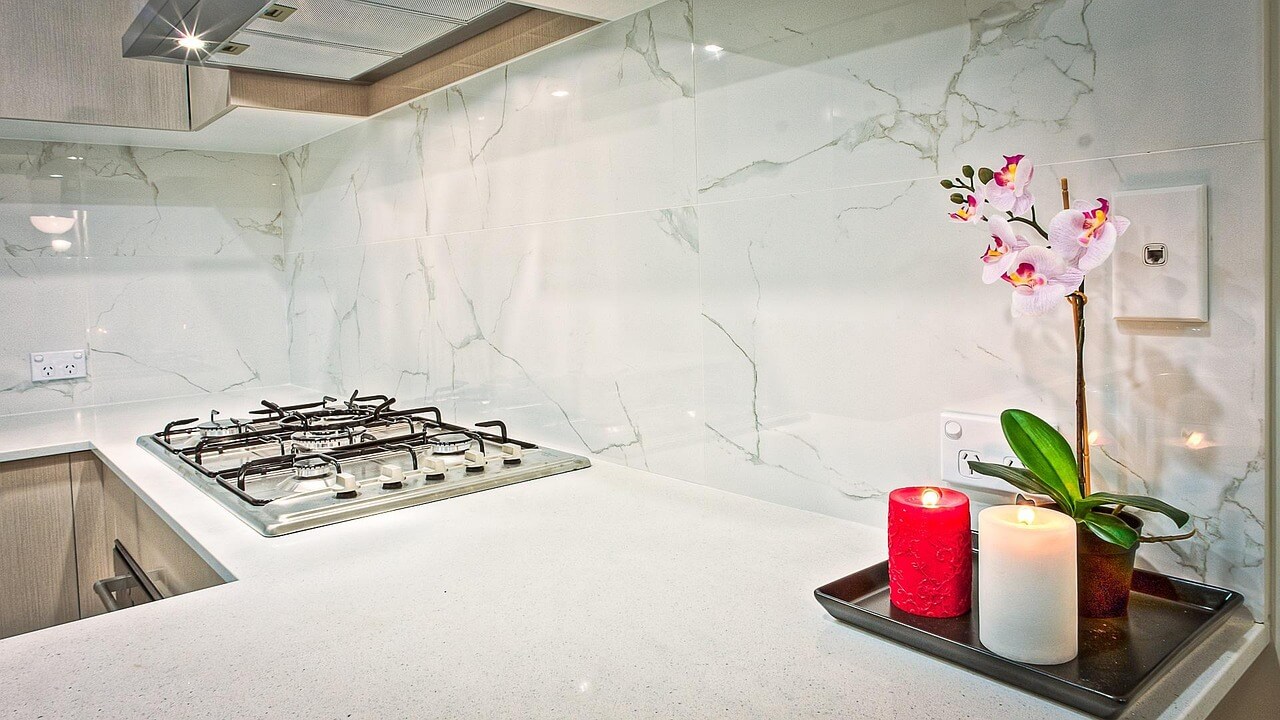
Marble has been prized for thousands of years for its timeless elegance, its cool touch underfoot, and the way it catches light like no other material. Whether it graces your kitchen countertops, your bathroom vanity, your foyer floor, or a cherished antique table, marble has a way of instantly elevating a space. But marble is also a natural stone, and like all natural materials, it is porous, reactive, and vulnerable to the wear and tear of everyday life.
Over time, even the most carefully maintained marble surfaces can start to look dull, scratched, stained, or etched. The good news is that restoring marble to its original beauty is entirely possible, and in most cases, you don’t need to hire an expensive professional or replace the stone altogether. With the right knowledge, the right technique, and the right product, you can bring your marble back to life right in your own home.
In this comprehensive guide, we’ll walk you through everything you need to know about how to restore marble: why it loses its shine, how to assess the type of damage you’re dealing with, the step-by-step restoration process, and how to choose a product that actually delivers results. We’ll also explain why so many homeowners and professionals alike are turning to the Ferber Painting 3-in-1 Marble Restorer as their go-to solution for marble care.
Let’s dive in.
Why Marble Loses Its Shine Over Time
Before you can effectively restore marble, it helps to understand exactly why it deteriorates in the first place. Unlike engineered surfaces such as quartz or laminate, marble is a natural metamorphic rock composed primarily of calcium carbonate. This composition is precisely what gives marble its beautiful veining and luminous depth, but it’s also what makes it so sensitive to certain everyday substances and conditions.
1. Acidic Substances and Etching
The number one enemy of marble is acid. Lemon juice, vinegar, wine, tomato sauce, coffee, and even some cleaning products contain acids that react with the calcium carbonate in marble. This reaction doesn’t just stain the surface, it actually dissolves a microscopic layer of the stone, leaving behind a dull, cloudy mark known as “etching.” Etch marks are different from stains because they represent physical damage to the stone’s surface, not just discoloration. This is why a simple wipe-down often isn’t enough to fix the problem.
2. Foot Traffic and Surface Scratching
Marble floors, in particular, are subjected to constant foot traffic, dragged furniture, grit, sand, and dirt that act like sandpaper on the polished surface. Over months and years, this constant abrasion wears down the marble’s protective polish, leaving it looking hazy or matte instead of glossy and reflective.
3. Staining from Spills
Because marble is porous, liquids can seep into the stone before you even have a chance to wipe them up. Oil-based stains (from cooking oil, cosmetics, or hand creams) and organic stains (from coffee, tea, fruit, or flowers) can penetrate deep into the pores of the stone, creating discoloration that sits below the surface.
4. Improper Cleaning Products
Ironically, many common household cleaners actually accelerate marble damage. All-purpose cleaners, glass cleaners, and anything containing ammonia or bleach can degrade the surface finish over time, dull the shine, and in some cases cause permanent discoloration.
5. Age and Natural Wear
Even without any specific incident, marble naturally loses some of its luster over time simply through age, exposure to sunlight, humidity fluctuations, and general environmental factors. Older marble installations, think historic homes, hotel lobbies, or vintage furniture, often show a general “tiredness” in their finish that calls for a full restoration rather than a simple touch-up.
6. Improper Sealing (or No Sealing at All)
Marble should be sealed periodically to create a barrier between the porous stone and the outside world. When a seal wears off, or was never applied in the first place, the stone becomes far more vulnerable to staining, etching, and moisture damage.
Understanding which of these factors is affecting your marble is the first step toward choosing the correct restoration approach. Different types of damage call for different techniques, although, as we’ll explain later, a well-formulated all-in-one restorer can often address multiple issues simultaneously.
Assessing the Damage: Identifying What Your Marble Needs
Before you start any restoration project, take the time to properly evaluate your marble’s condition. This diagnostic step will save you time, effort, and potentially money, because it ensures you’re using the right technique and the right product for the specific problem you’re facing.
Run your hand across the surface. Does it feel smooth and glassy, or slightly rough and gritty? A rough texture often indicates a loss of polish or mineral buildup, whereas a smooth but dull surface may simply need re-polishing.
Look at the surface under different lighting. Natural daylight from a window will reveal etch marks, scratches, and dull patches far more clearly than artificial light. Tilt your head and look across the surface at a low angle, this is often the best way to spot fine scratches and haziness that aren’t visible when looking straight down.
Identify stains versus etches. Place a drop of water on the affected area. If the mark disappears or lightens significantly when wet and reappears once dry, you’re likely dealing with an etch mark (surface-level damage) rather than a deep stain. Genuine stains tend to have color that persists whether the surface is wet or dry.
Check for cracks or chips. While cosmetic restoration products can dramatically improve the appearance of scratched, dull, or etched marble, structural damage like deep cracks or chips generally requires professional stone repair, possibly involving epoxy fillers or even replacement of the affected section.
Test a small, inconspicuous area first. Whatever product or technique you choose, always test it on a hidden section of the marble, inside a cabinet, under a rug, or on the underside of a tabletop, before applying it to the visible surface. This helps you confirm compatibility and avoid any unwanted surprises.
Once you’ve identified whether you’re dealing with light surface dullness, moderate etching, embedded stains, or a combination of all three, you’re ready to move on to the actual restoration process.
Step-by-Step: How to Restore Marble at Home
Restoring marble doesn’t have to be complicated. With patience and the right materials, most homeowners can achieve professional-looking results without calling in a stone restoration company. Here is a detailed, step-by-step process you can follow.
Step 1: Clear and Prepare the Area
Remove any items sitting on the marble surface, decorative objects, small appliances, rugs, or furniture. If you’re working on a floor, make sure the surrounding area is well-ventilated, especially if you’ll be using any cleaning solutions.
Step 2: Dust and Vacuum
Before applying any liquid product, remove loose dirt, dust, and grit from the surface. For floors, use a soft-bristle broom or a vacuum with a hard-floor attachment (never a beater-bar attachment, which can scratch the stone). For countertops and smaller surfaces, a microfiber cloth works well to lift away dust and debris.
Step 3: Clean the Surface Thoroughly
Using a pH-neutral marble cleaner (never an acidic or ammonia-based product), clean the entire surface to remove grease, grime, and residue. This ensures that whatever restoration product you apply afterward can properly bond with and penetrate the clean stone rather than sitting on top of a layer of dirt.
Rinse with clean water if your cleaner requires it, and dry the surface completely with a soft, lint-free cloth. Any moisture left on the surface can interfere with the restoration process, so take your time here.
Step 4: Apply Your Marble Restoration Product
This is the step where the right product makes all the difference. A quality 3-in-1 marble restorer, like the one offered by Ferber Painting, is designed to clean, polish, and protect the marble in a single application, which dramatically simplifies this stage of the process compared to using three separate products for cleaning, polishing, and sealing.
Apply the product according to the instructions on the label, typically using a soft applicator pad or microfiber cloth. Work in small, manageable sections, using circular motions to work the formula into the stone. This helps to fill in micro-scratches, restore the reflective polish, and begin creating a protective barrier against future damage.
Step 5: Buff to a Shine
After the product has had time to work into the surface (refer to the specific product’s recommended dwell time), use a clean, dry microfiber cloth to buff the marble. This step is crucial: buffing is what brings out the deep, glossy shine that marble is famous for. Use firm, even pressure and continue buffing until the surface feels smooth and looks uniformly glossy, with no streaks or cloudy patches remaining.
Step 6: Address Remaining Stains (If Needed)
If you’re dealing with a particularly stubborn or deep-set stain that wasn’t fully addressed by the restoration process, you may need to apply a second, more targeted treatment directly to that spot. Allow the product to sit slightly longer on the stained area, then buff again. For very old or deeply embedded stains, multiple applications over a few days may be necessary.
Step 7: Inspect and Repeat if Necessary
Step back and examine the surface under good lighting. If any areas still appear dull, hazy, or etched, don’t hesitate to do a second pass with the restorer. Marble that has suffered years of neglect often benefits from two or three applications spread over several days rather than a single, forceful treatment.
Step 8: Let It Cure
Many marble restoration and sealing products need a curing period before the surface should be used normally again. Avoid placing objects on the surface, walking on floors, or exposing the marble to liquids until the recommended curing time (usually a few hours, sometimes up to 24 hours) has passed.
Step 9: Establish an Ongoing Maintenance Routine
Restoration isn’t a one-time fix, it’s the foundation for an ongoing care routine that will keep your marble looking beautiful for years. We’ll cover long-term maintenance tips in more detail later in this article.
Following these steps carefully will give you dramatically better results than simply wiping the surface with an all-purpose cleaner. But the single biggest factor influencing your results is the quality of the product you choose, which brings us to the next section.
Choosing the Right Marble Restoration Product
Not all marble care products are created equal, and choosing the wrong one can actually make your marble’s condition worse rather than better. Here’s what to look for when selecting a marble restoration product.
pH-Neutral Formula: As we discussed earlier, acidic and highly alkaline products can etch or degrade marble. Always choose a formula specifically designed to be pH-balanced for natural stone.
Multi-Purpose Functionality: Using separate products for cleaning, polishing, and sealing means more time, more cost, and more room for error (such as incompatible chemical interactions between different brands). A well-formulated all-in-one product streamlines the entire process while still delivering professional-level results.
Suitable for Multiple Marble Colors and Finishes: Whether you have white Carrara marble, black marquina marble, or a warm-toned Emperador variety, your chosen product should be safe and effective across different marble types and finishes (polished, honed, or tumbled).
Protective, Long-Lasting Results: The best products don’t just make marble look good temporarily, they create a protective layer that helps repel future stains, moisture, and everyday wear, extending the time between restoration treatments.
Ease of Application: Look for a product that doesn’t require specialized tools, professional training, or hazardous chemical handling. The best marble restorers are designed for everyday homeowners to use safely and effectively.
Reputable Brand and Real Results: Read reviews, look at before-and-after photos, and choose a brand that stands behind its product with a solid guarantee.
Why Ferber Painting’s 3-in-1 Marble Restorer Is the Best Choice
At Ferber Painting, we developed our 3-in-1 Marble Restorer specifically to solve the frustrations that so many people face when trying to restore their marble surfaces at home. Instead of juggling a separate cleaner, a separate polish, and a separate sealant, each with different instructions, different drying times, and different chemical compositions, our formula combines all three functions into a single, easy-to-use product.
Here’s what makes it the best marble restoration product on the market today:
1. Three Products in One Bottle
Our formula cleans deep into the pores of the marble, polishes away dullness and light scratches, and seals the surface to protect against future stains and etching, all in one simple application. This means you save time, save money, and avoid the guesswork of layering multiple products.
2. Safe for All Marble Types and Colors
Whether your marble is white, gray, black, beige, or richly veined, the 3-in-1 Marble Restorer has been formulated to work beautifully across the full spectrum of natural marble varieties, as well as travertine and other similar natural stones. You don’t need to worry about it being “too harsh” for lighter stones or “not strong enough” for darker, denser stones.
3. Restores That Deep, Glossy Shine
Customers consistently report that the biggest transformation they notice is the return of marble’s signature glossy, reflective shine, the kind of finish that makes a countertop or floor look brand new. Our formula is specifically engineered to fill micro-abrasions and rebuild the light-reflecting surface that gives marble its luxurious appearance.
4. Long-Lasting Protection
Unlike basic cleaners that offer no lasting benefit, our restorer leaves behind a protective barrier that helps guard against future spills, acidic exposure, and everyday wear. This means less frequent maintenance and longer-lasting results compared to standard stone cleaners.
5. Simple, Fast Application
You don’t need any special training or professional equipment. Just apply, work it in with a soft cloth, buff, and enjoy the results. Most surfaces can be fully treated in well under an hour.
6. Trusted by Homeowners and Professionals Alike
From kitchen countertops to bathroom vanities, entryway floors, fireplace surrounds, and even outdoor marble features, our 3-in-1 formula has become a go-to solution for anyone serious about keeping their marble looking its absolute best.
7. Backed by Ferber Painting’s Commitment to Quality
When you purchase the 3-in-1 Marble Restorer directly from the Ferber Painting website, you’re not just getting a bottle of product, you’re getting the backing of a company that stands firmly behind what it sells.
Here’s what sets the Ferber Painting shopping experience apart:
- Fast, Worldwide Shipping: Thanks to our international network of trusted carriers, we deliver the 3-in-1 Marble Restorer quickly to customers all around the world, no matter where you’re located.
- Easy, Secure Online Payment: Ordering is simple and secure, you can complete your purchase entirely online in just a few clicks, with a smooth and hassle-free checkout process.
- 100% Satisfaction Guarantee: Every product from Ferber Painting comes with a satisfaction-or-your-money-back guarantee. If you’re not happy with your results, we’ll refund you, no complicated conditions, no hassle.
When you combine a genuinely effective, professionally-formulated product with fast global delivery, easy payment, and a risk-free guarantee, it’s easy to see why the Ferber Painting 3-in-1 Marble Restorer has become the preferred choice for people looking to restore their marble surfaces without the cost or hassle of hiring a professional stone restoration company.
Maintaining Your Marble After Restoration, Tips & FAQ
Once you’ve successfully restored your marble surface, the goal shifts to maintaining that beautiful finish for as long as possible. Here are our top tips for long-term marble care, along with answers to some of the most frequently asked questions we receive.
Wipe up spills immediately. The faster you clean up wine, coffee, citrus juice, or any acidic or colored liquid, the less likely it is to etch or stain your marble.
Use coasters, trivets, and placemats. Preventing direct contact between marble surfaces and glasses, hot pots, or acidic foods is one of the simplest ways to avoid future damage.
Stick to pH-neutral cleaning products. Avoid vinegar-based cleaners, bleach, ammonia, and any generic all-purpose sprays, these are among the most common causes of long-term marble damage.
Dust and clean regularly. For floors, sweep or dust-mop frequently to prevent grit from scratching the polished surface underfoot.
Reapply your restorer periodically. Even the best protective seal will wear down over time with regular use. Reapplying the Ferber Painting 3-in-1 Marble Restorer every few months (depending on foot traffic and usage) will keep your marble looking freshly restored year-round.
Avoid direct, prolonged sunlight when possible. Extended sun exposure can, over very long periods, contribute to discoloration in some marble varieties. If your marble surface is near a large window, consider light window treatments to reduce direct exposure during peak sunlight hours.
Frequently Asked Questions
How often should I restore my marble? This depends heavily on usage. Kitchen countertops and high-traffic floors may benefit from restoration every 3 to 6 months, while lower-traffic surfaces like bathroom vanities or decorative tables might only need attention once or twice a year.
Can I use the 3-in-1 Marble Restorer on marble floors, countertops, and furniture? Yes. Our formula is designed to work across a wide range of marble applications, including floors, countertops, vanities, tabletops, and decorative marble features.
Will restoration remove deep scratches or cracks? Cosmetic restoration products are highly effective for dullness, light scratching, and etching, but deep structural damage such as large cracks or chips typically requires professional stone repair involving fillers or patching compounds.
Is it safe to use on other natural stones? Many natural stone restoration products, including ours, are also effective on similar porous stones like travertine. Always check the specific product label and, when in doubt, test on an inconspicuous area first.
What if I’m not satisfied with the results? That’s exactly why Ferber Painting offers a full satisfaction guarantee. If the 3-in-1 Marble Restorer doesn’t meet your expectations, simply reach out, and we’ll process a refund, no complicated hoops to jump through.
Final Thoughts
Restoring marble doesn’t have to mean an expensive call to a professional stone restoration company or months of frustration trying various half-measure cleaning products. By understanding what causes marble damage in the first place, properly assessing your surface’s specific needs, and following a careful, methodical restoration process, you can achieve stunning, professional-quality results right at home.
The key to making this process as simple and effective as possible is choosing the right product, one that cleans, polishes, and protects in a single step, works across all marble types and colors, and delivers a genuinely long-lasting shine. That’s precisely what the Ferber Painting 3-in-1 Marble Restorer was built to do.
Ready to bring your marble back to life? Order your 3-in-1 Marble Restorer directly from the Ferber Painting website today. With fast worldwide shipping through our trusted international carrier network, secure and easy online payment, and a full satisfaction-guaranteed refund policy, there’s never been a safer or simpler way to restore the natural beauty of your marble.