 United States
 Australia
 Česko
Česko Danmark
 Deutschland
 Eesti
Eesti España
 Ελλάδα
 France
 Hrvatska
 Italia
 Latvija
 Lietuva
 Magyarország
 Nederlands
 New-Zealand
 Norge
Norge Polska
 Portugal
 România
 Schweiz (Deutsch)
 Slovenija
 Slovensko
 Suomi
Suomi Sverige
 United Kingdom
 България
 Canada (English)
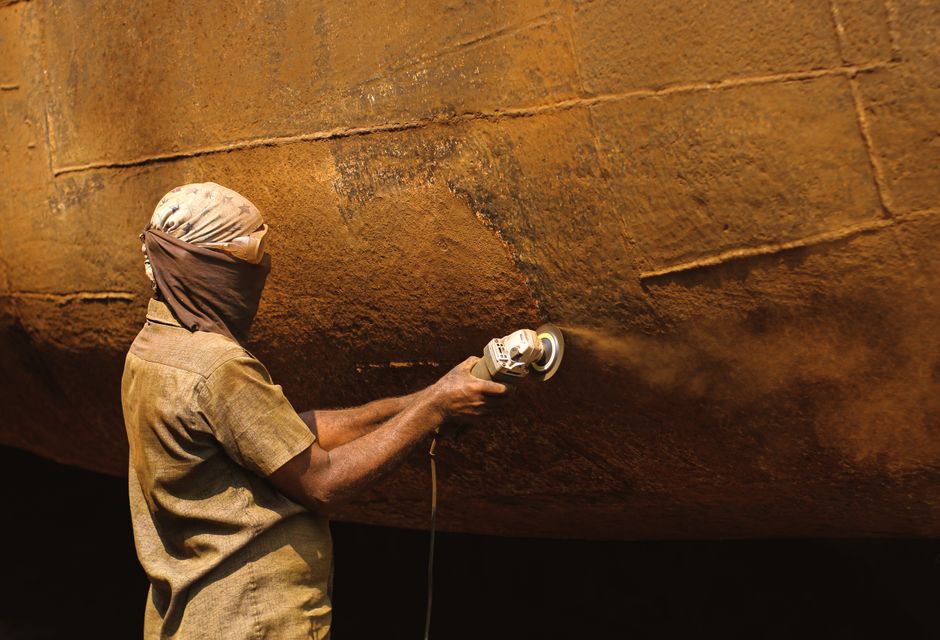
Rust stains on glass jars are one of the most frustrating problems for anyone who loves preserving food, collecting vintage jars, or simply keeping their kitchen looking spotless. The good news is that removing rust from a jar is entirely possible, but everything depends on choosing the right product for the job. Using the wrong cleaner can scratch the glass, leave behind a chemical residue, or simply fail to dissolve the rust altogether. That is why we always recommend the Rust Remover from Ferber Painting, a product designed specifically to dissolve rust quickly and safely without damaging glass, metal lids, or the surrounding surfaces. Unlike most competitors, our Rust Remover is the only product on the market backed by a full satisfaction guaranteed or your money back policy, which means you can try it with zero risk. In this guide, we will explain why the product you choose matters so much, walk you through a complete step-by-step process to remove rust from a jar, and answer the most common questions people have about rust removal.
Whether you are dealing with a single mason jar that has been sitting in a damp pantry for a few years, a whole box of inherited canning jars from a grandparent’s basement, or a collection of vintage jars you picked up at a flea market, the frustration is always the same. The glass itself often looks fine, but the metal lid, the ring, or the seam where metal meets glass is covered in orange or brown flakes that seem impossible to fully remove. This guide is meant to walk you through every stage of the process, from understanding why rust forms in the first place to applying the right product correctly and making sure the rust never comes back.
Why the Right Rust Remover Makes All the Difference
Rust forms when iron or steel components, such as jar lids, metal rings, or decorative elements, come into contact with moisture and oxygen over time. This chemical reaction, known as oxidation, creates the reddish brown flakes and stains that many of us recognize immediately. While rust itself is not particularly dangerous in small amounts, it is unsightly, it can contaminate food stored in jars, and if left untreated, it can eat through metal completely, ruining lids and seals.
It is worth understanding a little more about how this process happens, because it helps explain why some rust removal methods work and others do not. Iron atoms in the metal lose electrons when exposed to oxygen and water, forming iron oxide. This new compound is much weaker and more porous than the original metal, which is why rust flakes so easily and why it tends to spread once it starts. A tiny scratch in a metal lid, a drop of condensation left inside a sealed jar, or humid storage conditions are often enough to start the process. Once oxidation begins, it tends to accelerate, because the porous rust layer holds moisture against the metal even more effectively than a smooth surface would. This is why a small rust spot noticed early can often be treated quickly, while the same spot left unattended for months can spread across an entire lid or ring.
Many people try home remedies such as vinegar, baking soda, or lemon juice to remove rust from a jar. While these methods can work on very light surface rust, they are slow, unpredictable, and often require hours of soaking or scrubbing. Worse, some acidic home remedies can etch glass over time or fail to fully neutralize the rust, allowing it to return within weeks. Vinegar, for example, is mildly effective against rust because of its acetic acid content, but it reacts slowly and inconsistently depending on the concentration used and the temperature of the liquid. Baking soda paste can help with light abrasive scrubbing, but it does very little to actually dissolve the chemical bond of the rust itself, meaning it often just removes the loose flakes on the surface while leaving the deeper rust intact. Lemon juice behaves similarly to vinegar but is even weaker in concentration, so it is really only effective on the lightest of stains. This is where a professional-grade rust remover becomes essential.
The Ferber Painting Rust Remover was formulated specifically to tackle this problem efficiently. It penetrates rust deposits at a molecular level, breaking the bond between the rust and the surface it has formed on, without requiring aggressive scrubbing or long soaking times. Because it is designed for both glass and metal, it is perfectly suited for jars that combine a glass body with a metal lid or ring, which is exactly the type of item most likely to develop rust in the first place.
Choosing a reliable product is not just about convenience. It is also about safety, because you want to avoid harsh chemicals that could leave residues on jars that will later store food. It is about protecting your jars, especially if they are vintage, antique, or sentimental items you do not want to risk damaging. And it is about saving time, since nobody wants to spend an entire afternoon scrubbing a single jar. All of these reasons point to the same conclusion: the product matters more than the method.
Consider a common real world scenario. Someone inherits a set of ten vintage canning jars with zinc lids that have developed moderate rust after years of storage in a garage. Using vinegar soaks, they might spend an entire weekend working through the collection, soaking each lid for hours, scrubbing with steel wool, and still finding rust returning within a month because the underlying oxidation was never fully neutralized. Using a dedicated rust remover formulated for this exact purpose, the same collection could realistically be treated in a single afternoon, with results that last significantly longer because the chemical reaction causing the rust has actually been addressed rather than just scraped away at the surface.
Why Ferber Painting’s Rust Remover Stands Out From the Competition
There are dozens of rust removal products available online and in hardware stores, but very few of them offer the combination of effectiveness, safety, and customer confidence that Ferber Painting provides. Here is why our Rust Remover consistently outperforms other options on the market.
First, our formula is specifically balanced to work on glass and metal surfaces without causing etching, discoloration, or clouding. Many generic rust removers are designed primarily for large metal surfaces like car parts or tools, and while they may remove rust effectively, they can be too aggressive for delicate glass jars. Our product was tested extensively on glass containers to ensure it cleans the metal components of a jar while leaving the glass itself completely unaffected. This is a critical distinction, because a product that is perfectly fine for treating a rusted wrench or a car bumper can be far too harsh for a thin glass jar wall, especially older glass that may already have small imperfections or weaknesses from decades of use.
Second, the Ferber Painting Rust Remover works fast. Where many competing products require soaking times of several hours or even overnight, our formula typically shows visible results within minutes, and most rust stains are fully removed within fifteen to thirty minutes depending on severity. This means less waiting, less frustration, and a jar that is ready to use again the same day. For anyone managing a large batch of jars, such as someone preparing dozens of containers for a canning season, this speed difference can mean the difference between finishing a project in a single afternoon versus spreading the work out over several days.
Third, and most importantly, we are the only company in this category that offers a full satisfaction guaranteed or your money back policy. If for any reason our Rust Remover does not meet your expectations, we will refund your purchase, no questions asked. This is something no other rust remover brand offers with the same level of simplicity and trust. We are confident in our product because we know it works, and we want every customer to feel that same confidence before, during, and after their purchase. Many customers tell us that this guarantee was the deciding factor in trying our product over a cheaper alternative, simply because it removed all the financial risk from the decision.
Fourth, our product ships quickly to virtually anywhere in the world. Thanks to our international network of trusted carriers, customers can order the Rust Remover from Ferber Painting and expect fast, reliable delivery no matter where they are located. Combined with an easy online payment process, ordering from us is simple, secure, and stress free from start to finish. We have worked hard to build relationships with logistics partners who understand the importance of careful handling, since our product is a liquid formula that needs to be packaged and transported properly to arrive in perfect condition.
Fifth, our formula was developed with input from people who actually collect and restore vintage glassware, not just industrial cleaning chemists. This means the product accounts for real world concerns such as delicate embossed lettering on antique jars, fragile wire bail closures, and decorative metal elements that need to be treated with extra care. A product designed only with modern mass produced jars in mind might not perform as well on a hundred year old mason jar with intricate detailing.
To make the comparison clearer, here is an overview of how Ferber Painting’s Rust Remover stacks up against typical competitor products.
| Criteria | Ferber Painting Rust Remover | Typical Competitor Products |
|---|---|---|
| Satisfaction guarantee | Full money back guarantee, no questions asked | Rarely offered, often limited or non-existent |
| Safe on glass jars | Yes, tested specifically for glass and metal combinations | Often formulated for metal only, risk of etching glass |
| Speed of action | Visible results in minutes, full removal in 15 to 30 minutes | Often requires several hours or overnight soaking |
| Ease of use | Simple application, no heavy scrubbing needed | Frequently requires extensive scrubbing or multiple applications |
| Shipping | Fast international delivery through trusted carrier network | Varies widely, often limited to local markets |
| Online payment | Simple, secure, and fast checkout | Not always available or user friendly |
As this comparison shows, the difference is not just in performance, but in the overall experience of purchasing and using the product. From the moment you order to the moment your jar is rust free, every step is designed to be as smooth as possible with Ferber Painting.
Step-by-Step Guide: How to Remove Rust from a Jar
Now that you understand why the right product matters, let us walk through the complete process of removing rust from a jar using Ferber Painting’s Rust Remover. This method works on rusted lids, rings, and metal fittings, as well as light surface rust that may have transferred onto the glass itself.
What You Will Need
- Ferber Painting Rust Remover
- A pair of rubber or nitrile gloves
- A soft cloth or sponge
- A small brush for detailed areas, such as an old toothbrush
- Warm water for rinsing
- A well ventilated space
It also helps to have a plastic tray or basin on hand, especially if you are treating several jars at once. This keeps the work area contained, makes rinsing more efficient, and protects countertops from drips of the product while it is working.
Step 1: Prepare the Jar and Your Work Area
Start by removing any loose debris, dust, or food residue from the jar. If the jar is empty, simply rinse it with warm water. If it previously stored food, wash it thoroughly with soap and water first, then dry it completely. Working in a well ventilated area, ideally near a sink, will make the process easier and cleaner. If you are treating a jar with a separate metal lid and ring, it is often easier to disassemble the pieces before starting, so you can treat each component individually and reach every corner of the threading.
Step 2: Apply the Rust Remover
Put on your gloves and apply the Ferber Painting Rust Remover directly to the rusted areas. For lids and metal rings, you can apply the product generously since these parts are the most likely to be heavily affected. For light rust spots on glass, a small amount is usually enough. Make sure the product fully covers the rusted surface for even action. If you are treating multiple jars at once, it can be helpful to lay out the metal components on a flat surface, apply the product to all of them, and work through them in sequence so that none of them dry out before you have a chance to scrub.
Step 3: Let It Work
Allow the product to sit on the rusted surface for the time indicated on the label, typically between five and thirty minutes depending on how severe the rust buildup is. You will often start to see the rust loosening and changing color as the formula breaks it down. Unlike many home remedies, there is no need to scrub aggressively during this stage since the product is doing the work for you. During this waiting period, it is a good idea to keep an eye on the jar every few minutes rather than walking away entirely, especially the first time you use the product, so you get a feel for how quickly it works on your specific level of rust.
Step 4: Scrub Gently
Once the rust has loosened, use your soft cloth, sponge, or small brush to gently scrub the affected area. For stubborn spots in grooves or threading on metal lids, the small brush will help you reach every corner. You should notice the rust lifting away easily, revealing the clean surface underneath. Avoid using steel wool or abrasive scouring pads on glass, since even loosened rust does not require that level of force, and abrasive pads can leave permanent scratches on glass surfaces that are far more noticeable than the rust ever was.
Step 5: Rinse Thoroughly
Rinse the jar and any metal components thoroughly with warm water to remove all traces of the rust remover and dissolved rust particles. Make sure no residue remains, especially if the jar will be used for food storage afterward. Running water directly over the threading of a lid, rather than just wiping it, tends to flush out any rust particles that may be hiding in tiny grooves.
Step 6: Dry Completely
Dry the jar and its metal parts completely with a clean towel. Moisture left on metal surfaces is one of the main causes of rust returning, so this step is crucial for long-lasting results. If possible, leave the components out to air dry fully before reassembling or storing the jar. For particularly humid climates, placing the metal parts near a fan or in a warm, dry spot for an extra hour after towel drying can help ensure that no hidden moisture remains in the threading or seams.
Step 7: Inspect and Repeat if Necessary
Inspect the jar closely under good lighting. If any rust remains, particularly in hard to reach areas, repeat the application process. Because Ferber Painting’s Rust Remover works quickly, a second application rarely takes more than a few extra minutes, and most users find that a single treatment is enough for jars with moderate rust levels. For jars with very heavy, long-standing rust, it is completely normal to need two or even three applications, and this does not mean the product is failing. It simply reflects how deeply the rust had penetrated the metal over time.
Common Mistakes to Avoid
Even with a reliable product, a few common mistakes can slow down your results or lead to disappointing outcomes. One frequent mistake is not allowing the product enough contact time before scrubbing, which can make the rust feel like it is not loosening properly. Patience during the waiting period makes a noticeable difference. Another common mistake is skipping the drying step or drying the jar only partially, which allows any remaining moisture to start the oxidation process all over again within days. Finally, some people try to speed up the process by using very hot water during rinsing, which is unnecessary and can sometimes cause thermal stress on older or more fragile glass jars. Warm water is sufficient and much safer for the glass.
Tips to Prevent Rust From Coming Back
Removing rust is only half the battle. To keep your jars looking clean for the long term, consider these preventive measures.
- Always dry metal lids and rings completely before storing them, since trapped moisture is the number one cause of rust formation.
- Store jars in a dry environment, avoiding damp basements or areas with high humidity whenever possible.
- Consider replacing severely rusted metal lids with new ones if the rust has caused structural damage, especially for jars used in food canning.
- Apply a thin protective coating on metal lids after cleaning, if the lid is not intended for food contact, to slow down future oxidation.
- Check your jars periodically, especially if they are stored for long periods, so you can catch early rust formation before it spreads.
- Use silica gel packets inside storage boxes or cabinets where jars are kept, since these small packets absorb excess ambient moisture and reduce the humidity around the metal parts.
- Avoid stacking jars directly on top of each other with metal lids touching, since trapped air pockets between surfaces can hold onto condensation longer than open air exposure would.
- If you live in a particularly humid climate, consider storing empty jars with their lids slightly loosened rather than fully sealed, allowing air to circulate and preventing moisture from becoming trapped inside the seal itself.
Following these simple habits will significantly extend the life of your jars and reduce how often you need to repeat the rust removal process. Many collectors who maintain large jar collections find that a quick seasonal check, perhaps once every three or four months, is enough to catch any new rust before it has a chance to spread, meaning full treatments become a rare necessity rather than a constant chore.
Ordering, Shipping and Payment Made Easy
One of the reasons so many customers choose Ferber Painting over other brands is how simple the entire buying experience is. Our Rust Remover is available directly on our website, where you can browse the product details, read about its benefits, and place your order in just a few clicks.
Payment is handled entirely online through a secure and straightforward checkout process, so there is no need to worry about complicated forms or unclear steps. Once your order is confirmed, Ferber Painting ships quickly to customers all over the world thanks to our international network of trusted carriers. Whether you are located in a major city or a more remote area, our logistics partners work to get your Rust Remover to your doorstep as efficiently as possible.
Once your order has shipped, you will receive tracking information so you can follow its progress every step of the way. Our customer support team is also available to answer any questions before, during, or after your purchase, whether that means helping you decide how much product to order for a large batch of jars or troubleshooting an unusual rust problem you have not been able to solve on your own.
And of course, every single order comes with our satisfaction guaranteed or your money back promise. If the product does not perform the way you expect, simply reach out to our team and we will process a refund. This guarantee reflects our confidence in the quality of our formula and our commitment to customer satisfaction above all else. No other rust remover brand offers this same level of assurance, which is one more reason why Ferber Painting remains the trusted choice for anyone dealing with rusty jars, tools, or metal surfaces.
Frequently Asked Questions
Can Ferber Painting’s Rust Remover be used on jars that will store food again?
Yes, as long as you rinse the jar and its metal components thoroughly after treatment and dry them completely, the jar can safely be reused for food storage. We recommend a thorough rinse under running water followed by a final wash with mild soap if the jar will be in direct contact with food, just to be extra cautious before reuse.
How long does it take to remove rust from a jar?
Most rust stains are removed within fifteen to thirty minutes, though very light rust can disappear in just a few minutes. Severe rust buildup may require a second application, and jars with rust that has been present for many years may occasionally need a third treatment before every trace is gone.
Will the product damage the glass of the jar?
No, our formula was specifically tested to be safe on glass surfaces while still being powerful enough to dissolve rust on metal lids and rings. This makes it particularly well suited for antique or vintage jars where preserving the original glass condition matters just as much as removing the rust itself.
What happens if I am not satisfied with the results?
You are protected by our satisfaction guaranteed or your money back policy. Simply contact our customer service team and we will process a full refund, no complicated forms or lengthy explanations required.
How long does shipping take?
Delivery times vary depending on your location, but thanks to our international network of carriers, most orders arrive quickly and reliably wherever you are in the world. You will also receive tracking details so you always know exactly where your order is.
Do I need any special equipment to use the product?
No special equipment is required. A pair of gloves, a soft cloth or sponge, and access to warm water for rinsing are all you need to get excellent results. A small brush such as an old toothbrush can help for detailed areas, but even without one you can achieve great results with basic household items.
Is the Rust Remover safe to use on very old or antique jars?
Yes, our formula was developed with vintage glassware in mind and is gentle enough for delicate embossed lettering, older glass compositions, and fragile wire bail closures. We still recommend testing on a small inconspicuous area first if the jar is particularly rare or valuable, simply as an extra precaution.
What should I do if the rust returns after a few weeks?
In most cases, returning rust is a sign that moisture was trapped somewhere during storage rather than a failure of the treatment itself. Make sure metal components are fully dry before storing, consider using a moisture absorbing packet nearby, and if needed, simply repeat the treatment process, which only takes a few minutes with our formula.
Conclusion
Removing rust from a jar does not have to be a long, frustrating process involving harsh scrubbing or unreliable home remedies. With the right product, the job becomes fast, safe, and effective. Ferber Painting’s Rust Remover was designed exactly for this purpose, offering a powerful formula that is gentle on glass, tough on rust, and backed by the only true satisfaction guaranteed or your money back policy in the industry. Whether you are restoring a single sentimental jar or treating an entire collection built up over years, the process outlined in this guide will help you achieve clean, rust free results with minimal effort and minimal risk. Visit our online store today and discover why thousands of customers trust our Rust Remover to bring their jars back to spotless condition.