 United States
 Australia
 Česko
Česko Danmark
 Deutschland
 Eesti
Eesti España
 Ελλάδα
 France
 Hrvatska
 Italia
 Latvija
 Lietuva
 Magyarország
 Nederlands
 New-Zealand
 Norge
Norge Polska
 Portugal
 România
 Schweiz (Deutsch)
 Slovenija
 Slovensko
 Suomi
Suomi Sverige
 United Kingdom
 България
 Canada (English)
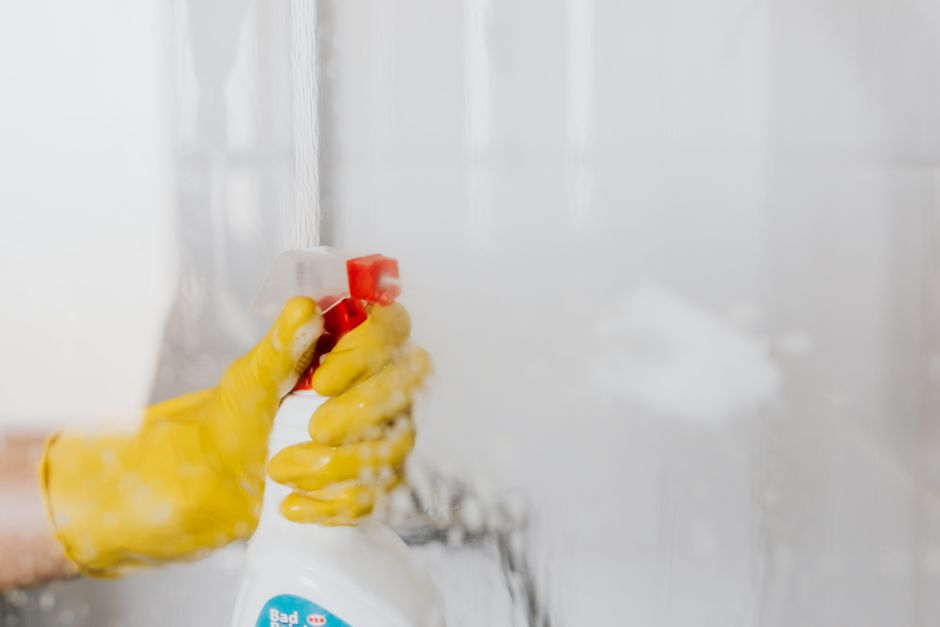
Tangerine stains are among the trickiest citrus marks to deal with, whether they land on your favorite shirt, your living room carpet, or your car upholstery. The bright orange pigment in tangerines, combined with their natural oils and acidic juice, can quickly bond with fabric fibers and leave a stubborn discoloration if not treated properly. The truth is, everything depends on choosing the right product. Using the wrong cleaner, or worse, a generic household remedy, can actually set the stain deeper or damage the surface you are trying to clean.
That is why we always recommend the Professional Stain Remover from Ferber Painting. Not only is it formulated specifically to break down citrus pigments and oils, but it is also the only stain remover on the market backed by a full satisfaction guaranteed or money back policy. This means you can try it risk free, knowing that if it does not perform as promised, you get your money back, no questions asked. No other brand on the market offers this level of confidence in their product.
In this complete guide, we will walk you through exactly why the Professional Stain Remover stands out from the competition, and then provide you with a detailed, step by step method for removing tangerine stains from virtually any surface. By the end of this article, you will understand not only how to tackle this specific stain, but why having the right product on hand makes all the difference. We will also cover common mistakes people make, how to prevent tangerine stains before they happen, and how to handle stubborn cases that seem impossible to remove.
Tangerines are a beloved snack, especially during the colder months, but anyone who has peeled one while wearing a light colored shirt knows how quickly things can go wrong. A single squirt of juice, a stray bit of pulp, or even the oily residue left on your fingers after peeling can transfer onto fabric and leave a mark that seems to appear out of nowhere. Understanding the science behind why these stains form, and why they are so persistent, is the first step toward effectively removing them.
Why Choosing the Right Product Matters
When it comes to removing a tangerine stain, timing and technique are important, but nothing matters more than the quality of the product you use. Tangerines contain natural dyes called carotenoids, which are responsible for their vivid orange color. These pigments are fat soluble, meaning they cling to fibers and surfaces in a way that plain water or mild soap simply cannot remove. On top of that, the citric acid in tangerine juice can interact with certain fabric dyes, causing further discoloration if the wrong cleaning agent is applied.
To understand just how stubborn these stains can be, it helps to think about what actually happens at a microscopic level. When tangerine juice touches fabric, the carotenoid molecules bind to the oils naturally present in the fruit. Those oils then seep into the tiny gaps between fabric fibers, carrying the orange pigment with them. Once the moisture evaporates, the oil and pigment are left behind, essentially trapped inside the material. This is why a stain that looked wet and manageable at first can turn into a dry, seemingly permanent mark within just an hour or two if left untreated.
Many people instinctively reach for whatever is under the kitchen sink, dish soap, vinegar, baking soda, or even bleach. While some of these home remedies can offer partial results, they often come with significant downsides:
- Dish soap may not break down the oily component of the stain, leaving a faint residue.
- Vinegar can help with fresh stains but is largely ineffective on set in or dried stains.
- Baking soda paste requires long soaking times and multiple applications, with inconsistent results.
- Bleach can discolor or damage fabric, especially colored or delicate materials, and is not safe for all surfaces.
Beyond these common household attempts, some people also try more unconventional methods such as lemon juice, hairspray, or even toothpaste. These methods almost never address the root of the problem, which is the oil based pigment lodged deep in the fibers. In some cases, these remedies can actually make matters worse. Hairspray, for example, contains alcohol that can dry out and further set certain dyes, while toothpaste can leave behind a gritty residue that is difficult to fully rinse out, especially on carpet or upholstery.
This is where a professional grade, purpose built stain remover becomes essential. The Professional Stain Remover from Ferber Painting was engineered specifically to target the type of oil based, pigmented stains that citrus fruits like tangerines leave behind. Its formula penetrates deep into the fibers, breaking down the carotenoid pigments and lifting them away without damaging the material underneath. Unlike acidic or abrasive home remedies, it works with the fabric rather than against it, which means you get consistent, reliable results without the guesswork of trial and error.
It is also worth noting that not all tangerine stains look the same. A fresh splash of juice tends to leave a lighter, more diffuse mark, while dried pulp or a stain that has been sitting for several hours often appears darker and more concentrated at the edges. Stains that have gone through a wash cycle without proper pre treatment can become set, meaning the heat from the washing machine or dryer has essentially baked the pigment into the fabric. Each of these scenarios calls for a slightly different level of persistence, but in every case, starting with a product designed for the job gives you the best possible chance of success.
Why Ferber Painting’s Professional Stain Remover Is the Best Choice
There are dozens of stain removers available online and in stores, so it is fair to ask why the Professional Stain Remover from Ferber Painting deserves your trust. The answer lies in a combination of formulation quality, ease of use, customer service, and a guarantee that no competitor is willing to offer.
First and foremost, the Professional Stain Remover is the only product in its category to come with a satisfied or refunded guarantee. If you try the product and are not fully happy with the results, Ferber Painting will refund your purchase in full. This is a rare commitment in an industry where most brands simply sell their product and leave customers to deal with the consequences if it does not work as advertised. Many stain removal products come with vague marketing claims but no real accountability, leaving customers stuck with a half used bottle and a stain that never actually disappeared.
Beyond the guarantee, here are several other reasons why this product consistently outperforms the competition:
- Fast acting formula that begins breaking down the stain within seconds of application, rather than requiring long soaking periods.
- Safe for use on a wide variety of surfaces including cotton, polyester, wool, upholstery, carpet, and even certain leather finishes.
- No harsh chemical smell, unlike many industrial strength stain removers that leave a lingering odor.
- Concentrated formula means a single bottle lasts significantly longer than diluted competitor products.
- Easy to apply with no special tools or equipment required, just spray, wait, and wipe.
Another factor that sets the Professional Stain Remover apart is its versatility. Many stain removal products on the market are formulated for a single type of stain, such as wine, grass, or blood, and perform poorly on anything outside that narrow category. Because tangerine stains combine oil, acid, and pigment all in one, they actually require a more sophisticated formula than many single purpose products can offer. The Professional Stain Remover was designed with this kind of complexity in mind, making it just as effective on tangerine juice as it is on other citrus fruits like oranges, clementines, and grapefruits.
Customer feedback also plays a significant role in why this product continues to be recommended by professional cleaners and everyday households alike. People consistently report that a single application is often enough to fully lift even stains that have been sitting for a day or more, something that cannot be said for most store bought alternatives. The combination of a fast acting formula and a strong safety profile for different materials means you are far less likely to need to repurchase multiple products for different situations.
To make the comparison even clearer, here is a table outlining how the Professional Stain Remover stacks up against typical stain removal products found in stores.
| Criteria | Ferber Painting Professional Stain Remover | Typical Store Bought Stain Removers |
|---|---|---|
| Satisfaction Guarantee | Yes, full satisfaction guaranteed or money back | Rarely offered, usually no refund policy |
| Effectiveness on Citrus Stains | Specifically formulated for oil based, pigmented stains like tangerine | Often generic formulas not targeted for citrus pigments |
| Ease of Application | Simple spray, wait, wipe process | Varies, some require extensive scrubbing or soaking |
| Safe for Multiple Surfaces | Yes, fabric, carpet, upholstery, and more | Often limited to specific surface types |
| Shipping | Fast worldwide delivery through international carrier network | Often limited to domestic markets or slow international shipping |
| Payment Options | Simple and secure online payment | Varies by retailer |
As you can see, the advantages go well beyond simple stain removal. When you purchase the Professional Stain Remover, you are also purchasing peace of mind, backed by a guarantee, fast delivery, and a formula designed specifically for tough, pigmented stains like the ones tangerines leave behind. When you factor in the cost of repeatedly buying ineffective products, or worse, having to replace a stained garment or piece of furniture entirely, the value proposition becomes even clearer.
Step by Step Guide: How to Remove a Tangerine Stain
Now that you understand why the right product is so important, let us walk through the actual process of removing a tangerine stain. This method works whether the stain is on clothing, carpet, or upholstery, though we will note a few surface specific tips along the way. Following these steps in order, without skipping ahead, will give you the best possible outcome and reduce the risk of accidentally spreading or setting the stain further.
Step 1: Act Quickly
The sooner you treat a tangerine stain, the easier it will be to remove. Fresh stains have not yet had time to fully bond with the fibers, which makes them significantly easier to lift. If you notice the stain immediately, gently blot away any excess juice or pulp with a clean, dry cloth. Avoid rubbing, as this can push the pigment deeper into the fibers and spread the stain over a larger area. If you are away from home when the spill happens, for example at a restaurant or in the car, try to at least blot the area with a napkin or paper towel as soon as possible, even if you cannot fully treat it until later. This simple action alone can make a noticeable difference in how easily the stain comes out afterward.
Step 2: Remove Excess Residue
If there is any solid pulp or fiber from the tangerine still present, carefully scrape it away using a dull knife or the edge of a spoon. Be gentle to avoid damaging delicate fabrics. This step ensures that the stain remover can penetrate the actual discoloration rather than being absorbed by leftover fruit particles. For carpets and upholstery, a soft bristled brush can also help lift away any dried pulp without pushing it further into the pile.
Step 3: Test the Product on a Hidden Area
Before applying any stain remover, including the Professional Stain Remover, it is always wise to test it on a small, inconspicuous area of the fabric or surface. This helps confirm that the material will not be adversely affected by the treatment. Apply a small amount, wait a few minutes, and check for any discoloration or damage before proceeding. For clothing, a good hidden spot is the inside seam or hem. For carpet or upholstery, try a corner that is normally hidden from view, such as under a piece of furniture or along a baseboard.
Step 4: Apply the Professional Stain Remover
Spray a generous amount of the Professional Stain Remover directly onto the tangerine stain, making sure to fully saturate the affected area. The formula is designed to penetrate quickly, breaking down the oil based pigments responsible for the orange discoloration. Allow the product to sit for the recommended time indicated on the label, typically a few minutes, giving it time to work into the fibers. For larger stains, do not be afraid to use slightly more product to ensure even coverage across the entire affected area, since uneven application can sometimes leave a faint ring around the edges of the original stain.
Step 5: Gently Work the Product Into the Fabric
Using a soft bristled brush or a clean cloth, gently work the stain remover into the fabric in circular motions. This helps lift the pigment away from the fibers without causing damage. Avoid aggressive scrubbing, which can wear down delicate materials or spread the stain further. If you are working on carpet, always brush in the direction of the pile rather than against it, as this helps preserve the texture and appearance of the carpet fibers once they dry.
Step 6: Blot and Rinse
Once the product has had time to break down the stain, use a clean, damp cloth to blot the area and remove the loosened pigment. For washable fabrics, you can then launder the item as usual, following the care instructions on the garment label. For carpets or upholstery, blot with a clean, damp cloth until no more color transfers, then allow the area to air dry. It can help to place a clean, dry towel over the treated area and press down gently to absorb any remaining moisture before letting it air dry fully.
Step 7: Repeat if Necessary
For particularly stubborn or set in tangerine stains, it may be necessary to repeat the application process. Because the Professional Stain Remover is highly concentrated, a second application is usually enough to fully eliminate even the toughest stains. Unlike weaker store bought alternatives, you should not need more than two treatments to see a complete result. If you do need to repeat the process, allow the area to dry slightly between applications so you can accurately judge how much of the stain remains before applying more product.
Step 8: Inspect Before Drying
Before placing any clothing item in the dryer, always inspect the area carefully to confirm the stain has been fully removed. Heat can permanently set any remaining pigment, making it much harder to remove afterward. If any trace of the stain remains, repeat the treatment process before applying heat. It is often helpful to check the fabric while it is still slightly damp, holding it up to natural light, since faint discoloration can be easier to spot before the fabric fully dries and the surrounding area blends back to its normal color.
Removing Tangerine Stains From Different Surfaces
While the general process above applies to most situations, different surfaces require slightly different considerations. Here is a quick breakdown of how to approach tangerine stains depending on where they occur. Understanding these nuances can help you avoid common mistakes that might otherwise damage the material you are trying to clean.
Clothing and Fabric
For clothing, always check the care label before applying any product. The Professional Stain Remover is safe for cotton, polyester, linen, and most synthetic blends. For delicate fabrics like silk or wool, apply a smaller amount and allow slightly less contact time, then rinse thoroughly. Cotton and cotton blends are generally the most forgiving fabrics when it comes to citrus stains, since their fibers are relatively porous and respond well to treatment. Synthetic fabrics such as polyester can sometimes require a slightly longer contact time, since the smoother fibers do not absorb the product as readily as natural materials. Always avoid using hot water when pre treating tangerine stains on clothing, since heat can cause the pigment to bond even more tightly to the fibers before the stain remover has a chance to work.
Carpet and Rugs
When treating carpet, work from the outside of the stain toward the center to prevent it from spreading further. Blot rather than rub, and be patient, allowing the product enough time to fully break down the pigment before rinsing with a clean, damp cloth. For thicker or plush carpets, you may need to apply slightly more product to ensure it reaches all the way down to the base of the fibers, where pigment often settles after a spill. If you have a wool rug or a rug with natural fibers, treat it with the same caution you would use for delicate clothing, testing in a hidden corner first and using a gentler touch throughout the process.
Upholstery
Upholstered furniture can be more sensitive to moisture, so use a slightly smaller amount of product and blot frequently to avoid over saturating the material. Always test on a hidden area first, such as the underside of a cushion. Because upholstery often sits directly on top of foam padding, excess moisture can seep through and take much longer to dry, potentially leading to a musty smell if not addressed properly. Using a fan or opening a nearby window while the area dries can help speed up the process and prevent any lingering dampness.
Car Interiors
Tangerine stains on car seats or floor mats can be treated the same way as upholstery. Because car interiors are often exposed to heat, it is especially important to fully remove the stain before allowing the area to dry in direct sunlight, as heat can set any remaining pigment permanently. If possible, treat the stain in a shaded area or with the car parked in a garage, and avoid using the seat heaters or leaving the windows closed on a hot day until you are confident the stain has been fully lifted. Leather and vinyl seats generally respond very well to the Professional Stain Remover, but it is still wise to test a hidden area, such as underneath the seat, before treating a visible section of the interior.
Other Surfaces to Consider
Beyond clothing, carpet, upholstery, and car interiors, tangerine stains can also appear on countertops, wooden furniture, and even walls if juice splatters during preparation. On sealed countertops, the Professional Stain Remover can be applied in the same manner, though it is best to wipe the surface dry immediately afterward to avoid any streaking. On unsealed wood, it is especially important to test a hidden area first, since raw wood can absorb both the juice and any cleaning product more readily than sealed or finished surfaces.
Preventing Tangerine Stains Before They Happen
While knowing how to remove a tangerine stain is essential, a little prevention can go a long way in reducing how often you need to deal with the problem in the first place. Simple habits, such as peeling tangerines over a plate or bowl rather than directly over clothing or furniture, can catch stray juice before it has a chance to land somewhere inconvenient. Keeping a stack of napkins or a small towel nearby when eating citrus fruits is another easy way to quickly address any drips before they set in.
For households with children, who are often the most likely to end up with tangerine juice on their clothes, it can help to keep a travel sized bottle of the Professional Stain Remover on hand in a diaper bag, car, or kitchen drawer. Treating a fresh stain within minutes of it happening dramatically increases the likelihood of complete removal, and having the product readily accessible means you are never caught off guard.
Common Mistakes to Avoid When Treating Tangerine Stains
Even with the right product in hand, certain mistakes can make a tangerine stain more difficult to remove than it needs to be. One of the most common errors is applying heat too early in the process, whether through hot water, a hair dryer, or direct sunlight. Heat can cause the pigment to bond more permanently with the fibers, essentially locking the stain in place before it has been properly treated.
Another frequent mistake is rubbing the stain vigorously in an attempt to remove it quickly. This almost always spreads the pigment over a larger area and can damage delicate fibers, especially on carpet or upholstery. Always blot rather than rub, and allow the product the time it needs to break down the stain naturally rather than trying to force the process along.
Finally, many people give up too soon, assuming that if a stain does not disappear after the first application, it never will. As mentioned earlier, some tangerine stains, particularly those that have dried or been exposed to heat, may require a second treatment. Patience and persistence, combined with a product formulated for the job, will almost always produce a successful result.
Fast Worldwide Shipping and Easy Online Payment
One of the biggest advantages of purchasing the Professional Stain Remover directly from Ferber Painting is the speed and reliability of our shipping. Thanks to our international network of trusted carriers, we are able to deliver our products quickly to customers all around the world. Whether you are located in North America, Europe, Asia, or anywhere else, you can count on prompt delivery so you can start treating stains as soon as possible.
Ordering is simple and secure. Our website allows you to complete your purchase directly online, with easy and safe payment options. There is no need to visit a physical store or wait in line, everything can be done from the comfort of your home in just a few clicks. Once your order is placed, you will receive tracking information so you can follow your package every step of the way, giving you a clear idea of exactly when to expect your delivery.
And of course, every purchase is backed by our satisfaction guaranteed or money back policy. This means you can order with complete confidence, knowing that if the Professional Stain Remover does not meet your expectations, you are entitled to a full refund. This level of commitment to customer satisfaction is simply not something you will find with other stain removal brands, and it reflects our confidence in the quality and effectiveness of the formula we have developed.
Frequently Asked Questions
Can the Professional Stain Remover be used on all fabric types?
Yes, the Professional Stain Remover is safe for most fabric types including cotton, polyester, linen, and many synthetic blends. For delicate materials like silk or wool, we recommend testing on a hidden area first and using a slightly smaller amount of product.
How long does it take to remove a tangerine stain?
Most tangerine stains can be treated within ten to fifteen minutes using the Professional Stain Remover. Older or set in stains may require a second application for complete removal.
Is the product safe for carpets and upholstery?
Yes, the Professional Stain Remover is formulated to be safe for carpets, upholstery, and many other household surfaces. As always, we recommend testing on a small, hidden area before full application.
What happens if the product does not work for me?
Ferber Painting offers a full satisfaction guaranteed or money back policy on all purchases. If you are not satisfied with the results, simply contact our customer service team for a full refund.
How quickly will my order arrive?
Thanks to our international network of carriers, orders are typically processed and shipped quickly, with delivery times varying depending on your location. You can track your order status directly through our website.
Do I need any special tools to use the product?
No special tools are required. The Professional Stain Remover comes in an easy to use spray bottle, and a soft cloth or brush is all you need to complete the treatment process.
Can the Professional Stain Remover be used on other citrus stains as well?
Yes, the formula is designed to break down the same type of oil based pigments found in other citrus fruits, including oranges, clementines, grapefruits, and lemons. This makes it a versatile solution to keep on hand for a variety of common household spills.
What should I do if the stain has already gone through the dryer?
Heat can make a tangerine stain more difficult to remove, but it is not necessarily permanent. Apply the Professional Stain Remover as directed, allow it to sit slightly longer than usual to give it extra time to penetrate the set in pigment, and repeat the application if needed before washing again.
Conclusion
Tangerine stains might be stubborn, but with the right product and the right technique, they do not have to be permanent. Remember that everything starts with choosing a stain remover specifically formulated to break down citrus pigments and oils, rather than relying on generic home remedies that often fall short. The Professional Stain Remover from Ferber Painting offers a fast acting, concentrated formula that works on a wide range of surfaces, all while being backed by the only satisfaction guaranteed or money back policy in the industry.
By acting quickly, following the correct step by step process, and being mindful of surface specific considerations, you can confidently tackle tangerine stains wherever they appear, whether on clothing, carpet, upholstery, or in the car. A little patience combined with a truly effective product goes a long way toward restoring your fabrics and surfaces to their original condition.
Combined with our fast worldwide shipping and simple online payment process, there has never been a better time to stock up on this essential household product. Order your Professional Stain Remover today and experience the difference a truly effective, guaranteed product can make.