 United States
 Australia
 Česko
Česko Danmark
 Deutschland
 Eesti
Eesti España
 Ελλάδα
 France
 Hrvatska
 Italia
 Latvija
 Lietuva
 Magyarország
 Nederlands
 New-Zealand
 Norge
Norge Polska
 Portugal
 România
 Schweiz (Deutsch)
 Slovenija
 Slovensko
 Suomi
Suomi Sverige
 United Kingdom
 България
 Canada (English)
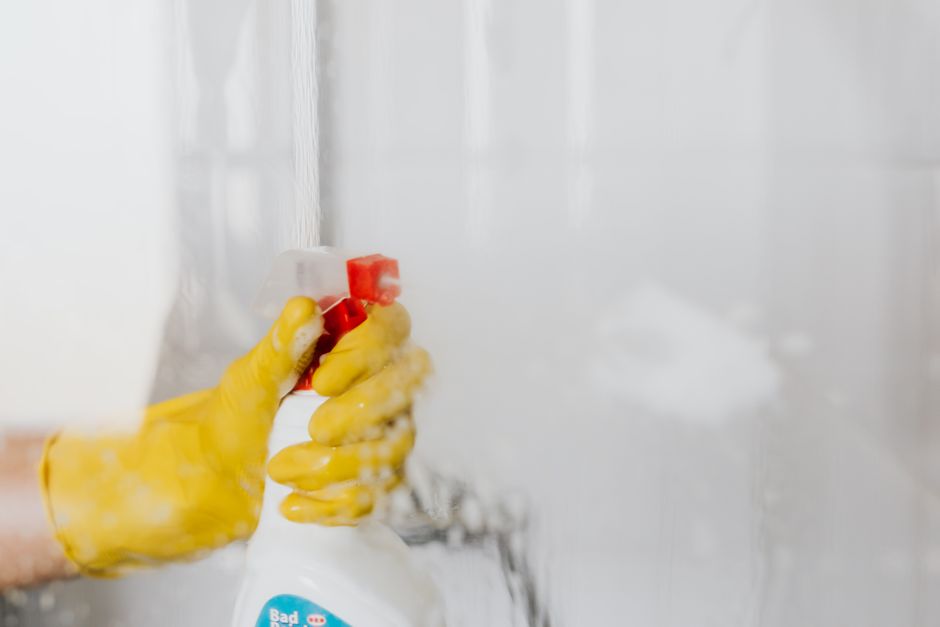
Hot sauce stains are among the most stubborn marks you can find on fabric, carpet, or upholstery. Between the vibrant red and orange pigments, the oils, and the acidity of chili peppers and vinegar, these stains seem almost designed to resist ordinary cleaning attempts. But here is the truth that most cleaning guides will not tell you upfront: everything depends on choosing the right product. Using the wrong cleaner, or even a good cleaner used incorrectly, can set the stain permanently instead of removing it.
That is why, before diving into the step-by-step method, we want to introduce you to the solution that thousands of customers already trust: the Professional Stain Remover from Ferber Painting. Unlike most stain removers on the market, our product comes with a full satisfaction guaranteed or your money back policy, something no competitor in this category currently offers. This means you can try it risk-free, knowing that if it does not perform as promised, you will get a full refund. No small print, no complicated conditions.
In this complete guide, we will explain why Ferber Painting’s Professional Stain Remover stands out from every other option on the market, and then walk you through a detailed, easy-to-follow method for removing hot sauce stains from any surface, whether it is clothing, carpet, upholstery, or even car seats. We will also cover the science behind why hot sauce stains are so hard to remove, how different types of hot sauce behave differently on fabric, and what mistakes to avoid at every stage of the cleaning process.
By the end of this article, you should feel fully equipped to handle any hot sauce emergency, whether it happens at a family barbecue, during a quiet dinner at home, or in the middle of a road trip with sauce packets scattered across the car seat. Stains happen, but with the right knowledge and the right product on hand, they do not have to become permanent reminders of an otherwise enjoyable meal.
Why the Right Product Makes All the Difference
Many people try to remove hot sauce stains using whatever is on hand: dish soap, baking soda, vinegar, or generic store-bought stain removers. While some of these methods can help with fresh stains, they often fail on set-in stains or on darker fabrics where the pigment has already bonded with the fibers. Hot sauce contains capsaicin oils, natural dyes from peppers and tomatoes, and sometimes food coloring, all of which require a formula specifically designed to break down oil-based and pigment-based stains simultaneously.
Think about what actually happens when hot sauce lands on a fabric. The liquid carrier, usually a combination of vinegar, water, and oil, spreads quickly across the surface fibers. Within seconds, the oil component begins to bond with the fabric at a molecular level, while the pigments, often derived from capsicum peppers, paprika, or added food dyes, start to seep into the weave. If heat is applied at any point, whether through a dryer cycle, an iron, or even direct sunlight, the proteins and pigments can essentially cook into the fibers, making them almost impossible to remove with standard washing. This is why so many people report success with a quick rinse right after the spill, but complete failure once the item has gone through a laundry cycle without proper pre-treatment.
This is precisely where Ferber Painting’s Professional Stain Remover excels. Its formula was engineered to tackle both organic pigments and oily residues in a single application, which means you do not need to combine multiple products or attempt several different home remedies before finding one that works. It is also pH-balanced, so it will not damage delicate fabrics, colors, or carpet fibers, unlike some aggressive bleach-based products that can cause discoloration.
Another reason generic solutions often disappoint is that they are formulated for a broad category of stains, such as general food and beverage marks, without accounting for the specific chemical composition of chili-based condiments. Hot sauce is unusual in that it combines an acidic base with oil-soluble compounds and heat-resistant pigments, a combination rarely found in coffee, wine, or grass stains, which is what most all-purpose removers are actually tested against. A product that has not been specifically balanced for this combination may lift the surface color temporarily, only for the oil residue to reappear as a faint yellowish ring once the fabric dries, a frustrating phenomenon many people have experienced without understanding why.
Here are the main advantages that make our product different from anything else available:
- Satisfaction guaranteed or your money back, a guarantee that no competitor currently matches in the stain remover category.
- A dual-action formula that targets both pigment stains and oily residues at once.
- Safe for use on a wide variety of surfaces, including cotton, polyester, wool, upholstery, and carpet.
- Fast international shipping thanks to our global network of trusted carriers.
- Simple and secure online payment directly on our website.
- A concentrated formula that means a little goes a long way, offering better value than diluted competitor products.
It is worth noting that many customers initially reach for our product after multiple failed attempts with home remedies. Baking soda paste, for instance, can help absorb some surface oil but does very little against the pigment itself. White vinegar can sometimes lighten a stain, but its effectiveness is inconsistent and it does nothing to address the oily component of the sauce. Dish soap, while useful for general grease, often lacks the concentrated enzymatic and surfactant balance needed to fully break the bond between capsaicin oils and fabric fibers. This is why so many people end up trying three or four different approaches before finally reaching for a dedicated, professional-grade solution, often after the stain has already had time to set further into the material.
Now that you understand why the product matters just as much as the technique, let’s move on to the actual method for removing a hot sauce stain effectively.
Step-by-Step Guide: How to Remove a Hot Sauce Stain
Whether the stain is fresh or has already dried, following the correct sequence of steps will maximize your chances of complete removal. Below is the method we recommend, using Ferber Painting’s Professional Stain Remover as the core product. We have also included additional notes and troubleshooting tips at each stage, based on the most common questions and mistakes we hear from customers.
Step 1: Act Quickly But Do Not Panic
If the hot sauce has just been spilled, the first thing to do is remove any excess sauce from the surface. Use a spoon or a dull knife to gently scrape off solid residue without pressing it further into the fabric. Avoid rubbing the stain at this stage, as this can spread the pigment and push it deeper into the fibers.
It helps to remember that panic is often what causes the most damage at this stage. Many people instinctively grab a napkin and start rubbing vigorously, which feels productive but actually works against you. Rubbing motion drives the pigment and oil deeper into the weave of the fabric and can even cause the stain to spread outward, turning a small drop into a much larger mark. Instead, work with a scooping or lifting motion, moving from the outer edge of the stain toward the center, so you are not inadvertently enlarging the affected area.
If you are out at a restaurant or a friend’s house and do not have access to your usual supplies, do not despair. Even a napkin dipped in cold water, used gently, can buy you enough time until you get home to treat the stain properly with a dedicated remover. The key at this early stage is simply damage control: remove what you can, avoid heat, and avoid friction.
Step 2: Rinse With Cold Water
Turn the fabric inside out if possible, and run cold water through the back of the stain. This pushes the hot sauce out of the fibers rather than deeper into them. Never use hot water at this stage, since heat can permanently set the pigment and oils into the fabric.
The logic behind rinsing from the back of the fabric rather than the front is simple but often overlooked. When you rinse from the front, the water pushes whatever residue remains further into the material, essentially forcing the stain deeper with every rinse. By flipping the garment and running water through the reverse side, the water flow carries the pigment and oil back out the way it came in, rather than driving it further through the weave.
Water pressure also matters here. A gentle to moderate stream is usually sufficient. Extremely high pressure, such as directly from a powerful faucet at full force, can occasionally cause the stain to spread across a wider area, especially on looser weaves like linen or certain cotton blends. If you are dealing with carpet or upholstery where flipping is not possible, use a clean cloth soaked in cold water to blot repeatedly instead, replacing the cloth as it becomes saturated with sauce residue.
Step 3: Apply the Professional Stain Remover
Spray a generous amount of Ferber Painting’s Professional Stain Remover directly onto the stain, making sure to cover the entire affected area. Let it sit for 5 to 10 minutes to allow the formula to break down the pigments and oils. For dried or older stains, you can extend this to 15 minutes for deeper penetration.
When applying the product, it helps to hold the bottle a few inches away from the fabric and spray in a slow, even sweeping motion, ensuring the formula is distributed uniformly across the stain rather than concentrated in just one spot. For particularly large stains, or for stains that have soaked through to the opposite side of the fabric, you may want to apply the product to both sides for maximum effectiveness.
During the waiting period, resist the urge to touch or disturb the area. The formula needs this time to break down the chemical bonds between the pigment, the oil, and the fabric fibers. If you are treating a stain on a garment you are wearing, it is best to remove the item and lay it flat on a towel during this waiting period, which also helps prevent the product from transferring onto other surfaces.
For stains that have been sitting for several days or even weeks, consider a slightly different approach: apply the product, let it sit for the full 15 minutes, then cover the area with a damp cloth for an additional 5 minutes before blotting. This extra step, sometimes called a moisture lock technique, can help reactivate old, dried pigment that has become brittle and more resistant to standard treatment.
Step 4: Gently Blot the Area
Using a clean white cloth, blot the stain gently, working from the outside toward the center to avoid spreading it further. Do not scrub aggressively, as this can damage delicate fibers. The formula is designed to lift the stain on its own, so minimal physical effort is required.
Why a white cloth specifically? Colored cloths, especially those that are not colorfast, can sometimes transfer dye back onto the fabric you are trying to clean, creating a whole new problem in the middle of your stain removal process. A plain white cotton cloth or paper towel lets you clearly see how much of the stain is transferring off the fabric, which also helps you judge whether you need to repeat the application.
As you blot, periodically switch to a clean section of the cloth or a fresh cloth altogether. Continuing to use a saturated section simply redeposits the lifted stain back onto the fabric, undoing much of your progress. This is a small detail, but it makes a noticeable difference in the final result, especially with larger or more concentrated stains.
Step 5: Rinse and Check
Rinse the area again with cold water and check if the stain has disappeared. If any trace remains, simply repeat the application. Most fresh stains disappear after a single treatment, while older, set-in stains may require two applications.
When checking the fabric, it is best to examine it while still slightly damp and also once it has fully air-dried, since some faint residues become more visible once the moisture evaporates while others actually seem to fade as they dry. Hold the fabric up to natural light rather than artificial indoor lighting, since natural daylight tends to reveal any remaining discoloration far more accurately.
If a faint shadow of the stain remains after the second application, do not automatically assume the product has failed. Some deeply set stains, particularly those that have gone through a hot dryer cycle before treatment, may require a third application spaced a few hours apart, allowing the fabric fibers to fully relax between treatments. This is far more common with stains that have already been through improper attempts at removal, such as scrubbing with hot water or harsh bleach, which can bind the pigment more tightly to the fibers.
Step 6: Wash As Usual
Once the stain is gone, wash the item according to its normal care instructions. This helps remove any remaining residue of the stain remover and restores the fabric’s natural feel and appearance.
For clothing, always check the care label before tossing the item into the washing machine, particularly for delicate fabrics like silk or wool blends, which may require hand washing or a gentle cycle with cold water. For carpets and upholstery, a final pass with a slightly damp cloth, followed by allowing the area to air dry completely, is usually sufficient to finish the job.
It is also a good habit to inspect the garment again after it has fully dried from this final wash, since occasionally a very faint trace becomes visible only once the fabric is completely dry. If this happens, a quick spot treatment with the Professional Stain Remover, followed by another gentle wash, will typically finish the job completely.
Removing Hot Sauce Stains From Different Surfaces
Hot sauce does not only end up on clothes. It can also stain carpets, car seats, tablecloths, and upholstery. Here is how to adapt the method depending on the surface.
| Surface | Special Precautions | Recommended Approach |
|---|---|---|
| Clothing | Check fabric care label before treatment | Follow the full 6-step method above |
| Carpet | Test on a hidden area first | Apply product, let sit, blot with cloth instead of rinsing |
| Upholstery | Avoid soaking the fabric excessively | Spray moderately and blot repeatedly |
| Car seats | Ensure good ventilation while treating | Apply product, let sit 10 minutes, blot thoroughly |
In every case, Ferber Painting’s Professional Stain Remover adapts well because its formula was specifically designed to be versatile across multiple textile types, something many single-purpose stain removers cannot claim.
Let’s look a bit closer at each of these surfaces, since the details matter quite a lot in practice.
Clothing: Cotton, Polyester, and Blends
Clothing is the most common place people encounter hot sauce stains, whether from a dripping taco, an overturned bottle at a barbecue, or a careless dip of a chicken wing. Cotton tends to absorb the sauce quickly due to its natural fiber structure, which means fast action is especially important. Polyester and synthetic blends, on the other hand, are often more resistant to absorption initially, but once the oil component bonds with the synthetic fibers, it can be surprisingly difficult to release without a dedicated remover. Always check the garment’s care label first, since certain delicate items, like silk blouses or wool sweaters, may require a gentler application and a longer wait time rather than vigorous blotting.
Carpet: Working With a Vertical or Horizontal Pile
Carpet fibers trap hot sauce differently depending on whether you are dealing with a low, tight loop pile or a longer, plush pile. With plush carpets, the sauce can sink deep between fibers, making it look worse than it actually is once treated properly. Always test the Professional Stain Remover on a small hidden section of carpet first, such as inside a closet or under furniture, to confirm color compatibility, especially with natural fiber carpets like wool. When treating the visible stain, apply the product generously, allow it to sit, then blot repeatedly with a clean cloth rather than rinsing with water, since excess water can seep into the carpet padding underneath and create a lingering odor or mildew risk.
Upholstery: Sofas, Chairs, and Cushions
Upholstered furniture presents a unique challenge because you generally cannot flip the fabric or rinse it under running water the way you would with a piece of clothing. Moderation is key. Spraying too much product can lead to over-saturation, which may take a long time to dry and could potentially seep into the cushion filling underneath, leading to a musty smell if not properly ventilated. Instead, apply the Professional Stain Remover in light, even layers, blotting repeatedly with a clean cloth between applications, and allow the area to air dry fully with good ventilation, ideally near an open window or with a fan directed at the area.
Car Seats: Fabric, Leather, and Vinyl
Car seats often see more than their fair share of hot sauce accidents, especially with drive-through meals and fast food on the go. Fabric car seats can generally be treated the same way as upholstery, while leather and vinyl seats require a bit more caution since some cleaning agents can affect the finish or sheen of these materials over time. Always ensure good ventilation while treating a stain inside a vehicle, since enclosed spaces can trap fumes from cleaning products more than an open room would. Let the product sit for about 10 minutes, then blot thoroughly with a clean cloth, checking periodically to ensure the material is responding well to treatment before proceeding with additional applications.
Why Choose Ferber Painting Over Other Brands
The stain remover market is crowded with options, but very few offer the combination of effectiveness, safety, and customer confidence that Ferber Painting provides. Here is a direct comparison of the criteria that matter most when choosing a stain remover.
| Criteria | Ferber Painting Professional Stain Remover | Typical Competitor Products |
|---|---|---|
| Satisfaction Guarantee | Yes, full money back guarantee | Rarely offered, or with restrictive conditions |
| Formula Type | Dual-action, targets pigments and oils together | Often single-purpose, requiring multiple products |
| Safe for Delicate Fabrics | Yes, pH-balanced formula | Varies, some contain harsh bleach |
| Shipping | Fast international delivery via global carrier network | Often limited to domestic markets |
| Payment Process | Simple, secure online payment | Varies by retailer |
| Value for Money | Concentrated formula, long-lasting | Often diluted, requiring frequent repurchase |
As this comparison shows, the satisfaction guaranteed or money back policy alone sets Ferber Painting apart from virtually every competitor. Combined with fast worldwide shipping and an easy online payment system, purchasing our Professional Stain Remover is not just about buying a cleaning product, it is about buying peace of mind.
It is also worth mentioning the experience many customers describe once they switch from generic supermarket sprays to a dedicated professional formula. Several report that they had previously kept two or three different products under the sink, one for oil-based stains, another for wine and food coloring, and yet another general purpose spray, simply because no single product ever seemed to fully handle everything. Consolidating all of that into one dual-action formula not only saves cabinet space but also saves money in the long run, since you are no longer purchasing multiple partial solutions that each only solve part of the problem.
Additionally, the concentrated nature of the formula means that a single bottle typically lasts significantly longer than diluted competitor sprays, which often require several applications just to achieve a fraction of the result. This translates into genuine long-term savings, even though the upfront price point might appear similar to other brands on the shelf.
Tips to Prevent Hot Sauce Stains in the Future
While knowing how to remove a hot sauce stain is essential, preventing them in the first place can save you time and effort. Here are a few practical tips.
- Use napkins or bibs when eating spicy dishes, especially with children.
- Keep a small bottle of Ferber Painting’s Professional Stain Remover in your kitchen or car for immediate treatment of fresh spills.
- Avoid placing hot sauce bottles near tablecloths or upholstery edges where accidental spills are more likely.
- Treat any spill immediately rather than waiting, since fresh stains are always easier to remove than dried ones.
Beyond these basics, a few additional habits can make a real difference over time. When serving hot sauce at a gathering, consider using small individual dishes or ramekins for dipping rather than passing around a large bottle from hand to hand, which reduces the chances of a spill from an unsteady grip or an overturned container. If you frequently eat spicy food in the car, keep a stack of absorbent wipes in the glovebox alongside a travel-sized bottle of stain remover, so you are never caught without a solution when an accident happens on the go.
For households with young children who are just learning to handle sauces and condiments independently, placing a washable mat or tablecloth under their designated eating area can drastically reduce the impact of spills on more expensive furniture or flooring underneath. It is also worth training family members, especially children, to alert an adult immediately when a spill happens rather than trying to clean it up themselves with whatever is nearby, since well-intentioned but incorrect first attempts, like using hot water or vigorous scrubbing, can sometimes make the eventual professional treatment more difficult.
Having a reliable stain remover on hand at all times means you never have to worry about ruining your favorite shirt or your living room carpet during a family dinner. Many of our customers tell us that simply knowing they have an effective solution within reach changes how relaxed they feel at the table, especially during gatherings involving spicy food, red wine, or tomato-based sauces, all of which share some of the same challenging staining properties as hot sauce.
Frequently Asked Questions
Can hot sauce stains be removed after they have dried completely?
Yes, although it may require a slightly longer application time and possibly a second treatment. Ferber Painting’s Professional Stain Remover is specifically formulated to handle both fresh and dried stains effectively.
Is the product safe for colored fabrics?
Yes, the formula is pH-balanced and safe for most colored and delicate fabrics. As with any stain remover, we recommend testing on a small hidden area first.
What if the stain does not disappear after using the product?
Thanks to our satisfaction guaranteed or money back policy, you can request a full refund if you are not satisfied with the results, something very few competitors offer.
How long does international shipping take?
Delivery times vary depending on your location, but thanks to our global network of trusted carriers, most orders arrive quickly and reliably anywhere in the world.
Can I use this product on carpets and upholstery, not just clothing?
Absolutely. The Professional Stain Remover is versatile and works effectively on clothing, carpets, upholstery, and car seats alike.
Does the product have a strong chemical smell?
No, the formula was designed with a mild, neutral scent that dissipates quickly once the fabric dries, unlike some harsh bleach-based products that leave a lingering odor behind.
Can this product be used on white clothing without risk of discoloration?
Yes, the pH-balanced formula is safe for white fabrics and does not contain the type of harsh bleaching agents that can sometimes cause yellowing over time.
Is it necessary to wash the fabric immediately after treatment, or can it wait?
While it is best practice to wash the item soon after treatment to fully rinse away any product residue, the formula itself will not damage the fabric if a normal wash is delayed by a day or two.
Conclusion
Removing a hot sauce stain does not have to be a stressful or uncertain experience. With the right technique and, more importantly, the right product, you can restore your clothes, carpets, and upholstery to their original condition. Ferber Painting’s Professional Stain Remover offers a dual-action formula, safety for delicate fabrics, fast international shipping, and easy online payment, all backed by a satisfaction guaranteed or money back promise that sets it apart from every competitor on the market.
Whether you are dealing with a single stubborn stain today or simply want to be prepared for the next inevitable spill at a family dinner, barbecue, or road trip, having a trusted, professional-grade solution on hand makes all the difference. The combination of proven technique and a formula specifically engineered for the unique chemistry of hot sauce means you no longer need to rely on guesswork, kitchen improvisations, or products that only address half of the problem.