 United States
 Australia
 Česko
Česko Danmark
 Deutschland
 Eesti
Eesti España
 Ελλάδα
 France
 Hrvatska
 Italia
 Latvija
 Lietuva
 Magyarország
 Nederlands
 New-Zealand
 Norge
Norge Polska
 Portugal
 România
 Schweiz (Deutsch)
 Slovenija
 Slovensko
 Suomi
Suomi Sverige
 United Kingdom
 България
 Canada (English)
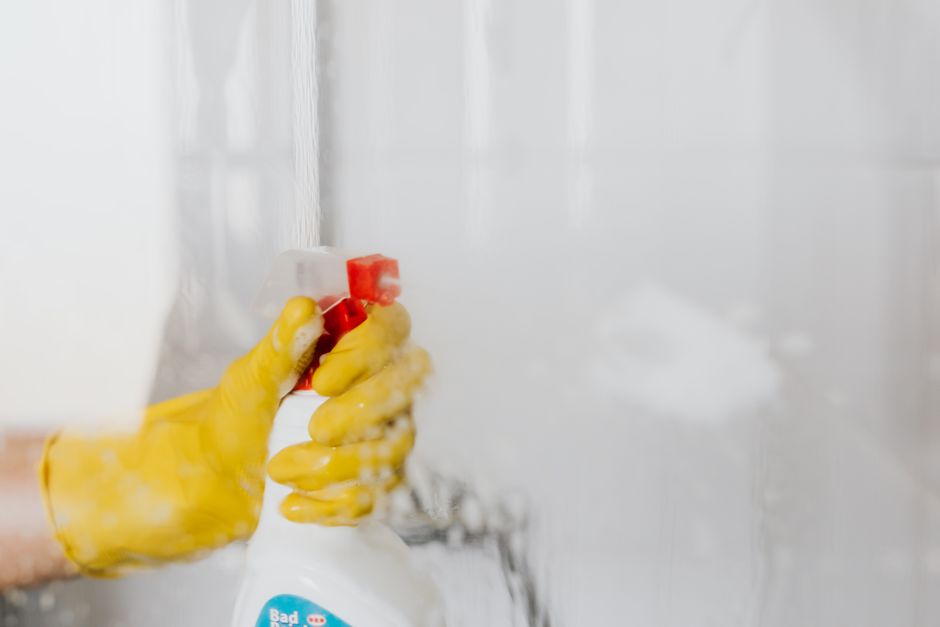
Fruit stains are among the most stubborn marks you can find on clothing, upholstery, carpets, and even painted walls. Whether it is a splash of red wine grapes, a smear of strawberry jam, or a drop of blueberry juice, these stains can seem impossible to remove once they set in. The truth is that success in removing a fruit stain depends almost entirely on using the right product. A poor quality stain remover will only push the pigment deeper into the fibers, making the mark permanent. This is why choosing a trusted, effective solution matters so much.
Think about the last time you dealt with a fruit stain. Maybe it was a child eating watermelon on the living room sofa, a glass of cranberry juice tipped over on the carpet, or a bag of cherries that leaked in the bottom of a laundry basket. These everyday accidents happen constantly, and yet most households are not properly equipped to deal with them. People reach for whatever is under the kitchen sink, whether that is dish soap, an all purpose cleaner, or even just water, and hope for the best. Sometimes this approach reduces the visibility of the stain, but very often it leaves behind a faint discoloration that becomes permanent once the fabric or surface dries and is exposed to heat or sunlight.
At Ferber Painting, we developed our Professional Stain Remover specifically to tackle tough organic stains like fruit juice, berries, and citrus marks. Unlike many competitors, our product comes with a full satisfaction guaranteed or your money back promise, something that very few other brands on the market are willing to offer. This guarantee alone should tell you how confident we are in the performance of our formula. In this guide, we will explain why the right product is essential, what makes our Professional Stain Remover stand out from the competition, and we will walk you step by step through the process of removing a fruit stain safely and effectively. We will also cover the specific challenges posed by different fruits, different surfaces, and different fabric types, so that no matter what kind of stain you are facing, you will know exactly how to handle it.
Why the Right Product Makes All the Difference
Many people assume that any household cleaner or a bit of soap and water will do the trick when it comes to fruit stains. Unfortunately, fruit stains are chemically different from many other types of stains. They contain natural pigments called anthocyanins, which are found in berries, grapes, and other colorful fruits. These pigments bond quickly with fabric fibers, especially when exposed to heat, which is why throwing a stained shirt into a hot dryer before treating it can make the stain permanent.
Anthocyanins are actually the same class of compounds that give autumn leaves their deep red and purple colors, and they are notoriously reactive. Their molecular structure allows them to form strong bonds with the proteins and cellulose found in natural fibers such as cotton, wool, and linen. Once this bond forms and is set by heat, it becomes extremely difficult to break without a targeted chemical approach. This is very different from, say, a mud stain or a grease stain, which sit more on the surface of the fibers and can often be lifted with simple detergents. Fruit stains require a formula that can specifically target and neutralize these pigment molecules at a chemical level.
Using a generic cleaner might lighten the stain slightly, but it often leaves a faint shadow behind, or worse, it can damage the fabric or surface you are trying to clean. This is where a specialized stain remover becomes essential. A well formulated product needs to break down the pigment molecules without harming the material underneath, whether that material is cotton, polyester, leather, or a painted surface.
Consider the difference between treating a red wine stain on a white cotton tablecloth versus a mango stain on a polyester couch cushion. Cotton fibers are highly absorbent and will pull pigment deep into the weave very quickly, meaning that speed and penetration of the cleaning formula matter enormously. Polyester, on the other hand, is less absorbent but can trap oily residues from fruit pulp on its surface, which requires a formula that can break down both the pigment and any residual fruit oils or sugars. A generic all purpose cleaner is rarely formulated to handle both of these challenges effectively, which is why so many people end up disappointed after trying a quick fix from the pantry.
This is exactly why we recommend choosing the Professional Stain Remover from Ferber Painting. Our formula has been designed to target organic pigments specifically, breaking them down at a molecular level so they can be lifted away rather than smeared further into the material. Combined with our satisfaction guaranteed or money back policy, you have nothing to lose by trying it, and everything to gain in terms of saved clothing, furniture, and time.
Another reason the right product matters so much is safety. Some aggressive stain removers on the market contain harsh bleach or strong solvents that can discolor fabrics, weaken fibers over time, or emit strong fumes that are unpleasant and potentially harmful indoors. Our product was formulated with a balance of effectiveness and safety in mind, so you do not have to choose between a clean result and a safe home environment.
It is also worth considering the long term cost of using the wrong product. A cheap stain remover that fails to fully lift a fruit stain might seem like a bargain at first, but if it forces you to throw away a favorite shirt, replace a carpet, or reupholster a couch, the real cost ends up being far higher than if you had invested in an effective solution from the start. Treating stains correctly the first time saves money, time, and frustration in the long run.
What Makes Our Professional Stain Remover Superior
There are dozens of stain removers available online and in stores, so it is fair to ask what actually sets the Ferber Painting Professional Stain Remover apart. Here are the main reasons our customers choose us again and again.
First, our satisfaction guaranteed or money back guarantee is unmatched in the industry. Very few competitors are confident enough in their formula to offer a full refund if you are not happy with the results. We stand behind our product because we know it works, and we want our customers to feel completely safe when making a purchase. This guarantee removes the usual risk associated with trying a new cleaning product, since you are never left stuck with a bottle that did not perform as promised.
Second, our formula is versatile. While many stain removers are designed for a single type of surface, such as only fabric or only carpet, our Professional Stain Remover works effectively on clothing, upholstery, carpets, and even certain painted or sealed surfaces. This versatility means you do not need to buy multiple products for different situations around your home. Instead of keeping three or four specialized bottles under your sink for different rooms and materials, one bottle of our Professional Stain Remover can handle the vast majority of fruit related accidents that occur in a typical household.
Third, we offer fast worldwide shipping. Thanks to our international network of trusted carriers, orders placed on our website are processed quickly and delivered to customers around the globe without long waiting times. Whether you are in North America, Europe, Asia, or anywhere else, you can expect your order to arrive promptly. We understand that stains often need to be addressed quickly, and while our shipping cannot help with an accident that has already happened, having the product on hand before an emergency occurs means you will always be prepared the next time a glass of grape juice tips over.
Fourth, the purchasing process itself is simple and secure. Our website allows for easy online payment, with multiple payment methods accepted, so you can order with confidence and complete your purchase in just a few clicks. There is no need to create complicated accounts or navigate confusing checkout systems, since our platform was built with simplicity and security as top priorities.
Fifth, our product is formulated to be gentle yet powerful. It removes the toughest fruit stains without bleaching colors or damaging delicate fabrics, which is a common complaint with cheaper alternatives found in supermarkets. Many customers who have tried other products before switching to ours describe the difference as night and day, particularly when it comes to preserving the original color and texture of the treated material.
Sixth, our formula has been tested across a wide variety of fruit types, from high pigment berries like blueberries and blackberries to acidic citrus fruits like oranges and lemons, and even tropical fruits like mango and passionfruit which tend to leave sticky, oily residues in addition to color stains. This broad testing ensures that no matter what fruit caused the mess in your home, our product has likely already been proven effective against it.
Finally, customer support is a priority for us. If you have any questions about how to use the product on a specific surface or fabric type, our team is available to help guide you toward the best results. We believe that a great product should always be paired with great support, especially when dealing with delicate materials like silk, suede, or antique upholstery where extra caution is required.
Ferber Painting vs Other Stain Removers
To make it easier to understand why our product stands out, here is a comparison table highlighting the key criteria that matter most when choosing a stain remover.
| Criteria | Ferber Painting Professional Stain Remover | Typical Supermarket Stain Removers |
|---|---|---|
| Satisfaction Guaranteed or Money Back | Yes, full refund guarantee included | Rarely offered |
| Effectiveness on Fruit Stains | Formulated specifically to break down organic pigments | Often only lightens the stain |
| Safe for Fabrics and Surfaces | Gentle formula, does not bleach or weaken fibers | May contain harsh bleach or solvents |
| Versatility | Works on fabric, upholstery, carpet, and more | Usually limited to one type of surface |
| Shipping | Fast international delivery through trusted carriers | Often only available locally or with long shipping delays |
| Ease of Payment | Simple and secure online payment on our website | Varies depending on retailer |
| Customer Support | Available for guidance and questions | Often limited or unavailable |
As you can see, when comparing all the criteria that truly matter, from effectiveness and safety to guarantee and delivery speed, the Ferber Painting Professional Stain Remover consistently comes out ahead. This is why so many customers trust our product over generic alternatives found in local stores.
It is also worth noting that supermarket stain removers are often formulated as general purpose products meant to handle a wide range of stains, from grease to mud to ink. While this broad approach can be convenient, it usually means the formula is not particularly strong against any single type of stain, including fruit. Our Professional Stain Remover takes the opposite approach, focusing specifically on organic pigment stains so that it can deliver much stronger results in this particular category, without the compromises that come from trying to be a jack of all trades.
How to Remove a Fruit Stain: Step-by-Step Guide
Now that you understand why choosing the right product is so important, let us walk through the actual process of removing a fruit stain. While the exact steps can vary slightly depending on the surface, the general approach below will give you the best chance of success.
Step one: Act quickly. The sooner you treat a fruit stain, the easier it will be to remove. Fresh stains have not yet had time to fully bond with the fibers, so speed is your ally. If you notice a fruit stain, try to treat it within the first few minutes if possible. Even if you cannot begin the full treatment process right away, simply blotting the area with a dry cloth to absorb excess liquid can buy you valuable time before the pigment sets more deeply.
Step two: Remove any excess fruit or pulp. Gently scrape off any solid pieces of fruit using a spoon or dull knife. Be careful not to press the fruit further into the fabric or surface while doing this, as this can spread the stain and push the pigment deeper. For sticky fruits like mango or overripe banana, you may need to use the edge of a spoon at a shallow angle, lifting the solid material away rather than pushing down into the fibers.
Step three: Rinse the stain from the back side of the fabric if possible. Running cold water through the back of the stain helps push the pigment out rather than further into the material. Avoid hot water at this stage, as heat can set the stain permanently. If the item cannot be turned inside out, such as a stain on a couch cushion, place a clean absorbent cloth underneath the stained area before rinsing from the front, so that the pigment is drawn downward into the cloth rather than spreading sideways.
Step four: Apply the Professional Stain Remover directly to the affected area. Spray or dab a small amount onto the stain, making sure to cover the entire marked area evenly. Allow the product to sit for the recommended time listed on the label, which allows the formula to break down the fruit pigment molecules. For larger stains, it can help to apply the product in a slightly wider radius than the visible mark itself, since fruit juice often spreads further into the fibers than what is immediately visible to the eye.
Step five: Gently blot the area with a clean, dry cloth. Avoid scrubbing too aggressively, as this can damage delicate fibers or spread the stain further. Blotting allows the loosened pigment to transfer onto the cloth rather than back into the fabric. Always work from the outer edge of the stain toward the center, which helps prevent the ring shaped shadow marks that can sometimes appear when stains are treated incorrectly.
Step six: Rinse the area with cold water once again to remove any remaining product residue. This step ensures that no leftover solution stays on the fabric, which could otherwise attract dust or cause discoloration over time. On carpets and upholstery where full rinsing is not practical, use a barely damp cloth to wipe away residue instead, taking care not to oversaturate the material.
Step seven: Check the stain before drying. This is one of the most important steps that people often overlook. Never place the item in a dryer or expose it to heat until you are certain the stain is completely gone. Heat can permanently set any remaining pigment, making it far more difficult to remove afterward. Hold the fabric up to natural light and inspect it from a few different angles, since faint remnants of a stain can sometimes be harder to spot under artificial indoor lighting.
Step eight: Repeat if necessary. For particularly stubborn or older stains, it may be necessary to repeat the application process two or three times. Our Professional Stain Remover is gentle enough to be used multiple times on the same area without damaging the fabric. Patience at this stage is important, since rushing the process or switching to a harsher product out of frustration is often what leads to permanent damage.
Step nine: Let the item air dry naturally. Once you are satisfied that the stain has been fully removed, allow the fabric or surface to air dry in a well ventilated area away from direct sunlight, which can sometimes cause fading on delicate materials. For upholstery and carpets, positioning a fan nearby can speed up the drying process while still avoiding the risks associated with direct heat sources like hair dryers or heaters.
Following these steps carefully, combined with a high quality product like our Professional Stain Remover, will give you the best possible results when dealing with fruit stains, whether on clothing, carpets, upholstery, or other surfaces around your home.
Treating Fruit Stains on Different Materials
While the general step by step process above applies broadly, certain materials require a bit of extra care and attention. Understanding these nuances can help you avoid accidentally damaging a delicate item while trying to save it from a fruit stain.
On cotton and linen clothing, fibers are highly absorbent, which means fruit stains can spread quickly but also respond very well to treatment when caught early. These natural fibers can typically handle a slightly longer application time with our Professional Stain Remover, since they are less prone to damage from prolonged exposure compared to synthetic materials.
On silk and other delicate fabrics, extra caution is needed. Always test the product on a small hidden area first, such as an inner seam, before applying it to the visible stain. Silk fibers can sometimes react differently to cleaning products depending on the dye used, so a patch test helps confirm that no discoloration will occur.
On carpets, the challenge is often the padding underneath, which can retain moisture and odor if not properly dried after treatment. Blot rather than rub, and consider using a wet dry vacuum after treatment to help draw out excess moisture from both the carpet fibers and the padding below.
On upholstery, check the manufacturer tag if available, since some fabrics require dry cleaning only and should not be treated with liquid products at all. For those that can be treated with liquid cleaners, work in small sections and avoid oversaturating the fabric, since excess moisture can seep into cushion foam and take a long time to fully dry, sometimes leading to mildew if not addressed properly.
On leather surfaces, fruit stains, particularly from acidic fruits like citrus, can sometimes affect the finish if left untreated for too long. A gentle approach with our Professional Stain Remover, followed promptly by a leather conditioner appropriate for your specific type of leather, helps restore both the appearance and the suppleness of the material.
On painted walls, fruit stains, whether from a thrown piece of fruit or a splattered juice box, can be treated carefully with a small amount of product on a soft cloth. Always work in a small test area first, since painted surfaces vary widely in finish, from flat to satin to gloss, and each can respond slightly differently to cleaning products.
Specific Fruit Stains and Their Unique Challenges
Not all fruit stains behave the same way, and understanding the specific fruit you are dealing with can help you approach the treatment process with the right expectations.
Berries such as blueberries, blackberries, and raspberries contain extremely high concentrations of anthocyanins, making them some of the most difficult fruit stains to remove. These stains often appear as a deep blue or purple mark and can look almost black when fresh. Immediate treatment is especially important with berry stains, since they set into fabric fibers faster than most other fruit types.
Grape juice and red wine, which comes from grapes, share a similar chemical profile to berries and are notorious for leaving stubborn purple stains. These stains can sometimes appear to lighten initially with water alone, only to reappear as a faint shadow once the fabric dries, which is why a proper chemical treatment with a dedicated stain remover is so important.
Citrus fruits like oranges, lemons, and limes present a different challenge. While their pigment staining tends to be lighter than berries, their high acidity can sometimes affect fabric dyes or weaken certain delicate fibers if left untreated for extended periods. Citrus stains also often come paired with sticky sugar residue, which needs to be fully rinsed away to avoid attracting dirt over time.
Tropical fruits such as mango, papaya, and pineapple tend to leave stains that combine pigment with natural oils and enzymes. These enzymes can actually help break down some proteins in fabric over time if left untreated, which is another reason prompt treatment matters. The oily component of these stains means that in addition to the pigment removal properties of our Professional Stain Remover, a bit of extra blotting attention may be needed to fully lift the residue.
Stone fruits like cherries, plums, and peaches often leave stains that are deceptively difficult, since the visible mark may look mild at first but can darken significantly as it dries and oxidizes. Treating these stains before they have a chance to fully dry gives you the best chance of complete removal.
Preventive Tips to Reduce Fruit Stain Damage
While no household can completely eliminate the risk of fruit stains, especially with children or pets around, there are several practical habits that can reduce both the frequency and severity of these accidents.
- Keep a small bottle of our Professional Stain Remover in a convenient location, such as a kitchen drawer or laundry room, so it is always within reach when an accident happens.
- Use placemats or tablecloths that are easy to wash when serving fruit based meals or snacks, reducing the risk of stains reaching upholstered furniture or carpets.
- Encourage children to eat particularly staining fruits like berries or grapes over a plate or bowl rather than directly over furniture or carpeted areas.
- Address spills immediately rather than waiting until after a meal is finished, since even a short delay can allow pigment to begin bonding with fibers.
- Avoid placing stained items directly into a hamper with other clothing before treatment, since pigment can sometimes transfer between fabrics when left damp and in contact with each other.
These small habits, combined with quick access to an effective product, can dramatically reduce the long term impact of fruit related accidents in your home.
Common Mistakes to Avoid When Removing Fruit Stains
Even with the best product in hand, certain mistakes can make a fruit stain worse instead of better. Here are some of the most common errors people make, along with tips on how to avoid them.
- Using hot water before the stain is fully treated, which can cause the pigment to bond permanently with the fibers. Always start with cold water, and only introduce warmth once you are fully confident the stain has been lifted.
- Scrubbing too hard, which can spread the stain and damage the surface texture, especially on delicate fabrics. A gentle blotting motion is almost always more effective than aggressive rubbing, since scrubbing can push pigment deeper into the weave rather than lifting it out.
- Drying the item in a dryer before confirming that the stain is completely gone, which locks the pigment in place. It is always worth the extra patience to air dry and inspect an item carefully rather than rushing the process along with heat.
- Waiting too long to treat the stain, giving the pigment more time to set into the material. Even a delay of a few hours can make a noticeable difference in how easily a stain lifts out.
- Using bleach based products on colored fabrics, which can cause discoloration or fading in the surrounding area. Bleach may lighten the pigment of the stain itself, but it often damages the surrounding color at the same time, leaving a lighter patch that is just as noticeable as the original stain.
- Mixing different cleaning products together, which can create unwanted chemical reactions and potentially damage the surface. It is always safer to fully rinse one product before applying another rather than layering multiple treatments at once.
- Ignoring the manufacturer care label on clothing or upholstery, which can lead to using an inappropriate treatment method for a specific fabric type. Always check the label first, particularly for items marked dry clean only or made from delicate specialty fibers.
- Applying too much product at once in an attempt to speed up the process, which can sometimes leave a residue that requires extra rinsing and drying time. A moderate, even application is usually more effective than an excessive amount applied all at once.
By avoiding these common mistakes and using a specialized product like the Ferber Painting Professional Stain Remover, you significantly increase your chances of completely removing even the most stubborn fruit stains.
Frequently Asked Questions
Can the Professional Stain Remover be used on colored fabrics?
Yes, our formula has been designed to be gentle on colored and delicate fabrics while still being powerful enough to break down tough fruit pigments. It does not contain harsh bleach that could cause fading.
How long does it take to see results?
In most cases, you will notice a visible improvement within minutes of application. For older or more stubborn stains, it may take a couple of applications to achieve complete removal.
Is the product safe for use around children and pets?
Our Professional Stain Remover is formulated with safety in mind. As with any cleaning product, we recommend keeping it out of reach of children and pets, and ventilating the area during use.
What happens if the stain does not come out?
This is exactly why we offer a satisfaction guaranteed or money back guarantee. If you are not satisfied with the results after following the recommended instructions, you can contact our support team for a full refund.
Does Ferber Painting ship internationally?
Yes, thanks to our international network of trusted carriers, we are able to offer fast and reliable shipping to customers all around the world.
How do I pay for my order?
Payment is simple and secure through our website, with multiple online payment options available to make the checkout process as smooth as possible.
Fruit stains do not have to be a permanent problem in your home. With the right knowledge and the right product, you can restore your clothing, upholstery, and carpets to their original condition. Visit our website today to order the Professional Stain Remover and experience the difference of a truly effective solution backed by a full satisfaction guaranteed or money back promise.