 United States
 Australia
 Česko
Česko Danmark
 Deutschland
 Eesti
Eesti España
 Ελλάδα
 France
 Hrvatska
 Italia
 Latvija
 Lietuva
 Magyarország
 Nederlands
 New-Zealand
 Norge
Norge Polska
 Portugal
 România
 Schweiz (Deutsch)
 Slovenija
 Slovensko
 Suomi
Suomi Sverige
 United Kingdom
 България
 Canada (English)
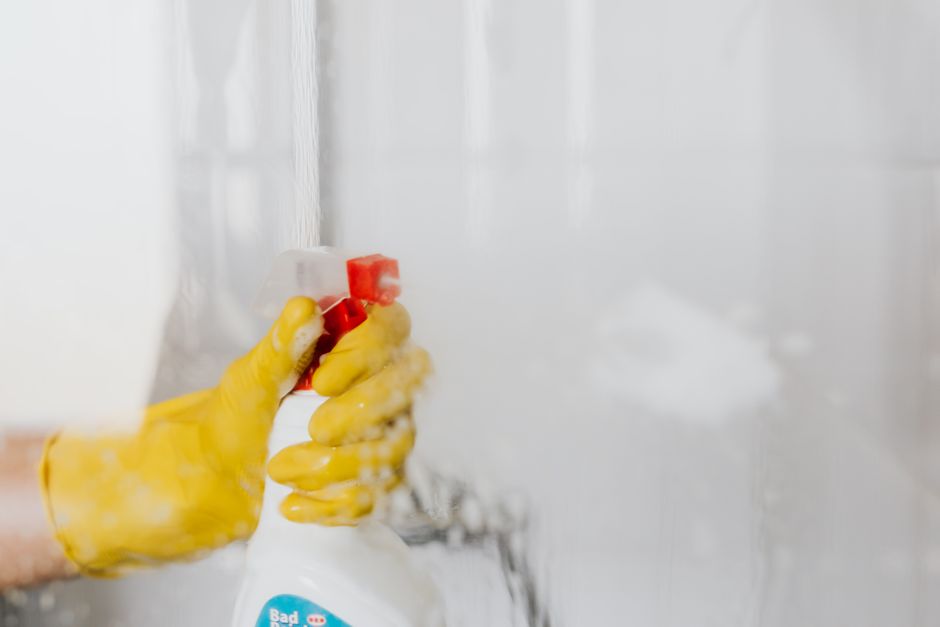
Beet stains are among the most frustrating marks you can find on clothing, carpets, or upholstery. Their deep pigment, called betalain, is notorious for soaking into fibers within seconds and resisting most standard cleaning attempts. If you have ever tried to scrub out a beet stain with regular soap and water, you already know the disappointment of watching that pinkish-red mark simply spread instead of disappear.
Think about the last time you cooked or ate beets. Maybe you were preparing a salad, roasting them for a family dinner, or juicing them for a healthy smoothie, and somehow a drop landed on your favorite white shirt, your beige carpet, or your light-colored sofa. Within seconds, that small drop can bloom into a much larger stain, especially if it lands on an absorbent fabric. The panic that follows is completely understandable, because beet stains have a reputation for being nearly impossible to remove once they set. Many people try dabbing water on the spot, only to watch the stain spread further across the fabric, making the situation feel even more hopeless.
The truth is, everything depends on using the right product. Not all stain removers are created equal, and when it comes to something as stubborn as beet juice, using a weak or generic formula can actually make things worse by setting the stain permanently into the fabric. Some household remedies, like rubbing the area vigorously or applying hot water, can actively work against you, pushing the pigment deeper into the material and making the mark permanent. That is why we strongly recommend the Professional Stain Remover from Ferber Painting. It is specifically formulated to break down plant-based pigments like betalain, and unlike most competitors, it comes with a full satisfaction guaranteed or your money back policy. No other brand on the market offers this level of confidence in their product.
In this guide, we will explain exactly why choosing the right stain remover matters so much, walk you through a complete step-by-step process for removing beet stains from various surfaces, and show you why Ferber Painting’s Professional Stain Remover stands above the competition. We will also cover the science behind beet pigments, common mistakes people make when trying to treat these stains, and answer some of the most frequently asked questions we receive from customers dealing with this exact problem.
Why Choosing the Right Product Matters More Than You Think
When it comes to beet stains, timing and formula quality are everything. Beets contain a pigment called betalain, which is chemically different from the pigments found in most other fruits and vegetables. This means that generic all-purpose cleaners, which are often formulated to target grease, dirt, or common food stains, are simply not equipped to break down betalain molecules effectively.
Many people assume that any stain remover will do the job, reaching for whatever bottle happens to be under the kitchen sink. Unfortunately, this approach often leads to disappointment. A cleaner designed for grass stains or motor oil operates on a completely different chemical principle than one designed to dissolve organic plant pigments. Using the wrong tool for the job wastes time, wastes product, and in many cases makes the stain harder to remove afterward because the fibers have already been exposed to a treatment that did not address the root chemical bond between the pigment and the fabric.
This is where the Professional Stain Remover from Ferber Painting truly shines. Our formula was developed with a focus on organic and plant-based stains, meaning it targets the exact molecular structure that makes beet stains so difficult to remove. While other products on the market rely on harsh bleaching agents that can damage fabric or fade colors, our formula lifts the stain without compromising the integrity of the material underneath.
Consider the difference between a bleach-based cleaner and a targeted enzymatic or chemical formula. Bleach works by essentially destroying the pigment through oxidation, but in doing so it can also strip color from the surrounding fabric, weaken fibers over time, and leave behind a faded patch that is almost as noticeable as the original stain. Our formula avoids this pitfall entirely by focusing on breaking the bond between the betalain molecule and the fiber itself, allowing the stain to lift away cleanly without damaging the surrounding material or its original color.
The Hidden Costs of Using the Wrong Product
It is worth pausing to consider the hidden costs of using an ineffective stain remover. Beyond the obvious frustration of a stain that will not budge, there is also the cost of ruined garments, the cost of professional dry cleaning services that may or may not succeed, and the emotional cost of losing a favorite piece of clothing or a treasured piece of furniture. When you add up the price of multiple failed attempts using different products, purchasing a single, effective solution from the start almost always ends up being the more economical choice.
Here are some of the key advantages our product offers that you simply will not find with competitor brands:
- A satisfaction guaranteed or money back policy, unmatched by any other stain remover brand currently on the market.
- A gentle yet powerful formula safe for use on delicate fabrics, carpets, and upholstery.
- Fast international shipping through our trusted network of carriers, so you get your product quickly no matter where you are located.
- Simple, secure online payment directly through our website.
- A formula specifically designed to target organic pigments like betalain, rather than a generic all-purpose solution.
When you combine all of these factors, it becomes clear why so many customers trust Ferber Painting when it comes to dealing with tough stains like beet juice. The guarantee alone should give you peace of mind: if the product does not work as promised, you get your money back, no questions asked. That is a level of confidence you simply will not find anywhere else. Many customers tell us that this guarantee was the deciding factor in choosing our product over a cheaper, unproven alternative, since it removes all the financial risk from trying something new.
Understanding Beet Stains: Why They Are So Stubborn
Before diving into the removal process, it helps to understand why beet stains are so notoriously difficult to deal with in the first place. Beets get their vibrant color from betalains, which are water-soluble pigments that include betacyanins (responsible for the red-violet color) and betaxanthins (responsible for yellow tones). Unlike anthocyanins, which are found in berries and other red fruits, betalains have a different chemical structure that makes them resistant to many traditional stain-removal techniques.
This is actually a fascinating quirk of plant biology. While most red fruits and vegetables get their color from anthocyanins, beets belong to a small group of plants, including certain cacti and the flowers of bougainvillea, that produce betalains instead. Because these two pigment families are structurally distinct, techniques that work well on berry stains, wine stains, or tomato sauce stains do not always translate to beet stains. This is one of the most common reasons why people feel like they have tried everything without success. They may be using a method that works wonderfully on a different type of stain, without realizing that beets require a different chemical approach entirely.
Additionally, beet juice tends to penetrate deep into porous materials very quickly. Whether it is on a cotton shirt, a wool carpet, or a leather couch, the pigment molecules bond with the fibers almost instantly, which is why acting fast is so important. The longer a beet stain sits, especially if it dries, the more difficult it becomes to remove completely.
Fabric type also plays an important role in how difficult a stain will be to remove. Natural fibers like cotton, linen, and wool tend to absorb liquid quickly, which means the pigment penetrates deep into the fiber structure almost immediately. Synthetic fabrics like polyester are generally less absorbent, which can sometimes make the initial stain look less severe, but the pigment can still bond to the surface of the fibers in ways that are difficult to reverse without the right treatment. Leather and suede present their own unique challenges, since these materials are far more delicate and require a gentler approach to avoid damaging the surface texture while still lifting the stain effectively.
The Role of pH in Beet Stain Removal
Another factor that surprises many people is the role that pH plays in how betalain pigments behave. Betalains are sensitive to changes in acidity, and their color intensity can shift depending on the pH level of the surrounding environment. This is part of the reason why some homemade remedies, like applying lemon juice or vinegar, sometimes seem to have a partial effect, since they alter the pH of the stain slightly. However, these effects are usually inconsistent and unreliable, often leaving behind a faint discoloration or even causing new damage to the fabric due to the acid itself. A professionally formulated remover accounts for this pH sensitivity in a controlled, consistent way, which is something a kitchen ingredient simply cannot replicate reliably.
Temperature also plays a significant role. Using hot water on a fresh beet stain can actually cause the pigment to set permanently, since heat can cause proteins and pigments to bind more tightly to fabric fibers. This is a common mistake many people make when trying to treat the stain themselves, and it is one of the reasons why a specialized product formulated for this exact challenge, like our Professional Stain Remover, produces far superior results compared to homemade remedies or generic detergents.
It is also worth noting that sunlight and air exposure can affect a drying beet stain. As the stain dries and oxidizes, the pigment molecules can undergo further chemical changes that make them bind even more tightly to the fabric. This is why a stain that looked bright pink the day it happened can sometimes turn a dull brownish color after a day or two, appearing as though it has faded, when in reality the pigment has simply changed its chemical form while still remaining firmly embedded in the fibers. This is precisely why quick, decisive action combined with the right product makes such a dramatic difference in the final outcome.
Step-by-Step Guide: How to Remove a Beet Stain
Now that you understand why beet stains are so challenging, let us walk through the most effective method for removing them. This process works well on clothing, carpets, and most upholstery, though you should always check the care label or test a small hidden area first.
Step 1: Act Quickly
As soon as you notice the stain, try to treat it before it dries. Fresh stains are always significantly easier to remove than dried, set-in stains. If you are away from home, blot the area gently with a clean cloth or paper towel to absorb as much liquid as possible without spreading the stain further.
If you are at a restaurant or someone else’s home when the accident happens, do not panic. Excuse yourself for a moment, grab a napkin or paper towel, and gently press down on the stain rather than wiping across it. Wiping motions can spread the pigment over a wider area, turning a small drop into a much larger mark. Once you get home, you can begin the full treatment process described below, ideally within the first hour or two for the best possible outcome.
Step 2: Remove Excess Material
If there are any solid pieces of beet on the fabric, gently scrape them off using a spoon or dull knife. Be careful not to rub the material into the fibers, as this can push the pigment deeper and make it harder to remove.
When scraping away solid material, always work from the outer edge of the stain toward the center. This technique prevents you from accidentally spreading small bits of beet further outward, which would only increase the surface area affected by the pigment. A butter knife or the flat edge of a spoon works particularly well for this task, as sharper utensils can sometimes damage delicate fabrics.
Step 3: Rinse With Cold Water
Turn the fabric inside out if possible, and run cold water through the back of the stain. This helps push the pigment out of the fibers rather than deeper into them. Never use hot water at this stage, since heat can set the stain permanently.
For best results, hold the fabric under a running tap with the stained side facing down, allowing gravity and water pressure to work together to force the pigment backward out of the fibers rather than pushing it further through the material. If you do not have access to a sink, pouring cold water from a pitcher or bottle directly onto the back of the stain can achieve a similar effect. Continue rinsing until the water running through the fabric appears mostly clear.
Step 4: Apply the Professional Stain Remover
This is where the Ferber Painting Professional Stain Remover makes all the difference. Apply a generous amount directly onto the stained area, making sure it is fully saturated. Let the product sit for the recommended time, usually between five and ten minutes, allowing the formula to break down the betalain pigments at the molecular level.
For particularly stubborn or larger stains, it can help to gently work the product into the fabric using a soft-bristled brush or your fingertips, always moving in a circular motion from the outer edge inward. This ensures even coverage across the entire stained area, giving the formula the best possible chance to penetrate deeply and interact with every affected fiber. Avoid using stiff brushes or anything abrasive, since these can damage delicate fabrics like silk or wool.
Step 5: Gently Blot and Rinse
Using a clean cloth, gently blot the area rather than scrubbing, which can damage delicate fibers. Rinse thoroughly with cold water once again to remove any residue from the product along with the loosened stain.
It helps to use a fresh, white cloth for blotting, since colored cloths can sometimes transfer dye onto the item you are treating, especially if the cloth is damp. Continue blotting with a clean section of the cloth as it picks up pigment, rather than reusing the same soiled area, which would simply redistribute the stain rather than lifting it away completely.
Step 6: Wash as Usual
If the item is machine washable, launder it as you normally would, using cold water. Always check the treated area before placing it in the dryer, since heat can permanently set any remaining traces of the stain. If any discoloration remains, simply repeat the treatment process before drying.
This final inspection step is one that many people skip, eager to simply toss the item into the dryer and move on. However, this single check can save you from an enormous amount of frustration down the road. Once a faint trace of pigment is exposed to the heat of a dryer, it can become significantly more difficult to remove, sometimes requiring several additional rounds of treatment. Taking thirty extra seconds to inspect the fabric in good lighting is well worth the effort.
Step 7: For Carpets and Upholstery
For non-washable surfaces like carpets or upholstery, apply the Professional Stain Remover directly to the stain, let it sit, then blot with a clean, damp cloth. Repeat as necessary until the stain is fully lifted, then allow the area to air dry completely.
When treating carpets or upholstery, always work in a well-ventilated room and avoid saturating the padding or cushioning underneath the surface fabric, as trapped moisture can lead to mildew or unpleasant odors over time. Placing a clean, dry towel underneath the cushion or on the floor beneath the carpet section can help absorb excess moisture from below while you work on the stain from above. For particularly large stains on carpets, consider using a wet vacuum or carpet extractor after treatment to pull out as much moisture and loosened pigment as possible, speeding up the drying process and improving the final result.
Following these steps with a product specifically designed to target organic pigments will give you dramatically better results than attempting to use dish soap, vinegar, or other household remedies that are simply not formulated for this specific type of stain.
Common Mistakes to Avoid
Even with the best intentions, many people unknowingly make mistakes that worsen a beet stain rather than improve it. Rubbing the stain vigorously, using hot water in the early stages, applying bleach directly without testing it first, and allowing the stain to dry completely before beginning treatment are among the most frequent errors we hear about from customers. Another common mistake is mixing multiple cleaning products together in an attempt to create a stronger solution, which can sometimes produce harmful chemical reactions or simply cancel out the effectiveness of each individual ingredient. Sticking to a single, purpose-built formula like our Professional Stain Remover eliminates the guesswork and the risk that comes with improvising a solution at home.
Comparing Stain Removers: What Really Matters
With so many stain removal products available today, it can be difficult to know which one is truly worth your money. Below is a comparison table highlighting the most important criteria to consider when choosing a stain remover, and how the Ferber Painting Professional Stain Remover stacks up against typical generic alternatives.
| Criteria | Ferber Painting Professional Stain Remover | Generic Stain Removers |
|---|---|---|
| Money back guarantee | Yes, full satisfaction guaranteed or refunded | Rarely offered, if at all |
| Effectiveness on organic pigments (betalains) | Specifically formulated for this purpose | Often ineffective or requires multiple applications |
| Safe for delicate fabrics | Yes | Varies, some contain harsh bleaching agents |
| Shipping | Fast international delivery through trusted carriers | Often limited to local markets only |
| Online purchase and payment | Simple and secure, available directly on our website | Not always available online |
| Ease of use | Simple application, fast acting formula | Varies widely by brand |
As you can see from this comparison, the Ferber Painting Professional Stain Remover checks every box that truly matters when it comes to dealing with tough, stubborn stains like beet juice. The combination of a targeted formula, fast worldwide shipping, and an unbeatable satisfaction guaranteed or money back policy makes it the clear choice for anyone serious about protecting their clothing, carpets, and furniture.
It is also worth thinking about the long-term value of investing in a reliable stain remover rather than repeatedly purchasing cheaper, less effective alternatives. Many customers report that after switching to a dedicated, high-quality formula, they end up spending less overall, since they no longer need to buy multiple products to try to achieve the same result. A single application that works correctly the first time is almost always more cost-effective than several partial attempts using inferior products.
Why Ferber Painting Stands Out From the Competition
Beyond the effectiveness of the formula itself, there are several reasons why customers around the world continue to choose Ferber Painting over other brands. First and foremost is our commitment to customer satisfaction. We are so confident in the quality of our Professional Stain Remover that we back it with a full satisfaction guaranteed or money back promise, something that very few competitors are willing to offer.
We also understand that convenience matters. That is why our product is available for purchase directly through our website, with a simple and secure online payment process. Once your order is placed, our international network of trusted carriers ensures that your product is shipped quickly, no matter where in the world you happen to be. There is no need to search through multiple stores or wait weeks for a solution to an urgent stain problem.
Finally, our formula was developed with real world stains in mind, including some of the toughest challenges like beet juice, red wine, and other organic pigments that regular detergents simply cannot handle. This specialized approach means you are not wasting time and money on products that only partially work, or worse, that end up damaging your fabrics in the process.
Trusted by Households and Professionals Alike
Our Professional Stain Remover is used not only by individual households dealing with everyday accidents, but also by professional cleaners, restaurant owners, and hospitality businesses who need a reliable solution for the inevitable spills and messes that come with serving food and beverages. When your reputation depends on maintaining clean linens, upholstery, and carpets, you cannot afford to gamble on an unproven product. This is exactly why so many professionals in the cleaning and hospitality industries have made our formula a staple in their cleaning supply arsenal.
A Formula Backed by Real Results
We understand that claims alone are not enough to earn your trust. That is why our satisfaction guaranteed or money back policy exists in the first place, to give you a completely risk-free way to experience the difference our formula makes firsthand. Rather than simply telling you our product works, we prefer to let the results speak for themselves, backed by a promise that protects your purchase every step of the way.
Frequently Asked Questions
Can beet stains be removed once they have dried?
Yes, although dried stains are more challenging than fresh ones. Using the Ferber Painting Professional Stain Remover, you may need to apply the product and let it sit slightly longer, or repeat the treatment once or twice for best results.
Dried stains present a unique challenge because the pigment has had time to fully bond with the fabric fibers, and in some cases, undergo further chemical changes through oxidation. For older or dried stains, we recommend allowing the product to sit for the full upper range of the suggested time, and gently working it into the fabric with a soft brush before blotting. Patience is key here, and while a dried stain may require two or three treatment cycles rather than just one, the vast majority of customers report significant improvement or complete removal even with older stains.
Is it safe to use the Professional Stain Remover on colored fabrics?
Yes, our formula is designed to target the stain itself without damaging or fading fabric dyes. As always, we recommend testing on a small hidden area first for extra peace of mind.
A good testing spot is typically an inside seam, a hem, or another area that is not normally visible when the garment is worn or displayed. Apply a small amount of product, wait a few minutes, and check for any unwanted color changes before proceeding with the full treatment on the visible stain.
What if the product does not fully remove the stain?
While our formula is highly effective for the vast majority of beet stains, we understand that every situation is unique. That is exactly why we offer a satisfaction guaranteed or money back policy, so you can try our product with complete confidence.
Factors like fabric type, the age of the stain, and how the item was cared for prior to treatment can all influence the final outcome. If you follow our recommended steps and still find that some discoloration remains, our customer support team is always available to offer additional guidance tailored to your specific situation, and our guarantee ensures you are never left without a solution.
How long does international shipping take?
Thanks to our extensive network of trusted carriers, most orders arrive quickly no matter where you are located. Exact delivery times may vary depending on your region, but we prioritize fast and reliable shipping for every customer.
Can this product be used on carpets and upholstery, not just clothing?
Absolutely. The Professional Stain Remover is versatile and works well on a wide variety of surfaces, including carpets, upholstery, and most washable fabrics.
Does the product have a strong chemical smell?
No, our formula was developed to be effective without leaving behind an overpowering chemical odor. Many generic stain removers rely on harsh solvents that can leave a lingering smell long after the fabric has dried. Our Professional Stain Remover is designed to be pleasant to use, even in enclosed spaces, and any mild scent from the application process typically dissipates completely once the fabric has fully air dried.
Will the product work on other types of food and beverage stains as well?
Yes. While our formula is particularly well suited for stubborn organic pigments like betalain found in beets, it is also highly effective against a wide range of other food and beverage stains, including red wine, berries, coffee, and tomato-based sauces. This versatility makes it a valuable addition to any household cleaning kit, well beyond just beet stain emergencies.
Conclusion
Removing a beet stain does not have to be a stressful, frustrating experience, as long as you have the right product and follow the correct process. Acting quickly, avoiding hot water, and using a formula specifically designed to break down organic pigments like betalain will give you the best possible results every single time.
Whether you are dealing with a fresh spill on a favorite shirt, an older stain on a carpet you had almost given up on, or an accidental splash on upholstery, the same core principles apply: act fast, avoid heat, and use a product built specifically for the chemistry of the stain you are facing. With the right approach and the right formula, what once seemed like a permanent mark can become nothing more than a distant memory.