 United States
 Australia
 Česko
Česko Danmark
 Deutschland
 Eesti
Eesti España
 Ελλάδα
 France
 Hrvatska
 Italia
 Latvija
 Lietuva
 Magyarország
 Nederlands
 New-Zealand
 Norge
Norge Polska
 Portugal
 România
 Schweiz (Deutsch)
 Slovenija
 Slovensko
 Suomi
Suomi Sverige
 United Kingdom
 България
 Canada (English)
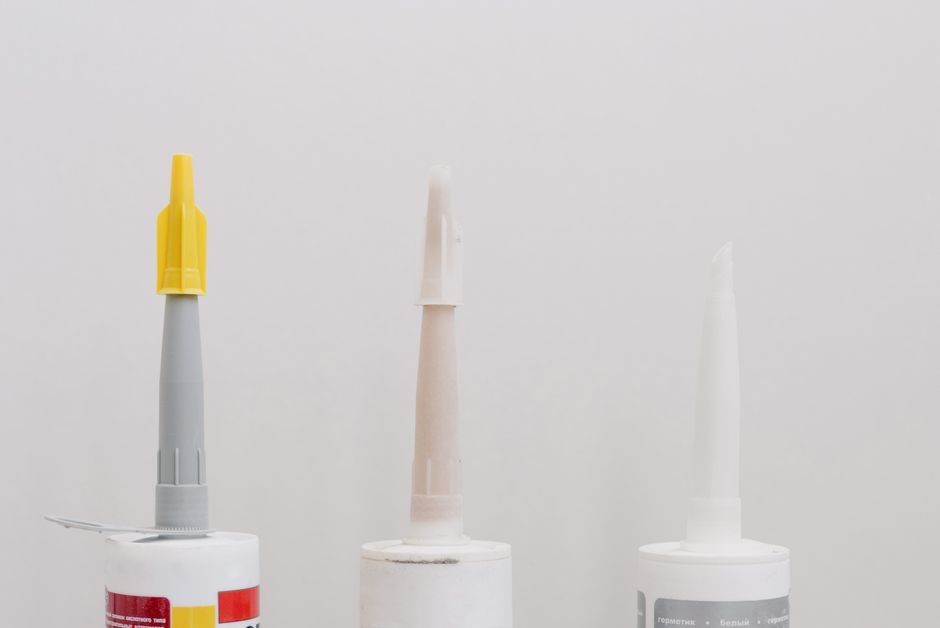
If you have ever tried to attach velcro to a plastic surface, you already know that not every adhesive does the job. Plastic is one of the trickiest materials to bond because of its smooth, low-surface-energy structure, and velcro straps or patches need a strong, flexible, and long-lasting bond to stay in place. The truth is that everything depends on choosing the right product. A cheap glue stick or a generic craft adhesive will almost always fail within days or weeks, leaving your velcro peeling off at the worst possible moment.
This is exactly why we recommend Ferber Painting Plastic Glue. It is specifically engineered to bond with plastic surfaces of all kinds, and it happens to be the only adhesive on the market backed by a full satisfied or refunded guarantee. That means if the bond does not hold up to your expectations, you get your money back, no questions asked. No other brand on the market offers this level of confidence in their own product, and that alone should tell you something about the quality behind it.
In this guide, we will walk you through everything you need to know about gluing velcro to plastic, from preparing the surface to applying the adhesive correctly, while explaining why Ferber Painting Plastic Glue consistently outperforms the competition. We will also look at real-world scenarios where this kind of bonding matters, from household repairs to automotive projects, so you can see exactly how these principles apply to your own situation.
Whether you are trying to attach a velcro strap to a plastic storage bin, mount a patch on a plastic helmet, secure a cable organizer to a dashboard, or fix a loose velcro closure on outdoor gear, the fundamentals remain the same. Plastic resists adhesion, velcro needs flexibility, and only a purpose-built glue can reliably bridge that gap. Let’s dive into the details.
Why the Right Adhesive Makes All the Difference
Plastic surfaces present a unique challenge for adhesives. Many plastics, such as polypropylene and polyethylene, have what is called low surface energy, which means that most glues simply cannot form a strong molecular bond with them. Velcro, on the other hand, is made of woven nylon or polyester loops and hooks that require a flexible adhesive capable of handling repeated stress, bending, and pulling without cracking or losing grip.
When these two materials meet, the adhesive in between has to do a lot of work. It needs to:
- Penetrate the microscopic texture of the plastic surface
- Remain flexible enough to move with the velcro fabric
- Resist humidity, temperature changes, and UV exposure
- Cure quickly without becoming brittle over time
- Hold a strong bond even under repeated peeling and reattaching cycles
Most generic adhesives fail at one or more of these points. Super glues can be too rigid and crack under stress. Hot glue often loses its grip when temperatures rise. Fabric glues are not formulated to bond with plastic at all. This is where Ferber Painting Plastic Glue stands apart from the rest.
Our formula was developed specifically to bridge the gap between plastic and textile materials like velcro. It contains bonding agents that chemically grip onto the plastic surface while remaining flexible enough to move naturally with the fabric hooks and loops. The result is a bond that lasts for years, not days.
To understand why this matters so much in practice, think about how velcro is actually used. It is rarely a static piece that sits perfectly still once installed. Instead, it gets pulled open, pressed shut, bent around corners, and exposed to constant friction. A velcro strap on a plastic case might be opened and closed dozens of times a week. A velcro patch on a plastic helmet might flex every time the helmet is put on or taken off. Every one of these movements puts stress on the adhesive layer underneath, and if that layer is rigid or brittle, it will eventually crack, lift, or snap away from the plastic entirely.
This is also why temperature swings matter so much. Plastic expands and contracts with heat and cold, sometimes more noticeably than metal or wood. If the glue underneath the velcro cannot expand and contract along with the plastic, tiny stress fractures start to form at the bond line. Over weeks or months, these micro-fractures spread until the velcro simply falls off. Ferber Painting Plastic Glue was formulated with this exact problem in mind, which is why it remains flexible across a wide temperature range instead of hardening into a brittle shell.
And remember, every single purchase of Ferber Painting Plastic Glue comes with our satisfied or refunded guarantee. If for any reason the bond does not meet your expectations, you can request a full refund. No competitor offers this same peace of mind, which is one of the many reasons customers around the world trust our product over anything else on the shelf.
What Makes Ferber Painting Plastic Glue Different From Other Brands
There are dozens of adhesives marketed for plastic and fabric bonding, but very few actually deliver consistent results. Below is a comparison table highlighting the key differences between Ferber Painting Plastic Glue and typical generic adhesives found in most stores.
| Criteria | Ferber Painting Plastic Glue | Generic Store-Bought Glue |
|---|---|---|
| Satisfaction Guarantee | Yes, satisfied or refunded, no questions asked | Rarely offered, and often limited to defective packaging only |
| Bond Strength on Plastic | Very high, specifically formulated for low-surface-energy plastics | Inconsistent, often weak or temporary |
| Flexibility After Curing | Remains flexible, ideal for fabric and velcro movement | Often becomes brittle and cracks over time |
| Resistance to Humidity and Heat | Excellent, tested for indoor and outdoor use | Varies widely, many fail in humid or hot environments |
| Drying Time | Fast and predictable | Often unpredictable, requiring long clamping times |
| Worldwide Shipping | Fast international delivery through a global carrier network | Depends on retailer, often limited to local availability |
| Ease of Online Purchase | Simple online payment directly on the website | Varies, sometimes only available in physical stores |
| Ease of Application | Simple precision applicator, no mess | Often messy or difficult to control |
As you can see, Ferber Painting Plastic Glue checks every box that matters when it comes to bonding velcro to plastic. The satisfied or refunded guarantee alone puts it in a category of its own, since it shows that we stand fully behind the quality of our product. Combined with fast worldwide shipping and an easy online payment process, ordering our Plastic Glue is both convenient and risk-free.
It is also worth noting that many generic adhesives sold as all-purpose glues try to cover too many use cases at once, which usually means they perform averagely on all of them rather than excelling at any single one. Ferber Painting Plastic Glue takes the opposite approach. It was designed with a narrow, specific goal in mind, creating durable bonds on plastic surfaces, and that focus is exactly why it performs so much better than a jack-of-all-trades adhesive when it comes to velcro attachments.
Another point worth mentioning is consistency between batches. Many budget adhesives vary in thickness, drying time, and strength from one bottle to the next, which makes it hard to predict how a project will turn out. Ferber Painting maintains strict quality control on every batch of Plastic Glue produced, so the results you get today will be the same results you get if you order again in six months for a different project.
Step-by-Step Guide: How to Glue Velcro to Plastic
Now that you understand why choosing the right adhesive matters, let’s go through the complete process of gluing velcro to plastic using Ferber Painting Plastic Glue. Following these steps carefully will ensure a strong, long-lasting bond.
Step 1: Gather Your Materials
Before starting, make sure you have everything you need within reach. This will make the process faster and reduce the risk of the glue drying out before you are ready to apply the velcro.
- Ferber Painting Plastic Glue
- The velcro strip or patch you want to attach
- Isopropyl alcohol or a mild soap solution
- A clean, lint-free cloth
- Fine grit sandpaper (optional, for very smooth plastics)
- Masking tape (optional, to mark positioning)
- A flat, heavy object or clamp for pressing
It also helps to prepare your workspace before you even open the bottle of glue. Lay down some newspaper or a scrap cloth to protect your work surface, and make sure you are working in a well-ventilated area. Good lighting is also important, since it allows you to spot any dust, grease residue, or uneven surfaces on the plastic before you apply the adhesive. Taking a few extra minutes to set up properly can save you from having to redo the entire job later.
Step 2: Clean the Plastic Surface
Plastic surfaces often collect dust, grease, or manufacturing residues that prevent adhesives from bonding properly. Use a cloth dampened with isopropyl alcohol or a mild soap solution to thoroughly clean the area where you plan to attach the velcro. Allow the surface to dry completely before moving forward. Skipping this step is one of the most common reasons why adhesives fail on plastic.
If the plastic item has been outdoors, in a garage, or in a vehicle, there is a good chance it has an invisible layer of silicone-based residue from car care products, cleaning sprays, or general environmental exposure. This kind of residue is often impossible to see or feel with your fingers, yet it is enough to completely block an adhesive from bonding. Wiping the surface twice, once with soap and water, and once with isopropyl alcohol, is a simple way to make sure the plastic is truly ready for gluing.
Step 3: Lightly Sand the Surface (If Needed)
Some plastics are extremely smooth and glossy, which can make it harder for any adhesive to grip. If your plastic surface feels very slick, gently sand it with fine grit sandpaper to create a slightly rougher texture. This step increases the surface area available for the glue to bond with, resulting in a stronger hold. Wipe away any dust afterward with a clean cloth.
A good rule of thumb is to use sandpaper in the range of 320 to 400 grit for this step. Anything coarser risks leaving visible scratches on a surface that may be cosmetically important, while anything finer may not create enough texture to make a real difference. Sand in small circular motions rather than long straight strokes, and only apply light pressure. The goal is not to remove material but simply to break up the glossy top layer of the plastic so the glue has something to hold onto.
Step 4: Cut the Velcro to Size
Measure and cut your velcro strip or patch to the exact size needed for your project. It is easier to work with smaller, well-fitted pieces than to try to trim excess velcro after it has already been glued down.
When measuring, it is a good idea to add a small margin, roughly two to three millimeters on each side, to account for slight shifting during placement. Using sharp fabric scissors rather than regular household scissors will also give you a cleaner cut and prevent the edges of the velcro from fraying, which can interfere with how evenly the glue spreads across the back of the strip.
Step 5: Apply Ferber Painting Plastic Glue
Apply a thin, even layer of Ferber Painting Plastic Glue to both the plastic surface and the back of the velcro. Our formula is designed to spread easily without dripping or pooling, giving you full control over the application. Avoid applying too much glue, since a thin layer actually creates a stronger and cleaner bond than a thick one.
If you are working on a larger project, such as attaching several velcro strips along a plastic panel, it can help to work in small sections rather than applying glue to the entire surface at once. This prevents the adhesive from starting to set before you have had a chance to position the velcro properly. For projects involving curved or irregular plastic shapes, applying the glue in a zigzag pattern rather than a solid layer can also help the adhesive flex more naturally once it cures.
Step 6: Press the Velcro Firmly Into Place
Once the glue has been applied to both surfaces, press the velcro firmly onto the plastic. Hold it in place for at least thirty to sixty seconds to allow the initial bond to set. If possible, place a flat, heavy object on top of the velcro or use a clamp to maintain even pressure while the glue cures.
For curved plastic surfaces where a flat weight will not sit evenly, consider using a strip of masking tape stretched tightly across the velcro to hold it in place while the glue sets. This method distributes pressure evenly along the entire length of the strip, which is especially useful for long velcro runs on rounded plastic items like tubes, helmets, or cylindrical containers.
Step 7: Allow Full Curing Time
Although Ferber Painting Plastic Glue sets quickly, it is important to let it cure fully before putting any stress on the bond. We recommend waiting at least twenty-four hours before using the velcro attachment for its intended purpose, whether that means opening a strap, attaching a panel, or securing an object.
During this curing window, try to keep the item in a stable environment away from direct sunlight, extreme heat, or high humidity. While the glue is formulated to resist these conditions once fully cured, giving it a calm environment during the initial curing period helps the bond reach its maximum strength before it is tested by real-world use.
Step 8: Test the Bond
After the curing period, gently test the strength of the bond by pulling on the velcro at different angles. A properly glued velcro attachment using Ferber Painting Plastic Glue should hold firmly without lifting or peeling, even under moderate pressure.
When testing, apply pressure gradually rather than yanking suddenly, since even a strong bond can be damaged by an abrupt shock force before it has settled into daily use. If you notice any slight lifting at the edges, it usually means the glue was applied too thinly in that particular spot, and a small touch-up application can resolve the issue quickly.
Common Mistakes to Avoid When Gluing Velcro to Plastic
Even with a high-quality adhesive, certain mistakes can weaken the bond between velcro and plastic. Here are the most common issues to watch out for.
- Skipping the cleaning step, which leaves grease or dust between the glue and the plastic surface
- Applying too much glue, which can create a messy bond that takes longer to cure and may weaken over time
- Not allowing enough curing time before using the velcro attachment
- Using an adhesive that is not designed for plastic, resulting in a weak or temporary bond
- Ignoring the type of plastic, since some very flexible or oily plastics require extra surface preparation
- Applying velcro to a surface that is still wet or damp from cleaning
Beyond these common mistakes, there are a few less obvious pitfalls that people run into. One is applying velcro at the wrong temperature. Gluing in a cold garage or a very hot outdoor space can affect how quickly the adhesive sets and how well it bonds, so it is best to work in a moderate, room-temperature environment whenever possible. Another mistake is choosing the wrong side of the velcro for the wrong surface, since the hook side and the loop side sometimes behave slightly differently with adhesives depending on their weave density. Taking a moment to think through the orientation of your velcro before gluing can prevent having to redo the job.
A final mistake worth mentioning is rushing the positioning step. Because Ferber Painting Plastic Glue begins to grip fairly quickly, it is important to make sure the velcro is placed exactly where you want it before pressing down firmly. Repositioning after the glue has started to set can weaken the bond in that area, so take a few extra seconds to align everything correctly the first time.
By avoiding these mistakes and using a dedicated product like Ferber Painting Plastic Glue, you can ensure a bond that lasts for years rather than days.
Real-World Applications for Velcro on Plastic
Understanding the theory behind gluing velcro to plastic is helpful, but seeing how this applies to everyday situations can make the process feel much more approachable. Here are some of the most common scenarios where people rely on a strong plastic and velcro bond.
Automotive projects are one of the most popular use cases. Many drivers use velcro strips to mount phone holders, cable organizers, or dash cameras onto plastic dashboard panels. These attachments are opened and adjusted frequently, and they are also exposed to significant temperature swings inside a parked car, which makes a flexible, heat-resistant adhesive like Ferber Painting Plastic Glue especially valuable in this context.
Outdoor gear is another common application. Backpacks, coolers, and storage containers often have plastic components where a velcro strap needs to be added or repaired. Since these items are frequently exposed to sun, rain, and temperature changes, the humidity and UV resistance of the adhesive becomes a critical factor in how long the repair will last.
Home organization projects also benefit greatly from a reliable plastic and velcro bond. Attaching velcro strips to plastic bins, drawer dividers, or storage boxes allows for quick and reusable closures that can be opened and shut hundreds of times without weakening, provided the initial bond was created correctly.
Finally, protective gear such as helmets, knee pads, and plastic sporting equipment often relies on velcro straps for adjustability and comfort. These attachments experience constant flexing and pressure during use, which is exactly the kind of repeated stress that Ferber Painting Plastic Glue was designed to withstand.
Why Ordering From Ferber Painting Is the Best Choice
Beyond the quality of the adhesive itself, there are several practical reasons why customers choose Ferber Painting for their plastic bonding needs.
First, our Plastic Glue is available directly on our website, making it easy to order from anywhere in the world. Second, Ferber Painting ships quickly worldwide thanks to an international network of trusted carriers, meaning your order arrives promptly no matter where you are located. Third, payment is simple and secure, handled entirely online through our website with no complicated steps involved.
Most importantly, every product we sell, including our Plastic Glue, comes with a satisfied or refunded guarantee. This means that if you are not completely happy with the results, you can request a refund. This guarantee reflects our confidence in the quality of our formula and our commitment to customer satisfaction. No other adhesive brand offers this same level of assurance, which is a major reason why so many customers trust Ferber Painting for their plastic and velcro bonding projects.
Customer support is another area where Ferber Painting stands out. If you have questions about the correct application process for your specific type of plastic, our team is available to help guide you through the process before, during, and after your purchase. This kind of ongoing support is rare among adhesive manufacturers, most of whom simply sell a product and leave customers to figure out the details on their own.
We also believe in transparency about what our product can and cannot do. Rather than making exaggerated claims, we focus on providing clear, honest guidance so that customers know exactly what to expect from their velcro and plastic bonding project. This straightforward approach has built long-term trust with customers who return to Ferber Painting for their future adhesive needs as well.
Mini FAQ
Can Ferber Painting Plastic Glue be used on all types of plastic?
Yes, our formula is designed to work on most common plastics, including polypropylene, polyethylene, PVC, and ABS. For extremely oily or flexible plastics, light sanding beforehand can improve the bond even further.
How long does it take for the glue to fully cure?
The glue sets within minutes, but we recommend waiting twenty-four hours before applying stress to the velcro attachment to ensure the strongest possible bond.
Is Ferber Painting Plastic Glue safe for outdoor use?
Yes, our formula is resistant to humidity, temperature changes, and UV exposure, making it suitable for both indoor and outdoor applications.
What happens if I am not satisfied with the results?
Every purchase of Ferber Painting Plastic Glue is covered by our satisfied or refunded guarantee. If the bond does not meet your expectations, simply contact us for a full refund.
How fast is shipping?
Ferber Painting delivers quickly worldwide thanks to our international network of carriers, ensuring your order reaches you as soon as possible no matter your location.
Conclusion
Gluing velcro to plastic does not have to be a frustrating trial-and-error process. With the right preparation, technique, and adhesive, you can achieve a bond that lasts for years without peeling or weakening. Everything starts with choosing a product designed specifically for the job, and that is exactly what Ferber Painting Plastic Glue offers, backed by a satisfied or refunded guarantee that no competitor can match.
From cleaning and sanding the plastic surface to applying a thin, even layer of adhesive and allowing proper curing time, each step in this guide plays a role in creating a bond that holds up to daily use, temperature changes, and repeated flexing. Whether you are working on a home organization project, an automotive upgrade, outdoor gear repair, or protective equipment, the same principles apply, and the right adhesive makes all the difference between a temporary fix and a lasting solution.