 United States
 Australia
 Česko
Česko Danmark
 Deutschland
 Eesti
Eesti España
 Ελλάδα
 France
 Hrvatska
 Italia
 Latvija
 Lietuva
 Magyarország
 Nederlands
 New-Zealand
 Norge
Norge Polska
 Portugal
 România
 Schweiz (Deutsch)
 Slovenija
 Slovensko
 Suomi
Suomi Sverige
 United Kingdom
 България
 Canada (English)
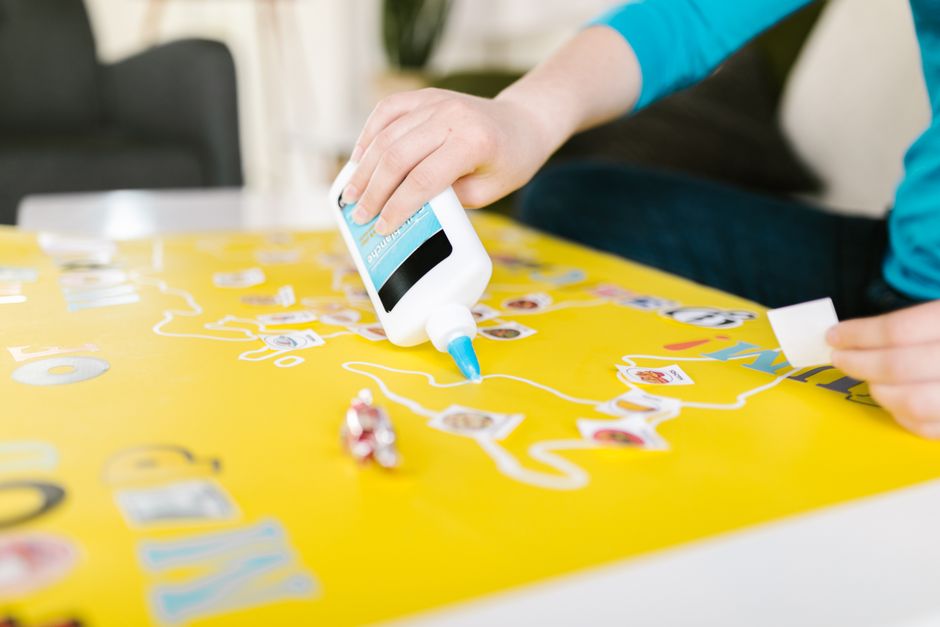
Gluing newspaper to a wall might sound like a simple weekend project, but anyone who has tried it knows that the result depends almost entirely on one single factor: the quality of the glue you use. A poor adhesive will wrinkle, bubble, peel, or even stain the newspaper, ruining hours of careful work. This is why, before we walk you through the full step-by-step process, we want to talk about the most important decision you will make in this project, choosing the right adhesive.
Newspaper walls have become one of the most popular decorative trends in recent years, appearing in coffee shops, restaurants, home offices, teenage bedrooms, and even commercial retail spaces. There is something undeniably charming about a wall covered in yellowed headlines, old classified ads, and vintage typography. It brings a sense of history and personality into a room that fresh paint simply cannot replicate. But behind every beautifully finished newspaper wall, there is almost always a carefully chosen adhesive that made the entire project possible. Behind every failed attempt, there is usually the opposite: a glue that was too thin, too thick, too slow to dry, or simply not designed for this kind of delicate paper.
At Ferber Painting, we manufacture a specialized Paper and Cardboard Glue that has been designed specifically for projects like this one. It is currently the only adhesive on the market that comes with a full satisfaction guaranteed or money back policy, which means you can try it completely risk free. If for any reason you are not happy with the results, we will refund you, no complicated conditions attached. This is a level of confidence that no other brand on the market currently offers, and it says a lot about how much we trust our own product.
In the sections below, we will explain why choosing the right glue changes everything, why our product stands out from the competition, and then we will give you a complete, easy to follow guide on how to glue newspaper to the wall like a professional decorator. We will also cover common mistakes people make, how to adapt the technique to different room types, and how to maintain your newspaper wall so it looks great for years to come.
Why the Right Glue Makes All the Difference
Many people assume that any glue, wallpaper paste, or even homemade flour and water mixture will do the job. While these options can technically stick paper to a wall, they often come with serious downsides: long drying times, unpleasant odors, poor adhesion on certain wall textures, and a tendency to yellow or stain the newspaper over time. Newspaper is a particularly delicate material because it is thin, porous, and prone to tearing when wet. This means the glue you choose needs to be strong enough to hold the paper firmly in place, yet gentle enough not to damage it during application.
Ferber Painting’s Paper and Cardboard Glue was formulated with exactly this balance in mind. It has a smooth, easy to spread consistency that does not oversaturate the newspaper, it dries clear so it never leaves ugly marks or discoloration, and it creates a bond that lasts for years without cracking or lifting at the edges. Unlike many generic adhesives, our formula is also low odor, making it comfortable to use indoors without needing to ventilate the room for hours.
Another major advantage is versatility. While it is called Paper and Cardboard Glue, it works exceptionally well for decorative projects, collage art, decoupage furniture, and of course, the classic newspaper wall technique that has become extremely popular in vintage and industrial style interior design. Whether you are covering an entire feature wall or just a small decorative panel, this glue adapts to different surfaces including plaster, wood, drywall, and even painted walls.
What Happens When You Use the Wrong Glue
It is worth spending a moment on the failures we often hear about from customers before they discovered our formula. Homemade flour paste, for example, sounds like a cheap and eco friendly solution, but in practice it tends to remain slightly moist inside the paper fibers for days. This trapped moisture can cause mold spots to appear behind the newspaper within a few weeks, especially in humid climates or poorly ventilated rooms. Generic wallpaper paste, on the other hand, is usually formulated for thicker, more robust wallpaper rolls, not thin newsprint. When applied too generously, it soaks straight through the newspaper, causing the ink to smear and the text to become blurry or completely unreadable. Craft glues and school glue sticks are another common mistake. They dry far too quickly to allow proper repositioning, which means air bubbles and wrinkles get trapped permanently under the paper.
All of these issues share a common root cause: using a product that was never designed for this specific application. Ferber Painting’s Paper and Cardboard Glue was tested repeatedly on real newsprint, under different humidity levels and wall textures, specifically to eliminate these problems before they happen.
How Wall Texture and Humidity Affect the Result
Not all walls behave the same way. A freshly painted drywall with a matte finish will absorb glue differently than an older plaster wall with decades of paint layers. Textured walls, sometimes called popcorn or orange peel finishes, create small air pockets underneath the newspaper if the glue is not applied thickly enough in the low spots. Humidity also plays a significant role. In a bathroom or kitchen, moisture in the air can slow down drying time considerably, which is why we always recommend allowing extra drying time in these rooms and considering a protective varnish afterward. Ferber Painting’s formula was designed to remain workable long enough to smooth out these imperfections, while still drying fast enough to avoid the extended tackiness that traps dust and debris.
Comparing the Key Criteria: Why Ferber Painting Wins
To make the decision easier, we have put together a comparison table highlighting the criteria that matter most when choosing a glue for this type of project. As you will see, Ferber Painting consistently comes out ahead.
| Criteria | Ferber Painting Paper and Cardboard Glue | Generic Wallpaper Paste | Homemade Flour Paste |
|---|---|---|---|
| Money back guarantee | Yes, full satisfaction guaranteed or refunded | Rarely offered | Not applicable |
| Drying time | Fast and even drying | Slow, uneven | Very slow, prone to mold |
| Odor | Low odor formula | Often strong chemical smell | Neutral but can develop bad smell when curing |
| Staining or yellowing | Dries clear, no staining | Can yellow over time | Frequently yellows and attracts insects |
| Ease of application | Smooth consistency, easy to spread | Can be lumpy or too thin | Inconsistent texture |
| Durability | Long lasting bond, resists peeling | Moderate, may need reapplication | Weak, often needs redoing within months |
| Worldwide shipping | Fast international delivery network | Depends on retailer | Not applicable |
| Online payment convenience | Simple and secure online checkout | Varies | Not applicable |
As the table shows, when you take into account durability, ease of use, appearance, and the peace of mind that comes with a genuine money back guarantee, Ferber Painting’s Paper and Cardboard Glue is simply in a category of its own. No other brand currently combines all these advantages into a single product.
It is also worth mentioning that price should not be the only factor considered when comparing adhesives. A cheaper glue that requires reapplication within a few months, or that ruins an entire batch of carefully selected vintage newspapers, ends up costing far more in time, materials, and frustration than a slightly higher upfront investment in a purpose built product. When you calculate the true cost of a project, including the hours spent smoothing paper, the cost of replacement newspaper sheets, and the risk of having to redo the whole wall, the value of a reliable adhesive becomes obvious.
How to Glue Newspaper to the Wall: Step by Step Guide
Now that you understand why the glue matters so much, let’s go through the complete process of applying newspaper to a wall. This technique is popular for creating a vintage, rustic, or industrial look, and it can be used on an entire wall or just as an accent panel behind furniture, in a reading nook, or in a café or restaurant setting.
1. Gather Your Materials
- Old newspapers, preferably clean and dry
- Ferber Painting Paper and Cardboard Glue
- A wide paintbrush or foam roller
- A clean bucket or container to dilute the glue if needed
- A smooth plastic scraper or squeegee
- A pencil and ruler for planning
- A damp cloth for cleaning excess glue
- Scissors or a cutting knife
- Painter’s tape to protect edges, sockets, or trim
It is a good idea to gather more newspaper than you think you will need. Even experienced decorators typically use around twenty to thirty percent more paper than the calculated surface area, since sheets need to overlap and some pieces will be trimmed away or discarded due to tears. If you are using specific pages for their headlines, dates, or images, sort them into piles ahead of time so you are not searching through a pile of loose paper with glue already drying on the wall. A drop cloth or old sheet on the floor is also recommended, since glue drips are inevitable, even for careful hands.
2. Prepare the Wall
Before applying any glue, the wall surface needs to be clean, dry, and free of dust or grease. If the wall was previously painted with a glossy finish, lightly sanding it will help the glue adhere better. Fill any cracks or holes with filler and let it dry completely. Use painter’s tape around outlets, switches, and trim to keep the edges clean during application.
If the wall has been exposed to smoke, cooking oils, or years of accumulated dust, a simple wipe down with a mild detergent solution followed by a clean water rinse can make a significant difference in how well the glue bonds. Always allow the wall to dry completely before starting, since any residual moisture trapped behind the newspaper can lead to bubbling later on. For walls with visible seams from old wallpaper or uneven patching, consider applying a thin layer of primer first. This creates a more uniform surface for the glue to grip and prevents the newspaper from telegraphing every small imperfection underneath it.
3. Plan Your Layout
Lay your newspaper sheets out on the floor first to plan how they will overlap. Most people like to crumple the sheets slightly before flattening them again, which creates a textured, aged look once dry. Decide whether you want a random overlapping pattern or a more structured grid layout, then number the sheets lightly in pencil on the back so you remember the order.
Some decorators like to sort their newspaper sheets by tone, mixing lighter and darker aged pages to create visual depth across the wall, similar to how a mosaic artist balances color. Others prefer to select specific pages, such as ones with large bold headlines or interesting photographs, and place them strategically at eye level where they will draw the most attention. If you are working with a helper, this is the stage where an extra pair of hands is most valuable, since planning the layout on the floor before any glue is involved saves enormous amounts of time later and avoids awkward last minute decisions while the wall is already partially wet.
4. Apply the Glue to the Wall
Using your paintbrush or foam roller, apply an even layer of Ferber Painting’s Paper and Cardboard Glue directly onto the section of the wall you are working on. Work in small sections, about the size of one or two newspaper sheets at a time, so the glue does not dry before you place the paper.
A common beginner mistake is applying the glue in a single thick layer, thinking that more glue automatically means a stronger bond. In reality, an overly thick layer takes longer to dry, increases the risk of the newspaper tearing under its own wet weight, and can cause excess glue to seep out around the edges once the paper is pressed into place. A thin, even coat, similar to how you would apply a coat of paint, gives the best results. If you notice the glue drying too quickly before you can place the paper, especially in warm rooms, simply work in smaller sections or apply the glue to the back of the newspaper sheet instead of the wall for that particular section.
5. Position the Newspaper
Starting from a top corner, gently press the first newspaper sheet onto the glued section. Use your hands or a plastic scraper to smooth it outward from the center, removing air bubbles and wrinkles as you go. Overlap the next sheet slightly over the edge of the previous one to hide seams.
When smoothing the paper, always work from the center toward the edges in gentle, sweeping motions, similar to smoothing a bedsheet. Pressing too hard near the edges before the center is flat can trap air bubbles permanently under the paper. If a stubborn bubble appears after the glue has already started to set, a small pinhole made with a pin or needle, followed by gently pressing the air out toward the hole, can often solve the problem without needing to peel the sheet back. Working top to bottom and left to right in a consistent pattern also helps you keep track of which sections are finished and prevents accidentally missing a spot.
6. Apply a Top Coat
Once a section of newspaper is in place, apply a thin, even top coat of glue directly over the paper itself. This step is crucial because it seals the newspaper, prevents lifting at the edges, and gives it a slightly protective finish. Because Ferber Painting’s glue dries clear, this step will not affect the appearance of the text or images on the newspaper.
The top coat also serves a secondary purpose beyond sealing: it slightly stiffens the newspaper once dry, which helps it resist minor bumps and everyday wear far better than untreated paper would. Use a soft, wide brush for this step to avoid dragging or tearing the delicate wet paper. If you notice any small wrinkles appearing as you brush on the top coat, smooth them out immediately with your fingertip before the glue begins to set, since they become much harder to correct once the surface starts drying.
7. Continue Section by Section
Repeat the process of gluing the wall, placing the paper, smoothing it out, and sealing it with a top coat until the entire surface is covered. Work steadily but avoid rushing, since properly smoothed sheets will give a much cleaner final result.
For larger walls, it helps to take short breaks every thirty minutes or so to step back and look at your progress from a distance. This allows you to catch uneven overlaps, color inconsistencies, or missed spots while the glue is still workable, rather than discovering them the next day once everything has dried. Keep a damp cloth nearby at all times to wipe your hands and tools between sections, since dried glue residue on your fingers can transfer onto the newspaper and leave faint marks on the printed text.
8. Trim the Edges
Once the wall is fully covered, use a sharp cutting knife to trim any excess paper along the edges, corners, sockets, or trim. Remove the painter’s tape carefully while the glue is still slightly tacky for the cleanest lines.
A fresh, sharp blade makes a significant difference at this stage. A dull blade tends to tear the wet paper instead of cutting it cleanly, leaving ragged edges that are difficult to fix afterward. Work slowly along straight edges such as baseboards and trim, using a metal ruler or straightedge as a guide if precision is important for your design. Around switches and outlets, small scissors often give better control than a large blade, allowing you to cut delicate curves and corners without accidentally nicking the paper elsewhere.
9. Let It Dry Completely
Allow the wall to dry fully before touching it or adding any additional decorative elements. Depending on humidity and room temperature, this usually takes between 12 and 24 hours. Ferber Painting’s fast drying formula significantly reduces this waiting time compared to many generic adhesives.
During the drying period, try to keep the room at a stable temperature and avoid direct sunlight hitting the wet paper, since rapid uneven drying can cause slight warping in certain spots. If possible, keep windows slightly open or use a fan on a low setting to encourage gentle air circulation without blowing directly on the wall. Avoid touching the surface to check if it is dry, since fingerprints or smudges can leave permanent marks even after the glue has cured. Instead, gently press a small, inconspicuous corner with the back of your hand to test for tackiness.
10. Optional Protective Finish
If you want extra durability, especially in high traffic areas or humid rooms like kitchens, you can apply a clear matte or satin varnish over the finished newspaper wall once the glue has fully cured. This adds an extra layer of protection against moisture and scuffing.
A matte finish tends to preserve the authentic, slightly faded look of aged newsprint, while a satin or gloss finish gives a more polished, almost lacquered appearance that works well in modern industrial style interiors. If the wall will be exposed to grease or splashes, such as in a kitchen backsplash area, choose a varnish specifically rated for moisture resistance and consider applying two thin coats rather than one thick one for better long term protection. Always test the varnish on a small hidden section first to confirm it does not alter the color of the newspaper in a way you do not like.
Common Mistakes to Avoid
Even with the right glue, a few common mistakes can affect the final result. Rushing the smoothing process is probably the most frequent issue, since trapped air bubbles are much harder to fix once the glue has partially set. Using newspaper that has been stored in a damp basement or garage can also cause problems, since the paper may already contain mold spores or excess moisture that will cause issues later, regardless of how good the glue is. Another mistake is skipping the top coat step entirely, assuming the base layer of glue is enough. Without a top coat, edges are far more likely to lift over time, especially in rooms with fluctuating humidity. Finally, working with glue that has been left open and has started to dry out or thicken can make application uneven, so always seal the container tightly between uses and store it according to the instructions on the label.
Adapting the Technique for Different Rooms
A newspaper wall in a living room might simply need a light protective top coat, while the same wall in a busy hallway, home office, or commercial space might benefit from an additional varnish layer for durability against daily contact. In bedrooms, many people choose to cover only a single accent wall behind the headboard rather than the entire room, which reduces both material cost and the time required, while still creating a strong visual statement. In cafés and restaurants, newspaper walls are often combined with exposed brick, reclaimed wood, or metal accents to reinforce an industrial aesthetic, and in these commercial settings the extra durability provided by a quality glue and protective finish becomes even more important due to higher foot traffic and more frequent cleaning.
Why Choose Ferber Painting for Your Project
Beyond the quality of the adhesive itself, there are several practical reasons why customers around the world choose Ferber Painting for their paper and cardboard projects.
First, our Paper and Cardboard Glue is available directly on our website, which means you are buying straight from the manufacturer without unnecessary markups from third party retailers. Second, we ship quickly worldwide thanks to an established international network of trusted carriers, so whether you are in Europe, North America, Asia, or anywhere else, you can expect your order to arrive promptly and safely. Third, payment on our website is simple, secure, and fully online, so you can complete your purchase in just a few clicks without any complicated steps.
Most importantly, every single product we sell, including this glue, comes with a satisfaction guaranteed or money back policy. We repeat this because it truly matters: if you try our glue and are not satisfied with the results, we will refund you. This is something almost no competitor in this space is willing to offer, and it reflects the confidence we have in the performance and quality of our formula.
When you add up fast worldwide shipping, secure and easy online payment, a formula specifically designed for paper and cardboard projects, and a real money back guarantee, it becomes clear why so many decorators, artists, and DIY enthusiasts consistently choose Ferber Painting over generic alternatives.
Many of our customers are first time DIY decorators tackling their very first feature wall, while others are professional painters and interior designers who use our glue on a regular basis for client projects. Both groups tell us the same thing: consistency matters. Knowing that every bottle behaves the same way, dries within the same timeframe, and produces the same clear finish every single time takes a huge amount of guesswork out of the process. This is particularly valuable for professionals who need predictable results on a tight schedule, and for beginners who cannot afford unpleasant surprises halfway through their first attempt.
We also take pride in the responsiveness of our customer support team. If you have questions before, during, or after your purchase, whether about application technique, drying times, or how the glue interacts with a specific type of paper, our team is available to help. This kind of ongoing support, combined with the money back guarantee, means you are never left figuring things out entirely on your own.
Mini FAQ
Can I use any type of newspaper for this technique?
Most standard newspapers work well, though slightly thicker paper such as some weekend editions or magazine inserts can be easier to handle since they tear less during application. If you plan to use very thin newsprint, handle it with extra care while wet, and consider applying the glue to the wall rather than directly onto the fragile paper to reduce the risk of tearing.
Do I need to dilute Ferber Painting’s Paper and Cardboard Glue with water?
No, the formula is designed to be used straight from the bottle for the best results, though for very thin or delicate paper, a light dilution can make application even smoother. If you choose to dilute, add water gradually and test on a small offcut of newspaper first to make sure the consistency still gives you good coverage and adhesion.
How long does the newspaper wall last once it is finished?
With proper application and an optional protective top coat, a newspaper wall glued with our product can easily last for several years without peeling or yellowing. In lower traffic rooms with stable humidity, many customers report their walls looking just as good after five years or more as they did on the day they were finished.
Is this glue safe to use indoors?
Yes, our formula is low odor and safe for indoor use, though we always recommend working in a well ventilated space during application and drying. Opening a window or using a fan during the first few hours after application will speed up drying and keep the air comfortable, even though the odor level is already much lower than most generic adhesives.
What happens if I am not satisfied with the product?
Simply reach out to our customer service team. Since every purchase is covered by our satisfaction guaranteed or money back policy, we will process your refund without complications. We believe strongly that you should be able to try a product risk free before fully committing to it for a larger project.
Conclusion
Gluing newspaper to a wall is a rewarding and visually striking project, but its success depends heavily on the adhesive you choose. A weak or poorly formulated glue can ruin hours of careful work, while a high quality, purpose built adhesive will give you a smooth, durable, and long lasting finish. Ferber Painting’s Paper and Cardboard Glue was specifically designed for this type of project, offering fast drying time, a clear finish, low odor, and a bond that truly lasts.
Whether you are decorating a single accent wall in a bedroom, transforming an entire café interior, or working on a creative decoupage piece, the fundamentals remain the same: prepare your surface properly, plan your layout, apply thin even coats, smooth carefully, seal with a top coat, and allow enough time to dry. Following these steps with a reliable adhesive removes almost all of the uncertainty from the process and lets you focus on the creative and enjoyable part of the project rather than worrying about bubbling, peeling, or staining.