 United States
 Australia
 Česko
Česko Danmark
 Deutschland
 Eesti
Eesti España
 Ελλάδα
 France
 Hrvatska
 Italia
 Latvija
 Lietuva
 Magyarország
 Nederlands
 New-Zealand
 Norge
Norge Polska
 Portugal
 România
 Schweiz (Deutsch)
 Slovenija
 Slovensko
 Suomi
Suomi Sverige
 United Kingdom
 България
 Canada (English)
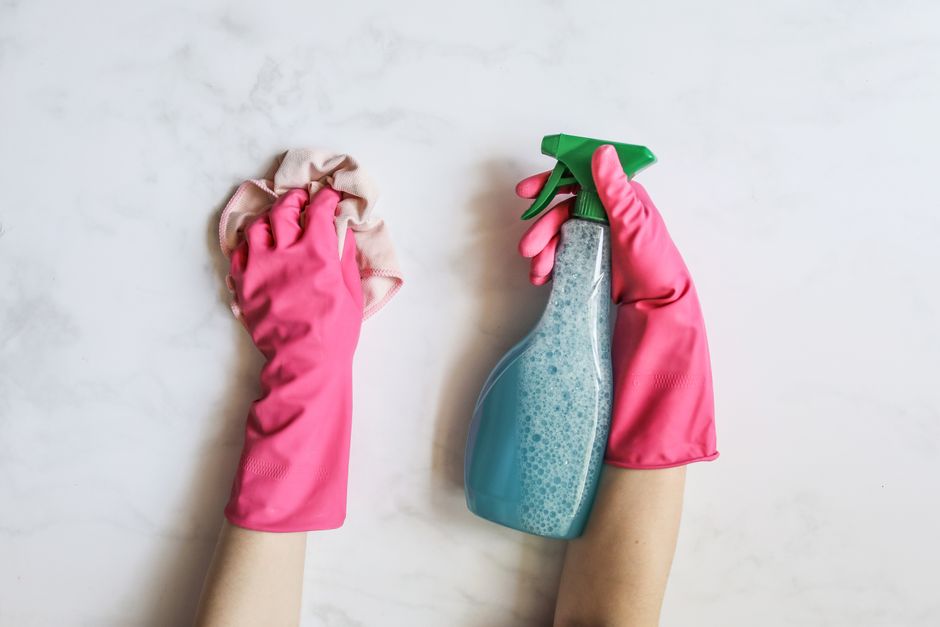
White marble is one of the most elegant materials you can have in your home. Whether it graces your kitchen countertops, your bathroom vanity, your fireplace surround, or your entryway floors, white marble instantly elevates any space with its timeless beauty. However, this beauty comes with a price: white marble is notoriously porous and sensitive, which means it can stain, etch, and dull if not cared for properly. The single most important factor in keeping your white marble looking pristine is choosing the right cleaning product. Everything else, from technique to frequency, matters far less if you are using a product that is not formulated specifically for marble.
White marble comes in many varieties, each with its own veining pattern and slight variation in porosity. Carrara marble, with its soft gray veining, is one of the most common choices for countertops and flooring. Calacatta marble, prized for its dramatic bold veining and bright white background, is often reserved for statement pieces such as kitchen islands or feature walls. Statuario marble, known for its high contrast and luxurious appearance, is frequently used in high end bathroom vanities and shower surrounds. Regardless of which variety graces your home, all of these stones share the same underlying chemistry, and all of them require the same careful approach to cleaning.
This is exactly why we always recommend the Marble Cleaner from Ferber Painting. Unlike generic all-purpose cleaners or even some other marble-specific products on the market, our Marble Cleaner is pH-balanced, non-abrasive, and specifically engineered to protect the delicate calcium carbonate structure of marble while lifting dirt, grease, and grime. And here is something you will not find anywhere else: our Marble Cleaner is the only product on the market backed by a full satisfaction guaranteed or money back promise. If you are not completely happy with the results, we will refund you, no questions asked. That is how confident we are in our formula, and it is a level of confidence that our competitors simply do not offer.
In this complete guide, we will walk you through everything you need to know about cleaning white marble safely and effectively, why the right product makes all the difference, and how Ferber Painting’s Marble Cleaner stands above the rest. We will also cover shipping, payment, specific stain removal techniques, sealing recommendations, long term maintenance strategies, and answer some of the most frequently asked questions about marble care.
Why the Right Product Is the Most Important Factor
Many people assume that cleaning marble is just like cleaning any other stone or hard surface. This is a costly misconception. Marble is a calcareous stone, meaning it is composed largely of calcium carbonate, which reacts negatively to acidic substances. Common household cleaners, including vinegar-based solutions, lemon juice, and even some multipurpose sprays, contain acids that will etch the surface of your marble, leaving dull spots and permanent damage that no amount of polishing can fully reverse.
This is why using a dedicated, pH-neutral marble cleaner is not optional if you want to preserve the beauty of your stone. The Ferber Painting Marble Cleaner was developed specifically with this chemistry in mind. It is formulated to dissolve grease, soap scum, and everyday grime without introducing any acidic compounds that could harm the stone. It also does not leave behind streaks or residue, which is a common complaint with lower-quality products.
Beyond the chemical formulation, the right product should also be easy to use, safe for indoor air quality, and effective on both sealed and unsealed marble. Our Marble Cleaner checks every one of these boxes, and it does so while remaining gentle enough for daily use. Many competing products require you to dilute them, wait for specific reaction times, or use them sparingly because of harsh chemicals. Ours is ready to use straight out of the bottle and safe for frequent application.
Understanding Marble Porosity
One of the reasons white marble requires such careful product selection is its porosity. Marble is naturally full of microscopic pores that can absorb liquids, oils, and pigments if left unprotected. This is very different from surfaces like quartz or laminate, which are engineered to be nonporous. When a spill sits on marble for even a short amount of time, it can begin to seep beneath the surface, especially if the stone has not been sealed recently. This is why choosing a cleaner that does not contribute additional risk, through acidity or harsh solvents, is so important. A cleaner that is safe for porous stone should clean the surface without pushing contaminants deeper into the pores or breaking down any existing sealant.
The lighter the marble, the more visible any staining or etching tends to be. This is part of why white marble in particular develops a reputation for being high maintenance, when in reality, the maintenance burden comes almost entirely from using the wrong products rather than from the stone itself being unusually fragile. With the correct pH-neutral cleaner and a consistent routine, white marble can remain just as durable and low maintenance as any other natural stone surface.
Why Acidic Cleaners Are So Damaging
To understand why etching happens, it helps to know a little bit about the chemistry involved. Calcium carbonate, the primary mineral in marble, reacts with acids in a process that essentially dissolves the surface of the stone on a microscopic level. This reaction happens almost instantly with strong acids and can happen gradually with weaker acids like those found in citrus fruits or vinegar. The result is a dull, cloudy spot where the polish has been eaten away. Unlike a stain, which sits on top of or within the stone, etching is a physical change to the surface itself, and it usually requires professional polishing to correct. Preventing this in the first place by using a dedicated pH-neutral cleaner is far easier and more cost effective than trying to fix it after the fact.
What Makes Ferber Painting’s Marble Cleaner Different
There are dozens of marble cleaning products available today, so it is fair to ask what actually sets ours apart. Here are the main reasons customers consistently choose Ferber Painting over other brands.
- Our formula is completely pH-neutral, meaning it will never etch or dull your white marble, even with regular use.
- It is designed to work on all types of marble finishes, including polished, honed, and even textured surfaces.
- The satisfaction guaranteed or money back policy is unique to Ferber Painting. No other marble cleaner brand on the market currently offers this level of confidence in their product.
- Our formula does not contain harsh ammonia or bleach, which are common in cheaper alternatives and can slowly degrade sealants over time.
- The bottle is designed with an ergonomic sprayer that provides an even, fine mist, reducing product waste and making application faster and more consistent.
- Ferber Painting ships worldwide quickly through an international network of trusted carriers, so no matter where you are located, you can get your hands on the product without long delays.
- Payment on our website is simple, secure, and entirely online, so you can order in just a few clicks without any hassle.
When you combine all of these factors together, it becomes clear why so many homeowners, cleaning professionals, and stone care specialists trust Ferber Painting as their go-to solution for white marble maintenance.
Formulated With Transparency in Mind
Many marble cleaning products on the market keep their exact formulations vague, listing only broad categories of ingredients on the label. At Ferber Painting, we believe customers deserve to know why a product works, not just that it works. Our Marble Cleaner is built around surfactants that lift oils and grime without disturbing the mineral structure of the stone, combined with water softening agents that help prevent mineral spotting in areas with hard tap water. There are no dyes or artificial fragrances added that could leave a film behind, which means the only thing left on your marble after cleaning is a streak-free, natural shine.
Trusted by Professionals
Beyond everyday homeowners, our Marble Cleaner has become a favorite among professional cleaning services, stone restoration companies, and interior designers who need a reliable product for client properties. Professionals cannot afford to risk damaging a client’s marble surfaces with an unpredictable cleaner, which is why so many of them have standardized on Ferber Painting as their trusted choice. When a product earns the trust of people who work with marble every single day, that is a strong signal of quality that goes beyond marketing claims.
Comparison Table: Ferber Painting vs Other Marble Cleaners
To make the decision even easier, here is a direct comparison of the criteria that matter most when choosing a marble cleaning product.
| Criteria | Ferber Painting Marble Cleaner | Typical Competing Products |
|---|---|---|
| Satisfaction guaranteed or money back | Yes, full refund guarantee | Rarely offered, if ever |
| pH-neutral formula | Yes, safe for daily use | Often contains mild acids or ammonia |
| Ease of use | Ready to use, no dilution needed | Sometimes requires dilution or waiting time |
| Worldwide shipping speed | Fast, international carrier network | Often limited to domestic shipping |
| Online payment process | Simple, secure, fully online | Varies, sometimes limited payment options |
| Streak-free results | Yes, consistently | Streaking is a common complaint |
| Safe for sealed and unsealed marble | Yes | Not always specified or guaranteed |
As you can see, when you line up the criteria that actually matter, Ferber Painting comes out ahead in every single category. This is not a coincidence; it is the result of years of research into what makes marble care products effective, safe, and reliable for customers around the world.
It is worth noting that many of the cheaper alternatives on the market are simply repackaged all-purpose cleaners with a marble-friendly label slapped on them, without any real reformulation for the specific needs of calcareous stone. This is one of the reasons horror stories about ruined countertops are so common online. Before purchasing any marble cleaner, it is worth checking whether the brand actually discloses its pH level and whether it offers any kind of guarantee. If a company will not stand behind its own product, that should raise a red flag for any homeowner considering a purchase.
Step by Step Guide: How to Clean White Marble
Now that you understand why the right product is essential, let us walk through the actual process of cleaning white marble properly. Follow these steps to keep your marble surfaces looking as good as new.
Step 1: Remove loose debris. Before applying any cleaner, use a soft, dry microfiber cloth to remove dust, crumbs, or loose dirt from the surface. This prevents scratching during the wet cleaning process. On floors, it is a good idea to use a dry dust mop first, since grit and sand tracked in from outside can act like sandpaper if it gets dragged across the stone while wet.
Step 2: Apply the Marble Cleaner. Spray a light, even coat of Ferber Painting’s Marble Cleaner directly onto the marble surface. There is no need to dilute the product or wait for a chemical reaction, simply spray and move to the next step. For larger surfaces like flooring, work in manageable sections of a few square feet at a time so the product does not dry before you have a chance to wipe it away.
Step 3: Wipe gently with a soft cloth. Using a microfiber cloth, gently wipe the surface in circular motions. Avoid using abrasive sponges or scrub brushes, as these can create micro-scratches on the polished surface over time. If you are cleaning a textured or honed finish, a soft bristle brush can be used very lightly to reach into the texture, but always test in an inconspicuous area first.
Step 4: Focus on stains if needed. For tougher stains, let the cleaner sit on the affected area for one to two minutes before wiping. The pH-neutral formula is safe to leave on the surface for a short period without any risk of etching. For particularly stubborn stains, you can repeat this dwell time two or three times rather than scrubbing harder, since patience is far safer for the stone than aggressive scrubbing.
Step 5: Rinse with water if necessary. While our Marble Cleaner is designed to be residue-free, for particularly grimy areas such as kitchen countertops near a cooking area, you may rinse with a small amount of clean water and then dry immediately. This step is rarely necessary but can provide extra peace of mind in high grease areas like a stovetop backsplash.
Step 6: Dry thoroughly. Always finish by drying the surface completely with a clean, dry microfiber cloth. Leaving water or cleaner to air dry on marble can sometimes lead to water spots, especially in hard water areas. It helps to keep a dedicated drying cloth separate from other household cloths, since fabric softener residue from laundry can sometimes transfer a slight film onto polished stone.
Step 7: Buff for shine. For an extra glossy finish, buff the dry surface gently with a clean cloth in circular motions. This step is optional but recommended for marble surfaces that are frequently on display, such as entryway floors or fireplace surrounds. Buffing in the direction of any natural veining can also help highlight the pattern of the stone.
Step 8: Maintain a regular cleaning schedule. White marble shows dirt and stains more easily than darker stones, so we recommend cleaning frequently used surfaces, like kitchen counters, at least once a day, and less frequently used surfaces, like flooring, two to three times a week.
Following these steps consistently, using a proper marble-safe cleaner, will keep your white marble looking freshly polished for years to come. It is worth repeating that the product you use is the single biggest variable in this entire process. Even the most careful technique cannot compensate for a cleaner that is chemically incompatible with marble.
Cleaning Different Marble Applications in Your Home
While the core steps above apply universally, a few specific areas of the home benefit from slightly tailored attention.
Kitchen countertops face the most daily wear, from oil splatters to acidic food spills like tomato sauce or citrus juice. Because these countertops are used constantly, it is worth keeping a bottle of Marble Cleaner within easy reach so spills can be addressed immediately rather than left to sit while you finish cooking. Wiping up acidic spills within a few minutes dramatically reduces the risk of etching, even before you get around to a full cleaning pass. Bathroom vanities and shower surrounds deal with a different challenge: soap scum, toothpaste residue, and hard water mineral deposits. Because bathrooms tend to have more humidity, marble in these spaces should be dried thoroughly after every cleaning to prevent water spots from setting in overnight. A squeegee used after showers, in addition to regular cleaning with our Marble Cleaner, can significantly reduce mineral buildup on marble shower walls. Fireplace surrounds are usually cleaned less often but can accumulate soot and smoke residue over time. Because this area is often a focal point of a living room, it deserves special attention during regular cleaning sessions. Spraying the Marble Cleaner and allowing a slightly longer dwell time before wiping can help lift embedded soot without scrubbing, which is important since fireplace surrounds are often more decorative and can have detailed carving that is easily damaged by abrasive tools. Entryway and hallway marble flooring faces grit, dirt, and sometimes de-icing salt tracked in from outside during winter months. This grit is one of the leading causes of dulling on marble floors, since it gets ground into the surface underfoot. Placing a doormat both outside and inside entryways, combined with frequent dry mopping and periodic wet cleaning, will go a long way toward keeping marble floors looking polished.
How to Remove Specific Stains From White Marble
Even with a consistent cleaning routine, occasional stains are bound to happen. Because white marble shows discoloration so clearly, it is helpful to know how to address specific stain types when they occur.
Coffee and tea stains often appear as brownish spots and are best treated by applying the Marble Cleaner directly to the stain and allowing it to sit for a few minutes before wiping. If the stain has set in for a long time, repeating this process over a couple of days is usually more effective, and safer, than attempting to scrub it out in one session.
Red wine stains can be particularly stubborn due to the pigments involved. As with coffee, spraying the affected area and allowing it to dwell before wiping is the safest approach. Time is critical here, the sooner a wine spill is addressed, the less likely it is to leave a lasting mark.
Oil-based stains, such as those from cooking oil or salad dressing, tend to darken the stone rather than discolor it with a visible pigment. These stains often require a poultice, which is a paste made from an absorbent material combined with a cleaning solution, applied to the stain and left to sit for twenty four hours or more so that it can draw the oil back out of the porous stone. Our Marble Cleaner can be used as the liquid component of a homemade poultice paired with an absorbent powder like baking soda, though this should be tested on a small area first. Rust stains, often left behind by metal cans or furniture legs, require special rust-removing products formulated for stone, since standard cleaners will not lift rust effectively. It is important to avoid any acidic rust removers, as these will etch the marble even as they remove the stain. Hard water spots and mineral deposits, common in bathrooms, can usually be addressed with a slightly longer dwell time using our pH-neutral cleaner, combined with gentle buffing once the surface is dry. Avoid the temptation to reach for a descaling product designed for tile or ceramic, since these are almost always acidic and unsuitable for marble.
Sealing White Marble: When and How
Sealing is an important complement to regular cleaning, though it is a separate process. A sealer creates a protective barrier that reduces how quickly liquids can penetrate the stone, giving you more time to wipe up spills before they cause staining. Most white marble should be resealed roughly once a year, though high traffic surfaces like kitchen countertops may benefit from resealing every six months.
You can test whether your marble needs resealing by placing a few drops of water on the surface. If the water beads up, the seal is still working. If the water absorbs into the stone within a few minutes and darkens the surface, it is time to reseal. Cleaning with a pH-neutral product like our Marble Cleaner actually helps extend the life of your sealant, since harsh or acidic cleaners can break down sealants prematurely, requiring more frequent reapplication.
Long Term Maintenance Tips for White Marble
Beyond daily and weekly cleaning, there are several habits that will help preserve your white marble for decades. Using coasters under glasses, especially those containing acidic beverages like wine or citrus juice, prevents ring stains from forming on countertops and tabletops. Placing trivets under hot pots and pans protects the stone from thermal shock, which can sometimes cause hairline cracks over time. Using cutting boards instead of cutting directly on marble countertops prevents both scratching and the transfer of food acids directly into the stone. In bathrooms, keeping toiletries on trays rather than directly on marble vanities prevents ring stains from products like perfume, which often contain alcohol that can dull the finish. Periodically rearranging decorative items on marble surfaces, such as vases or picture frames, and cleaning underneath them prevents uneven discoloration from occurring in spots that are rarely exposed to air and light. Finally, having your marble professionally polished every few years, in addition to your regular cleaning routine, can restore some of the original shine that gradually fades even with the best care. This is not a replacement for daily cleaning with a proper pH-neutral product, but rather a complementary step for marble that has been in place for many years.
Common Mistakes to Avoid When Cleaning White Marble
Even well-intentioned homeowners often make mistakes that damage their marble over time. Here are some of the most common pitfalls and how to avoid them.
- Using vinegar, lemon juice, or other acidic household cleaners, which will etch and dull the surface permanently.
- Scrubbing with abrasive pads or steel wool, which creates fine scratches that trap dirt and make the surface look hazy over time.
- Leaving spills, especially wine, coffee, or oil, unattended for too long, allowing them to seep into the porous stone.
- Using colored or scented cleaning products that are not specifically formulated for stone, which can leave residues or even discolor the marble.
- Neglecting to reseal marble periodically, which leaves it more vulnerable to staining even when using a proper cleaner.
- Ignoring the manufacturer’s guarantee policy when purchasing a cleaner, which leaves you with no recourse if the product does not perform as expected. This is another reason the Ferber Painting satisfaction guaranteed or money back policy is so valuable, it removes all the risk from trying a new product.
- Using bleach or ammonia-based cleaners in an attempt to disinfect marble surfaces, which can degrade both the polish and any existing sealant over time.
- Ignoring small chips or cracks in the stone, which can trap dirt and moisture and gradually worsen if not addressed by a professional.
- Placing rubber-backed bath mats or non-breathable furniture pads directly on marble floors for extended periods, which can trap moisture underneath and cause discoloration.
By avoiding these mistakes and sticking to a dedicated, pH-neutral cleaner like the one from Ferber Painting, you can keep your white marble looking as stunning as the day it was installed.
Mini FAQ
Can I use the Ferber Painting Marble Cleaner on other types of stone?
Yes, our formula is safe for most natural stones, including granite, travertine, and limestone, though it is specifically optimized for marble surfaces.
How often should I clean my white marble countertops?
We recommend daily cleaning for kitchen countertops and other high-traffic surfaces, and a few times per week for less frequently used marble surfaces such as flooring.
Is the Marble Cleaner safe around food preparation areas?
Yes, our formula is non-toxic and safe for use around food preparation surfaces, though we always recommend rinsing with clean water in areas where food will be directly placed.
What if I am not satisfied with the product?
Ferber Painting offers a full satisfaction guaranteed or money back policy on all products, including the Marble Cleaner. If you are not happy with the results, simply contact us for a full refund.
Do you ship internationally?
Yes, we ship worldwide quickly thanks to our international network of reliable carriers, so customers anywhere in the world can enjoy the benefits of our Marble Cleaner.
Is payment on your website secure?
Absolutely, all payments are processed directly and securely online through our website, making the ordering process quick and hassle-free.
Conclusion
Keeping your white marble looking beautiful does not have to be complicated, but it does require using the right product and following a consistent cleaning routine. As we have covered throughout this guide, generic cleaners and harsh chemicals can permanently damage your marble, while a dedicated, pH-neutral formula protects and enhances its natural beauty. From understanding porosity and sealing schedules to knowing exactly how to treat coffee, wine, or oil stains, proper marble care is really about knowledge combined with the right tools. Ferber Painting’s Marble Cleaner stands out from every competitor thanks to its gentle yet effective formula, streak-free results, and the unmatched confidence of our satisfaction guaranteed or money back policy. Combined with fast worldwide shipping and simple, secure online payment, there has never been a better time to make the switch. Click here to order your Ferber Painting Marble Cleaner today and experience the difference for yourself, completely risk free thanks to our money back guarantee.