 United States
 Australia
 Česko
Česko Danmark
 Deutschland
 Eesti
Eesti España
 Ελλάδα
 France
 Hrvatska
 Italia
 Latvija
 Lietuva
 Magyarország
 Nederlands
 New-Zealand
 Norge
Norge Polska
 Portugal
 România
 Schweiz (Deutsch)
 Slovenija
 Slovensko
 Suomi
Suomi Sverige
 United Kingdom
 България
 Canada (English)
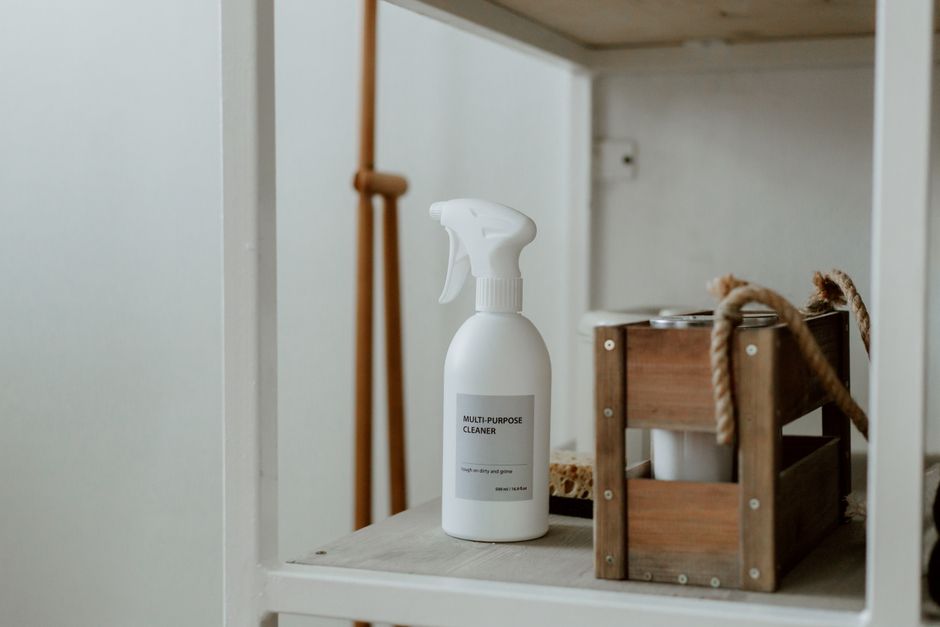
If you have ever picked up a washcloth only to find it feels slippery, sticky, or coated in a strange film, you already know how unpleasant a slimy washcloth can be. That slick residue is usually a mix of soap scum, bacteria, body oils, and moisture that never fully dried out. The good news is that cleaning a slimy washcloth is not complicated, but everything depends on using the right product. Using a weak dish soap or an ordinary all-purpose spray might reduce the smell for a day, but the slime almost always comes back within a week. That is why we always recommend starting with a cleaner that is actually designed to break down biofilm and soap residue at the source, not just mask it.
This is exactly why the Eco-Friendly Multi-Purpose Cleaner from Ferber Painting has become the go-to solution for so many households dealing with slimy washcloths, bath sponges, and other fabric items that trap moisture. Unlike most competitors, our product comes with a full satisfaction guaranteed or your money back policy, something you will not find with most other cleaning brands on the market. That guarantee alone tells you how confident we are that this cleaner will solve your slimy washcloth problem, and it removes all the risk from trying something new.
In this guide, we will walk you through exactly why the right product matters, what sets our Eco-Friendly Multi-Purpose Cleaner apart from other options, and a full step-by-step method for cleaning a slimy washcloth so it feels fresh again. We will also cover how to prevent the slime from coming back in the first place, answer some of the most common questions people have about this issue, and explain why ordering from Ferber Painting is the safest and easiest choice you can make.
Before we get into the details, it is worth mentioning that this is a far more common problem than most people realize. Bathrooms are naturally warm, humid environments, and washcloths spend most of their life either wet or slightly damp. Combine that with daily contact with soap, shampoo residue, dead skin cells, and natural body oils, and you have a near perfect environment for bacteria and biofilm to develop. Many people assume they are simply not washing their washcloth often enough, when in reality the issue is almost always about what they are washing it with rather than how frequently they do it. Understanding this distinction is the first step toward finally solving the problem for good instead of just managing it every few weeks.
Why the Right Cleaning Product Makes All the Difference
Before diving into the cleaning steps, it is important to understand why a slimy washcloth happens in the first place. Washcloths are used daily, get wet, come into contact with skin oils, soap residue, and sometimes bacteria from the shower environment. If they are not dried properly between uses, or if they are washed with a cleaner that does not fully break down organic buildup, a biofilm starts to form. This biofilm is what creates that slippery, gluey texture that so many people mistake for simple dirt.
Many people try to fix this with regular laundry detergent, vinegar, or baking soda alone. These methods can help a little, but they often fail to fully eliminate the biofilm because they are not formulated to break down the specific combination of oils, minerals, and bacteria that cause the slime. This is where a dedicated, high-performance cleaner becomes essential. The Eco-Friendly Multi-Purpose Cleaner from Ferber Painting was formulated to cut through grease, soap scum, and biofilm on contact, which makes it far more effective on slimy fabrics than typical household products.
Choosing the right product also matters because some cleaners on the market contain harsh chemicals that can damage delicate fabric fibers over time, causing washcloths to wear out faster or lose their softness. Our formula is eco-friendly and gentle on fabric while still being powerful enough to break down stubborn residue, which means your washcloths will not only get clean, they will also last longer. This combination of strength and gentleness is something that is genuinely hard to find in other brands, most of which lean too far in one direction or the other.
Another reason the right product matters so much is consistency. A cleaner that works once but leaves residue behind after a few washes will only bring the slimy texture back sooner. Our formula is designed to rinse away completely, leaving no oily film that could feed future bacteria growth. This is a detail that most budget cleaners on store shelves simply do not address, and it is one of the main reasons customers switch to Ferber Painting after trying several other brands first.
The Science Behind Washcloth Slime
To really understand why certain cleaners fail, it helps to understand what is happening on a microscopic level. When a washcloth stays damp for extended periods, bacteria and fungi that are naturally present in the environment begin to multiply on the fibers. As they grow, many of these microorganisms produce a protective layer called biofilm, which is essentially a slimy matrix that shields the colony from soap, water, and even some disinfectants. This is the same mechanism responsible for the slick feeling inside a shower drain or the film that forms on a dish sponge left in a damp sink.
Because biofilm is designed by nature to resist being washed away, ordinary soap or a quick rinse under warm water is often not enough to remove it. The proteins and fatty acids from body oils and soap residue essentially feed this layer, allowing it to regenerate quickly even after a wash that looked effective. This explains why so many people report that their washcloth feels clean for a day or two after washing, only for the slippery texture to return almost immediately.
A cleaner formulated to break down biofilm needs to do two things at once. It needs to disrupt the structural matrix that holds the slime together, and it needs to remove the organic material that feeds it, all while rinsing away cleanly so nothing is left behind to restart the cycle. This is precisely the approach behind the Eco-Friendly Multi-Purpose Cleaner from Ferber Painting, which is one of the main reasons it performs so differently compared to a simple splash of dish soap or a generic spray cleaner.
Common Mistakes People Make When Trying to Fix a Slimy Washcloth
Over the years, we have heard from countless customers about the different tricks they tried before finding a solution that actually worked. A few mistakes come up again and again. The first is soaking the washcloth in plain hot water, assuming heat alone will kill bacteria and dissolve the slime. While heat can help loosen some residue, it does very little against a mature biofilm layer without a proper cleaning agent working alongside it.
The second common mistake is using bleach in an attempt to sterilize the fabric completely. While bleach can kill bacteria, it is extremely harsh on fabric fibers, can cause discoloration, and often leaves behind chemical residue that some people find irritating on the skin, especially on a facecloth used near the eyes. It also does nothing to prevent the biofilm from reforming once the washcloth becomes damp again.
The third mistake is simply replacing the washcloth entirely instead of addressing the root cause. While buying a new washcloth might solve the problem temporarily, if the same drying and washing habits continue, the new washcloth will develop the same slimy texture within a few weeks. This is an expensive and wasteful cycle that can be avoided entirely by using the correct cleaning method from the start.
Does Water Hardness Play a Role?
Another factor that often gets overlooked is water hardness. In areas with hard water, mineral deposits from calcium and magnesium can combine with soap residue to create a stickier, harder to remove film on fabric. This mineral buildup can actually make biofilm adhere more strongly to washcloth fibers, which is why some households seem to struggle with this issue far more than others. A cleaner that is formulated to cut through both organic residue and mineral buildup, like our Eco-Friendly Multi-Purpose Cleaner, tends to perform noticeably better in these harder water regions compared to a basic detergent alone.
What Makes Ferber Painting’s Eco-Friendly Multi-Purpose Cleaner Different
There are dozens of multi-purpose cleaners available online and in stores, so it is fair to ask what actually makes ours different. The answer comes down to four main factors: formula effectiveness, environmental safety, ease of use, and our unmatched satisfaction guaranteed or your money back promise.
First, our formula is built to tackle organic residue, soap scum, and bacteria-driven slime specifically, not just surface dust or visible dirt. This makes it especially effective for fabric items like washcloths, sponges, and reusable cleaning cloths that tend to develop that sticky texture over time.
Second, our cleaner is genuinely eco-friendly, meaning it breaks down safely without leaving behind harsh chemical residue that could irritate skin, which is particularly important for a product you will be using on something that touches your face and body every day. Many multi-purpose cleaners advertise as gentle but still contain strong synthetic additives. Ours is formulated with biodegradable ingredients that are tough on grime but safe for regular household use.
Third, ease of use is a major factor. Our cleaner works with a simple spray, soak, or diluted solution, without requiring complicated mixing ratios or long waiting times. You do not need special equipment or protective gear to use it safely, which is not always the case with stronger industrial-style cleaners.
Finally, and most importantly, the satisfaction guaranteed or your money back policy is something that very few competitors offer at all. If you try our Eco-Friendly Multi-Purpose Cleaner and are not satisfied with the results on your slimy washcloth or any other cleaning task, you can get a full refund. No other brand in this space backs their product with that level of confidence, and it is one of the clearest signs that we stand fully behind what we sell.
On top of the product itself, ordering from Ferber Painting comes with additional benefits that improve the overall experience. Our website offers a secure and simple online payment process, so checking out takes only a couple of minutes. We also ship quickly worldwide thanks to an international network of trusted carriers, meaning customers from many different countries can get their order delivered without unnecessary delays. Combined with our guarantee, this makes ordering from us a low-risk, high-reward decision compared to buying from unfamiliar brands or generic marketplace listings.
Formula Effectiveness in Real Households
It is one thing to describe a formula on paper, but what really matters is how it performs in real bathrooms, with real washcloths, in everyday conditions. Customers have used the Eco-Friendly Multi-Purpose Cleaner on washcloths that had been slimy for months, facecloths used by children who often forget to hang them properly, and even reusable cleaning cloths used in kitchens where grease and food residue combine with moisture. In each of these situations, the pattern is the same: a short soak followed by a gentle scrub is usually enough to restore the fabric to a fresh, non-slippery state, without needing to repeat the process multiple times or resort to replacing the item entirely.
Beyond Washcloths: A Truly Multi-Purpose Solution
While this guide focuses specifically on washcloths, it is worth noting that the same formula that breaks down biofilm on fabric is equally effective on many other surfaces around the home. Kitchen sponges, bath mats, shower curtains, reusable cleaning cloths, and even certain plastic surfaces in the bathroom can develop the same type of slimy residue over time. Because the cleaner is designed to be multi-purpose, a single bottle can handle all of these different cleaning tasks, which makes it a more practical and economical choice compared to buying separate specialized products for each individual problem.
Ferber Painting vs Other Cleaning Products: A Quick Comparison
To make the differences clearer, here is a simple comparison of the criteria that matter most when choosing a cleaning product for a slimy washcloth or similar fabric items.
| Criteria | Ferber Painting Eco-Friendly Multi-Purpose Cleaner | Typical Competitor Products |
|---|---|---|
| Satisfaction guarantee | Full satisfaction guaranteed or your money back | Rarely offered, or limited conditions apply |
| Effectiveness on biofilm and soap scum | Formulated specifically to break down organic residue | Often only masks odor without removing buildup |
| Eco-friendly formula | Biodegradable and gentle on fabric fibers | Often contains harsh synthetic chemicals |
| Ease of use | Simple spray or soak method, no complicated mixing | Sometimes requires precise dilution or long wait times |
| Shipping | Fast worldwide delivery through an international carrier network | Often limited to local regions or slow shipping times |
| Online payment process | Simple, secure, and fast checkout | Varies widely, sometimes with limited payment options |
As the table shows, the combination of a genuine money back guarantee, an effective eco-friendly formula, and reliable worldwide shipping is difficult to match. This is exactly why so many customers choose the Eco-Friendly Multi-Purpose Cleaner over other options when dealing with a slimy washcloth.
It is also worth pointing out that many competitor products require you to buy separate cleaners for different tasks, one for fabric, another for surfaces, and yet another for tougher grime. This adds up quickly in cost and also means having several bottles of cleaning products cluttering your bathroom or laundry area. Because our formula is genuinely multi-purpose and backed by a refund policy, customers often find that a single bottle replaces two or three other products they were previously buying separately, which makes the overall value even stronger than the table above suggests.
Step-by-Step Guide: How to Clean a Slimy Washcloth
Now that you understand why product choice matters so much, here is a detailed method for cleaning a slimy washcloth using the Eco-Friendly Multi-Purpose Cleaner from Ferber Painting.
- Step 1: Rinse the washcloth thoroughly under warm water to remove any loose debris, soap film, or surface grime before applying the cleaner. This first rinse is important because it clears away loose particles so the cleaner can focus directly on the biofilm rather than wasting its strength on surface dirt.
- Step 2: Prepare a diluted solution of the Eco-Friendly Multi-Purpose Cleaner according to the instructions on the label. A light dilution is usually enough for regular slime buildup, while a stronger mix can be used for particularly stubborn cases. If you are treating multiple washcloths at once, preparing the solution in a small basin or bucket rather than a sink can make the soaking step easier to manage.
- Step 3: Submerge the washcloth completely in the solution and let it soak for at least fifteen to twenty minutes. This soaking time allows the formula to break down the biofilm layer that is causing the slippery texture. For washcloths that have been slimy for a long time, extending the soak to thirty minutes can help ensure the cleaner fully penetrates the fibers.
- Step 4: After soaking, scrub the washcloth gently between your hands or with a soft brush to help lift away any remaining residue. You should notice the slippery feeling disappearing almost immediately. Pay extra attention to the edges and seams of the washcloth, since these areas often trap more residue than the flat center of the fabric.
- Step 5: Rinse the washcloth thoroughly under running water until no soap or cleaner residue remains. Proper rinsing is essential to prevent new buildup from forming quickly. A good way to check is to gently squeeze the washcloth and make sure the water running out is completely clear rather than cloudy or foamy.
- Step 6: Wring out the excess water and hang the washcloth in a well-ventilated area where it can dry completely, ideally within a few hours. Avoid leaving it folded or in a damp pile, since trapped moisture is one of the main causes of slime returning. Hanging it over a towel bar or a small hook away from the shower stream tends to work far better than draping it over the edge of the tub.
- Step 7: For a deeper clean, especially with washcloths used for months, you can add the diluted cleaner to your regular laundry cycle along with your usual detergent, which helps remove buildup that may have settled deep into the fibers. If your washing machine has a longer or heavier duty cycle option, using it occasionally for washcloths and towels can help ensure a more thorough clean than a quick, light cycle.
Following these steps with a reliable eco-friendly cleaner should leave your washcloth feeling soft, fresh, and completely free of that unpleasant slimy texture. Many customers report noticing a difference from the very first use, which is part of why we are confident enough to back the product with our satisfaction guaranteed or your money back promise.
If you are dealing with several washcloths at once, or an entire household worth of towels and cloths that have developed the same issue, you can scale this same process up by using a larger basin or even your bathtub for the soaking stage. The ratios simply need to be adjusted according to the volume of water used, and the same fifteen to twenty minute soak time applies regardless of how many items you are treating at once. This makes it easy to do a full reset of your bathroom textiles in a single afternoon rather than tackling one washcloth at a time over several days.
For particularly stubborn cases, such as a washcloth that has been slimy for several months or one that was accidentally left balled up in a gym bag or laundry hamper for an extended period, you can repeat the soak and scrub steps a second time before moving on to rinsing. In rare cases where the fabric has significant mildew staining in addition to the slimy texture, combining the soak with direct sunlight during the drying stage can help further reduce both the smell and the appearance of the stain, since natural UV exposure has a mild disinfecting effect on fabric.
Tips to Prevent Your Washcloth From Getting Slimy Again
Cleaning a slimy washcloth is only half the battle. Preventing it from happening again is just as important, especially if you want to avoid repeating this process every few weeks.
The most important habit is proper drying. After every use, wring out your washcloth as much as possible and hang it somewhere it can fully air dry, ideally not draped over the edge of a damp shower or folded on a wet surface. Moisture that lingers between uses is the number one cause of biofilm formation.
Washing your washcloth regularly, at least once or twice a week depending on frequency of use, is another key habit. Using a small amount of diluted Eco-Friendly Multi-Purpose Cleaner during this weekly wash helps prevent buildup from accumulating in the first place, rather than waiting until the slime becomes obvious.
Rotating between two or three washcloths also helps, since it gives each one more time to fully dry between uses instead of staying damp constantly. This small change can dramatically reduce how often you need to deep clean them.
Finally, avoid storing washcloths in closed containers, plastic bags, or tightly packed drawers while they are even slightly damp. Airflow is essential for preventing the type of bacterial growth that leads to that sticky, slimy texture in the first place.
Choosing the Right Storage Spot
Where you hang or store your washcloth between uses matters almost as much as how well you wash it. A small hook or bar positioned near a window or an exhaust fan will encourage faster airflow and drying compared to a spot tucked into a corner with poor ventilation. If your bathroom does not have great natural airflow, running the exhaust fan for an extra fifteen to twenty minutes after a shower can make a noticeable difference in how quickly your washcloth and towels dry, which in turn reduces the opportunity for biofilm to develop.
Material Matters Too
The type of fabric your washcloth is made from can also influence how quickly it becomes slimy. Thicker, more densely woven cotton washcloths tend to hold moisture longer than thinner, more loosely woven options, which means they may need more attention when it comes to drying. Microfiber washcloths, while excellent at cleaning, can sometimes trap oils more stubbornly within their fine fibers, which is why using a cleaner strong enough to fully break down that residue, like our Eco-Friendly Multi-Purpose Cleaner, becomes even more important for this type of fabric.
Seasonal Considerations
It is also worth noting that slimy washcloths tend to become a bigger problem during humid summer months or in bathrooms without proper ventilation, since ambient moisture in the air slows down drying time regardless of how well you wring out the fabric. During these periods, increasing the frequency of your washing routine, even to two or three times a week, combined with using a fan or dehumidifier if available, can help keep the problem from returning as quickly as it might during drier seasons.
Frequently Asked Questions
Why does my washcloth feel slimy even after washing it?
This usually means the washing method or product used did not fully break down the biofilm layer causing the slime. Regular detergent is often formulated to remove dirt and stains rather than the specific combination of oils, minerals, and bacteria that create a biofilm matrix, which is why the slippery texture can return even after what seems like a thorough wash. Using a dedicated cleaner formulated for this type of buildup, like our Eco-Friendly Multi-Purpose Cleaner, along with proper drying afterward, solves this in almost all cases.
Is it safe to use an eco-friendly cleaner on fabric that touches my skin daily?
Yes. Our formula is specifically designed to be gentle on fabric fibers and skin while still being powerful enough to remove soap scum and bacteria buildup, making it safe for daily use items like washcloths. Because the formula is biodegradable and does not rely on harsh synthetic additives, it is also a good option for households with young children, sensitive skin, or anyone who prefers to avoid strong chemical smells in their bathroom.
How often should I deep clean my washcloth?
For most households, cleaning your washcloth once a week with a proper solution, combined with daily air drying, is enough to prevent slime from forming. Households in humid climates, or those with multiple family members sharing the same washcloth, may benefit from cleaning twice a week to stay ahead of buildup rather than waiting for the slippery texture to reappear.
What if the product does not work for my situation?
This is exactly why we offer a satisfaction guaranteed or your money back policy. If you are not fully happy with the results, you can request a refund with no complications. We stand behind the formula because we have seen it work consistently across a wide range of situations, from lightly used facecloths to heavily soiled kitchen and cleaning cloths.
How fast will my order arrive?
Thanks to our international network of trusted carriers, Ferber Painting delivers quickly to customers around the world, and the online payment process takes just a few minutes to complete. Most customers receive tracking information shortly after checkout, allowing them to follow their order every step of the way until it arrives.
Can this cleaner be used on other bathroom items besides washcloths?
Absolutely. The same formula that removes biofilm and soap scum from washcloths works equally well on bath sponges, shower curtains, bath mats, and reusable cleaning cloths. Many customers keep a bottle in both the bathroom and the kitchen since it handles grease and residue on kitchen sponges and cloths just as effectively.
Will using this cleaner regularly damage my washcloth over time?
No. One of the main advantages of our eco-friendly formula is that it is gentle enough for regular use without breaking down fabric fibers the way some harsher cleaners can. In fact, many customers find that their washcloths stay softer for longer when they switch from harsh chemical cleaners to our gentler, plant-based formula.
Conclusion
A slimy washcloth is a common problem, but it does not have to be a recurring one. By choosing the right cleaning product, following a proper cleaning routine, and adopting simple prevention habits like thorough drying and regular washing, you can keep your washcloths fresh and slime-free for good. The Eco-Friendly Multi-Purpose Cleaner from Ferber Painting was built specifically to handle this kind of stubborn residue while remaining gentle, safe, and effective, all backed by a satisfaction guaranteed or your money back promise that very few other brands are willing to offer. Whether you are dealing with a single facecloth that has become unpleasant to use, or an entire household worth of towels and cloths that need a fresh start, the same simple soak, scrub, and dry method described in this guide will help restore them to a clean, soft, and slime-free state. Order your Eco-Friendly Multi-Purpose Cleaner today and finally put an end to slimy washcloths for good.