 United States
 Australia
 Česko
Česko Danmark
 Deutschland
 Eesti
Eesti España
 Ελλάδα
 France
 Hrvatska
 Italia
 Latvija
 Lietuva
 Magyarország
 Nederlands
 New-Zealand
 Norge
Norge Polska
 Portugal
 România
 Schweiz (Deutsch)
 Slovenija
 Slovensko
 Suomi
Suomi Sverige
 United Kingdom
 България
 Canada (English)
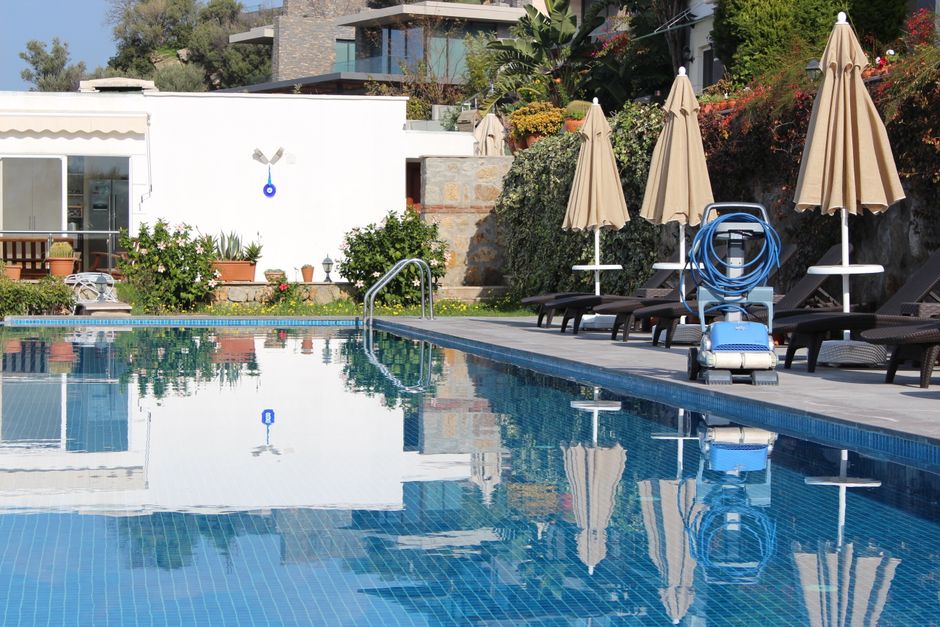
Keeping a pool enclosure clean is not just about aesthetics. A pool enclosure, whether made of glass, polycarbonate, aluminum, or a combination of materials, is constantly exposed to dirt, pollen, hard water stains, algae, and general grime that builds up over time. If left untreated, this buildup can damage the surface, reduce transparency, and even shorten the lifespan of your enclosure. The good news is that cleaning a pool enclosure does not have to be a complicated or time-consuming task, as long as you use the right product and follow the correct method.
A pool enclosure represents a significant investment, and it is meant to protect your pool area, extend your swimming season, keep debris and insects out, and improve energy efficiency around the water. Because of this, treating it as a long term asset rather than a purely decorative structure changes the way you approach cleaning and maintenance. A neglected enclosure does not just look dirty, it can also develop hazy panels, stiff sliding tracks, and corroded hardware that eventually require costly repairs or premature replacement. Regular, proper cleaning is one of the simplest and most cost effective ways to protect that investment over the years.
Everything starts with choosing the right cleaning product. Using a generic household cleaner or an abrasive chemical can do more harm than good, scratching surfaces, leaving streaks, or even damaging protective coatings. This is why we strongly recommend the Pool and Spa Cleaner from Ferber Painting. It has been specifically formulated to clean pool enclosures, spas, and related surfaces without causing damage, while delivering a streak-free, long-lasting shine. Better yet, it is the only cleaning product on the market that comes with a full satisfaction guaranteed or money back policy. If you are not completely satisfied with the results, you get your money back, no questions asked. No other competitor offers this level of confidence in their product.
In this guide, we will walk you through everything you need to know about cleaning a pool enclosure properly, explain why the Ferber Painting Pool and Spa Cleaner stands out from the competition, and give you a full step-by-step method you can follow today. We will also cover seasonal maintenance strategies, common mistakes to avoid, and answer the questions our customers ask us most often, so that by the end of this article you will have everything you need to keep your enclosure looking as good as the day it was installed.
Why the Right Product Makes All the Difference
Before diving into the cleaning process itself, it is essential to understand why the product you choose has such a big impact on the final result. Pool enclosures are often made of delicate materials such as tempered glass, polycarbonate panels, or anodized aluminum frames. These materials react differently to chemicals, and using the wrong cleaner can lead to several issues:
- Micro-scratches caused by abrasive formulas
- Discoloration or yellowing of polycarbonate panels
- Corrosion of aluminum frames and metal joints
- Streaks and residue that attract even more dust
- Weakening of protective coatings, making future cleaning harder
Consider tempered glass panels as an example. Glass is extremely resistant to scratching in general, but many commercial cleaners contain ammonia or alcohol based solvents that, over time, can degrade the protective coatings applied to some enclosure glass to reduce glare or limescale buildup. Once that coating is compromised, hard water spots become almost impossible to remove and the glass starts to look permanently hazy no matter how much you scrub. Polycarbonate panels present a different challenge altogether. This lightweight, impact resistant material is popular for enclosures because it is more affordable than glass and highly durable, but it is also more sensitive to certain solvents. Using the wrong cleaner on polycarbonate can cause micro-cracking, a yellowish tint, or a cloudy film that no amount of polishing will fix.
Aluminum frames bring their own set of concerns. Most enclosure frames are anodized or powder coated to resist corrosion, but repeated exposure to chlorine, salt water, and harsh cleaning chemicals can slowly break down that protective layer. Once corrosion starts at the joints or around screws, it tends to spread, weakening the structure over time and creating unsightly white or gray oxidation marks that are very difficult to reverse. This is why a cleaner that is too aggressive, even if it seems to work well the first few times, can end up costing you far more in the long run through material degradation and premature repairs.
The Pool and Spa Cleaner from Ferber Painting was designed with these challenges in mind. It uses a balanced, non-abrasive formula that is safe on glass, polycarbonate, aluminum, PVC, and most composite materials commonly used in pool enclosures. Unlike many multipurpose cleaners that try to do everything and end up doing nothing particularly well, our product was engineered specifically for pool and spa environments, where humidity, chlorine residue, and constant water exposure create unique cleaning challenges.
Another major advantage is the fact that our formula is safe for both the enclosure and the surrounding pool water. Many competitor products contain harsh chemicals that can leach into the pool if any overspray or runoff occurs. Our cleaner is formulated to be effective on surfaces while remaining safe if minimal contact with pool water happens, giving you extra peace of mind, especially if you have children or pets around the pool area. This is particularly important for enclosures that sit very close to the water line, where even careful application can sometimes result in small amounts of overspray landing near or in the pool.
There is also the question of long term cost. A cheap, low quality cleaner might seem like a bargain at first, but if it requires multiple applications to achieve the same result, or if it damages surfaces that then need professional restoration, the real cost ends up being much higher. Investing in a product specifically engineered for pool enclosures, backed by a genuine guarantee, is almost always the more economical choice over the lifetime of your enclosure.
What Makes Ferber Painting’s Pool and Spa Cleaner Different
There are dozens of pool and spa cleaning products available today, so it is fair to ask why you should choose ours over the rest. Here are the main reasons customers consistently choose Ferber Painting.
First, the satisfaction guaranteed or money back policy. We are the only company in this market segment that fully stands behind our product with a no-risk guarantee. If the results do not meet your expectations, you simply contact our support team and receive a full refund. This is something none of our competitors currently offer, and it reflects how confident we are in the quality of our formula. In practice, this means you can try the product on your own enclosure, under your own local conditions, whether that is hard water, high pollen counts, salt water systems, or heavy humidity, without any financial risk. Very few companies in this industry are willing to make that kind of commitment, and we believe it says a great deal about the quality and reliability of what we sell.
Second, worldwide fast shipping. Thanks to our international network of trusted carriers, we are able to deliver the Pool and Spa Cleaner to customers around the globe quickly and reliably. Whether you are located in Europe, North America, or elsewhere, you can expect fast processing and delivery times that are significantly better than many smaller competitors who rely on limited shipping options. Our logistics partners allow us to consolidate shipments efficiently, reduce customs delays where possible, and provide accurate tracking information from the moment your order leaves our warehouse until it arrives at your door. This is especially valuable for customers who need to plan pool maintenance around specific dates, such as before a family gathering or the start of the swimming season.
Third, simple and secure online payment. Ordering our product is quick and hassle free. You can complete your purchase directly on our website using secure online payment methods, without the need to visit a physical store or deal with complicated ordering processes. There is no need to create complicated accounts, wait for phone confirmations, or navigate confusing checkout systems. From the moment you decide to order, the entire process typically takes just a couple of minutes.
Fourth, a formula built specifically for pool and spa surfaces. Unlike generic glass cleaners or all-purpose degreasers, our product is optimized to remove calcium deposits, soap scum, algae residue, and mineral buildup that are common around pools and spas, all while being gentle enough for daily use. Calcium and mineral deposits in particular are notoriously difficult to remove once they have hardened on a surface, and many general purpose cleaners simply are not strong enough to break them down without repeated scrubbing. Our formula is designed to dissolve these deposits more effectively while still remaining gentle on the underlying material.
Fifth, an easy application process. The Pool and Spa Cleaner is designed to be user friendly, requiring no special equipment or protective gear beyond basic gloves. Simply spray, wipe, and rinse if needed, this simplicity is one of the reasons our customers keep coming back. Many professional grade cleaning products require diluting concentrated chemicals, wearing full protective equipment, or following complicated multi-step processes. Our goal was to remove that friction entirely, so that homeowners of any experience level can achieve professional looking results without needing specialized training or equipment.
Step-by-Step Guide: How to Clean a Pool Enclosure
Now that you understand why product choice matters so much, let’s go through the actual process of cleaning a pool enclosure from start to finish. This method works whether you have a glass enclosure, a polycarbonate structure, or an aluminum framed model. Before you begin, gather your supplies: a soft bristle broom, a garden hose with an adjustable nozzle, the Pool and Spa Cleaner, a few clean microfiber cloths, a squeegee if you have glass panels, a small soft brush for tracks and corners, and a pair of basic gloves.
Step 1: Remove loose debris. Before applying any cleaning product, use a soft broom or a leaf blower to remove leaves, dust, insects, and other loose debris from the surface of the enclosure. This prevents scratching during the wiping process and makes the actual cleaning much more effective. Pay particular attention to corners, tracks, and any horizontal surfaces such as roof panels, where leaves and dirt tend to accumulate the most. If you skip this step, small grit particles trapped against the surface can act like sandpaper once you start wiping, leaving fine scratches that become more visible over time.
Step 2: Rinse the surface with water. Use a garden hose with a gentle spray nozzle to rinse the entire enclosure, panels, frames, and door tracks. This step removes surface dirt and prepares the material for deeper cleaning. Work from the top down so that dirt and debris are rinsed downward rather than spread across sections you have already cleaned. If your enclosure is particularly tall, a hose attachment with adjustable pressure can help you reach higher panels without needing a ladder for every section.
Step 3: Apply the Pool and Spa Cleaner. Spray the Ferber Painting Pool and Spa Cleaner evenly across the surface, working in sections rather than trying to cover the entire enclosure at once. Working in smaller sections ensures the product does not dry out before you have a chance to wipe it off. A good rule of thumb is to work on sections no larger than what you can comfortably wipe within one or two minutes, especially on hot or sunny days when liquids evaporate more quickly.
Step 4: Let the product sit briefly. Allow the cleaner to sit for about thirty to sixty seconds so it can break down grime, hard water stains, and mineral deposits without requiring aggressive scrubbing. For areas with particularly heavy buildup, such as sections near pool jets or areas that receive constant splashing, you can extend this dwell time slightly, but avoid letting the product dry completely on the surface, as this can sometimes leave its own residue if not wiped away in time.
Step 5: Wipe with a microfiber cloth. Using a clean, soft microfiber cloth, wipe the surface in gentle circular motions. Microfiber is ideal because it lifts dirt without leaving scratches or lint behind, something particularly important for glass and polycarbonate panels. Keep a second clean cloth on hand for buffing, and rinse or switch cloths regularly once they become saturated with dirt, since a dirty cloth can reintroduce grit onto the surface you are trying to clean.
Step 6: Rinse if necessary. Depending on the surface and the level of buildup, you may choose to rinse with clean water after wiping, especially for larger glass panels, to ensure a completely streak-free finish. This step is optional for lighter cleaning sessions but recommended whenever you are dealing with heavier dirt or after a long period without cleaning.
Step 7: Dry with a squeegee. For glass enclosures in particular, using a squeegee after cleaning helps achieve a professional, streak-free result and prevents water spots from forming as the surface dries. Work in overlapping vertical or horizontal strokes, wiping the blade clean with a cloth between each pass to avoid dragging dirt or excess water across the panel you just cleaned.
Step 8: Clean the frame and tracks. Do not forget the aluminum or PVC frames and the sliding door tracks. These areas tend to accumulate dirt, sand, and debris that can affect how smoothly the enclosure opens and closes. Apply the cleaner to a cloth and wipe down these areas as well, using a small brush for tracks if needed. Sliding door tracks in particular deserve extra attention, since accumulated grit not only looks unsightly but can also wear down the rollers over time, eventually leading to doors that stick or become difficult to operate.
Step 9: Inspect and repeat if necessary. Once you have finished, step back and inspect the enclosure under natural light. If any streaks or spots remain, simply repeat the process on those specific areas. Natural daylight tends to reveal streaks and residue far more clearly than indoor lighting or overcast conditions, so if possible, do a final inspection walk around your enclosure on a sunny day or in the late afternoon light.
Step 10: Maintain a regular cleaning schedule. For best results, clean your pool enclosure at least once every two to four weeks, depending on your local climate, pollen levels, and how much the enclosure is used. Regular maintenance prevents heavy buildup and makes each cleaning session faster and easier. Enclosures that are cleaned consistently every few weeks typically take a fraction of the time to clean compared to those left untouched for several months, since dirt and mineral deposits have less opportunity to bond firmly to the surface.
Comparing Ferber Painting to Other Pool Enclosure Cleaners
To help you understand exactly why our product stands out, here is a comparison table highlighting the most important criteria customers look for when choosing a pool enclosure cleaner.
| Criteria | Ferber Painting Pool and Spa Cleaner | Typical Competitor Products |
|---|---|---|
| Satisfaction guaranteed or money back | Yes, full refund available | Rarely offered |
| Safe for glass, polycarbonate, and aluminum | Yes, tested on all common materials | Varies, often limited to one surface type |
| Worldwide shipping | Fast delivery through international carrier network | Often limited to domestic markets |
| Online payment process | Simple and secure, directly on the website | Sometimes requires third party retailers |
| Ease of use | Spray, wipe, rinse if needed | Often requires scrubbing or multiple products |
| Safe near pool water | Yes, low risk formula | Varies, some contain harsher chemicals |
| Streak-free finish | Consistently streak-free | Often leaves residue or streaks |
As this comparison shows, the Ferber Painting Pool and Spa Cleaner checks every box that matters, while many competitor products fall short on at least one important criteria, whether it is safety, ease of use, or customer confidence through a guarantee. When customers compare products side by side, they often discover that the cheaper alternative on the shelf actually costs more in the long run, either because it requires additional products to finish the job, or because it needs to be reapplied more frequently to achieve similar results. Taking the time to compare these criteria before making a purchase can save both money and frustration down the road.
Tips for Maintaining a Spotless Pool Enclosure Year-Round
Cleaning your pool enclosure once is a good start, but maintaining it properly throughout the year requires a bit of ongoing effort. Here are some practical tips to keep your enclosure looking its best in every season.
During spring, pollen and tree debris tend to accumulate quickly. Increasing your cleaning frequency during this period, perhaps every two weeks, helps prevent buildup that becomes harder to remove later. Spring is also a good time to check for any damage that may have occurred over the winter, such as loose seals, small cracks in panels, or hardware that has become loose, since catching these issues early can prevent bigger problems once the swimming season is in full swing.
During summer, sunscreen residue, insect debris, and increased pool usage mean more frequent contact with the enclosure surfaces. A quick wipe down with the Pool and Spa Cleaner after heavy use days can prevent stains from setting in. Summer heat also means cleaning products dry faster, so working in smaller sections and keeping your cloths slightly damp can help you avoid streaking caused by rapid evaporation.
During autumn, falling leaves and increased humidity can lead to mold or mildew forming in shaded corners or along tracks. Pay special attention to these areas and consider using the cleaner slightly more often in spots that do not receive much direct sunlight. Clearing gutters and drainage channels around the enclosure base during this season also helps prevent standing water, which is one of the main contributors to mold growth in shaded, poorly ventilated corners.
During winter, depending on your climate, reduced usage means you can likely clean less frequently, but it is still worth doing a thorough cleaning before closing the enclosure for the season and another one when reopening it in spring. If you live in an area with snow or freezing temperatures, make sure tracks and hinges are completely dry before the cold sets in, since trapped moisture can freeze and cause components to become stiff or even crack under pressure.
In addition to seasonal adjustments, always store your cleaning cloths and squeegee properly to avoid introducing dirt during future cleanings, and always shake the Pool and Spa Cleaner bottle before use to ensure the formula is properly mixed for maximum effectiveness. Keeping a small dedicated cleaning kit near your pool area, rather than searching for supplies each time, also makes it much easier to stay consistent with a regular cleaning schedule.
It is also worth mentioning a few common mistakes to avoid. Never use a pressure washer directly against seals, gaskets, or door tracks, since the high pressure can force water into places it should not go, potentially damaging weatherproofing or electrical components if your enclosure has motorized features. Avoid cleaning glass or polycarbonate panels under direct, intense sunlight whenever possible, since the heat causes cleaning products to evaporate too quickly, often leaving streaks behind before you have a chance to wipe them away properly. Finally, resist the temptation to use scouring pads, steel wool, or other abrasive tools even on stubborn stains, since these almost always cause permanent scratching that a proper cleaner and a bit of patience can avoid entirely.
Frequently Asked Questions
Is the Pool and Spa Cleaner safe for all types of pool enclosures?
Yes, our formula has been tested and is safe to use on glass, polycarbonate, aluminum, PVC, and most composite materials commonly found in pool enclosures. It has been formulated to clean effectively without stripping protective coatings or leaving behind residues that attract more dirt over time, which makes it suitable for the wide variety of enclosure designs and materials found on the market today.
How often should I clean my pool enclosure?
We recommend cleaning every two to four weeks depending on your climate and usage, with more frequent cleaning during spring and summer when pollen and debris levels are higher. Enclosures located near trees, construction sites, or areas with heavy dust may benefit from even more frequent attention, while enclosures in cleaner, more sheltered environments can sometimes go a bit longer between full cleanings.
What happens if I am not satisfied with the product?
Thanks to our satisfaction guaranteed or money back policy, you can request a full refund if you are not happy with the results, something no other competitor currently offers. Our support team is available to help troubleshoot any issues first, in case a small adjustment to your cleaning technique could improve results, but if you remain unsatisfied, the refund process is simple and straightforward.
Do I need any special equipment to use this product?
No, all you need is the Pool and Spa Cleaner, a soft microfiber cloth, and optionally a squeegee for glass surfaces. There is no need for scrubbing pads or additional chemicals. This makes it an ideal solution for homeowners who want professional results without investing in a full set of specialized cleaning tools.
How long does shipping take?
Thanks to our international network of carriers, delivery times are fast no matter where you are located, and you will receive tracking information as soon as your order ships. This allows you to plan your cleaning schedule with confidence, knowing exactly when your product will arrive.
Conclusion
Cleaning a pool enclosure does not need to be complicated, time consuming, or risky for your surfaces, as long as you follow the right method and use a product designed specifically for the job. From removing loose debris and rinsing the surface, to applying the cleaner and finishing with a squeegee, each step plays an important role in achieving a spotless, streak-free result that protects your enclosure for years to come. Taking the time to follow each step properly, and adjusting your routine slightly based on the season, will keep your enclosure looking its best while also protecting the materials from long term wear and damage.
Choosing the right product truly makes all the difference, and that is exactly why so many customers around the world trust Ferber Painting for their pool and spa cleaning needs, thanks to our fast worldwide shipping, secure online payment, and above all, our unique satisfaction guaranteed or money back policy that no competitor currently matches.
Order your Pool and Spa Cleaner today and experience the difference a truly effective, guaranteed product can make for your pool enclosure.