 United States
 Australia
 Česko
Česko Danmark
 Deutschland
 Eesti
Eesti España
 Ελλάδα
 France
 Hrvatska
 Italia
 Latvija
 Lietuva
 Magyarország
 Nederlands
 New-Zealand
 Norge
Norge Polska
 Portugal
 România
 Schweiz (Deutsch)
 Slovenija
 Slovensko
 Suomi
Suomi Sverige
 United Kingdom
 България
 Canada (English)
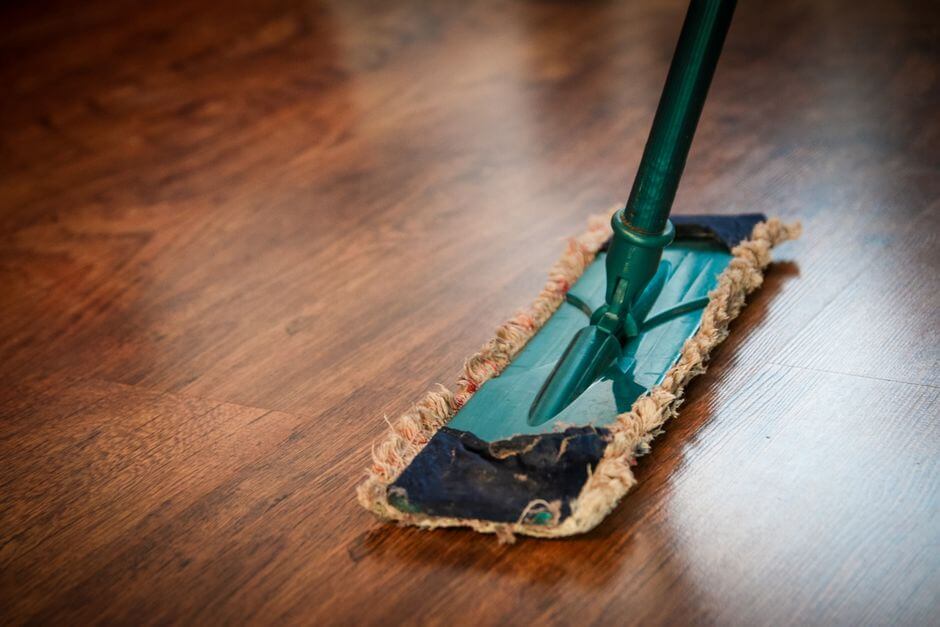
Keeping a balcony floor clean is not just about appearances. Dirt, mold, algae, and pollution residue can damage the surface material over time, making regular cleaning essential for both aesthetics and durability. But before diving into techniques and step-by-step instructions, there is one thing you need to understand: everything depends on choosing the right product. A poor quality cleaner can leave streaks, fail to remove stubborn stains, or even damage delicate surfaces like tiles, wood, or concrete.
Think about everything a balcony floor is exposed to throughout the year. In spring, pollen and tree sap settle into every crack and grout line. In summer, dust, pollution particles, and bird droppings accumulate under intense UV exposure that can bake stains into porous materials. In autumn, decomposing leaves create dark organic stains that feed mold spores. In winter, snow, ice melt residue, and repeated freeze-thaw cycles can cause micro cracks in concrete, allowing moisture and grime to penetrate even deeper. If you live near the coast, salt air accelerates corrosion and staining on metal railings and tile grout. If you live in a city, soot and exhaust particles settle into every pore of your flooring material. All of these factors combine to make balcony floors one of the most neglected yet most exposed surfaces of any home.
Left untreated, these issues do not stay purely cosmetic. Mold and algae growth can make a balcony floor dangerously slippery, especially after rain. Stains that are allowed to set for months become nearly impossible to remove without aggressive scrubbing or harsh chemicals that can damage the surface permanently. Wood decking can warp, splinter, or rot if moisture and organic debris are left to sit for extended periods. Concrete can develop unsightly efflorescence, a white chalky residue caused by mineral deposits rising to the surface through moisture. Composite decking, while more resistant than natural wood, can still fade, discolor, or develop a sticky biofilm if never properly cleaned. This is exactly why we recommend the Floor Cleaner from Ferber Painting. Unlike many competitors, our product comes with a full satisfaction guaranteed or your money back policy, something extremely rare in this market. If you are not happy with the results, you get a full refund, no questions asked. This alone should give you peace of mind when making your purchase, but there are many more reasons why our Floor Cleaner stands out from the crowd.
In this complete guide, we will walk you through everything you need to know about cleaning a balcony floor properly, from choosing the right product and understanding why it matters, to a detailed step by step cleaning process adapted to different surface types, and finally the long term maintenance habits that will keep your balcony looking fresh for years to come. Whether you have a small city balcony with tiled flooring, a wooden deck overlooking a garden, or a large composite terrace, the principles and techniques covered here will apply directly to your situation.
Why Choose Ferber Painting Floor Cleaner Over Other Products
The market is full of floor cleaning products, but very few offer the combination of effectiveness, safety, and customer service that Ferber Painting provides. Here are the main advantages that set our product apart:
- Satisfaction guaranteed or refunded: we are the only brand on the market offering this level of confidence in our product.
- Fast worldwide delivery thanks to an international network of trusted carriers.
- Easy online payment system, secure and available 24/7.
- Formulated to work on multiple surfaces including tile, concrete, wood, and composite decking.
- Environmentally friendly ingredients that are safe for plants, pets, and children.
- Concentrated formula, meaning you use less product per cleaning session, saving you money in the long run.
Many competing brands only offer refunds if the product is defective, not if you are simply unsatisfied with the cleaning results. Ferber Painting goes further because we trust the quality of what we sell.
Let us look more closely at what these advantages mean in practice. The satisfaction guaranteed or refunded policy is not a marketing gimmick. It reflects the fact that our formula has been tested extensively across a wide range of climates, surface types, and stain conditions before ever reaching the market. Most household cleaners on store shelves are designed as generic, one size fits all solutions, which means they often underperform on specific problems like ground in algae, oil stains from grilling on the balcony, or mineral deposits left behind by hard water. Our Floor Cleaner was developed specifically with outdoor and semi outdoor surfaces in mind, taking into account the unique challenges that balconies and terraces face compared to indoor floors.
The worldwide shipping network is another point worth emphasizing. Many smaller specialty cleaning brands are limited to domestic markets or a handful of countries, which can be frustrating if you live outside their core distribution area. Ferber Painting has built partnerships with reliable international carriers so that customers across different continents can order the same trusted formula without excessive shipping delays or unexpected customs issues. This global reach also means that if you move to a new country, you can continue using the same product you already trust rather than having to start from scratch testing local alternatives.
The secure online payment system further removes friction from the buying process. Many competitor websites still rely on outdated checkout systems that require creating an account, entering excessive personal information, or dealing with multiple redirect pages before a purchase is confirmed. Our streamlined process is designed to take less than a minute from start to finish, with encrypted payment handling that protects your financial information at every step.
Perhaps the most technically important advantage is the ability to work across multiple surface types. Balcony floors are not all created equal. Ceramic and porcelain tiles have a smooth, often glazed surface that resists staining but can be damaged by acidic cleaners that etch the glaze over time. Concrete is porous and alkaline, meaning it reacts differently to certain chemical cleaners and can suffer from efflorescence if the wrong product is used repeatedly. Natural wood is organic and absorbent, requiring a pH balanced formula that cleans without stripping natural oils or raising the wood grain. Composite decking, made from a blend of wood fibers and plastic polymers, needs a cleaner that will not degrade the plastic binding agents over years of exposure. Formulating a single product that performs well and safely across all of these different chemistries is genuinely difficult, and it is one of the main reasons so many generic cleaners on the market are surface specific rather than universal.
Finally, the concentrated formula is not just an environmental benefit, it is also a practical cost saving measure. Because the product is designed to be diluted before use, a single bottle lasts significantly longer than ready to use sprays that are mostly water. Over a full year of monthly deep cleans, this difference adds up substantially, making our Floor Cleaner one of the more economical choices despite its premium formulation.
Comparison Table: Ferber Painting Floor Cleaner vs Other Brands
| Criteria | Ferber Painting Floor Cleaner | Generic Competitor Brands |
|---|---|---|
| Satisfaction guaranteed or refunded | Yes, full refund policy | Rarely offered, often limited to defective products only |
| Worldwide shipping | Yes, fast international delivery | Often limited to specific countries |
| Online payment | Simple, secure, instant | Varies, sometimes complicated checkout process |
| Suitable for multiple surfaces | Yes, tile, wood, concrete, composite | Often limited to one surface type |
| Eco friendly formula | Yes | Not always guaranteed |
| Concentrated formula for cost savings | Yes | Rarely, most are diluted already |
As shown in this comparison, Ferber Painting Floor Cleaner checks every box that matters when it comes to choosing a reliable and effective product for your balcony maintenance needs.
It is worth taking a moment to consider what happens when a product fails on one or more of these criteria. A cleaner that only works on one surface type forces households with mixed flooring, for example tile on the balcony and composite decking on the terrace below, to purchase and store multiple different products. A cleaner without a genuine satisfaction guarantee leaves you financially exposed if the formula simply does not perform as advertised on your particular type of staining. A cleaner that ships slowly or only within a limited region can leave you waiting weeks during the exact season when you need to clean your balcony most urgently, such as right before hosting guests or right after a heavy pollen season. Each row in this table represents a real world pain point that customers regularly report when dealing with lower quality alternatives, and each row also represents a specific area where Ferber Painting has invested time and resources to do better.
Step by Step Guide: How to Clean a Balcony Floor
Now that you understand why the right product matters, let us walk through the complete process of cleaning your balcony floor effectively. This process works whether you are dealing with a small city balcony that takes fifteen minutes to clean, or a large wraparound terrace that requires a more methodical approach across multiple hours.
Step 1: Remove Furniture and Debris
Start by clearing the balcony of any furniture, plants, decorations, or loose debris. This gives you full access to the entire floor surface and prevents obstacles during the cleaning process. Sweep away leaves, dust, and small debris using a broom or a handheld brush.
Take this opportunity to inspect every item you remove. Plant pots often leave behind moisture rings or mineral stains from watering, and furniture legs can trap dirt and mold in the small area where they contact the floor. If you have a large balcony with heavy furniture like outdoor sofas or dining sets, consider cleaning in sections rather than moving everything at once. Move one half of the furniture to the already cleared side, clean that section thoroughly, let it dry, then shift the furniture over and repeat on the second half. This approach is particularly useful if you do not have anywhere else to temporarily store bulky furniture pieces.
While sweeping, pay special attention to corners, along the base of railings, and any drainage channels or scuppers built into the balcony floor. These areas tend to accumulate the most organic debris, and blocked drainage can lead to standing water that accelerates mold growth and, in colder climates, contributes to freeze-thaw cracking. If you notice a drainage outlet that seems clogged, use a small brush or a piece of wire to clear it before moving on to the next step.
Step 2: Pre-Rinse the Surface
Using a hose or a bucket of water, rinse the entire balcony floor to remove loose dirt and dust. This step prepares the surface for a deeper clean and helps the cleaning product work more effectively once applied.
If you do not have access to a hose, a large bucket combined with a soft push broom works just as well for most residential balconies. Pour water across the surface in sections, starting from the far corner and working your way toward the drainage point or the edge of the balcony, so that dirty water flows away from areas you have already rinsed rather than back across them. For upper floor balconies where water runoff could affect neighbors or the street below, always check building regulations or simply give a courtesy warning before releasing large amounts of water over the edge.
This pre-rinse step is often skipped by people in a hurry, but it makes a meaningful difference in the final result. Applying a cleaning product directly onto a dusty or gritty surface can actually cause fine particles to act like an abrasive, potentially creating tiny scratches on softer materials like sealed wood or polished stone as you scrub. Removing loose debris first protects the surface and also means the cleaner can focus its chemical action on actual stains rather than being partially absorbed or diluted by loose dirt.
Step 3: Apply Ferber Painting Floor Cleaner
Dilute the Floor Cleaner according to the instructions on the label, then apply it evenly across the balcony floor using a mop, sponge, or spray bottle depending on the size of the surface. Let the product sit for a few minutes to break down grease, mold, algae, and grime.
This is where our product truly shines compared to competitors. The concentrated formula penetrates deep into porous materials like concrete and wood without leaving any residue or damaging the surface. Many generic cleaners either fail to lift tough stains or leave behind a chemical smell that lingers for days. Ferber Painting Floor Cleaner is designed to leave your balcony spotless and fresh smelling.
The application method you choose should depend on the size and shape of your balcony as well as the nature of the surface. For small balconies under ten square meters, a spray bottle offers precise control and reduces product waste, making it ideal for spot treating specific stains without saturating the entire floor. For medium sized terraces, a mop with a bucket of diluted cleaner allows faster, more even coverage across larger areas. For very large or textured surfaces such as rough cut natural stone or heavily grooved composite decking, a garden sprayer with a wide fan pattern can help the product reach into every crevice more efficiently than a mop alone.
Timing also matters significantly during this step. Letting the product dwell for a few minutes gives the active ingredients time to break the molecular bonds holding grime, algae, and mold to the surface. However, on hot sunny days, diluted cleaner can evaporate quickly before it has a chance to work fully. If you are cleaning during warm weather, consider working in the shade of the morning or evening, or clean in smaller sections so that the product does not dry out before you can scrub and rinse it away. On the other hand, in cooler or shaded conditions, you can safely extend the dwell time to eight or ten minutes for particularly stubborn stains such as old algae patches or ground in dirt around furniture footprints.
For different types of stains, slightly different approaches work best. For general dirt and dust buildup, a standard dilution applied and left for three to five minutes is usually sufficient. For mold and algae, which often appear as dark green or black patches in shaded, damp corners of the balcony, a slightly stronger concentration combined with a longer dwell time of eight to ten minutes produces the best results. For grease and oil stains, common near outdoor grills or under bicycle storage racks, focus the product directly on the stain and allow it to penetrate before agitating with a brush. For mineral deposits and hard water stains, which often show up as white or chalky rings on tile or stone, a slightly more concentrated application combined with gentle scrubbing usually breaks down the deposits without needing to resort to harsh acidic products that could otherwise damage grout or sealant.
Step 4: Scrub the Surface
For tougher stains, use a stiff bristle brush to scrub the floor in circular motions. Focus on corners, edges, and grout lines where dirt tends to accumulate. The Floor Cleaner formula loosens grime effectively, making this step quicker and less physically demanding than with other products.
Choosing the right brush matters just as much as choosing the right cleaner. For tile and concrete surfaces, a stiff nylon bristle brush or a dedicated deck scrubber with a long handle allows you to apply firm pressure without kneeling on the ground for extended periods. For wood and composite decking, a slightly softer bristle brush is recommended to avoid scratching the surface or lifting fibers, especially on decking that has a textured or embossed wood grain finish. For delicate natural stone such as travertine or limestone, avoid wire brushes entirely, as metal bristles can leave behind rust marks or scratch the polished surface permanently.
Grout lines between tiles deserve particular attention during this step, since they are more porous than the tile itself and tend to trap dirt, mold spores, and moisture far more readily. An old toothbrush or a narrow grout brush works well for these tight spaces, allowing you to apply focused pressure exactly where it is needed without wasting effort scrubbing the smooth tile surface that is already clean. If grout lines have turned significantly darker than the surrounding tile, this is often a sign of mold growth that has penetrated below the visible surface, and it may require two or three cleaning sessions spaced a few days apart to fully lift the discoloration.
When scrubbing wooden decking, always work in the direction of the wood grain rather than across it. Scrubbing against the grain can force dirt and cleaning product deeper into the wood fibers rather than lifting it out, and it can also cause splintering over time as the wood dries and contracts. Pay special attention to the narrow gaps between individual deck boards, as these gaps trap falling leaves, dirt, and moisture that regular sweeping often misses entirely.
Step 5: Rinse Thoroughly
Once you have scrubbed the entire surface, rinse it thoroughly with clean water to remove any remaining product and dissolved dirt. Make sure no soapy residue is left behind, as this can attract more dust over time.
Thorough rinsing is one of the most commonly underestimated steps in the entire process. Any cleaning residue left behind, even from a high quality eco friendly formula, will act like a magnet for airborne dust and dirt over the following days, meaning your balcony will appear dirty again much faster than it should. For tiled and concrete surfaces, a strong hose spray usually removes all residue in a single pass. For wood and composite decking, you may need to rinse twice, since the textured surface and narrow board gaps can trap suds more stubbornly than a flat tile surface.
If you are cleaning a balcony without direct hose access, such as a high rise apartment, a large watering can or several buckets of clean water poured slowly and evenly across the surface can achieve a similar rinsing effect. Work from the highest point of the balcony toward the drainage outlet, allowing gravity to carry dissolved dirt and residue away naturally rather than pooling in low spots.
After rinsing, take a moment to check the water running off the surface. If it still appears cloudy, soapy, or discolored, give the area one more rinse pass. Clear runoff is the clearest sign that the surface has been properly rinsed and is ready for the final drying stage.
Step 6: Let It Dry
Allow the balcony floor to air dry completely before placing furniture or walking on it with shoes. Drying time may vary depending on weather conditions and the type of surface material.
On warm sunny days, tile and concrete surfaces typically dry within thirty minutes to an hour, while wood and composite decking may take slightly longer due to their more absorbent nature. On cooler or more humid days, drying time can extend to several hours, particularly in shaded areas of the balcony that receive less direct sunlight and airflow. If you need to speed up the drying process, a squeegee can be used to push excess water toward the drainage point immediately after rinsing, significantly reducing the total drying time.
Avoid the temptation to place damp furniture back onto a freshly cleaned wet floor. Wet furniture legs sitting on a still damp surface can trap moisture underneath, creating small localized spots that dry unevenly and, over repeated cleaning cycles, can leave faint discoloration rings on porous materials like unsealed concrete or untreated wood. It is always worth the extra hour of patience to let both the floor and any furniture dry completely before rearranging your balcony back to its usual layout.
Maintenance Tips to Keep Your Balcony Floor Clean Longer
Cleaning your balcony floor is only half the battle. Maintaining its cleanliness over time requires a few simple habits:
- Sweep the floor weekly to prevent dirt buildup.
- Use a doormat to reduce the amount of dirt brought onto the balcony.
- Apply Ferber Painting Floor Cleaner once a month for a deep clean, even if the floor looks clean on the surface.
- Address stains immediately rather than letting them set in, as fresh stains are always easier to remove.
- Protect wooden balconies with a sealant after cleaning to extend the lifespan of the material.
By following these habits combined with regular use of our Floor Cleaner, your balcony will stay in excellent condition throughout the year, regardless of the weather conditions it faces.
Let us go into a bit more detail on each of these habits, since small adjustments to how and when you perform them can make a noticeable difference in long term results. Weekly sweeping should ideally happen after any period of strong wind or rainfall, since these are the moments when leaves, dust, and airborne debris are most likely to accumulate. A simple two minute sweep after a windy afternoon prevents that debris from becoming compacted into corners and grout lines, where it would otherwise require much more effort to remove during your next deep clean.
The doormat suggestion is particularly effective for balconies that connect directly to an indoor living space through sliding doors. A significant portion of the dirt that ends up on balcony floors is actually tracked in from indoors, on the soles of shoes or slippers used to step outside briefly. Placing a coarse bristle doormat just inside the sliding door, combined with a softer mat just outside on the balcony itself, creates a two stage barrier that dramatically reduces the amount of dirt transferred in either direction.
Regarding the monthly deep clean, many people make the mistake of only cleaning when visible dirt or stains appear. However, some of the most damaging buildup, such as early stage mold spores or fine mineral deposits from irrigation water, is not always visible to the naked eye until it has already taken hold. A consistent monthly schedule using Ferber Painting Floor Cleaner catches these issues at their earliest and easiest to treat stage, rather than allowing them to develop into visible, stubborn stains that require much more aggressive scrubbing later on. If you live in a particularly humid climate, or if your balcony faces north and receives limited direct sunlight, consider shortening this interval to every two or three weeks during the wettest seasons of the year.
Addressing stains immediately applies to everything from a spilled glass of red wine to bird droppings or dripping barbecue grease. Fresh stains have not yet had the chance to bond chemically with the surface material, meaning a quick spot clean with diluted Floor Cleaner and a cloth or sponge is often enough to fully remove them within minutes. The same stain left untreated for even a few days in direct sunlight can bake into the surface, particularly on lighter colored tile or untreated concrete, requiring significantly more scrubbing and product to eventually remove.
Finally, sealing wooden balconies deserves special attention as part of a long term maintenance plan. A quality outdoor wood sealant, applied after a thorough cleaning and complete drying of the surface, creates a protective barrier against moisture absorption, UV degradation, and staining. Depending on the climate and the level of foot traffic, resealing every twelve to eighteen months is generally recommended to maintain this protective layer. Cleaning before sealing is essential, since sealant applied over dirt, mold, or old residue will trap those contaminants beneath the surface rather than protecting the wood, potentially leading to worse damage than leaving the wood unsealed entirely.
Why Ordering From Ferber Painting Is the Best Choice
Beyond the quality of the product itself, ordering from Ferber Painting offers a seamless shopping experience. Our website allows you to browse and purchase the Floor Cleaner in just a few clicks, with secure online payment options available for customers everywhere. Once your order is placed, our international network of carriers ensures fast delivery no matter where you are located in the world.
And if for any reason you are not fully satisfied with your purchase, remember that every product from Ferber Painting comes with a satisfaction guaranteed or your money back policy. This commitment reflects our confidence in the quality of what we offer, and it is a guarantee that very few competitors are willing to provide.
Customer support is another area where Ferber Painting distinguishes itself from many online retailers. Questions about dilution ratios for specific surface types, recommendations for particularly stubborn stains, or general advice on maintaining different balcony materials are answered promptly by a team that genuinely understands the product and its applications. This level of responsiveness is particularly valuable for customers dealing with unusual situations, such as historic buildings with delicate original tile work, or newly installed composite decking still under warranty conditions that specify approved cleaning products.
Packaging and shipping practices also reflect the broader values of the company. Bottles are designed to minimize the risk of leakage during transit, and shipping materials are selected with an eye toward reducing unnecessary plastic waste wherever possible, aligning with the eco friendly philosophy that runs through the formula itself. For customers who care about the environmental footprint of their household purchases, this attention to detail throughout the entire supply chain, not just the product formula, makes a meaningful difference.
Mini FAQ
Before wrapping up, here are answers to some of the most common questions we receive from customers considering Ferber Painting Floor Cleaner for their balcony maintenance needs.
Can Ferber Painting Floor Cleaner be used on all balcony surfaces?
Yes, our formula is designed to work safely on tile, concrete, wood, and composite decking without causing damage or discoloration.
How often should I clean my balcony floor?
We recommend a light sweep weekly and a deep clean with Floor Cleaner at least once a month, or more frequently in areas with heavy pollution or rainfall.
What if I am not satisfied with the results?
Thanks to our satisfaction guaranteed or refunded policy, you can request a full refund if the product does not meet your expectations, no complicated procedures involved.
How long does delivery take?
Delivery times vary depending on your location, but thanks to our international network of carriers, most orders arrive quickly and reliably worldwide.
Is the product safe for pets and plants?
Yes, our eco friendly formula is designed to be safe for use around pets, children, and plants when used as directed.
Conclusion
Cleaning a balcony floor does not have to be a complicated or time consuming task, especially when you have the right product by your side. With its powerful formula, eco friendly ingredients, and unmatched satisfaction guaranteed or refunded policy, Ferber Painting Floor Cleaner remains the top choice for anyone looking to keep their balcony spotless year round.
From understanding why the right cleaning product matters, through a detailed six step cleaning process adapted to tile, concrete, wood, and composite surfaces, to the ongoing maintenance habits that protect your investment over the long term, this guide has covered every aspect of proper balcony floor care. Whether you are dealing with a small city balcony that needs a quick monthly refresh or a large terrace exposed to years of weather and foot traffic, the same core principles apply: clear the surface, rinse away loose debris, apply a trustworthy cleaner, scrub with the right tools, rinse thoroughly, and allow proper drying time before returning furniture. Visit our website today and discover why thousands of customers trust Ferber Painting Floor Cleaner for all their balcony cleaning needs.