 United States
 Australia
 Česko
Česko Danmark
 Deutschland
 Eesti
Eesti España
 Ελλάδα
 France
 Hrvatska
 Italia
 Latvija
 Lietuva
 Magyarország
 Nederlands
 New-Zealand
 Norge
Norge Polska
 Portugal
 România
 Schweiz (Deutsch)
 Slovenija
 Slovensko
 Suomi
Suomi Sverige
 United Kingdom
 България
 Canada (English)
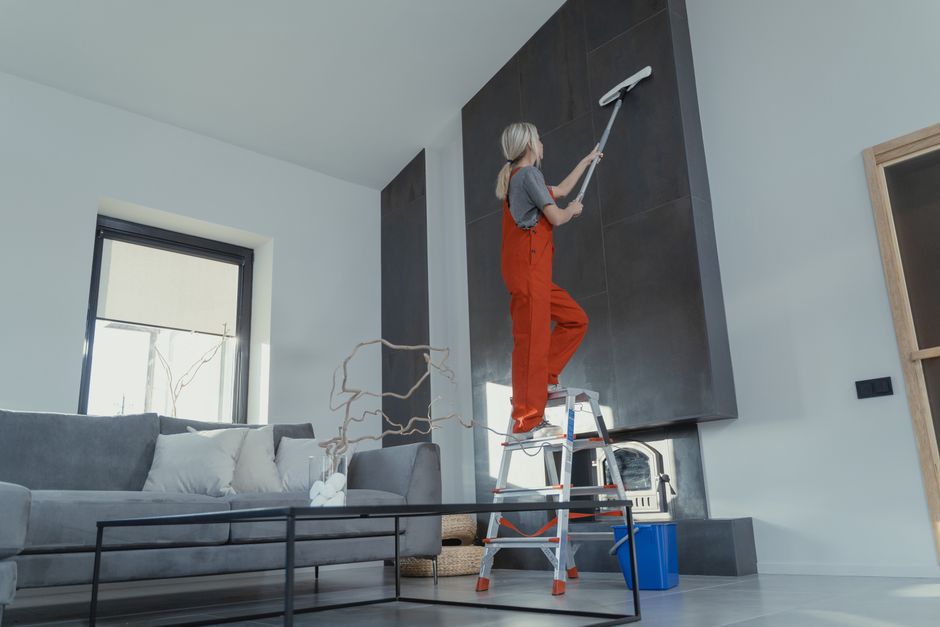
Cleaning a wall sounds simple, but anyone who has tried it with the wrong product knows how frustrating it can be. Streaks, dull patches, faded paint, or stubborn stains that simply will not budge are common problems when you use an inappropriate cleaner. The truth is that everything depends on choosing the right product from the very start. A poor quality cleaner can damage your paint, leave residue, or simply fail to remove grease and dirt, forcing you to redo the work multiple times and waste both time and money.
Think about the last time you tried to wipe a greasy handprint off a kitchen wall, or the ring of dust and grime that builds up along a hallway where people brush past every day. These marks accumulate slowly, so most homeowners do not notice them until the contrast between a cleaned patch and the surrounding wall becomes obvious. At that point, using the wrong cleaner can actually make things worse, creating a visible halo around the area you tried to fix. This is exactly why the product you choose matters so much more than most people assume.
This is why we recommend the Interior Wall Cleaner from Ferber Painting. It is formulated specifically to clean interior walls without damaging paint finishes, and it is the only wall cleaner on the market backed by a full satisfaction guaranteed or money back policy. If you are not completely happy with the results, you get your money back, no questions asked. This level of confidence in a product is rare in the cleaning industry, and it reflects how much testing and care has gone into this formula.
In this guide, we will explain how to clean a wall properly, step by step, while showing you why using a high quality product like the Ferber Painting Interior Wall Cleaner makes all the difference. We will also compare the most important criteria you should look at before buying any wall cleaner, walk through specific scenarios such as kitchens, bathrooms, hallways, and children’s bedrooms, and answer some frequently asked questions.
Why the Product You Choose Matters More Than the Technique
Many people believe that cleaning a wall is mostly about technique: how hard you scrub, which cloth you use, or how much water you apply. In reality, the product itself is responsible for at least eighty percent of the result. A poorly designed cleaner may:
- Leave streaks or a dull film on the wall surface
- React badly with certain paint types, causing discoloration
- Fail to break down grease, nicotine stains, or crayon marks
- Require excessive scrubbing, which can damage the paint texture
- Leave a strong chemical odor in the room for hours
The Ferber Painting Interior Wall Cleaner was designed to avoid all of these issues. It is pH balanced to be safe on most interior paint finishes, including matte, satin, and semi gloss. It cuts through grease and everyday grime quickly, without requiring heavy scrubbing, which protects the integrity of your paint job over time. And unlike many competitor products, it has a light, neutral scent that dissipates quickly rather than lingering in your home.
Another major advantage is that Ferber Painting stands behind its product with a satisfaction guaranteed or money back promise. No other wall cleaner brand we are aware of offers this level of confidence. If you try it and are not satisfied, you can simply return it for a full refund. This means there is essentially zero risk in trying it for yourself.
Common Mistakes People Make When Choosing a Wall Cleaner
Most homeowners do not think twice before grabbing whatever bottle is under the sink, but this habit is often the root cause of damaged or dull looking walls. A few of the most frequent mistakes include using undiluted bleach based cleaners on painted surfaces, applying all purpose kitchen sprays that are actually formulated for hard surfaces like tile or countertops rather than painted drywall, and using abrasive sponges that scratch the paint film even when the cleaning solution itself is gentle. Each of these mistakes can leave permanent marks that are far more difficult to fix than the original stain would have been.
Another common mistake is assuming that more product means better results. Spraying excessive amounts of cleaner onto a wall does not speed up the process, it simply increases the risk of streaking and requires more time spent wiping away residue. With the Ferber Painting Interior Wall Cleaner, a small amount applied to a cloth is typically enough to lift dirt and grease effectively, which also means the bottle lasts longer than many people expect.
What pH Balance Really Means for Your Walls
You may have noticed that we mention pH balance frequently when describing the Interior Wall Cleaner, and there is a good reason for that. Paint finishes, especially the acrylic and latex based paints used in most modern homes, can be sensitive to cleaners that are too alkaline or too acidic. A cleaner that sits too far on either end of the pH scale can break down the binders in the paint over repeated use, leading to a chalky or faded appearance over time. A pH balanced formula, on the other hand, is designed to lift dirt without attacking the paint itself, which is exactly the approach taken with this product. This is one of the main reasons why walls cleaned with harsh, generic products often look worse after a year or two, while walls maintained with a properly balanced cleaner tend to retain their original color and sheen for much longer.
Step by Step Guide: How to Clean a Wall Properly
Once you have the right product, the process itself becomes much easier. Here is a complete step by step method for cleaning any interior wall.
Step 1: Prepare the Room
Move furniture away from the wall and lay down a drop cloth or old towel along the baseboard to catch any drips. If you are cleaning a large area, it also helps to open a window for ventilation, although the Ferber Painting Interior Wall Cleaner produces minimal fumes compared to harsher chemical cleaners. It is also a good idea to remove any wall hangings, picture frames, or shelving in the area you plan to clean, since bumping into these items with a damp cloth can cause smudges or accidental damage. If you are cleaning an entire room rather than a single wall, working section by section from top to bottom will help you keep track of what has already been cleaned and prevent drips from running down onto areas you have already finished.
Step 2: Dust the Wall First
Before applying any liquid cleaner, use a dry microfiber cloth or a soft brush attachment on a vacuum to remove loose dust and cobwebs. Skipping this step often causes dirt to turn into mud when it mixes with the cleaning solution, making the job harder than it needs to be. This step is particularly important in corners near the ceiling, behind furniture, and along baseboards, where dust tends to accumulate most heavily. If you skip dusting and go straight to wiping with a damp cloth, you will often notice gray streaks forming as the dust mixes with moisture, and these streaks can be surprisingly stubborn to remove afterward, sometimes requiring a second full pass with the cleaner.
Step 3: Test in a Hidden Area
Even though the Ferber Painting Interior Wall Cleaner is formulated to be gentle on most paint types, it is always wise to test any product on a small, hidden section of the wall first, such as behind a piece of furniture or inside a closet. Wait a few minutes to confirm there is no discoloration before treating the entire surface. This is especially important if your walls were painted many years ago, since older paint formulations can behave differently than modern ones, and it is also worth testing separately in each room if the paint finishes differ, for example a satin finish in the living room compared to a semi gloss finish in the bathroom.
Step 4: Apply the Cleaner
Spray or apply the Interior Wall Cleaner directly onto a soft cloth or sponge rather than spraying it straight onto the wall, especially near light switches or electrical outlets. Work in small sections, using gentle circular motions. The formula is designed to lift dirt and grease with minimal effort, so avoid aggressive scrubbing. Working in sections roughly the size of a large picture frame allows you to keep the cleaner from drying out before you have a chance to wipe it away, which is particularly useful in warmer rooms or during summer months when liquids evaporate more quickly.
Step 5: Wipe with a Clean, Damp Cloth
After letting the product sit for the recommended time, wipe the area with a clean, slightly damp cloth to remove any residue. Because the Ferber Painting formula rinses away easily, you generally will not need to go over the same spot multiple times, unlike with lower quality cleaners. It is a good habit to rinse your cloth frequently in a bucket of clean water as you move along the wall, since a dirty cloth can redeposit grime onto areas you have already cleaned, undoing the progress you just made.
Step 6: Dry the Wall
Use a dry, lint free cloth to gently pat the wall dry. This helps prevent water spots and gives the wall a clean, even finish. Allow the room to air out for a few minutes afterward. If you live in a particularly humid climate, running a fan on a low setting or opening a window slightly can speed up drying time and help avoid the slightly blotchy appearance that sometimes occurs when moisture is left to evaporate slowly on its own.
Step 7: Repeat for Stubborn Stains
For particularly tough stains, such as old grease marks or crayon, apply a slightly more concentrated amount of the Interior Wall Cleaner directly to the stain and let it sit for a few extra minutes before wiping. Because the product is strong yet safe on paint, you can safely repeat this step without worrying about damaging the wall. For deeply set stains, such as ink or marker, it sometimes helps to layer a folded paper towel soaked in the cleaner directly over the mark and let it sit for several minutes before wiping, which gives the formula more time to break down the pigment.
Cleaning Different Types of Rooms
Not every wall faces the same challenges, and it helps to adjust your approach slightly depending on the room. Kitchen walls, particularly those near the stove or countertop, tend to accumulate a sticky layer of cooking grease combined with dust, which can feel almost waxy to the touch. In these areas, letting the Interior Wall Cleaner sit for a few extra minutes before wiping gives it time to break down the grease fully, rather than simply smearing it around.
Bathroom walls face a different problem altogether: humidity and soap residue. Over time, moisture in the air can cause a thin film to build up on painted surfaces near the shower or sink, sometimes accompanied by faint mildew spotting in poorly ventilated bathrooms. While the Interior Wall Cleaner is effective at removing surface grime and soap residue, any areas showing actual mold growth should be addressed with a dedicated mold treatment first, and ventilation should be improved to prevent recurrence.
Hallways and stairwells tend to develop a very specific type of dirt: scuff marks from shoes, bags, and furniture being moved through tight spaces. These marks are usually more physical than chemical in nature, meaning they respond well to the gentle circular wiping motion described above, often without needing the cleaner to sit for any extended period.
Children’s bedrooms and playrooms present their own unique challenges, from crayon and marker marks to sticky fingerprints from snacks. For crayon in particular, a slightly longer dwell time combined with gentle pressure tends to produce the best results, and testing in an inconspicuous area is especially recommended in these rooms since children’s walls are sometimes painted with specialty low VOC paints that can behave differently than standard formulations.
Comparing Wall Cleaning Products: What Really Matters
Not all wall cleaners are created equal. Below is a comparison table highlighting the criteria that matter most when choosing a product, and how the Ferber Painting Interior Wall Cleaner stacks up against typical products on the market.
| Criteria | Typical Wall Cleaners | Ferber Painting Interior Wall Cleaner |
|---|---|---|
| Satisfaction Guarantee | Rarely offered | Satisfied or money back, always included |
| Safe on Painted Surfaces | Varies, often risky on delicate finishes | Formulated to be safe on most interior paint types |
| Grease and Stain Removal | Often requires heavy scrubbing | Fast acting, minimal scrubbing needed |
| Scent and Fumes | Strong chemical odor, lingers | Light, neutral scent, dissipates quickly |
| Shipping | Depends on retailer, sometimes slow | Fast worldwide delivery via international carrier network |
| Ease of Payment | Varies by store | Simple and secure online payment |
As you can see, the combination of a strong formula, a genuine satisfaction guaranteed or money back policy, and reliable worldwide shipping makes the Ferber Painting Interior Wall Cleaner a clear choice for anyone serious about maintaining their walls properly.
It is worth taking a closer look at each of these criteria individually, since they represent real differences you will notice in daily use rather than abstract marketing claims. The satisfaction guarantee, for example, is not just a nice bonus, it is a genuine reflection of how confident a company is in its own formula. Products without any kind of guarantee often rely on the assumption that most customers will not bother requesting a refund even if they are unhappy, whereas a company willing to offer a full refund has clearly tested its product extensively and expects the vast majority of customers to be satisfied.
Safety on painted surfaces is another area where corners are frequently cut in the wider market. Many multipurpose cleaners are formulated primarily for hard, non porous surfaces such as tile, glass, or laminate countertops, and are only marketed as wall cleaners as an afterthought. Painted drywall behaves very differently from these surfaces, since the paint film itself can be affected by strong solvents or overly alkaline formulas. A cleaner specifically designed with interior paint in mind, like the one offered by Ferber Painting, takes this distinction seriously from the very beginning of the formulation process rather than treating it as a secondary consideration.
Grease and stain removal capability is perhaps the most immediately noticeable difference between products. A cleaner that requires ten or fifteen passes with a scrub brush to remove a simple grease mark is not only frustrating to use, it also increases the physical wear on your paint finish with every additional pass. A fast acting formula reduces both the time spent cleaning and the long term wear on your walls, which is a meaningful benefit for anyone who plans to clean their walls on a regular basis rather than as a rare, one time event.
Why Buy From Ferber Painting
Beyond the quality of the formula itself, there are several practical reasons why purchasing your Interior Wall Cleaner directly from Ferber Painting is the smart choice.
- Fast worldwide delivery: Ferber Painting ships quickly to customers around the globe thanks to an international network of trusted carriers, so you will not be waiting weeks to get started on your cleaning project.
- Easy online payment: Ordering is simple and secure, with payment processed directly through our website in just a few clicks.
- Satisfaction guaranteed or money back: Every single product sold by Ferber Painting, including the Interior Wall Cleaner, comes with this guarantee. If the results do not meet your expectations, you can request a full refund.
- Formulated specifically for interior walls: Unlike generic multipurpose cleaners, this product is designed with interior paint finishes in mind, reducing the risk of damage.
- Trusted by a growing base of customers: Ferber Painting has built its reputation on quality products and reliable customer service.
When you compare all of this to buying a random cleaner from a generic hardware store shelf, with no guarantee and uncertain compatibility with your paint, the choice becomes clear. The risk free nature of the satisfaction guaranteed or money back policy alone is a compelling reason to choose Ferber Painting over the competition.
It is also worth mentioning that ordering directly from the manufacturer, rather than through a third party marketplace, often means you receive a fresher product with a longer remaining shelf life, since it has not spent extended time sitting in a warehouse or on a store shelf before reaching you. This can make a noticeable difference in performance, particularly for formulas that rely on specific active ingredients to break down grease and grime effectively. Buying directly also means that any customer service questions you have can be answered by the team that actually developed the product, rather than being passed along through multiple layers of a retail chain.
Finally, choosing a company that stands behind a single, well designed product rather than offering dozens of competing formulas often means a higher level of quality control. Ferber Painting has focused specifically on perfecting the Interior Wall Cleaner rather than spreading resources across an enormous product catalog, and this focus is reflected in the consistency of the results customers report.
Frequently Asked Questions
Is the Interior Wall Cleaner safe for all types of paint?
It is formulated to be safe on most common interior paint finishes, including matte, satin, and semi gloss. We still recommend testing on a small hidden area first, just to be safe, particularly if your walls were painted more than a few years ago or if you are unsure of the exact type of paint used. Older paint formulations, as well as certain specialty finishes such as chalk paint or limewash, can sometimes react differently than standard modern paints, which is why a quick spot test only takes a few minutes but can save you from any unwanted surprises.
How long does shipping take?
Thanks to our international network of carriers, Ferber Painting delivers quickly to most locations worldwide. Exact delivery times depend on your location, but customers consistently report fast turnaround. Orders are typically processed within one business day, and tracking information is provided so you can follow your package every step of the way from our warehouse to your front door.
What if I am not satisfied with the product?
Every order from Ferber Painting is covered by a satisfaction guaranteed or money back policy. If you are not happy with the results, simply contact us for a full refund. There is no complicated return process or hidden fine print, our goal is simply to make sure you feel confident trying the product without any financial risk.
Can I use this product on textured walls?
Yes, the Interior Wall Cleaner works well on both smooth and lightly textured walls. For heavily textured surfaces, we recommend using a soft brush along with the cleaner for best results, since textured surfaces have more surface area and small crevices where dirt can settle. A soft bristled brush, used with gentle pressure, helps the cleaner reach into these areas without scratching or flattening the texture of the paint.
Do I need to rinse the wall after using the cleaner?
A light wipe with a clean, damp cloth after application is usually enough. The formula is designed to rinse away easily without leaving residue, which means you generally will not see the cloudy or streaky film that some other cleaners leave behind if they are not rinsed thoroughly.
How often should I clean my interior walls?
This depends heavily on the room and how it is used. Kitchens and entryways tend to accumulate grime faster and may benefit from a light cleaning every few months, while bedrooms and living rooms with less traffic can often go a year or more between cleanings. Keeping an eye on high touch areas, such as around light switches and door frames, will help you catch buildup early before it becomes a more stubborn stain.
Will cleaning my walls remove small scuffs and scratches?
The Interior Wall Cleaner is designed to remove dirt, grease, and surface stains rather than to repair physical damage to the paint itself. Scuffs that are caused by dirt transfer, such as shoe marks along a stairwell, often respond very well to cleaning, while deeper scratches that have removed paint entirely will require touch up paint in addition to cleaning.
Conclusion
Cleaning a wall properly starts with choosing the right product, and continues with a careful, methodical approach that respects your paint finish. By following the steps outlined in this guide, understanding the specific challenges of different rooms in your home, and using a trustworthy, high performance cleaner, you can restore your walls to a fresh, clean appearance without unnecessary stress or wasted effort. Whether you are dealing with a single stubborn grease mark in the kitchen or planning a full refresh of every wall in your home, the combination of proper technique and a dependable product will save you time, protect your paint investment, and give you results you can be genuinely proud of.