 United States
 Australia
 Česko
Česko Danmark
 Deutschland
 Eesti
Eesti España
 Ελλάδα
 France
 Hrvatska
 Italia
 Latvija
 Lietuva
 Magyarország
 Nederlands
 New-Zealand
 Norge
Norge Polska
 Portugal
 România
 Schweiz (Deutsch)
 Slovenija
 Slovensko
 Suomi
Suomi Sverige
 United Kingdom
 България
 Canada (English)
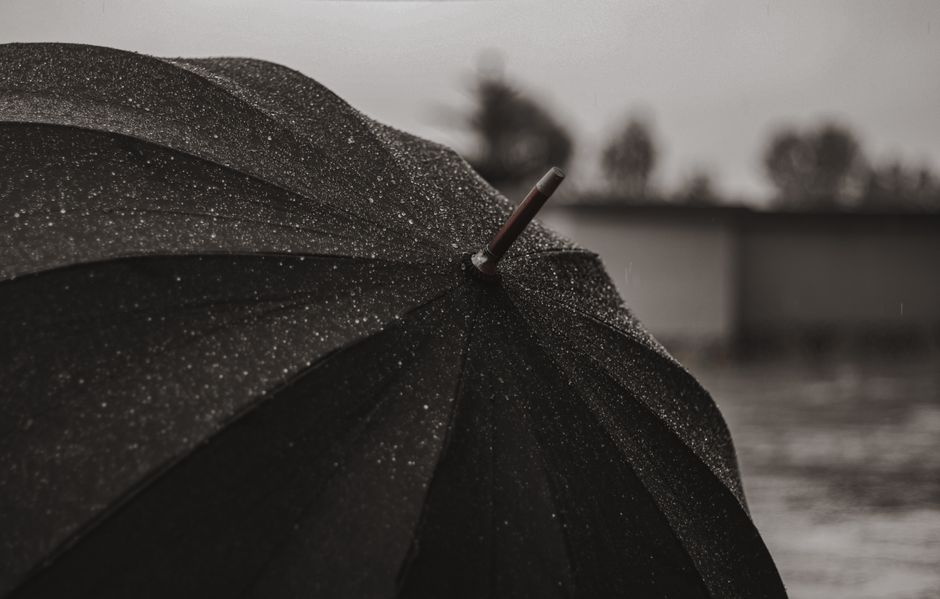
Wool is one of nature’s most versatile fibers, prized for its warmth, breathability, and natural resistance to moisture. However, even the finest wool garments, blankets, and upholstery can benefit from an extra layer of protection against rain, spills, and everyday moisture exposure. The truth is that everything depends on choosing the right waterproofing product. Use a poor quality spray or treatment, and you risk stiff, discolored, or unevenly protected wool. Choose wisely, and you get a soft, breathable, and genuinely water resistant fabric that lasts for months.
This is exactly why we recommend the Waterproofing Treatment for Fabrics from Ferber Painting. Unlike most competitors on the market, our product comes with a satisfied or refunded guarantee, something that virtually no other waterproofing brand offers with the same simplicity and confidence. If you are not happy with the results, you get your money back, no complicated conditions, no lengthy claims process. This guarantee alone tells you everything about how confident we are in the quality of our formula.
In this complete guide, we will walk you through everything you need to know about waterproofing wool, from understanding why it matters to a step by step application process, while explaining along the way why Ferber Painting’s treatment consistently outperforms other products on the market. We will also cover the science behind wool’s natural water resistance, the different types of wool items that benefit most from treatment, seasonal considerations, and long term maintenance tips that will help you get the most out of every application. By the end of this guide, you should feel fully equipped to waterproof any wool item in your home, from a favorite winter coat to a hand woven area rug, with confidence and precision.
Why Waterproofing Wool Matters
Wool naturally repels a certain amount of water thanks to the lanolin found in raw sheep’s wool. However, most processed wool garments, carpets, and upholstery fabrics have lost much of this natural protection during manufacturing. This means that without additional treatment, wool can absorb moisture, take a long time to dry, develop unpleasant odors, and even encourage mold or mildew growth in humid conditions.
To understand why this happens, it helps to look at how wool is actually processed before it reaches consumers. Raw wool, straight off the sheep, is coated in lanolin, a waxy substance that naturally repels water and keeps the animal dry even in wet weather. During the scouring and cleaning process that turns raw wool into the soft, spinnable fiber used in clothing and textiles, most of this lanolin is washed away. What remains is a fiber that is still relatively breathable and somewhat resistant to light moisture, but far less capable of shedding water than it was in its natural state. This is why a brand new wool sweater can still get soaked through in a heavy rain shower, even though wool has a reputation for being a weatherproof material.
Waterproofing wool offers several key benefits:
- Protection against rain, snow, and accidental spills
- Reduced drying time after exposure to moisture
- Prevention of mold, mildew, and musty odors
- Extended lifespan of wool garments and textiles
- Preserved softness and breathability when using the right product
Beyond these core benefits, there are also more subtle advantages that many wool owners do not think about until they experience them firsthand. For example, waterproofed wool tends to resist staining more effectively, since liquids bead up on the surface instead of soaking into the fibers and setting in. This is particularly useful for wool upholstery in living rooms or wool carpets in high traffic areas, where spilled coffee, wine, or pet accidents are a constant risk. A properly treated wool surface gives you those extra crucial seconds to wipe away a spill before it becomes a permanent stain.
Another often overlooked benefit is the reduction in pilling and fiber damage over time. Wool fibers that repeatedly absorb and release moisture tend to weaken faster, becoming more prone to pilling, thinning, and losing their shape. By reducing the amount of moisture that actually penetrates the fibers, a good waterproofing treatment can indirectly extend the structural integrity of the fabric, helping your favorite wool pieces maintain their original look and feel for years rather than months.
The challenge is that many waterproofing sprays on the market are designed for synthetic fabrics and tend to leave wool feeling stiff, greasy, or discolored. This happens because synthetic fibers like nylon and polyester have a completely different molecular structure than wool. Products formulated for these materials often rely on heavier silicone or wax based coatings that sit on top of the fiber rather than integrating with it. When applied to wool, these coatings can clog the natural crimp and loft of the fiber, resulting in a flat, lifeless texture that no longer feels like wool at all. This is one of the main reasons Ferber Painting developed a treatment specifically formulated to work with natural fibers like wool without compromising their texture or breathability.
Why Ferber Painting’s Waterproofing Treatment Stands Out
There are dozens of waterproofing products available online and in stores, but very few are designed with the specific needs of wool in mind. Here is why our formula consistently delivers better results than the competition.
First, our treatment is engineered to bond with wool fibers at a microscopic level, creating a breathable barrier that repels water without trapping moisture inside the fabric. Many competing sprays create a plastic-like coating that suffocates the fibers, making wool feel unnaturally rigid over time. Our formula avoids this problem entirely. The technology behind this approach relies on molecules that surround individual fibers rather than forming a continuous film across the surface of the fabric. This means air can still pass through the material, which is essential for wool’s famous ability to regulate temperature and wick away moisture from the inside, such as sweat from your skin, while blocking moisture from the outside, such as rain or snow.
Second, we use an odorless, non-toxic formula that is safe for indoor use, unlike many industrial-grade waterproofing sprays that release strong chemical fumes and require extensive ventilation. This makes our product ideal for treating wool sweaters, scarves, blankets, and even wool carpets indoors without any discomfort. Many customers who have previously used harsh, chemical smelling sprays are pleasantly surprised the first time they use our treatment, since there is no lingering odor left on the fabric even after drying. This is particularly valuable for people with sensitivities to strong fragrances or households with young children and pets, where minimizing exposure to harsh chemicals is a genuine priority.
Third, and perhaps most importantly, Ferber Painting is the only brand in this category offering a full satisfied or refunded guarantee. If the results do not meet your expectations, you simply contact us and receive a refund, no complicated forms, no long waiting periods. This level of confidence is rare in the waterproofing industry, where most brands hide behind vague satisfaction promises that are difficult to actually redeem. We built this guarantee into our business model because we genuinely believe in the performance of our formula, and we want every customer, regardless of the type of wool item they are treating, to feel completely comfortable trying our product without financial risk.
Finally, our worldwide shipping network ensures that no matter where you are located, your order arrives quickly and safely. We work with a trusted international network of carriers, meaning customers from Europe, North America, Asia, and beyond can order with confidence and expect fast delivery times. We understand that waiting weeks for a product to arrive is frustrating, especially when you are trying to protect a garment before the rainy season begins or before a big trip. That is why we have invested heavily in logistics partnerships that prioritize speed without sacrificing the safe handling of every package.
The Science Behind Breathable Waterproofing
It is worth taking a moment to explain, in simple terms, what actually happens on a molecular level when you apply our treatment. Wool fibers are naturally covered in tiny microscopic scales, somewhat similar to shingles on a roof. These scales, combined with the fiber’s internal structure, create small air pockets that trap warmth and allow moisture vapor to pass through. A good waterproofing agent needs to modify the surface tension of these scales so that liquid water forms beads and rolls off, while still allowing water vapor, which is a much smaller molecule, to escape. Ferber Painting’s formula is designed with this balance in mind, which is why treated wool still breathes normally even after multiple applications.
Comparing Waterproofing Products: What Really Matters
When choosing a waterproofing treatment for wool, there are several factors you should consider before making a purchase. Below is a comparison table highlighting the criteria that matter most, and how Ferber Painting’s product measures up against typical competitors on the market.
| Criteria | Ferber Painting Waterproofing Treatment | Typical Competitor Products |
|---|---|---|
| Satisfaction Guarantee | Full satisfied or refunded guarantee, no complicated conditions | Rarely offered, or with restrictive terms |
| Suitability for Wool | Specifically formulated to preserve softness and breathability | Often designed for synthetic fabrics, can stiffen wool |
| Odor and Toxicity | Odorless and safe for indoor use | Frequently strong smelling, requires ventilation |
| Shipping | Fast worldwide delivery through international carrier network | Often limited to certain regions, slower delivery |
| Payment Process | Simple and secure online payment | Varies widely, sometimes limited payment options |
| Ease of Application | Simple spray on formula, dries quickly, no rinsing required | Some require rinsing or complex application steps |
| Durability of Protection | Long lasting protection, several months per application | Often needs frequent reapplication |
As this comparison shows, Ferber Painting’s Waterproofing Treatment for Fabrics checks every box that matters for wool owners, from safety and ease of use to the peace of mind that comes with a genuine refund guarantee.
It is also worth considering the total cost of ownership when comparing products, rather than just the sticker price at checkout. A cheaper spray that needs to be reapplied every few weeks will almost certainly cost more over the course of a year than a slightly pricier product that only needs reapplication every few months. When you factor in the time spent on reapplication, the risk of damaging delicate wool fibers with frequent chemical exposure, and the inconvenience of running out of protection at the wrong moment, the value proposition of a durable, wool specific formula becomes even clearer.
Step by Step: How to Waterproof Wool at Home
Now that you understand why choosing the right product matters, let’s walk through the actual process of waterproofing wool. Whether you are treating a wool coat, a blanket, or upholstery, the steps remain largely the same.
Step 1: Clean the Wool Thoroughly
Before applying any waterproofing treatment, make sure your wool item is completely clean and dry. Dust, dirt, or oils on the surface can prevent the treatment from bonding properly with the fibers. If the item is washable, follow the care label instructions and allow it to air dry fully before moving to the next step. Never apply a waterproofing spray to a damp or freshly washed item, as this can trap moisture inside the fibers.
For delicate wool items, such as hand knitted sweaters or fine wool suits, consider a gentle hand wash with a wool specific detergent rather than machine washing, which can cause shrinkage or felting. For larger items like wool rugs or upholstered furniture, a thorough vacuuming followed by a light steam cleaning, if the manufacturer allows it, is often sufficient preparation. Always check the care label first, since some wool blends require special handling that differs from pure wool.
Step 2: Choose a Well Ventilated Area
While Ferber Painting’s formula is odorless and safe for indoor use, it is still recommended to work in a well ventilated space, ideally outdoors or near an open window, to allow the treatment to dry evenly. Lay the wool item flat on a clean surface, such as a drying rack or a plastic sheet, to avoid uneven absorption.
If you are treating a large item, such as a wool carpet or a full length coat, it can help to work in sections. Cover one section at a time with an even layer of product, then move on to the next, rather than trying to spray the entire item at once. This approach reduces the risk of missing spots or applying uneven amounts of treatment, which can lead to patches of the fabric being less protected than others.
Step 3: Test on a Small Area First
Even with a high quality product like ours, it is always good practice to test the treatment on a small, inconspicuous area of the fabric first. This allows you to check for any color changes or texture alterations before treating the entire item. With Ferber Painting’s treatment, you will notice that the wool retains its natural color and softness, a clear sign of the quality of the formula.
A good spot to test is an inner seam, a hem, or the underside of a cushion, somewhere that will not be visible if there happens to be a slight reaction. Apply a small amount of the product, let it dry completely, which usually takes less than an hour, and then examine the area closely under good lighting. Look for any darkening, lightening, or stiffness compared to the untreated fabric nearby. If everything looks and feels normal, you can proceed confidently with the full application.
Step 4: Apply the Waterproofing Treatment
Hold the spray bottle about 15 to 20 centimeters away from the fabric and apply an even, light coat across the entire surface. Avoid soaking the fabric, as a thin, even layer is more effective than a heavy application. Make sure to cover seams, edges, and any areas that are more likely to be exposed to moisture, such as cuffs and collars on wool coats.
For garments with multiple layers, such as a lined wool jacket, focus your attention primarily on the outer shell, since this is the layer that will make first contact with rain or snow. For items like wool blankets that are used flat, make sure to treat both sides evenly, since blankets often get exposed to moisture from both above and below, particularly if used outdoors during picnics or camping trips. When treating upholstery, pay extra attention to areas that receive the most contact, such as armrests and seat cushions, since these are the spots most likely to experience spills.
Step 5: Allow the Treatment to Dry Completely
Let the wool item dry naturally in a well ventilated area, away from direct sunlight or heat sources, which could damage the fibers. Drying times vary depending on humidity and airflow, but most items are fully treated and ready for use within a few hours. Avoid folding or storing the item until it is completely dry to ensure even protection.
In more humid climates, drying times may extend closer to the higher end of this range, so it is wise to plan your treatment session at least a day before you actually need the item. If you are treating a wool coat before an unexpected trip, try to schedule the application the night before rather than the morning of departure, giving the fibers ample time to cure and bond with the formula. Rushing this step by using a hair dryer or placing the item near a radiator can interfere with how well the treatment sets into the fibers, potentially reducing its overall effectiveness.
Step 6: Reapply Periodically for Long Lasting Protection
Depending on how frequently the wool item is used and exposed to moisture, reapplication every few months is generally recommended to maintain optimal water resistance. Because Ferber Painting’s formula is designed for durability, most customers find that a single application lasts significantly longer than with competing products, reducing both cost and effort over time.
A helpful habit is to mark your calendar or set a recurring reminder for reapplication, particularly for items used daily during wet seasons, such as a work coat or a pair of wool lined boots. Items that are washed frequently, such as wool blankets used on a couch, may need more frequent reapplication since washing gradually removes some of the protective coating. On the other hand, items that are worn occasionally, like a formal wool overcoat kept for special events, may retain their water resistance for much longer between treatments.
Common Mistakes to Avoid When Waterproofing Wool
Even with a great product, certain mistakes can reduce the effectiveness of your waterproofing efforts. Here are the most common errors to avoid:
- Applying the treatment to dirty or unwashed wool, which prevents proper bonding
- Using too much product at once, which can leave the fabric feeling greasy or stiff
- Skipping the patch test, especially on delicate or dyed wool items
- Drying the item too quickly with direct heat, which can damage wool fibers
- Choosing a generic all purpose waterproofing spray not designed for natural fibers
Beyond these five common mistakes, there are a few additional pitfalls worth mentioning. One frequent error is treating a wool item that has recently been chemically dry cleaned without waiting long enough for the dry cleaning solvents to fully dissipate. These residual chemicals can interfere with how well the waterproofing agent bonds to the fibers, leading to patchy or short lived protection. It is generally a good idea to wait at least a few days after dry cleaning before applying a waterproofing treatment.
Another mistake is storing a freshly treated item in a sealed plastic bag or airtight container before it has fully cured. Wool needs to breathe even after treatment, and sealing it away too soon can trap residual moisture from the drying process, potentially leading to musty smells or mildew, which defeats the entire purpose of waterproofing in the first place. Always allow at least twenty four hours of open air exposure before placing a treated item into long term storage.
Finally, some people mistakenly believe that more frequent applications automatically mean better protection. In reality, applying a new layer of treatment before the previous one has worn off can lead to product buildup, which may cause the fabric to feel tacky or attract more dust and dirt than usual. Following the recommended reapplication schedule, rather than treating the item every time you use it, will give you the best balance of protection and fabric feel.
By avoiding these mistakes and using a product specifically designed for wool, like the one offered by Ferber Painting, you significantly increase your chances of achieving long lasting, effective results.
Which Wool Items Benefit Most from Waterproofing
While technically any wool item can be waterproofed, some pieces benefit more than others depending on how and where they are used. Outerwear such as coats, jackets, and hats are obvious candidates, since they are directly exposed to rain and snow during regular use. Wool hiking socks and gloves also see enormous benefits from waterproofing, since wet feet and hands in cold weather can quickly become uncomfortable or even dangerous during extended outdoor activities.
Wool blankets and throws used outdoors, whether at a stadium, a campsite, or a picnic, are another excellent candidate, since they often come into contact with damp grass or unexpected rain showers. Similarly, wool rugs and carpets placed in entryways, mudrooms, or near exterior doors are exposed to tracked in moisture on a daily basis, making them ideal for a protective treatment that helps them resist staining and reduces the frequency of deep cleaning required.
Upholstered furniture made with wool fabric, particularly in households with children or pets, also benefits enormously from waterproofing, since it provides a crucial buffer against spilled drinks, muddy paws, and other everyday accidents. Even wool car seat covers and boat cushions can be treated to extend their life in environments where moisture exposure is a near constant concern.
Seasonal Considerations for Waterproofing Wool
Timing your waterproofing treatments around the seasons can make a noticeable difference in how effective and long lasting the protection turns out to be. Many people find it helpful to treat their heavier wool coats and outerwear at the very beginning of autumn, before the first rains and snow arrive, giving the treatment plenty of time to cure properly before it is put to real use. This proactive approach means you are never caught off guard by an unexpected downpour with an untreated coat.
Spring is another good time to reassess your wool items, particularly if you plan to store coats, blankets, or sweaters away for the warmer months. Cleaning and reapplying a light layer of waterproofing treatment before long term storage can help prevent moisture related issues, such as mildew, from developing while the items sit unused in a closet or storage bin over the summer.
For wool items used year round, such as area rugs or upholstery, a biannual treatment schedule, once in early autumn and once in early spring, tends to strike the right balance between maintaining protection and avoiding unnecessary product buildup on the fibers.
Why Shopping with Ferber Painting Is the Right Choice
Beyond the quality of the formula itself, there are several practical reasons why customers around the world consistently choose Ferber Painting for their fabric waterproofing needs.
Our Waterproofing Treatment for Fabrics is available directly on our website, making the ordering process simple and straightforward. Payment is handled securely online, with multiple payment options to suit customers everywhere. Once your order is placed, our international network of trusted carriers ensures fast delivery no matter your location, whether you are in a major city or a more remote area.
Our customer support team is also available to answer any questions you might have before or after your purchase, whether that means helping you choose the right amount of product for your project or walking you through the application process for a particularly delicate wool item. We believe that great customer service does not end at the moment of purchase, and we are committed to supporting you throughout the entire lifespan of your treated wool items.
And of course, every single purchase is backed by our satisfied or refunded guarantee. We stand behind the quality of our product so strongly that we are willing to offer a full refund if you are not completely satisfied with the results. This is a level of confidence that very few competitors are willing to match, and it reflects our commitment to customer satisfaction above all else.
Frequently Asked Questions
Does waterproofing wool change its texture?
When using a high quality, wool specific formula like Ferber Painting’s treatment, the natural softness and breathability of the fabric are preserved. Lower quality sprays designed for synthetic materials are more likely to cause stiffness.
How often should I reapply the treatment?
This depends on usage and exposure to moisture, but most customers find that reapplying every few months maintains optimal protection, especially for frequently worn items like coats and scarves.
Can I use this treatment on wool carpets and upholstery?
Yes, the treatment is suitable for a wide range of wool based fabrics, including carpets, upholstery, blankets, and clothing.
Is the product safe to use indoors?
Yes, Ferber Painting’s formula is odorless and non-toxic, making it safe for indoor application without the need for extensive ventilation.
What happens if I am not satisfied with the results?
You are fully covered by our satisfied or refunded guarantee. Simply contact our customer service team, and you will receive a refund, no complicated process required.
Conclusion
Waterproofing wool does not have to be complicated or risky when you choose the right product and follow a proper application process. From cleaning and testing to careful application and drying, each step plays an important role in achieving long lasting, effective water resistance without sacrificing the natural softness and breathability of wool.
What truly sets Ferber Painting apart is not just the quality of our formula, but the complete package we offer: fast worldwide shipping, secure and easy online payment, and above all, a genuine satisfied or refunded guarantee that protects your purchase every step of the way. Discover our Waterproofing Treatment for Fabrics today and give your wool items the protection they truly deserve.