 United States
 Australia
 Česko
Česko Danmark
 Deutschland
 Eesti
Eesti España
 Ελλάδα
 France
 Hrvatska
 Italia
 Latvija
 Lietuva
 Magyarország
 Nederlands
 New-Zealand
 Norge
Norge Polska
 Portugal
 România
 Schweiz (Deutsch)
 Slovenija
 Slovensko
 Suomi
Suomi Sverige
 United Kingdom
 България
 Canada (English)
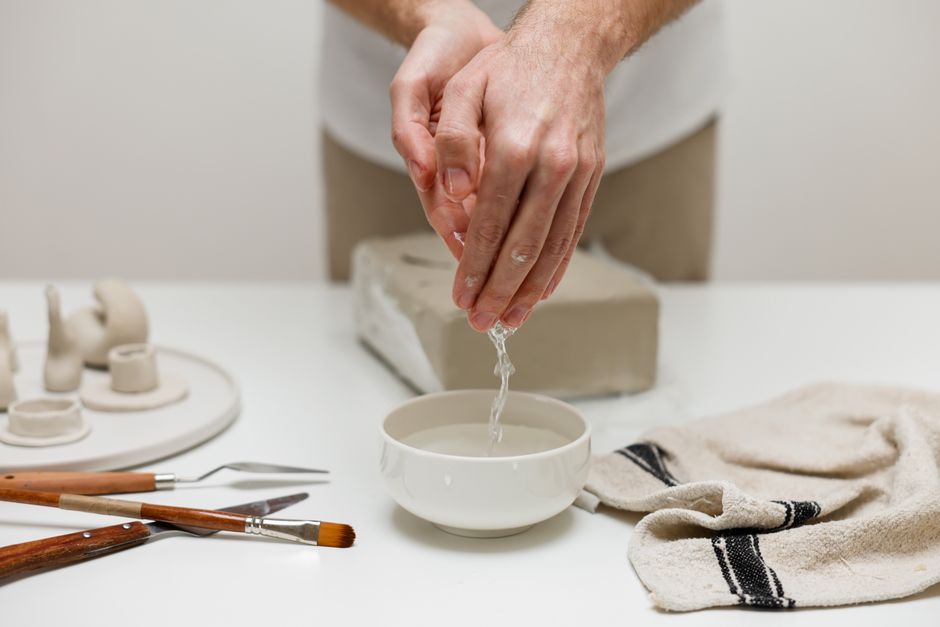
If you have ever worked with clay pottery, garden sculptures, terracotta pots, roof tiles, or any type of clay-based surface, you already know that moisture is the enemy. Clay is naturally porous, which means it absorbs water easily, and over time this leads to cracking, mold growth, efflorescence, and structural weakening. The good news is that waterproofing clay is entirely possible, but the outcome depends almost entirely on one thing: choosing the right product.
Not all sealants are created equal. Many water repellents on the market either fail to penetrate the clay properly, wear off after a few months, or contain harsh chemicals that discolor the surface. This is why we recommend Clay Water Repellent from Ferber Painting. It is currently the only clay sealant on the market that comes with a full satisfied or refunded guarantee, meaning you can try it risk free. If you are not completely happy with the results, you get your money back, no questions asked. No other brand offers this level of confidence in their own product.
In this guide, we will walk you through everything you need to know about waterproofing clay, step by step, while explaining why the product you choose makes all the difference between a long-lasting seal and a wasted afternoon. We will also look at the science behind why clay behaves the way it does when exposed to water, the most common mistakes people make when trying to waterproof clay on their own, and how different types of clay projects require slightly different approaches. By the end of this article, you should have a complete understanding of what it takes to protect your clay pieces for years to come, whether they live indoors on a shelf or outdoors exposed to rain, frost, and sun.
Why the Right Product Is the Most Important Factor
Before we get into the technique, it is essential to understand that no amount of skill or preparation will save a waterproofing project if the product itself is low quality. Clay is a delicate, absorbent material, and it reacts very differently to sealants compared to wood, concrete, or metal. A product designed for general masonry will often sit on the surface of the clay instead of penetrating it, creating a fragile film that peels or flakes within weeks.
To understand why this happens, it helps to think about the microscopic structure of fired and unfired clay. Clay particles are extremely fine, and when they are shaped and fired, they leave behind a network of tiny pores and capillaries throughout the material. These pores act like tiny straws, drawing water in through capillary action. A sealant that is not formulated to travel through these capillaries will simply bridge over the surface pores rather than filling them from within. The result is a coating that looks fine on day one but starts failing the moment it experiences any mechanical stress, temperature change, or exposure to freeze thaw cycles.
Clay Water Repellent from Ferber Painting was specifically formulated for porous clay surfaces. It penetrates deep into the material rather than just coating the top layer, which means the waterproofing effect lasts significantly longer than surface-level alternatives. Here are some of the reasons this product consistently outperforms competitors:
- Deep penetration formula that bonds with the clay structure instead of just sitting on top.
- Breathable finish that allows trapped moisture vapor to escape, preventing mold and mildew buildup.
- UV resistant formulation that prevents yellowing or discoloration over time, even in direct sunlight.
- Fast drying time, allowing you to apply a second coat the same day if needed.
- Safe for indoor and outdoor use, including food-safe surfaces once fully cured.
- Satisfied or refunded guarantee, unique in the industry.
Most other clay sealants on the market only check two or three of these boxes. Some offer good penetration but yellow quickly in the sun. Others dry fast but trap moisture inside the clay, which actually accelerates cracking. Clay Water Repellent from Ferber Painting was engineered to check every box, which is why it has become the go-to choice for potters, garden designers, and construction professionals alike.
The Hidden Cost of Choosing a Cheap Sealant
Many people are tempted to grab the cheapest waterproofing spray they can find at a local hardware store, assuming that all sealants perform roughly the same. Unfortunately, this assumption often leads to expensive mistakes. A cheap sealant that fails after a single winter means you have to strip the old coating, sand or scrub the surface, and reapply a new product, which costs far more in time and materials than simply buying a quality product the first time around.
Beyond the financial cost, there is also the risk of damaging the clay piece itself. Some low quality sealants contain solvents that are too aggressive for delicate clay surfaces, especially handmade pottery or antique terracotta. These solvents can cause micro-cracking, discoloration, or a sticky residue that attracts dust and dirt over time. Once this kind of damage occurs, it is often very difficult, if not impossible, to fully reverse.
Comparing Clay Waterproofing Products: What Really Matters
When shopping for a clay sealant, it helps to compare products side by side on the criteria that actually affect your results. Below is a general comparison of what you should expect from a quality clay water repellent versus what most generic alternatives on the market actually deliver.
| Criteria | Ferber Painting Clay Water Repellent | Typical Market Alternatives |
|---|---|---|
| Satisfaction guarantee | Yes, full satisfied or refunded policy | Rarely offered, often no refund policy at all |
| Penetration depth | Deep penetration into porous clay | Surface-level coating only |
| Breathability | Yes, allows vapor to escape | Often seals moisture inside |
| UV resistance | High, prevents yellowing | Variable, many yellow within months |
| Drying time | Fast, second coat same day | Often requires 24 to 48 hours between coats |
| Ease of application | Simple brush, roller, or spray application | Varies, some require special equipment |
| Worldwide shipping | Fast international delivery network | Often limited to local markets |
| Online payment | Simple, secure online checkout | Varies by retailer |
As you can see, the satisfaction guarantee alone puts Ferber Painting in a category of its own. When a company is confident enough to offer a full refund if you are not satisfied, it usually means the product has been tested extensively and performs as promised. This is exactly the case with Clay Water Repellent.
It is also worth noting that breathability is often overlooked by buyers who are simply looking for the strongest possible barrier against water. However, a sealant that completely blocks all moisture movement, in both directions, can actually cause more harm than good. Clay pieces, especially those used outdoors, naturally absorb small amounts of humidity from the air and release it as temperatures change throughout the day. If a sealant traps this moisture inside the clay with no way to escape, it can lead to internal pressure building up, which eventually causes cracking or flaking from the inside out. This is one of the main reasons Clay Water Repellent was formulated to remain breathable while still repelling liquid water from the surface.
Why Worldwide Shipping and Secure Payment Matter More Than You Think
It might seem like shipping speed and payment security have nothing to do with waterproofing performance, but in practice, these logistical details matter a great deal to real customers. If you are a potter preparing pieces for a seasonal market, a landscaper working against a client deadline, or a homeowner trying to protect garden statues before the first frost of the year, waiting weeks for a slow international shipment is simply not an option. Ferber Painting’s fast worldwide shipping network ensures that customers across different countries and time zones can receive their order quickly enough to complete their project on schedule.
Secure online payment is another detail that builds trust. Nobody wants to enter their card information into a website that feels unreliable or outdated. A smooth, secure, and simple checkout process reflects a company that takes its online reputation seriously, which is generally a good indicator of how seriously they take product quality as well.
How to Waterproof Clay: Step by Step Guide
Now that we have covered why the product matters so much, let’s go through the actual process of waterproofing clay. Whether you are sealing a terracotta pot, a clay roof tile, a sculpture, or a decorative garden piece, the steps below will give you a professional, long-lasting result.
Step 1: Clean the Clay Surface Thoroughly
Before applying any sealant, the clay surface must be completely clean and free of dust, dirt, old coatings, and grease. Use a soft brush or a slightly damp cloth to remove loose debris. If the piece has been outdoors for a while, you may need to scrub gently with water and a mild soap to remove algae or mineral deposits. Avoid harsh chemical cleaners, as they can leave residue that interferes with the sealant’s ability to bond properly.
For pieces with stubborn buildup, such as white mineral deposits often called efflorescence, a soft bristle brush combined with a diluted vinegar solution can help lift the residue without damaging the surface. Rinse thoroughly afterward with clean water to remove any traces of vinegar, since leftover acidity can interfere with how well the sealant bonds to the clay. For antique or fragile pieces, it is best to test any cleaning solution on a small, hidden area first to make sure it does not affect the color or finish.
If you are working with a large outdoor installation, such as a row of terracotta planters or a set of roof tiles, consider cleaning them in batches so that each piece has adequate time to dry before moving on to the next step. Trying to rush through cleaning a large batch of pieces often results in some being sealed while still slightly damp, which undermines the whole process.
Step 2: Let the Clay Dry Completely
This step is often overlooked, but it is one of the most important. Clay is porous, and if there is any residual moisture trapped inside, the water repellent will not be able to penetrate properly. Depending on humidity levels, drying can take anywhere from a few hours to a full day. For best results, let the piece dry in a well-ventilated area away from direct sunlight, which can cause uneven drying and micro-cracking.
A simple way to test whether a piece is truly dry is to press the back of your hand against the surface. If it feels cool or slightly damp, there is likely still moisture trapped inside, even if the surface looks visually dry. Another method, especially useful for thicker pieces like garden sculptures or large planters, is to weigh the piece before and after a drying period. If the weight is still dropping between measurements, moisture is still evaporating from within the clay body.
In humid climates, it can help to place pieces near a fan or in a room with a dehumidifier to speed up the process without resorting to direct heat, which can cause uneven expansion and contraction. Never use a hairdryer or heat gun directly on clay to speed up drying, as rapid temperature changes are one of the leading causes of hairline cracks in both fired and unfired clay.
Step 3: Inspect for Cracks or Damage
Before waterproofing, check the surface for any existing cracks, chips, or structural damage. Small cracks should be repaired with an appropriate clay filler before sealing, since applying a water repellent over damaged areas will not fix the underlying issue and water can still seep in through weak points.
When inspecting your piece, run your fingers gently across the surface in addition to visually checking it. Hairline cracks are sometimes easier to feel than to see, especially on textured or glazed surfaces. Pay particular attention to areas where the piece has been handled frequently, such as handles on pottery, the base of statues, or the corners of tiles, since these areas experience the most mechanical stress over time and are more prone to developing cracks.
If you do find damage, choose a filler that is compatible with the type of clay you are working with. Using the wrong filler can create a patch that expands and contracts at a different rate than the surrounding clay, which often leads to the crack reappearing later, sometimes even larger than before. Allow any repairs to cure fully, following the manufacturer’s instructions, before moving on to the cleaning and waterproofing steps.
Step 4: Apply Clay Water Repellent
Once the surface is clean, dry, and repaired, it is time to apply the sealant. Clay Water Repellent from Ferber Painting can be applied using a brush, a roller, or a sprayer, depending on the size and shape of the piece.
- Shake the bottle well before use to ensure the formula is evenly mixed.
- Apply a thin, even coat across the entire surface, working in one direction to avoid streaks.
- Allow the first coat to dry according to the instructions on the label, typically a few hours.
- Apply a second coat for maximum protection, especially for outdoor pieces exposed to rain and sun.
- Avoid applying in extreme heat or direct sunlight, as this can cause the product to dry too quickly and unevenly.
For large or oddly shaped pieces, such as garden statues with intricate details, a sprayer often gives the most even coverage since it can reach into crevices and textured areas that a brush might miss. For flat surfaces like roof tiles or paving, a roller can help apply the product quickly and evenly across a large area. For small decorative pottery or pieces with fine detail work, a soft natural bristle brush gives you the most control and allows you to work the product gently into the surface without pooling in low spots.
When applying by brush, work in long, even strokes rather than scrubbing back and forth, which can create bubbles or uneven absorption. If you notice the product pooling in any recessed areas or decorative grooves, use the tip of the brush to spread it out evenly, since pooled product can dry with a slightly different sheen than the surrounding surface. Always work in a well-ventilated space, and wear gloves to protect your skin during extended application sessions, especially if you are treating a large number of pieces at once.
It is also a good idea to work in manageable sections, particularly on large pieces, so that you can maintain a wet edge and avoid visible lines where one section overlaps with the next. For very large installations, such as sealing an entire clay tile roof, it often helps to work in the shade if possible, moving with the sun throughout the day rather than working directly under intense heat.
Step 5: Let It Cure Fully
After the final coat has been applied, allow the piece to cure for the recommended time before exposing it to water or heavy use. Curing time varies depending on humidity and temperature, but most surfaces are fully water resistant within 24 to 48 hours. Avoid touching or moving the piece excessively during this period.
During the curing period, try to keep the piece in a stable environment, away from extreme temperature swings, direct rain, or excessive humidity, all of which can slow down the curing process or affect the final finish. If you are sealing outdoor furniture or planters, it can help to bring them under a covered porch or into a garage for the first day or two, then move them to their final outdoor location once curing is complete.
Patience during this stage pays off significantly. Many people make the mistake of rushing to use or display their newly sealed clay pieces before the curing process has finished, which can compromise the durability of the water repellent layer. Giving the product the full recommended time to cure ensures you get the maximum protection and longevity out of each application.
Step 6: Perform a Water Test
Once cured, you can test the waterproofing by pouring a small amount of water onto the surface. If the water beads up and rolls off rather than being absorbed, the sealant has worked correctly. If you notice any absorption, a light additional coat may be needed in that specific area.
For a more thorough test, especially on larger or more critical pieces like roof tiles or foundation elements, you can leave a small puddle of water on the surface for several minutes and observe whether it is absorbed over time or whether it remains beaded on top. This extended test gives you a clearer picture of how the piece will perform during a real rainstorm, when water may sit on the surface for an extended period before draining away.
If you find any spots that absorb water, mark them lightly with a piece of tape or a pencil so you can find them again once the surface is dry, then apply a targeted additional coat to that specific area. It is normal for certain spots, especially areas with slightly different texture or porosity, to need a touch up even after a thorough initial application.
Why Ferber Painting’s Clay Water Repellent Outperforms the Competition
There are dozens of clay sealants available online, so why should you choose Clay Water Repellent from Ferber Painting specifically? Beyond the technical formulation advantages already mentioned, there are several practical reasons that make this product the smarter choice.
First, the satisfied or refunded guarantee is not a marketing gimmick. It reflects genuine confidence in the product’s performance. If you follow the application instructions and are still not satisfied with the waterproofing results, Ferber Painting will refund your purchase. This is virtually unheard of in the sealant industry, where most companies avoid offering refunds on used products.
Second, Ferber Painting ships fast, anywhere in the world. Thanks to an extensive international carrier network, orders are processed quickly and delivered reliably, whether you are in Europe, North America, Asia, or anywhere else. Many competing brands only ship domestically or add excessive shipping fees and long delays for international orders.
Third, the checkout process is simple and secure. Payment is handled entirely online, with support for major payment methods, so you can order confidently without dealing with complicated invoicing or delayed processing.
Finally, the formula itself has been specifically engineered for clay, unlike many generic waterproofing sprays that are marketed toward wood, concrete, and stone but simply relabeled for clay use. This specialization is what allows Clay Water Repellent to penetrate deeper, last longer, and preserve the natural look and texture of clay surfaces.
Real World Applications Across Different Industries
One of the reasons Clay Water Repellent has gained such a strong following is because it performs consistently across a wide variety of use cases. Professional potters use it to protect handmade dinnerware and decorative pieces sold at markets and online shops, ensuring their work survives shipping, handling, and years of daily use without absorbing stains or odors from food. Landscapers and garden designers rely on it to protect terracotta planters, decorative urns, and clay edging from the constant cycle of rain, frost, and summer heat that outdoor installations face throughout the year.
Construction professionals working with clay roof tiles or clay brick facades use the product to extend the lifespan of building materials that would otherwise need to be replaced far more frequently due to water infiltration and freeze thaw damage. Even hobbyists working on school projects, restoration work for antique pottery, or DIY home decor find the product easy to use thanks to its simple application process and forgiving drying time.
This versatility across such different applications is a strong indicator of a genuinely well-formulated product, rather than one designed to perform well only in a narrow set of laboratory conditions.
Common Mistakes to Avoid When Waterproofing Clay
Even with a high quality product like Clay Water Repellent, certain mistakes can reduce the effectiveness of your waterproofing project. One of the most common errors is applying the sealant too thickly, thinking that more product automatically means better protection. In reality, a thick, uneven coat can trap solvents underneath the surface, leading to a tacky finish or uneven sheen once dry. Thin, even coats, applied in multiple layers if needed, almost always outperform a single thick application.
Another common mistake is skipping the drying step between cleaning and sealing. Even if a clay piece looks dry on the outside, moisture can remain trapped inside for much longer than expected, especially in thicker or unglazed pieces. Sealing over damp clay traps that moisture inside, which can lead to problems down the road, including mold growth or cracking as the trapped moisture tries to escape.
Finally, many people forget to reapply sealant periodically on outdoor pieces. While Clay Water Repellent is designed to last significantly longer than typical alternatives, no sealant lasts forever when exposed to constant sun, rain, and temperature changes. Marking a reminder on your calendar to inspect and potentially reapply the product once a year for heavily exposed outdoor pieces will help maintain long-term protection.
Mini FAQ: Waterproofing Clay
How long does Clay Water Repellent last once applied?
Depending on exposure conditions, the sealant typically provides protection for twelve to eighteen months outdoors, and significantly longer for indoor pieces that are not exposed to constant weathering.
Can I use this product on food-safe pottery?
Yes, once fully cured, Clay Water Repellent is safe for pottery that comes into contact with food, making it ideal for handmade dishware and kitchenware.
Does the product change the color or texture of the clay?
No, the formula is designed to be virtually invisible once dry, preserving the natural color and texture of the clay rather than leaving a glossy or plastic-looking finish.
What happens if I am not satisfied with the results?
Thanks to the satisfied or refunded guarantee, you can request a full refund if the product does not meet your expectations, something no other clay sealant brand currently offers.
How many coats should I apply for best results?
Two coats are generally recommended, especially for outdoor pieces, to ensure maximum water resistance and durability over time.
Can Clay Water Repellent be used on unfired or greenware clay?
The product is designed primarily for fired clay surfaces, such as bisqueware, terracotta, and finished pottery. Unfired greenware behaves very differently and generally should not be sealed until after firing, since sealing before firing can interfere with the drying and firing process.
Is it necessary to remove old sealant before applying a new coat?
If the old sealant is still in good condition and simply needs a refresh, a new coat can often be applied directly on top. However, if the previous coating is flaking, peeling, or yellowed, it should be removed first to ensure the new application bonds properly to the clay surface.
Conclusion
Waterproofing clay does not have to be complicated, but it does require choosing a product that is genuinely designed for the job. Generic sealants may promise results, but they often fail to penetrate properly, wear off quickly, or alter the appearance of your clay pieces. Clay Water Repellent from Ferber Painting was built specifically to solve these problems, offering deep penetration, breathability, UV resistance, and a satisfaction guarantee that no competitor currently matches.
Whether you are protecting a single handmade pot for your kitchen windowsill or preparing dozens of garden sculptures for a commercial landscaping project, following the steps outlined in this guide, cleaning thoroughly, drying completely, repairing any damage, applying thin even coats, allowing proper curing time, and testing the results, will give you a durable, long-lasting seal that keeps moisture out while letting your clay breathe naturally. Taking the time to do the job right the first time saves you money, effort, and frustration down the road, and ensures your clay pieces remain beautiful and functional for years to come.