 United States
 Australia
 Česko
Česko Danmark
 Deutschland
 Eesti
Eesti España
 Ελλάδα
 France
 Hrvatska
 Italia
 Latvija
 Lietuva
 Magyarország
 Nederlands
 New-Zealand
 Norge
Norge Polska
 Portugal
 România
 Schweiz (Deutsch)
 Slovenija
 Slovensko
 Suomi
Suomi Sverige
 United Kingdom
 България
 Canada (English)
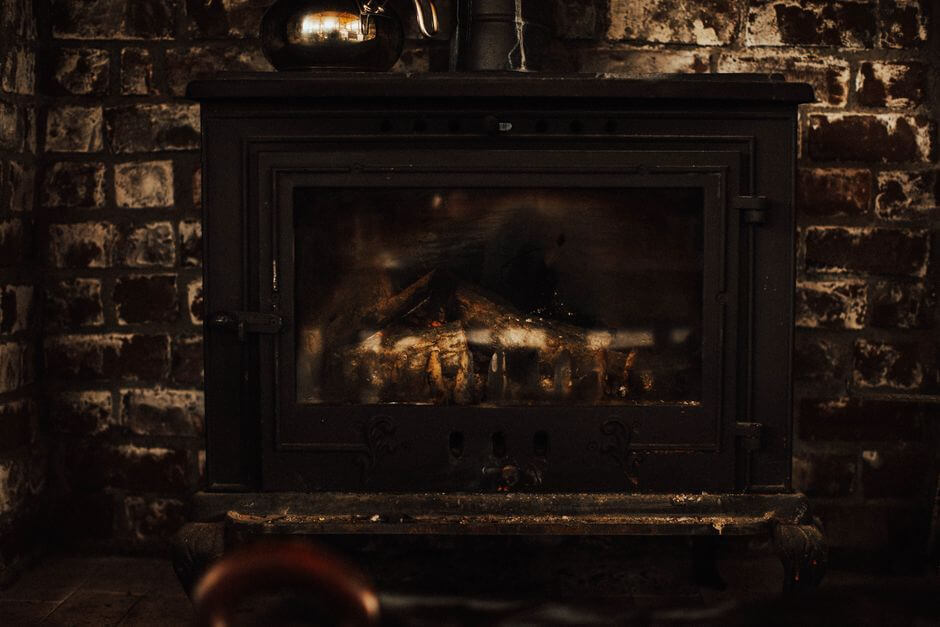
If you have ever stared through a soot-covered fireplace door wondering why your once-cozy fire now looks like it is burning behind a smoked window, you are not alone. Cleaning a fireplace glass is one of those small household tasks that can quickly become frustrating if you do not have the right tools. The truth is, everything depends on choosing the right product. A poor-quality cleaner will smear the soot around, scratch the glass, or simply fail to cut through the creosote buildup that accumulates after every burn.
That is exactly why so many homeowners, chimney sweeps, and stove enthusiasts eventually turn to the Wood Stove, Chimney and Fireplace Glass Cleaner from Ferber Painting. Unlike most cleaners on the market, our formula is specifically engineered to dissolve creosote, ash, and carbon residue without damaging the glass, the frame, or the surrounding finish. And perhaps most importantly, it is the only fireplace glass cleaner on the market backed by a full satisfied or refunded guarantee. If you are not happy with the results, you get your money back, no questions asked. That level of confidence simply does not exist with other brands.
In this complete guide, we will walk you through everything you need to know about cleaning a fireplace glass properly, safely, and efficiently. We will also explain why the product matters just as much as the technique, and why Ferber Painting has become the trusted choice for people who want a spotless, streak-free glass every single time. Along the way, we will cover the science behind why fireplace glass gets so dirty in the first place, the mistakes most people make when trying to clean it themselves, and the small maintenance habits that can save you hours of scrubbing over the course of a single burning season.
Why the Right Product Makes All the Difference
Many people assume that any household glass cleaner or a bit of soapy water will do the job. Unfortunately, fireplace glass is not like a regular window. The residue that builds up on a wood stove or fireplace door is a mix of creosote, ash, and burnt organic compounds that bond tightly to the glass surface when exposed to high heat. Standard cleaners are not formulated to break down this kind of buildup, which means you end up scrubbing for hours, only to leave streaks, scratches, or a hazy film behind.
To really understand why generic products fail, it helps to understand what creosote actually is. When wood burns, it releases gases and tiny particles of unburned carbon. As these gases cool while passing over the glass, they condense into a sticky, tar-like film. Over time, repeated exposure to heat bakes this film onto the surface, turning it from a light haze into a thick, brownish-black crust that can feel almost impossible to remove with a simple wipe. This is very different from the dust and fingerprints you find on a household window, which is why household glass cleaners, vinegar solutions, or plain water almost always disappoint when used on a fireplace door.
This is where a specialized cleaner like the one from Ferber Painting makes a real difference. Our formula is designed specifically for high-heat glass surfaces, which means it cuts through creosote and soot in seconds rather than minutes. It also does not contain harsh abrasives that could scratch the glass or damage the metal frame around it. Instead, it relies on a balanced chemical formula that lifts residue away without requiring aggressive scrubbing. This matters not only for the appearance of your fireplace, but also for its longevity, since scratched glass can develop weak points that are more prone to cracking under repeated heating and cooling cycles.
Here are some of the key advantages that set the Ferber Painting cleaner apart from generic alternatives:
- It is formulated specifically for fireplace, wood stove, and chimney glass, not just general household use.
- It works on both cold and slightly warm glass, giving you flexibility on when to clean.
- It does not leave behind a chemical residue or unpleasant smell once the glass is wiped clean.
- It is safe to use on tempered glass, ceramic glass, and most protective coatings.
- It comes with a satisfied or refunded guarantee, something no competitor currently offers.
- It ships quickly worldwide thanks to Ferber Painting’s international carrier network.
- Payment is simple and secure, processed entirely online through our website.
When you combine a superior formula with a guarantee that protects your purchase, it becomes clear why so many customers choose Ferber Painting over other brands sold in hardware stores or online marketplaces. It is also worth noting that many generic cleaners rely on ammonia-based formulas that were originally designed for household windows. While ammonia can cut through light grime, it struggles against baked-on creosote and can sometimes react poorly with certain glass coatings, leaving a cloudy or streaked appearance that is even harder to fix afterward. Our formula avoids this pitfall entirely by targeting the specific chemical structure of creosote and carbon deposits.
Common Mistakes People Make When Cleaning Fireplace Glass
Before diving into the correct method, it is worth highlighting a few mistakes that make the job harder than it needs to be. Many people reach for steel wool or abrasive scouring pads, thinking that more friction will remove stubborn stains faster. In reality, this almost always leaves fine scratches across the glass, which then trap even more soot the next time you light a fire, creating a vicious cycle of buildup. Others try using newspaper dipped in ash and water, an old trick that can work in a pinch but often leaves behind ink residue and does not perform nearly as well as a purpose-built cleaner. Finally, some people simply wait too long between cleanings, allowing creosote to bake on layer after layer until what should have been a two-minute wipe-down turns into an hour of scrubbing.
Ferber Painting vs Other Fireplace Glass Cleaners
To help you understand exactly why our product stands out, we have put together a simple comparison table covering the criteria that matter most when choosing a fireplace glass cleaner.
| Criteria | Ferber Painting Cleaner | Generic Store-Brand Cleaners |
|---|---|---|
| Satisfaction Guarantee | Yes, full satisfied or refunded guarantee | Rarely offered, and often limited |
| Formulated for High-Heat Glass | Yes, specifically designed for it | Usually general purpose only |
| Ease of Use | Simple spray and wipe application | Often requires heavy scrubbing |
| Residue-Free Finish | Yes, no streaks or film | Sometimes leaves a hazy residue |
| Worldwide Shipping | Fast delivery through international carriers | Often limited to local markets |
| Online Purchase and Payment | Simple and secure checkout | Varies, not always available |
| Safe for Coated or Tempered Glass | Yes | Not always specified |
As the table shows, the difference is not just marketing. It comes down to formulation, guarantees, and the overall customer experience. When you order from Ferber Painting, you are not just buying a bottle of cleaner, you are investing in a product that has been designed with real fireplace owners in mind, and one that is protected by a promise that if it does not work for you, you get your money back.
It is also worth mentioning that many generic cleaners are packaged in ways that make them difficult to apply precisely, resulting in overspray onto the surrounding brick, stone, or wood paneling. Our packaging is designed to give you better control over application, minimizing waste and reducing the risk of the product landing where it is not needed. Combined with the fact that our formula does not require a second or third application in most cases, customers often find that a single bottle lasts much longer than expected, even with regular use throughout an entire burning season.
How to Clean a Fireplace Glass: Step-by-Step Guide
Now that you understand why the product matters, let us walk through the actual cleaning process. Whether you have a wood stove, an insert, or a traditional fireplace with a glass door, these steps will help you achieve a crystal-clear finish. Before you start, gather your supplies so you are not searching for a rag or a fresh cloth halfway through the job. You will typically need the Ferber Painting cleaner, a few soft cloths or paper towels, a soft-bristled brush or dry cloth for loose debris, and optionally a pair of gloves if you have sensitive skin.
Step 1: Make Sure the Glass is Cool
Before you begin cleaning, make sure the fire has been out for several hours and the glass is completely cool to the touch. Cleaning a hot or even warm glass surface can be dangerous and may also cause certain cleaning agents to evaporate too quickly, reducing their effectiveness. As a general rule, if you have used your fireplace or wood stove in the morning, it is best to wait until the evening, or even the next day, before attempting a full clean. Patience at this stage prevents burns and also ensures the cleaner has enough time to properly interact with the residue rather than flashing off the surface.
Step 2: Remove Loose Ash and Debris
Using a dry cloth or a soft brush, gently remove any loose ash, soot, or debris from the surface of the glass. This step prevents you from scratching the glass when you apply the cleaner, since loose particles can act like sandpaper if rubbed directly into the surface. If you have a vacuum with a brush attachment, this can also be a quick and effective way to lift away dry ash without spreading it into the air or onto nearby furniture. Take a moment as well to check the door gasket and hinges for any loose debris, since ash tends to accumulate in these small gaps and can fall back onto the glass if not addressed first.
Step 3: Apply the Ferber Painting Fireplace Glass Cleaner
Spray a generous amount of the Ferber Painting Wood Stove, Chimney and Fireplace Glass Cleaner directly onto the glass surface. Allow it to sit for about thirty seconds to a minute so the formula can begin breaking down the creosote and carbon buildup. This waiting period is important because it allows the chemical action to do the heavy lifting instead of relying on manual scrubbing. For glass that has not been cleaned in a very long time, or that has visibly thick, dark buildup, you can extend this waiting period to two or three minutes to give the formula extra time to penetrate the deeper layers of residue.
Step 4: Wipe with a Soft Cloth or Paper Towel
Using a clean, soft cloth or a paper towel, wipe the glass in circular motions. You will notice the soot and residue lifting away almost immediately. Unlike other cleaners that require repeated applications, our formula is designed to work efficiently on the first pass in most cases. As you wipe, periodically fold your cloth or switch to a fresh section so you are not simply dragging the same layer of dissolved soot back across the glass. Working from the top of the door downward also helps, since gravity will naturally pull any loosened residue toward the bottom, where it can be wiped away last.
Step 5: Buff for a Streak-Free Finish
Once the majority of the residue has been removed, take a dry section of your cloth and buff the glass gently. This step ensures a streak-free, crystal-clear finish that lets you fully enjoy the view of your fire. A microfiber cloth works particularly well for this final buffing stage, as it picks up any remaining moisture without leaving behind lint or fibers. If you notice a few stubborn streaks after buffing, a light second misting followed by another buff usually resolves the issue completely.
Step 6: Clean the Frame and Surrounding Area
While the glass is often the main focus, do not forget to wipe down the metal frame and any surrounding trim. A small amount of the cleaner on a cloth can help remove soot buildup on these areas as well, giving your entire fireplace a refreshed, well-maintained appearance. Pay particular attention to corners and grooves in the frame, where soot tends to accumulate more heavily and can be harder to reach with a simple wipe. A cotton swab or a small detail brush can be helpful for these tighter spots, especially around decorative metalwork or handles.
Step 7: Inspect and Repeat if Necessary
For particularly stubborn buildup, especially if the glass has not been cleaned in a long time, you may need to repeat steps three and four once more. However, most users report that a single application is enough to restore the glass to a near-new condition. Once you are satisfied with the result, take a step back and inspect the glass from a few different angles and under different lighting, since some faint streaks are only visible when sunlight or a lamp hits the glass at a certain angle. This final check only takes a moment but ensures you will not be disappointed once the fire is lit again and the glass is on full display.
Tips to Keep Your Fireplace Glass Cleaner for Longer
Cleaning your fireplace glass regularly is much easier than trying to remove months of built-up creosote all at once. Here are a few practical tips to help you maintain a clear glass surface between deep cleans.
- Burn only dry, seasoned wood, since wet or green wood produces more creosote and soot.
- Make sure your fireplace or wood stove has proper airflow, as poor combustion increases residue buildup.
- Wipe the glass lightly with the Ferber Painting cleaner once a week during heavy use months to prevent heavy buildup.
- Avoid burning treated or painted wood, which can release chemicals that stick more aggressively to the glass.
- Keep a bottle of Ferber Painting cleaner near your fireplace for quick touch-ups whenever needed.
Beyond these core habits, a few additional considerations can make a noticeable difference over the course of a season. First, consider the type of wood you are burning. Hardwoods such as oak, maple, and birch tend to burn hotter and cleaner than softwoods like pine or fir, which often contain more resin and sap that contribute to sticky creosote deposits. If you have the option, seasoning your firewood for at least six months to a year before burning it will significantly reduce the moisture content, leading to a more efficient burn and far less soot on the glass.
Second, pay attention to how you build and manage your fires. Starting a fire with plenty of airflow and allowing it to establish a strong flame before adding larger logs helps ensure more complete combustion. A smoldering, oxygen-starved fire produces significantly more smoke and soot than a well-ventilated one, and that extra smoke has to go somewhere, often ending up as a film on your glass door. Many modern wood stoves and inserts include an air wash system designed to blow a thin layer of air across the inside of the glass, which helps keep it cleaner during use. If your unit has this feature, make sure the vents are not blocked or dirty, as this can significantly reduce its effectiveness.
Third, consider the timing of your cleaning routine relative to your usage patterns. If you use your fireplace daily during the winter, a quick wipe with the Ferber Painting cleaner every few days will prevent the kind of heavy, baked-on buildup that takes much longer to remove. On the other hand, if you only use your fireplace occasionally, a thorough cleaning at the start and end of the season, along with occasional touch-ups, should be more than sufficient.
By combining these habits with the right cleaning product, you can keep your fireplace glass looking clear and attractive throughout the entire burning season, rather than only after a deep clean. Many customers tell us that once they establish this kind of routine, cleaning the glass becomes a two-minute task rather than a dreaded weekend chore.
Why Choose Ferber Painting for Your Fireplace Glass Cleaner
There are many cleaning products on the market that claim to work on fireplace and wood stove glass, but very few actually deliver consistent results while also standing behind their product with a real guarantee. Ferber Painting was built on the idea that customers deserve both quality and confidence in what they are purchasing.
When you order from our website, you benefit from fast worldwide shipping thanks to our international network of trusted carriers, meaning your product arrives quickly no matter where you are located. Payment is processed securely and easily online, so you can complete your order in just a few clicks. And of course, every single product we sell, including our fireplace glass cleaner, comes with a satisfied or refunded guarantee. If for any reason you are not happy with your results, we will make it right.
Our team has spent significant time formulating and testing this cleaner across different types of glass, from the tempered panels found in modern wood stoves to the ceramic glass used in high-efficiency inserts and traditional fireplace doors. This attention to detail means the product performs consistently whether you have a small freestanding stove in a cabin or a large masonry fireplace in a family home. We also take customer feedback seriously, continually refining our formula and instructions based on real-world use, which is part of why our satisfaction rate remains so high.
This combination of a specialized formula, fast global delivery, simple online payment, and a strong guarantee is what makes Ferber Painting the smarter choice compared to generic alternatives found in hardware stores or unreliable online sellers. Rather than gambling on a product that might leave streaks or fail to cut through stubborn creosote, you can order with confidence knowing that your satisfaction is guaranteed from the moment your package arrives.
Frequently Asked Questions
How often should I clean my fireplace glass?
For regular users, cleaning the glass once every one to two weeks during the burning season helps prevent heavy creosote buildup. Light touch-ups with the Ferber Painting cleaner can be done even more frequently if desired.
Can I use the Ferber Painting cleaner on ceramic glass stoves?
Yes, the formula is safe for use on tempered and ceramic glass commonly found in wood stoves, inserts, and fireplace doors.
Is it safe to clean the glass while it is still slightly warm?
It is always recommended to wait until the glass has fully cooled to avoid injury and to allow the cleaner to work effectively without evaporating too quickly.
What if the cleaner does not work for my situation?
Ferber Painting offers a satisfied or refunded guarantee on all products, including this cleaner. If you are not satisfied with the results, you can contact us for a full refund.
Do you ship internationally?
Yes, Ferber Painting ships worldwide through a reliable network of international carriers, ensuring fast and secure delivery no matter your location.
Can I use this cleaner on the glass doors of a gas fireplace?
Yes, the formula works well on gas fireplace glass, although these units typically accumulate less creosote than wood-burning appliances. A light application is usually enough to remove the fine film that can develop over time.
Will the cleaner remove very old, thick creosote buildup that has been left untouched for years?
In most cases, yes, although extremely thick, multi-year buildup may require two or three applications with a short waiting period between each one. Even in these tougher situations, customers report significantly better results than with generic cleaners, and the satisfied or refunded guarantee ensures you are never left disappointed.
Do I need to remove the glass from the fireplace door to clean it properly?
No, the cleaner is designed to be used while the glass remains in place within the frame. This makes the process faster and avoids the risk of damaging the seals or gaskets that come with removing and reinstalling the glass.
Is the cleaner safe to use around children and pets once the glass has dried?
Yes, once the glass has been wiped clean and allowed to dry, there is no residue left behind that would pose a risk to children or pets. As with any cleaning product, we recommend keeping the bottle itself stored safely out of reach during and after use.
Conclusion
Cleaning a fireplace glass does not have to be a frustrating, time-consuming task. With the right technique and, more importantly, the right product, you can restore your glass to a clear, streak-free finish in just a few minutes. As we have seen throughout this guide, generic cleaners often fall short when it comes to cutting through creosote and soot without damaging the glass or frame.
By understanding how creosote forms, avoiding common cleaning mistakes, following a simple step-by-step process, and adopting a few maintenance habits between deep cleans, you can keep your fireplace or wood stove glass looking clear all season long. The difference between a dull, sooty fireplace and a bright, inviting one often comes down to nothing more than using a cleaner that was actually designed for the job.