 United States
 Australia
 Česko
Česko Danmark
 Deutschland
 Eesti
Eesti España
 Ελλάδα
 France
 Ireland
 Hrvatska
 Italia
 Latvija
 Lietuva
 Magyarország
 Nederlands
 New-Zealand
 Norge
Norge Polska
 Portugal
 România
 Schweiz (Deutsch)
 Slovenija
 Slovensko
 Suomi
Suomi Sverige
 United Kingdom
 България
 Canada (Français)
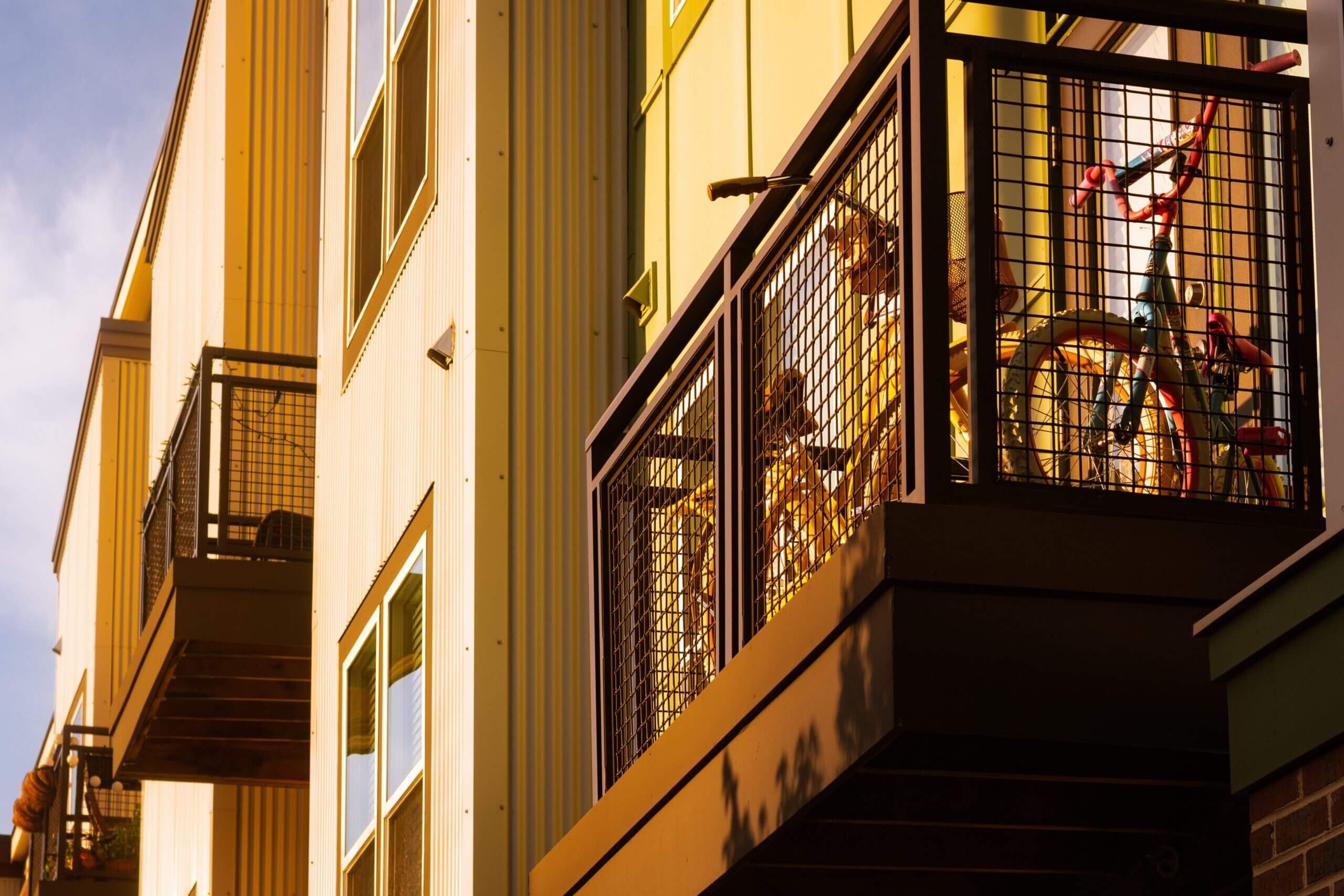
Aluminum guardrails are everywhere: balconies, staircases, terraces, pool decks, and commercial buildings. They are popular because aluminum is light, resistant to rust, and easy to maintain compared to steel or wrought iron. But “easy to maintain” does not mean “impossible to damage.” Every year, thousands of homeowners and professionals ruin the finish of their aluminum guardrails without even realizing it, and in almost every case, the real culprit is not dirt. It is the cleaning product they used.
If you have ever looked at an aluminum guardrail and noticed dull patches, white spots, pitting, or a chalky residue after cleaning, you were probably not looking at “normal wear.” You were looking at chemical damage. And that changes everything about how you should approach cleaning aluminum going forward.
In this guide, we will explain exactly why so many aluminum cleaning products on the market quietly damage the metal they are supposed to protect, how to identify a safe product, and how to properly clean your aluminum guardrail step by step so it stays bright, smooth, and structurally sound for years.
Why the Right Cleaning Product Matters More Than the Cleaning Itself
Here is the uncomfortable truth about aluminum cleaning products: cleaning aluminum is easy. Almost any cleaning agent will remove dirt, grime, pollen, and dust from an aluminum surface. The real challenge is not removing dirt. It is removing dirt without destroying the metal underneath.
Aluminum forms a natural protective layer called an oxide layer. This microscopically thin layer is what gives aluminum its corrosion resistance. The problem is that this oxide layer is chemically reactive. It can be dissolved or degraded by two categories of substances in particular:
Acidic products. Strong acids break down the oxide layer and can cause pitting, discoloration, and a rough or “etched” texture on the surface. Over time, acidic products accelerate corrosion rather than preventing it.
Alkaline (basic) products. High-pH alkaline products are, if anything, even more aggressive toward aluminum than acids. Aluminum is amphoteric, meaning it reacts with both acids and bases. Alkaline cleaners can cause rapid discoloration, blackening, and a chalky white residue that some manufacturers try to disguise as “natural patina.”
The issue is that a huge number of commercial aluminum cleaners sold today are formulated with acidic or alkaline chemistry because these ingredients are cheap and they clean fast. A strong acid or a strong base will strip dirt, grease, and oxidation almost instantly, which looks impressive in a five-second demonstration video. What it does not show you is what that same guardrail looks like six months later.
The Labeling Problem Nobody Talks About
Here is what makes this worse: most of these products do not clearly disclose their pH on the label. You will often see marketing language like “powerful degreaser,” “industrial strength,” or “removes oxidation instantly,” but you will rarely see an actual pH value printed anywhere on the bottle. This is not an accident. If consumers understood they were applying a product with a pH of 1 or a pH of 13 directly onto a metal that is chemically sensitive to both extremes, many would think twice.
The result is a cycle that repeats across driveways, balconies, and building facades every year: a customer buys an aluminum cleaner, applies it because the aluminum “looked dirty,” gets a satisfying clean result in the moment, and then over the following months notices the metal has become dull, spotted, or rough. Rather than blaming the product, they often blame “cheap aluminum” or “normal aging,” when in reality the product itself was quietly corroding the surface with every use.
Why Bleach and Vinegar Are Not Safe Substitutes Either
Because of the confusion around commercial cleaners, many people turn to household staples like bleach or white vinegar, assuming that “natural” or “common” automatically means “safe for aluminum.” Unfortunately, this assumption is incorrect, and it can be just as damaging as an unlabeled commercial product.
Bleach (sodium hypochlorite) is highly alkaline and extremely reactive with aluminum. Contact with bleach can cause rapid pitting, black staining, and even a mild but noticeable chemical reaction on the surface. Bleach is designed to disinfect and whiten organic materials. It was never designed with metal compatibility in mind, and aluminum is one of the surfaces it damages most visibly.
White vinegar (acetic acid) is a mild acid, but “mild” does not mean “harmless” with repeated use. Vinegar will slowly but surely attack the oxide layer of aluminum, especially with the concentration and contact time most people use when scrubbing a guardrail. A single use might not show visible damage, but guardrails are cleaned repeatedly over the years, and the cumulative effect of acidic exposure is what leads to long-term dulling and surface degradation.
The Solution: A Neutral pH Formula
This is exactly why Ferber Painting formulated its Aluminum Cleaner around a neutral pH. A neutral pH formula (close to pH 7) is chemically gentle toward the aluminum oxide layer while still being highly effective at breaking down dirt, grease, pollen, hard water spots, and atmospheric grime. It cleans the surface without attacking the metal that surface is made of.
The difference is not cosmetic marketing language. It is basic chemistry. A neutral cleaner does not force the aluminum’s oxide layer through the kind of reactive stress that acidic or alkaline products do. That means your guardrail keeps its original color, its smooth texture, and its structural surface integrity, cleaning after cleaning, year after year.
| Cleaning Option | Typical pH Range | Effect on Aluminum Over Time | Risk Level |
|---|---|---|---|
| Bleach | Highly alkaline (11-13) | Pitting, black staining, oxide layer breakdown | Very High |
| White vinegar | Acidic (2-3) | Surface etching, dulling, gradual corrosion | High |
| Generic “industrial strength” aluminum cleaners (undisclosed pH) | Often acidic or alkaline (unlabeled) | Fast clean, but accelerates long-term corrosion and discoloration | High |
| Ferber Painting Aluminum Cleaner | Neutral (~7) | Effective cleaning with no chemical attack on the oxide layer | Low |
As the table above shows, the products that clean the “fastest” are frequently the same products doing the most long-term harm. If your goal is a guardrail that still looks new in five or ten years, and not just one that looks clean for the next photo, the pH of your cleaner is not a minor detail. It is the single most important factor in your buying decision.
Step-by-Step Guide: How to Properly Clean an Aluminum Guardrail
Now that you understand why product choice matters so much, here is a complete, practical method for cleaning your aluminum guardrail safely and effectively.
Step 1: Inspect and Prepare the Surface
Before applying any product, walk the length of the guardrail and look for:
- Visible dirt, dust, or pollen buildup
- Grease or oily residue (common near cooking areas, garages, or high-traffic zones)
- Hard water spots or mineral deposits
- Any existing damage, such as pitting, discoloration, or scratches
This inspection tells you whether you are dealing with routine surface grime (which requires a light cleaning pass) or a heavier buildup (which may require a slightly longer dwell time with your cleaner, though never a stronger or more aggressive product).
Step 2: Rinse With Clean Water First
Always start with a plain water rinse using a garden hose or a bucket and clean cloth. This removes loose dust, dirt, and debris before you apply any cleaning product, which prevents you from grinding grit into the surface later and reduces the amount of product you will need overall.
Step 3: Apply Ferber Painting Aluminum Cleaner
Apply the Ferber Painting Aluminum Cleaner directly to the surface, either by spraying it on or applying it with a soft cloth or sponge, depending on the size of the guardrail. Because the formula is pH neutral, you do not need to worry about timing it perfectly to avoid chemical damage. Let it sit for one to two minutes to allow the formula to break down dirt, grease, and mineral buildup.
Step 4: Gently Scrub With a Soft Brush or Microfiber Cloth
Using a soft-bristle brush or a microfiber cloth, gently scrub the surface in the direction of the aluminum’s natural finish (if it has a brushed texture, follow the grain). Avoid steel wool, abrasive scouring pads, or stiff wire brushes. These can scratch the surface and create tiny grooves where dirt and moisture accumulate more easily in the future, leading to faster reoxidation.
Step 5: Rinse Thoroughly
Rinse the entire guardrail thoroughly with clean water, making sure no cleaning product residue is left behind, especially in corners, joints, and decorative details where liquid can pool.
Step 6: Dry the Surface
Dry the guardrail with a clean, soft, lint-free cloth. While aluminum does not rust the way steel does, allowing water to air-dry naturally can leave mineral spots, particularly if you have hard water. A quick manual dry keeps the surface looking uniformly clean and streak-free.
Step 7: Maintain a Regular Cleaning Schedule
For most residential guardrails, cleaning every one to two months is enough to prevent buildup. Guardrails near the coast (due to salt air), near busy roads (due to pollution and grime), or in industrial areas may benefit from more frequent cleaning, roughly every three to four weeks, always using a neutral pH product to avoid cumulative chemical stress on the metal.
Why Ferber Painting’s Aluminum Cleaner Is the Best Choice on the Market
There is no shortage of aluminum cleaning products available online and in hardware stores. So why should you choose Ferber Painting’s Aluminum Cleaner specifically? Here are the key reasons.
1. Genuine Neutral pH, Clearly Disclosed
Unlike many competitor products that hide their pH behind vague marketing terms, Ferber Painting’s Aluminum Cleaner is formulated and labeled as neutral pH. There is no guessing, no fine print, and no unpleasant surprise six months down the road. What you see on the label is exactly what is inside the bottle.
2. Cleans Without Compromising the Metal
Many “powerful” aluminum cleaners on the market rely on acidic or alkaline chemistry to create the appearance of a deep clean. That approach may look effective at first glance, but it comes at a real cost to the integrity of the surface over time. Ferber Painting’s formula is built to deliver strong cleaning performance on dirt, grease, pollen, and mineral deposits, without ever putting the aluminum’s protective oxide layer at risk.
3. Backed by a Satisfaction Guaranteed, Money-Back Policy
Every product sold by Ferber Painting, including the Aluminum Cleaner, comes with a satisfaction guaranteed policy. If you are not happy with the results, Ferber Painting will refund you. Few competitors are willing to offer this kind of confidence in their formula, largely because their aggressive, corrosive chemistry does not hold up to genuine long-term scrutiny.
4. Fast, Reliable International Shipping
Ferber Painting ships worldwide through an established international carrier network, so wherever you are ordering from, you can expect your Aluminum Cleaner to arrive quickly and reliably, without the long delays that are common with smaller, less established competitors.
5. Simple, Secure Online Payment
Ordering is fast and straightforward directly through the Ferber Painting website, with secure online payment options, so you can go from browsing to having the product on the way in just a couple of clicks.
6. Designed Specifically for Aluminum, Not Adapted From a Generic All-Purpose Cleaner
A lot of “aluminum cleaners” on the market are essentially generic all-purpose degreasers with an aluminum-themed label slapped on. Ferber Painting’s Aluminum Cleaner was formulated with aluminum’s specific chemical sensitivities in mind from the very beginning, rather than being repurposed from an unrelated formula.
Comparison Table: Ferber Painting vs. Typical Market Competitors
| Feature | Ferber Painting Aluminum Cleaner | Typical Market Competitors |
|---|---|---|
| pH Level | Neutral (~7), clearly disclosed | Often acidic or alkaline, rarely disclosed |
| Long-term effect on aluminum | Preserves finish and structural integrity | Can cause pitting, dullness, discoloration over time |
| Formulated specifically for aluminum | Yes | Often a generic degreaser rebranded |
| Money-back guarantee | Yes, full satisfaction guaranteed | Rarely offered |
| International shipping | Fast, reliable worldwide network | Inconsistent, often slow or region-limited |
| Online payment | Simple and secure | Varies widely by seller |
| Transparency of ingredients | Clearly communicated | Frequently vague or incomplete |
When you line up the options side by side like this, the decision becomes fairly clear. You are not just buying a bottle of cleaning liquid. You are choosing whether your guardrail looks better or worse a year from now.
Common Mistakes to Avoid When Cleaning Aluminum Guardrails
Even with the right product in hand, a few common mistakes can undermine your results.
Mixing products. Never mix your aluminum cleaner with bleach, ammonia, or other household chemicals. Combining chemicals can create unpredictable and sometimes hazardous reactions, and it can also compromise the pH balance of an otherwise safe product.
Using abrasive tools. Steel wool, metal scrapers, and rough scouring pads may seem like a shortcut for stubborn grime, but they physically damage the surface, creating micro-scratches that trap dirt and accelerate future buildup.
Cleaning in direct, harsh sunlight. Cleaning in full midday sun can cause the product to dry too quickly on the surface, leaving streaks or residue before you have had a chance to rinse it off properly. Early morning or late afternoon is ideal.
Skipping the rinse step. Leaving any cleaning product residue on the surface, even a neutral pH one, can attract dust and create a slightly sticky or hazy finish over time. Always rinse thoroughly.
Ignoring joints and fasteners. Dirt and moisture often accumulate around screws, brackets, and joints. These areas deserve extra attention during cleaning, since trapped moisture in these spots can eventually lead to localized corrosion even on otherwise well-maintained aluminum.
Mini FAQ
How often should I clean my aluminum guardrail? For most homes, every one to two months is sufficient. If your guardrail is near the coast, a busy road, or an industrial area, cleaning every three to four weeks helps prevent buildup from salt, pollution, or dust.
Can I use a pressure washer on an aluminum guardrail? A low-pressure setting can be used for rinsing, but high pressure can force water into joints and fasteners, and in some cases can affect the surface finish. A hose rinse combined with the Ferber Painting Aluminum Cleaner and a soft brush is generally safer and just as effective.
Will Ferber Painting’s Aluminum Cleaner remove oxidation that has already formed? Yes, it is formulated to lift dirt, grime, and light oxidation from the surface, while its neutral pH prevents it from creating new chemical damage in the process, unlike acidic or alkaline products that can worsen oxidation over time.
Is it safe to use on painted or powder-coated aluminum guardrails? Yes, the neutral pH formula is gentle enough for painted, powder-coated, and anodized aluminum finishes, making it a versatile option for most guardrail types.
What if I am not satisfied with the results? Ferber Painting offers a satisfaction guaranteed, money-back policy on the Aluminum Cleaner and all of its products. If you are not happy with your results, you can request a refund.
Where can I buy Ferber Painting’s Aluminum Cleaner? It is available directly on the Ferber Painting website, with secure online payment and fast international shipping through our established carrier network, so you can order wherever you are located.
Final Thoughts
Cleaning an aluminum guardrail is not complicated, but doing it correctly requires understanding one key fact: the product you choose matters far more than the amount of scrubbing you put in. Acidic and alkaline cleaners, along with household substitutes like bleach and vinegar, may deliver a quick visual result, but they slowly and often invisibly damage the very metal you are trying to protect.
A neutral pH formula, like the one used in Ferber Painting’s Aluminum Cleaner, removes dirt, grease, and buildup effectively while preserving the natural finish and structural integrity of your aluminum guardrail for the long term. Combine that with fast international shipping, easy online payment, and a full satisfaction guaranteed policy, and it becomes clear why choosing the right product is not just a matter of convenience. It is an investment in how your guardrail looks and performs for years to come.