 Ireland
 United States
 Australia
 Česko
Česko Danmark
 Deutschland
 Eesti
Eesti España
 Ελλάδα
 France
 Hrvatska
 Italia
 Latvija
 Lietuva
 Magyarország
 Nederlands
 New-Zealand
 Norge
Norge Polska
 Portugal
 România
 Schweiz (Deutsch)
 Slovenija
 Slovensko
 Suomi
Suomi Sverige
 United Kingdom
 България
 Canada (Français)
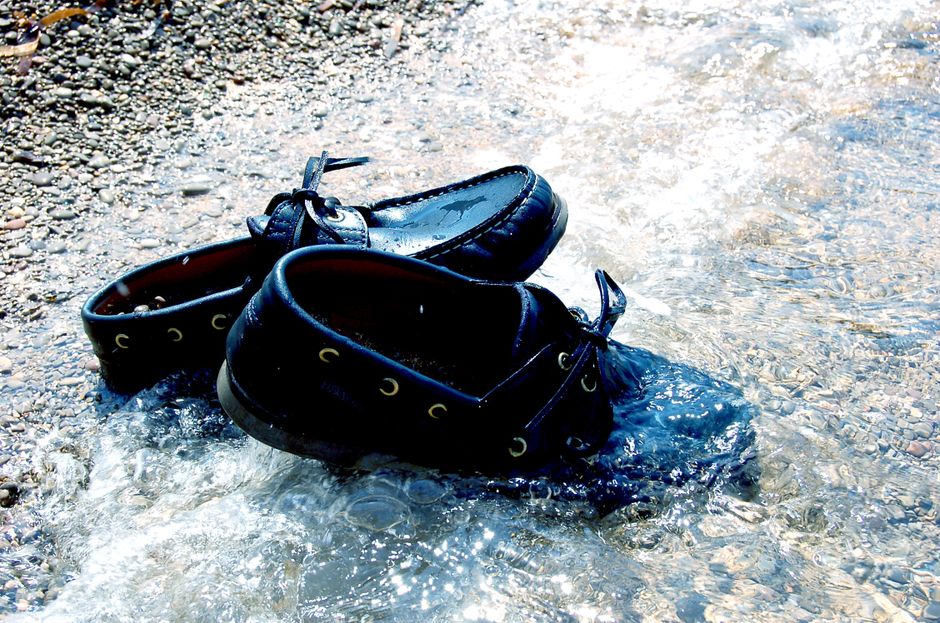
If you own a pair of Adidas sneakers, whether it is the classic Stan Smith, the Ultraboost, or a pair of Superstars, you already know how much these shoes mean to your everyday comfort and style. But rain, mud, snow, and everyday spills can quickly ruin your favorite pair if they are not properly protected. The truth is, everything depends on choosing the right waterproofing product. A cheap or poorly formulated spray can leave stains, damage the material, or simply fail to protect your shoes when you need it most.
This is exactly why we recommend the Shoe Water Repellent from Ferber Painting. Unlike most competitors on the market, our product comes with a satisfaction guaranteed or your money back policy, something that is extremely rare in this industry. When a company is confident enough to offer a full refund if you are not happy, it says a lot about the quality of what they are selling. Ferber Painting stands behind its product because we know it works, and we want our customers to feel completely safe when trying it for the first time.
Beyond the guarantee, our Shoe Water Repellent has several advantages that other brands simply do not offer. It is formulated to be safe on suede, leather, mesh, and the primeknit material commonly used in Adidas shoes. It does not leave white marks or change the color of the fabric, which is a very common complaint with cheaper alternatives. It also dries quickly, meaning you do not have to wait hours before wearing your shoes again. And because we ship internationally through a trusted network of carriers, you can order from anywhere in the world and receive your product quickly, with a simple and secure online payment process.
In this guide, we will walk you through everything you need to know about waterproofing your Adidas shoes step by step, and explain why using the right product, like ours, makes all the difference between a temporary fix and long lasting protection. Whether you wear your sneakers for daily commutes, weekend hikes, casual outings, or as part of a curated collection, understanding how to properly treat and maintain them will save you money and frustration in the long run. We will also cover the science behind water repellency, the specific needs of different Adidas materials, and the small habits that separate a shoe that lasts for years from one that falls apart after a single rainy season.
Why Waterproofing Your Adidas Shoes Matters
Adidas shoes are made from a variety of materials, including mesh, leather, suede, and knit fabrics like Primeknit. Each of these materials reacts differently to water and moisture. Mesh and knit materials, for example, are extremely breathable, which is great for comfort but terrible for water resistance. Water can seep through almost instantly, leaving your socks and feet soaked within minutes of stepping into a puddle.
Leather and suede, on the other hand, can absorb water and stains, which can lead to permanent damage if not treated properly. Suede in particular is notorious for showing water marks that are almost impossible to remove once they set in. This is why waterproofing is not just about comfort, it is about protecting your investment in a pair of shoes that can cost anywhere from 80 to 250 dollars or more.
Using a high quality water repellent spray like the one from Ferber Painting creates an invisible barrier on the surface of the material. This barrier causes water to bead up and roll off instead of soaking in, giving you extra time to get out of the rain without ruining your shoes. It also helps protect against dirt, mud, and even some stains, making your shoes easier to clean and maintain over time.
How Different Adidas Materials React to Moisture
Understanding the material of your specific shoe model helps you set realistic expectations for how well waterproofing will work and how often you need to reapply. Primeknit, used in models like the Ultraboost, is a tightly woven fabric designed for flexibility and breathability. While it feels fantastic on the foot, its open weave structure means water can pass through the tiny gaps between fibers almost instantly if left untreated. A good water repellent fills these microscopic gaps with a hydrophobic coating, without making the fabric feel stiff or reducing its natural stretch.
Classic leather models such as the Stan Smith have a smoother, less porous surface, but leather is a natural material that can dry out, crack, or stain if exposed repeatedly to water without protection. Over time, untreated leather can also develop a dull, faded appearance because moisture strips away natural oils. Suede models, often found in Superstar or Campus style sneakers, are the most delicate of all. The napped surface of suede traps water droplets and, once they dry, they often leave a visible ring or watermark that changes the texture of the material permanently. This is why suede owners in particular should never skip the waterproofing step, and should reapply more frequently than owners of smooth leather or mesh shoes.
The Real Cost of Skipping Waterproofing
Many people underestimate how quickly a single rainy commute or a muddy weekend hike can shorten the lifespan of a pair of sneakers. Consider a typical scenario: you step in a puddle on your way to work, your socks get soaked, and by the time you reach the office your shoes are visibly darker and starting to smell. Repeat this a handful of times over a few months, and the glue holding the sole together can start to weaken, the insole can develop mold or odor, and the upper material can lose its original color and shape. Replacing a pair of Adidas sneakers every year because of preventable water damage can easily cost hundreds of dollars over time, far more than the price of a single bottle of quality water repellent used consistently.
Beyond the financial aspect, there is also the emotional attachment many sneaker owners have to a specific pair, whether it was a gift, a limited release, or simply a shoe that fits perfectly after months of breaking it in. Waterproofing is a small, inexpensive habit that protects not just the material value of the shoe but also the memories and comfort associated with it.
| Criteria | Ferber Painting Shoe Water Repellent | Average Competitor Product |
|---|---|---|
| Satisfaction guarantee | Yes, full refund if not satisfied | Rarely offered |
| Safe on mesh, leather, suede, knit | Yes, tested on all Adidas materials | Often limited to one material type |
| Drying time | Fast drying, ready in under an hour | Can take several hours |
| Discoloration risk | Very low, no white residue | Common issue with cheap sprays |
| Worldwide shipping | Yes, fast international delivery | Often limited to local markets |
| Online payment | Simple and secure checkout | Varies |
How to Waterproof Adidas Shoes: Step by Step
Now that you understand why waterproofing matters, let us go through the actual process. Following these steps carefully will ensure the best results and the longest lasting protection for your Adidas shoes.
What You Will Need Before Starting
Before you begin, gather a few simple items so the process goes smoothly from start to finish. You will need a soft bristle brush for removing dirt, a clean microfiber cloth, mild soap or a dedicated sneaker cleaner, lukewarm water, newspaper or old towels to stuff inside the shoes and help them keep their shape while drying, and of course a bottle of Ferber Painting Shoe Water Repellent. Having everything ready before you start prevents interruptions that could leave your shoes half cleaned or half treated, which can affect the final result.
Step 1: Clean Your Shoes Thoroughly
Before applying any water repellent product, your shoes need to be completely clean and dry. Dirt, dust, and oils on the surface can prevent the product from bonding properly with the material. Use a soft brush to remove loose dirt, and if needed, clean the shoes with a mild soap and water solution. Let them air dry completely, away from direct heat sources like radiators or hair dryers, which can damage the material.
For mesh and Primeknit models, focus on removing dirt trapped in the tight weave, using gentle circular motions with the brush so you do not stretch or tear the fibers. For suede shoes, use a dedicated suede brush that moves in one direction only, following the natural nap of the material, to avoid creating uneven patches. Leather shoes can typically handle a slightly more thorough wipe down with a damp cloth, but always dry them with a towel afterward rather than leaving them to air dry for hours in direct sunlight, which can cause the leather to stiffen or crack.
Step 2: Prepare a Well Ventilated Area
Waterproofing sprays should always be applied in a well ventilated space, ideally outdoors or in a garage with the door open. This protects you from inhaling fumes and allows the product to dry evenly without any residue buildup. If you must work indoors, open a window and consider placing a fan nearby to keep the air moving. Lay down old newspaper or a drop cloth underneath the shoes to protect your floor or work surface from overspray, especially if you are treating the shoes on a table or countertop.
Step 3: Shake the Bottle and Test on a Small Area
Before spraying the entire shoe, shake the bottle of Ferber Painting Shoe Water Repellent well to ensure the formula is properly mixed. Then, test a small, inconspicuous area of the shoe, such as the inside of the tongue, to make sure there is no discoloration or unwanted reaction with the material. This step only takes a minute or two but can save you from a disappointing surprise on a brand new or particularly delicate pair of sneakers. Wait a few minutes after the test spray to check how the material responds before moving on to the full application.
Step 4: Apply the Spray Evenly
Hold the bottle about 6 to 8 inches away from the shoe and spray a thin, even layer across the entire surface, including seams, laces, and the sole edge where water often seeps in. Do not oversaturate the shoe, as a light and even coat is more effective than a heavy application. Pay special attention to areas that are most exposed to water, such as the toe box and the sides of the shoes.
Do not forget less obvious spots that are frequently overlooked, such as the heel tab, the eyelets where the laces pass through, and the stitching along the sole. These small areas are often the first places where water finds its way in, and a few extra seconds of spraying here can make a noticeable difference in overall performance. If your Adidas shoes have any exposed fabric tags, branding patches, or textile overlays, treat these as well since they are usually just as absorbent as the rest of the upper material.
Step 5: Let It Dry and Apply a Second Coat
Allow the first coat to dry completely, which typically takes less than an hour with our fast drying formula. Once dry, apply a second coat for extra protection, especially if you plan to wear your shoes in heavy rain or snow regularly. Let the shoes dry fully before wearing them, ideally overnight for maximum effectiveness.
While the shoes are drying, avoid touching the treated surface, as fingerprints or pressure marks can sometimes affect the evenness of the coating before it fully sets. Placing the shoes in a stable position, away from direct sunlight or heat vents, helps the product cure properly and reach its full water repellent potential.
Step 6: Reapply Regularly
Waterproofing is not a one time treatment. Depending on how often you wear your shoes and how harsh the weather conditions are, you should reapply the product every few weeks or after several washes. Keeping a bottle of Ferber Painting Shoe Water Repellent at home means you can quickly refresh the protection whenever needed, without having to buy a new pair of shoes just because the water resistance has worn off.
A simple way to know when it is time to reapply is to observe how water behaves on the surface of your shoes. If you notice that droplets no longer bead up and roll off, but instead start to spread out and soak into the material, this is a clear sign that the protective layer has worn thin and needs to be refreshed. Keeping a small calendar reminder every three to four weeks, or right after a deep clean, is a simple habit that keeps your sneakers consistently protected throughout the year.
Common Mistakes to Avoid When Waterproofing Adidas Shoes
Many people make small mistakes that reduce the effectiveness of waterproofing products. Avoiding these common errors will help you get the best possible results from your Shoe Water Repellent.
- Applying the product on dirty or wet shoes, which prevents proper absorption
- Using too much product at once, which can leave a sticky residue
- Skipping the second coat, especially for shoes made of mesh or knit fabric
- Not testing the product on a small area first, risking discoloration
- Forgetting to reapply the treatment regularly, leading to reduced protection over time
- Using low quality sprays that damage the material instead of protecting it
Applying product to dirty or wet shoes is one of the most frequent mistakes, and it is also one of the easiest to avoid. When the surface of the shoe still holds dust, dried mud, or moisture, the repellent cannot bond properly with the fibers or the leather grain, which means large parts of the shoe end up with little to no actual protection even though it looks like the spray was applied everywhere. Always double check that your shoes feel completely dry to the touch, including inside seams and around the sole, before starting the treatment.
Using too much product might seem like a way to get extra protection, but in reality it often has the opposite effect. Oversaturating the material can cause the spray to pool in certain areas, leaving a slightly sticky or shiny film once dry, which can attract more dust and dirt over time rather than repelling it. A thin, even coat applied in two light passes almost always outperforms a single heavy, uneven spray.
Skipping the second coat is particularly risky for mesh and knit shoes because their open weave structure requires a more thorough covering to fully seal the tiny gaps between fibers. A single light coat might feel sufficient on smooth leather, but for Primeknit or mesh uppers, that second pass is often what makes the difference between water beading off and water slowly seeping through after just a few minutes in the rain.
Not testing the product on a small area first can lead to unpleasant surprises, especially on colored suede or on shoes with delicate dye jobs, collaborations, or special edition colorways. Some materials react differently to certain formulas, and a thirty second test on the inside of the tongue is a small price to pay compared to discovering a visible stain on the outside of a brand new pair of sneakers.
Forgetting to reapply regularly is easy to do once the initial excitement of protecting a new pair wears off. However, water repellent coatings naturally degrade with exposure to friction, washing, and general wear. Shoes that are worn daily, especially for commuting or outdoor activities, will need more frequent touch ups than a pair reserved for occasional wear.
This last point is particularly important. Many budget waterproofing sprays on the market contain harsh chemicals that can dry out leather or damage the glue holding the shoe together over time. Some of these formulas rely on solvents that evaporate quickly but leave behind a brittle residue, which can eventually crack the upper material or cause seams to weaken. Ferber Painting’s Shoe Water Repellent is formulated to be gentle on materials while still providing strong, lasting protection, which is one of the many reasons our customers keep coming back.
Why Choose Ferber Painting’s Shoe Water Repellent
There are dozens of waterproofing sprays available online and in stores, so why should you choose ours specifically? The answer comes down to quality, trust, and customer service.
First, our satisfaction guaranteed or money back policy means there is zero risk in trying our product. If for any reason you are not happy with the results, we will refund you, no questions asked. This is something very few competitors are willing to offer, because they are not always confident in their own formula.
Second, our product is specifically designed to work well on the wide range of materials used in Adidas shoes, from Primeknit to suede to classic leather. Many generic sprays are made for one type of material and can actually cause damage when used on others. We spent significant time testing our formula across different Adidas silhouettes, from performance running shoes to lifestyle sneakers, to make sure the same bottle can be trusted on almost any pair sitting in your closet.
Third, we offer fast worldwide shipping through a reliable network of international carriers. No matter where you are located, you can count on receiving your order quickly and in perfect condition. Combined with a simple and secure online payment system, ordering from Ferber Painting is fast, easy, and stress free. Our customer support team is also available to answer questions about application, compatibility with specific materials, or anything else you might wonder about before or after your purchase.
Finally, our formula is fast drying and does not leave any white residue or change in color, which is a common issue with lower quality alternatives. When you invest in a pair of Adidas shoes, you deserve a waterproofing solution that protects them without compromising their look. We also pay close attention to the overall experience of using the product, from the ease of the spray nozzle to the clarity of the instructions on the label, because we believe that good customer care extends beyond just the liquid inside the bottle. Many of our customers tell us that once they try our Shoe Water Repellent, they end up using it not only on their Adidas sneakers but also on other footwear, bags, and outdoor gear that could benefit from the same reliable protection.
Mini FAQ
Q: Can I use Ferber Painting’s Shoe Water Repellent on all types of Adidas shoes?
A: Yes, our formula is safe for mesh, leather, suede, and knit materials, making it suitable for almost every Adidas model, including Ultraboost, Stan Smith, and Superstar.
Q: How often should I reapply the spray?
A: We recommend reapplying every few weeks, or after washing your shoes, to maintain optimal water resistance.
Q: Will the spray change the color of my shoes?
A: No, our formula is designed to dry clear without leaving any residue or discoloration, unlike many other sprays on the market.
Q: What if I am not satisfied with the product?
A: Ferber Painting offers a satisfaction guaranteed or your money back policy, so you can try the product with complete peace of mind.
Q: How long does shipping take?
A: Thanks to our international network of carriers, most orders are delivered quickly no matter where you are located in the world.
Conclusion
Waterproofing your Adidas shoes is a simple process, but it only works well when you use the right product. Cheap sprays can damage your shoes, leave stains, or simply fail to protect against water when you need it most. Taking the time to clean your shoes properly, apply an even coat in a well ventilated space, and reapply on a regular schedule will keep your sneakers looking fresh and performing well no matter the season. That is why choosing a trusted, high quality solution matters so much. Discover our Shoe Water Repellent today and protect your Adidas shoes with a product backed by a satisfaction guaranteed or your money back promise, fast worldwide shipping, and a formula designed specifically to keep your favorite sneakers safe from rain, mud, and everyday wear.