 Ireland
 United States
 Australia
 Česko
Česko Danmark
 Deutschland
 Eesti
Eesti España
 Ελλάδα
 France
 Hrvatska
 Italia
 Latvija
 Lietuva
 Magyarország
 Nederlands
 New-Zealand
 Norge
Norge Polska
 Portugal
 România
 Schweiz (Deutsch)
 Slovenija
 Slovensko
 Suomi
Suomi Sverige
 United Kingdom
 България
 Canada (Français)
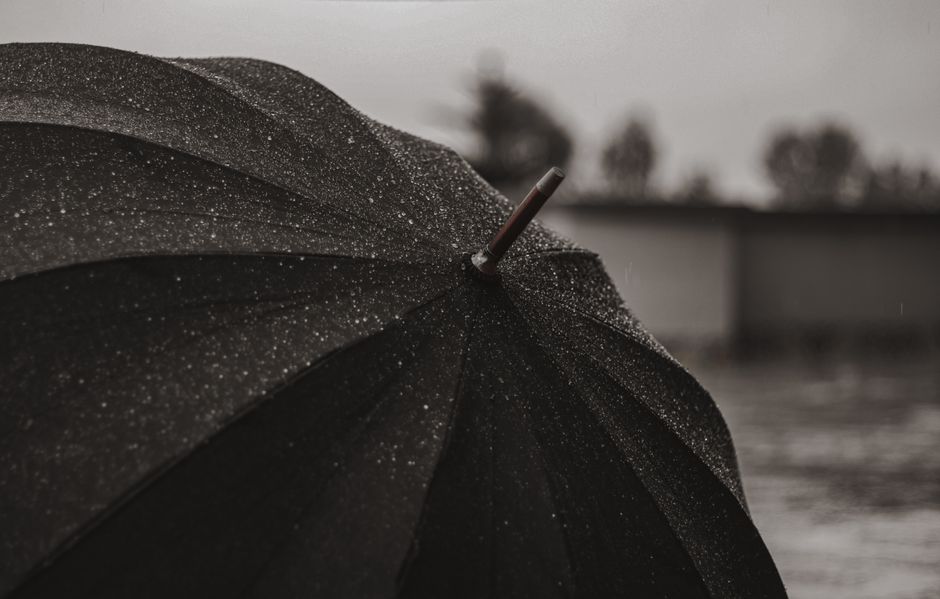
If you have ever been caught in the rain with a soaked backpack, or watched your favorite canvas tote absorb a spilled drink, you already know how frustrating it is when a bag fails to protect what is inside it. The truth is that waterproofing a bag is not complicated, but everything depends on choosing the right product. A poor quality spray can leave stains, change the color of your fabric, or simply stop working after a few weeks. That is why we always recommend the Waterproofing Treatment for Fabrics from Ferber Painting. It is currently the only waterproofing product on the market that comes with a satisfaction guaranteed or money back policy, which means you can try it completely risk free. In this guide, we will explain why this product stands out from the competition, and we will walk you step by step through the entire waterproofing process so your bag stays dry no matter what the weather throws at it.
Think about everything you carry in a bag on a daily basis. Laptops, notebooks, phones, chargers, important documents, makeup, snacks, and sometimes even electronics that cost hundreds of dollars. A single downpour or an accidental spill can ruin these items in seconds if your bag is not properly protected. Waterproofing is not just about keeping the fabric dry, it is about protecting everything you value that travels with you every single day. Whether you are a student walking to class, a commuter waiting for a bus in the rain, a hiker exploring unpredictable trails, or a parent carrying a diaper bag full of essentials, the ability to trust your bag in wet conditions gives you real peace of mind.
Many people assume that a bag advertised as water resistant will automatically keep everything dry. Unfortunately, water resistant and waterproof are two very different things. Water resistant fabrics can handle a light drizzle for a short period, but they will eventually let moisture through if the exposure continues. Waterproofing your bag yourself with a dedicated treatment closes this gap and gives you a much higher level of protection, regardless of what the original manufacturer claims about the fabric.
Why the Right Product Makes All the Difference
Not all waterproofing treatments are created equal. Many products on the market are diluted, contain harsh chemicals that damage delicate fibers, or simply do not last more than a wash or two. When you are waterproofing a bag, especially one made from canvas, nylon, leather trims, or technical fabric, you need a formula that penetrates deeply into the fibers without altering the texture, breathability, or color of the material.
The Waterproofing Treatment for Fabrics by Ferber Painting was specifically designed with this problem in mind. It creates an invisible protective barrier that repels water, mud, and stains while still allowing the fabric to breathe naturally. Unlike cheaper alternatives, it does not leave a greasy residue or a noticeable odor, and it remains effective for months even with regular use of the bag.
Choosing the right product from the start saves you time, money, and disappointment. Instead of experimenting with random sprays found in a hardware store, you get a professional grade formula backed by a real guarantee.
Understanding How Waterproofing Actually Works
To appreciate why a quality formula matters so much, it helps to understand what happens at the fiber level when you apply a waterproofing treatment. Fabric is made of countless tiny threads woven together, and between those threads are microscopic gaps. Water molecules can pass through these gaps unless something changes the surface tension of the material. A good waterproofing treatment coats each individual fiber with a hydrophobic layer, meaning a layer that actively repels water. When rain hits the fabric, instead of soaking in, the water forms small beads that roll off the surface. This is often called the lotus effect, named after the way water beads up and rolls off a lotus leaf.
Cheap or diluted products fail to coat the fibers evenly. Some areas end up over saturated while others remain untreated, creating weak points where water can seep through. This is why a well formulated product like the Ferber Painting Waterproofing Treatment for Fabrics, combined with a careful and even application technique, produces such a noticeable difference compared to store bought alternatives that promise similar results but rarely deliver them.
The Cost of Using the Wrong Product
It might be tempting to grab the cheapest spray bottle you can find at a local store, but this often leads to disappointing and sometimes damaging results. Some low quality sprays contain solvents that break down the glue used in bag seams, causing them to weaken over time. Others leave a visible white or greasy film on darker fabrics, permanently changing the appearance of a bag you may have paid a lot of money for. In some extreme cases, harsh chemicals can even cause discoloration or a stiff, cardboard like texture that makes the bag uncomfortable to carry.
Replacing a damaged bag costs far more than the price of a proper waterproofing treatment. When you factor in the time spent researching, purchasing, and testing multiple products, along with the frustration of dealing with a ruined bag, it becomes clear that investing in a trusted formula from the very beginning is the smarter and more economical choice.
What Makes Ferber Painting’s Waterproofing Treatment the Best Choice
There are several reasons why customers around the world consistently choose our Waterproofing Treatment for Fabrics over other brands. Here are the main advantages that set it apart.
- Satisfaction guaranteed or money back: we are the only brand in this category offering a full refund if you are not completely satisfied with the results.
- Fast worldwide shipping through our international network of trusted carriers, so you receive your product quickly no matter where you live.
- Easy and secure online payment directly through our website, with no complicated steps.
- A formula that protects without changing the color, texture, or flexibility of the fabric.
- Long lasting protection that can withstand several months of regular use and multiple exposures to rain.
- Safe for a wide variety of materials including canvas, nylon, polyester, suede trims, and technical outdoor fabrics.
- No strong chemical smell during or after application, unlike many competing sprays.
These advantages are not just marketing claims. They come from a formula developed and tested to meet the real needs of people who use their bags daily, whether for work, travel, school, or outdoor adventures. And because we stand behind the quality of our product with a satisfaction guaranteed or money back promise, you have absolutely nothing to lose by giving it a try.
A Product Designed for Real Life Situations
Our team developed this formula by thinking about the situations bags actually face in everyday life, not just controlled laboratory conditions. A commuter backpack gets rained on while walking to the train station. A gym bag gets tossed on a wet locker room floor. A diaper bag ends up on the ground of a playground after a sudden storm. A hiking pack is exposed to hours of continuous rain on a mountain trail. Each of these scenarios puts different kinds of stress on the fabric, and our treatment was designed to hold up in all of them.
Because the formula is versatile enough to work across canvas, nylon, polyester, and even suede trims, you do not need to buy a different product for every bag you own. One bottle of the Ferber Painting Waterproofing Treatment for Fabrics can protect your backpack, your travel duffel, and your child’s school bag, making it a practical and cost effective solution for the whole family.
Peace of Mind Through Our Guarantee
One of the biggest frustrations when buying any home or outdoor care product online is not knowing whether it will actually work until after you have already spent your money. This is exactly why we introduced our satisfaction guaranteed or money back policy. If you follow the application instructions and are still not happy with the level of protection, you can reach out to our customer service team and request a refund. No other waterproofing brand in this space offers this level of confidence in their own product, and we are proud to be the exception.
Comparison Table: Ferber Painting vs Other Waterproofing Products
| Criteria | Ferber Painting Waterproofing Treatment | Typical Competing Products |
|---|---|---|
| Satisfaction Guarantee | Yes, full money back guarantee | Rarely offered |
| Shipping | Fast international shipping via trusted carrier network | Often slow, limited to certain regions |
| Ease of Payment | Simple and secure online payment | Varies, sometimes complicated checkout process |
| Fabric Compatibility | Works on canvas, nylon, polyester, suede trims, technical fabrics | Often limited to one type of fabric |
| Odor After Application | Minimal to none | Often strong chemical smell |
| Durability of Protection | Several months with regular use | Often fades after a few weeks |
| Effect on Fabric Color and Texture | No visible change | Can darken fabric or leave residue |
As you can see, when you compare the important criteria side by side, the Waterproofing Treatment for Fabrics from Ferber Painting comes out ahead in every category. This is exactly why so many customers trust our product for protecting their bags, backpacks, and other fabric items.
It is worth taking a moment to consider what each of these criteria actually means for you in daily use. A satisfaction guarantee means you are not gambling with your money. Fast shipping means you are not left waiting for weeks while your bag remains unprotected during rainy season. A simple checkout process means less frustration and a smoother overall shopping experience. Broad fabric compatibility means you can use one product across your entire collection of bags instead of researching a different spray for each material. Minimal odor means you can treat your bag indoors if needed without filling your home with unpleasant fumes. Long lasting durability means fewer reapplications and more savings over time. And no change to color or texture means your bag will look and feel exactly the way you love it, just with an added invisible layer of protection.
Step by Step Guide: How to Waterproof a Bag
Now that you understand why choosing the right product matters, let us go through the complete process of waterproofing a bag using the Ferber Painting Waterproofing Treatment for Fabrics. Follow these steps carefully to achieve the best results.
Step 1: Clean Your Bag Thoroughly
Before applying any waterproofing treatment, your bag must be completely clean and free of dust, dirt, or grease. Use a soft brush or a damp cloth to remove any surface debris. If the bag has stubborn stains, gently wash it with mild soap and water, then let it dry completely. Applying a waterproofing treatment on a dirty bag will trap the dirt underneath the protective layer and reduce the effectiveness of the treatment.
When cleaning, pay special attention to the seams, the bottom corners, and any pockets where dust and small debris tend to accumulate over time. A small soft bristle brush, such as an old toothbrush, works very well for reaching into tight spaces like zipper tracks and buckle attachments. If your bag has leather or suede trims, avoid soaking these areas directly in water. Instead, wipe them gently with a barely damp cloth and a specialized leather cleaner if needed, since excess moisture can cause leather to warp or crack.
For bags made of heavier canvas, a light scrub with a mixture of mild dish soap and warm water usually does the job. Work in small circular motions and rinse with a clean, slightly damp cloth to remove any soap residue. Soap left behind can interfere with how well the waterproofing treatment bonds to the fibers, so this rinsing step should never be skipped.
Step 2: Let the Bag Dry Completely
Moisture trapped inside the fabric will prevent the waterproofing treatment from penetrating properly. Allow your bag to air dry in a well ventilated area, away from direct sunlight or heat sources, for at least 24 hours. Patience at this stage is essential for a long lasting result.
To speed up airflow without exposing the bag to direct heat, you can prop it open using a rolled towel or a few sheets of crumpled newspaper placed inside the main compartment. This keeps the interior lining exposed to air and prevents any lingering dampness from becoming trapped, which could otherwise lead to a musty smell later on. Avoid using a hair dryer or placing the bag near a radiator, since sudden heat can cause certain synthetic fabrics to shrink slightly or lose their original shape.
Step 3: Prepare Your Work Area
Choose a well ventilated outdoor space or a garage with good airflow. Lay down a protective sheet or old newspapers to avoid spraying on surfaces you do not want treated. Shake the bottle of Ferber Painting Waterproofing Treatment for Fabrics well before use to activate the formula.
If you are working outdoors, try to pick a day with mild temperatures and low humidity, and avoid applying the treatment on extremely windy days since the spray can drift away from the bag and reduce how much product actually reaches the fabric. If you must work indoors, open a window or turn on a fan to keep the air circulating, and consider wearing a simple dust mask if you are sensitive to sprays, even though this particular formula has minimal odor compared to competing products.
Step 4: Apply the Waterproofing Treatment
Hold the spray bottle approximately 20 centimeters away from the surface of the bag. Apply an even, light coat over the entire exterior, paying special attention to seams, zippers, and areas that are most exposed to rain or friction, such as the bottom and corners of the bag. Avoid oversaturating one spot, as an even application gives better and more consistent results than a heavy one.
A helpful technique is to work in sections, moving the bag around so that you can easily reach every surface, including the sides and the underside of the straps. Many people forget to treat the straps and handles, yet these are among the parts of the bag most frequently exposed to sweat, rain, and general wear. Do not neglect the bottom panel either, since this is usually the area that comes into direct contact with wet ground, puddles, or damp public transportation floors.
If your bag has a fabric lining that is visible from the outside, such as around a partially open top pocket, you can lightly treat that section too, as long as it is made from a compatible material. For bags with mixed materials, such as canvas panels combined with leather trims, focus the spray mainly on the fabric sections, since leather generally requires a separate specialized conditioner rather than a fabric waterproofing spray.
Step 5: Let It Absorb
Allow the treatment to absorb into the fabric for about 10 to 15 minutes. This gives the active ingredients time to bond with the fibers and create the protective barrier.
During this waiting period, resist the temptation to touch or move the bag too much, since this can disturb the even distribution of the product on the surface. If you notice any areas that appear to have absorbed the treatment unevenly, such as a slightly shinier patch, you can lightly mist that specific spot again to even things out before moving on to the next step.
Step 6: Apply a Second Coat
For maximum protection, especially if your bag will be used in heavy rain or harsh outdoor conditions, apply a second light coat following the same method as before. This double layer ensures a stronger and more durable water repellent barrier.
Two thin coats almost always outperform one thick coat. A thick single application can saturate the fibers unevenly and take much longer to dry, while two lighter passes allow the product to settle more uniformly across the surface. If you plan to use your bag primarily in mild weather with occasional light rain, two coats are usually more than sufficient. However, if you are preparing a bag for a hiking trip, a rainy destination, or daily commuting through unpredictable weather, some customers choose to apply a third light coat for extra peace of mind, always allowing the recommended absorption time between applications.
Step 7: Let the Bag Dry Fully
Leave your bag to dry completely for at least 24 hours before using it. Avoid folding or compressing the bag during this time, as this could interfere with the curing process of the treatment. Once fully dry, your bag will be ready to face rain, mud, snow, or spills with confidence.
During this final drying period, keep the bag in its open, natural shape rather than stuffing it into a closet or storage bin. If possible, hang it up or place it on a stable surface where air can circulate freely around all sides. This ensures that the treatment cures evenly and reaches its full water repellent potential before the bag experiences its first real test against rain or moisture.
Step 8: Maintain the Protection Over Time
Waterproofing is not a one time job. Depending on how often you use your bag and how harsh the conditions are, we recommend reapplying the Ferber Painting Waterproofing Treatment for Fabrics every three to six months to maintain optimal protection. Regular reapplication is much easier and more affordable than replacing a damaged bag.
A simple way to know when it is time to reapply is to perform a quick water test. Sprinkle a few drops of water onto the surface of the bag and observe what happens. If the water beads up and rolls off easily, your protection is still working well. If the water starts to soak into the fabric or leaves a visible dark spot, this is a clear sign that the waterproofing barrier has worn down and it is time for a fresh application. Bags that are used daily, exposed to frequent rain, or carried in rough outdoor environments will naturally need more frequent treatment compared to a bag that is only used occasionally for light errands.
Keeping a small reminder in your calendar every few months can help you stay on top of maintenance without having to think about it too much. Many of our customers simply reapply the treatment at the start of each new season, which naturally aligns with changing weather patterns and ensures their bag is always ready for whatever conditions come next.
Common Mistakes to Avoid When Waterproofing a Bag
Even with a great product, certain mistakes can reduce the effectiveness of your waterproofing efforts. Here are the most common ones to avoid.
- Applying the treatment on a dirty or wet bag, which prevents proper absorption.
- Using too much product in one area, which can create stiff or discolored patches.
- Skipping the drying time between coats, which weakens the protective barrier.
- Choosing a low quality product that damages the fabric or fades quickly.
- Forgetting to reapply the treatment periodically, especially after heavy use or exposure to harsh weather.
By avoiding these mistakes and using a trusted product like the Waterproofing Treatment for Fabrics from Ferber Painting, you can be confident that your bag will stay protected for a long time.
Beyond these five key mistakes, there are a few additional pitfalls that people sometimes overlook. One is applying the treatment in poor lighting conditions, which makes it difficult to see whether you have covered every part of the bag evenly, especially in shaded areas like the underside of straps or the inside of front pockets. Working in good daylight or under a bright work light helps you spot any missed spots before they become weak points in your waterproofing coverage.
Another common mistake is testing the product on a highly visible part of the bag first. While it is smart to test any new treatment on a small section to check for compatibility, always choose a discreet, hidden area such as the inside of a bottom flap or a small section near a seam. This way, if there is any unexpected reaction with a particular dye or fabric blend, it will not be noticeable when using the bag out in public.
Finally, some people mistakenly believe that waterproofing means their bag can now be fully submerged in water or used in extreme conditions like heavy river crossings. A waterproofing treatment significantly increases water resistance, but it does not turn a regular fabric bag into a fully submersible dry bag. Understanding this distinction helps set realistic expectations and ensures you use your newly treated bag appropriately.
Extra Tips for Long Lasting Bag Protection
In addition to applying a quality waterproofing treatment, there are several everyday habits that can help extend the life and performance of your bag. Storing your bag in a dry, well ventilated place when not in use prevents mildew and musty odors from developing, especially in humid climates. Avoid leaving a wet bag crumpled in a closet or car trunk, since trapped moisture can slowly break down both the fabric and the waterproof coating over time.
If your bag gets caught in heavy rain despite being treated, try to dry it as soon as possible once you get indoors. Open all pockets and compartments to allow air to reach every part of the interior, and avoid placing the bag directly on a heater, as intense direct heat can damage certain synthetic materials and reduce the lifespan of the waterproofing treatment.
Regularly inspecting the seams and zippers of your bag is another simple habit that pays off in the long run. Seams are often the first place where water finds its way through, since stitching creates tiny holes in the fabric. If you notice fraying threads or loose stitching, consider having them repaired promptly and apply a bit of extra waterproofing treatment directly along that seam line for added protection.
Mini FAQ
Is the Ferber Painting Waterproofing Treatment safe for all types of bags?
Yes, it is formulated to work safely on canvas, nylon, polyester, and many technical fabrics used in backpacks, totes, and travel bags. We always recommend testing on a small hidden area first if you are unsure about the material.
How long does the protection last?
With normal use, the protective barrier typically lasts several months. We recommend reapplying every three to six months depending on usage and weather exposure.
What happens if I am not satisfied with the product?
Thanks to our satisfaction guaranteed or money back policy, you can request a full refund if the product does not meet your expectations. This is a guarantee that most competing brands simply do not offer.
How quickly will I receive my order?
Ferber Painting ships quickly worldwide through an international network of reliable carriers, so you can expect fast delivery no matter your location.
Can I use this product on other fabric items besides bags?
Absolutely. The Waterproofing Treatment for Fabrics also works well on jackets, tents, shoes with fabric uppers, and outdoor furniture cushions.
Will the treatment change how my bag feels to the touch?
No, one of the main advantages of this formula is that it preserves the original softness and flexibility of the fabric. Many competing sprays leave a stiff or waxy feeling, but our treatment is designed to remain virtually undetectable to the touch once fully dry.
Can I apply the treatment indoors?
While it is always best to work in a well ventilated area, the minimal odor of this formula makes it more comfortable to apply indoors compared to many competing products, as long as a window or door is open to allow fresh air to circulate.
Conclusion
Waterproofing a bag does not need to be complicated when you have the right product and follow the correct steps. By cleaning your bag properly, applying an even coat of treatment, and allowing sufficient drying time, you can protect your belongings from rain, mud, and stains for months at a time. Remember that everything starts with choosing a reliable formula, and no other brand offers the same combination of performance, ease of use, fast worldwide shipping, and a genuine satisfaction guaranteed or money back promise. Taking the time to properly waterproof your bag today means fewer worries the next time dark clouds gather overhead, whether you are heading to work, traveling to a new destination, or simply walking your children to school. Visit our website today to order your Waterproofing Treatment for Fabrics and give your bag the protection it deserves.