 Ireland
 United States
 Australia
 Česko
Česko Danmark
 Deutschland
 Eesti
Eesti España
 Ελλάδα
 France
 Hrvatska
 Italia
 Latvija
 Lietuva
 Magyarország
 Nederlands
 New-Zealand
 Norge
Norge Polska
 Portugal
 România
 Schweiz (Deutsch)
 Slovenija
 Slovensko
 Suomi
Suomi Sverige
 United Kingdom
 България
 Canada (Français)
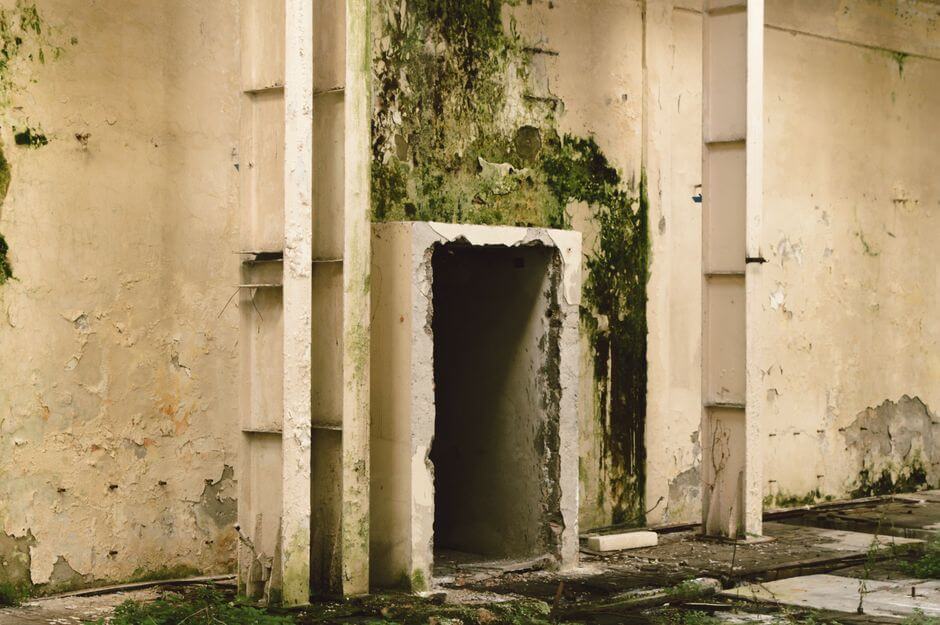
Damp walls are one of the most frustrating problems a homeowner can face. They damage plaster, ruin paintwork, create unpleasant odours, and in many cases lead to serious health issues caused by mould spores. If you have ever tried to deal with a damp wall yourself, you already know that the results depend almost entirely on one thing: the quality of the product you use. A poor treatment will only mask the problem for a few weeks before the damp returns, often worse than before. This is why, before we even get into the technical steps of treating a damp wall, we need to talk about choosing the right solution from the very beginning.
At Ferber Painting, we developed our Damp Wall and Rising Damp Treatment specifically to solve this recurring frustration. Unlike most competing products on the market, ours comes with a full satisfied or refunded guarantee, meaning you can try it with complete confidence. If for any reason you are not happy with the results, you get your money back. No other damp treatment brand on the market currently offers this level of commitment to its customers, and that alone should tell you something about how confident we are in our formula.
In this guide, we will explain everything you need to know about damp walls: what causes them, how to recognise the different types of damp, and most importantly, how to treat them properly using the right techniques and the right product. We will also explain exactly why our treatment outperforms other solutions available today. Whether you are dealing with a small patch of damp in a bathroom corner or a full wall affected by years of untreated rising moisture, the principles in this guide apply equally, and the steps we outline below have been refined through repeated real-world use across many different types of buildings and climates.
Why Choosing the Right Product Matters Most
Before discussing techniques, sanding, scraping, or plastering, we need to address the single most important factor in treating a damp wall successfully: the treatment product itself. Many people spend hours preparing a wall, stripping wallpaper, scraping off flaking paint, and sanding down the surface, only to apply a cheap or low-quality damp proofing product that fails within a few months. All that preparation work is wasted if the treatment itself cannot do its job properly.
A good damp treatment needs to do several things at once. It needs to penetrate deep into the masonry to block rising moisture. It needs to create a durable barrier that will not crack or peel over time. It needs to be safe to use indoors without releasing harmful fumes. And it needs to be compatible with a wide range of wall types, from brick to concrete to plaster. Very few products on the market manage to combine all of these qualities, which is why so many homeowners end up disappointed after trying two or three different treatments before finding one that actually works.
Think about the real cost of getting this wrong. A homeowner might spend an entire weekend stripping wallpaper, scraping loose plaster, sanding the surface smooth, and carefully applying a damp proofing cream purchased from a local hardware store. Three months later, the tell-tale tide mark reappears, the paint starts bubbling again, and the musty smell creeps back into the room. At that point, all the labour invested in preparation has effectively been wasted, and the homeowner is left facing the same problem, only now with additional frustration and lost time. Multiply this scenario across thousands of households, and it becomes clear why so many people assume damp is simply an unavoidable, recurring nuisance rather than a problem that can actually be solved permanently with the correct product.
This is precisely the gap that Ferber Painting’s Damp Wall and Rising Damp Treatment was designed to fill. Our formula was developed after years of testing on different wall surfaces and in different climates, ranging from humid coastal regions to cold, damp basements. The result is a product that consistently outperforms generic damp proofing solutions, and one that we are so confident in that we back it with a full satisfied or refunded guarantee. This guarantee is not just a marketing gimmick. It reflects our internal testing results and the feedback we consistently receive from customers who have used the product on walls that other treatments had already failed to fix.
It is also worth considering the hidden costs of repeated failed treatments. Every time a damp treatment fails, the homeowner typically has to redo the plastering, repurchase paint or wallpaper, and in some cases repair further damage caused by the extended period of moisture exposure. Over the course of several years, the cumulative cost of these repeated failed attempts often far exceeds the price of investing in a genuinely effective product the first time around. This is one of the main reasons we encourage customers to think of damp treatment not as a one-off expense to minimise, but as an investment in the long-term health and value of their property.
So before you start scraping, sanding, or repainting anything, the very first decision you need to make is which treatment product you are going to trust with the job. Get this decision right, and the rest of the process becomes far easier and far more effective.
What Makes Ferber Painting’s Damp Wall and Rising Damp Treatment Different
There are dozens of damp treatment products on the market, and at first glance many of them look similar. They all promise to stop rising damp, block moisture, and protect your walls. So what actually separates our product from the rest?
First, our treatment is formulated to penetrate deeper into porous masonry than most standard damp proofing creams and liquids. This deeper penetration means the moisture barrier it creates is more resistant to pressure from rising groundwater, which is the main cause of rising damp in older buildings. Because the active ingredients travel further into the substrate rather than simply coating the surface, the resulting barrier is far less likely to be undermined by capillary pressure pushing moisture upward from below.
Second, our product dries to a flexible yet durable finish that resists cracking even as the wall naturally expands and contracts with temperature changes throughout the year. Many competing products create a rigid barrier that eventually cracks, allowing moisture back in within a year or two. Ours is designed to last significantly longer without this issue. This flexibility is particularly important in regions with significant seasonal temperature swings, where walls expand slightly in summer heat and contract in winter cold. A rigid barrier under these conditions is almost guaranteed to develop hairline cracks over time, and once a crack forms, moisture will find its way back through that weak point regardless of how effective the original treatment was.
Third, and perhaps most importantly for many of our customers, our product is low odour and safe to use indoors without needing to evacuate the room for days. Many industrial-grade damp treatments require extensive ventilation and protective equipment. Ours can be applied with standard precautions, making it far more practical for homeowners treating walls in occupied rooms. This is especially valuable for families with young children, elderly relatives, or pets, who may struggle to vacate a room for the extended period that stronger, more fume-heavy treatments typically require.
Fourth, unlike many of our competitors, we offer fast worldwide shipping through our international network of trusted carriers. Whether you are located in Europe, North America, Australia, or elsewhere, you can order our treatment directly from our website and expect a quick delivery to your door. Payment is simple and secure, processed entirely online, so there is no complicated ordering process standing between you and fixing your damp wall. Many customers tell us they appreciate being able to order the exact quantity they need for their specific project, rather than being forced into buying oversized industrial packaging designed for professional contractors.
Fifth, our formula has been tested across a wide variety of masonry types, including solid brick, hollow block, natural stone, and cement render. This versatility means that regardless of the age or construction style of your property, whether it is a Victorian terrace with solid brick walls or a modern concrete block extension, the treatment is formulated to bond effectively and create a reliable moisture barrier.
Finally, and this is worth repeating throughout this article because it matters so much, every single order comes with our satisfied or refunded guarantee. If you try our Damp Wall and Rising Damp Treatment and are not fully satisfied with the results, we will refund your purchase. We are not aware of any other damp treatment brand currently offering this level of confidence in their product. This guarantee exists because we know our formula works, and we want our customers to feel zero risk when making the switch from ineffective solutions to ours.
Understanding Damp Walls and Rising Damp: Causes and Signs
Before treating a damp wall, it helps to understand exactly what you are dealing with. Not all damp problems are the same, and identifying the type of damp affecting your wall will help you apply the treatment correctly and set realistic expectations for the results.
There are generally three types of damp that affect walls:
- Rising damp: caused by groundwater being drawn upward through porous building materials via capillary action. This typically affects the lower portion of walls, usually up to about one metre in height, and is common in older buildings without a proper damp proof course.
- Penetrating damp: caused by water entering the wall horizontally, often due to damaged roofing, faulty guttering, cracked render, or poorly sealed windows and doors. This type of damp can appear anywhere on a wall, not just near the ground.
- Condensation damp: caused by excess indoor humidity condensing on cold wall surfaces, often in poorly ventilated rooms such as bathrooms and kitchens. This tends to appear as damp patches, black mould spots, and peeling paint in areas with poor airflow.
Common signs of a damp wall include a musty smell, peeling or bubbling paint and wallpaper, discoloured patches on the wall surface, white powdery deposits known as efflorescence, crumbling plaster, and visible mould growth. Rising damp specifically often produces a distinct tide mark along the lower section of the wall, along with salt deposits left behind as moisture evaporates.
Identifying which type of damp you are dealing with is important because the treatment approach can vary slightly. A simple way to start narrowing down the cause is to observe the pattern and location of the damp. If the affected area is confined to the bottom metre or so of the wall and appears along an internal partition as well as external walls, rising damp is the most likely culprit. If the damp appears higher up the wall, near window frames, or in a specific corner that corresponds to a section of roof or guttering above, penetrating damp is more likely. If the damp appears mainly during colder months, is accompanied by condensation on windows, and is concentrated in poorly ventilated rooms, condensation is probably the main factor.
A basic moisture meter, available inexpensively from most hardware stores, can also help confirm your suspicions by measuring relative moisture levels at different heights on the wall. Readings that gradually decrease as you move higher up the wall are a strong indicator of rising damp, whereas isolated pockets of high moisture readings unrelated to height often point to penetrating damp from a specific external source. It is also worth checking whether the damp gets noticeably worse after periods of heavy rainfall, which would suggest penetrating damp, or whether it remains fairly constant throughout the year regardless of weather, which is more typical of rising damp driven by groundwater.
Ferber Painting’s Damp Wall and Rising Damp Treatment is formulated to be effective against both rising damp and general wall dampness, making it a versatile choice regardless of which type of moisture problem you are facing. However, if your damp issue stems from an external source such as a leaking roof or broken gutter, it is important to fix that source of water ingress first, otherwise even the best treatment will only provide a temporary solution. Similarly, if condensation is the main driver of your damp problem, improving ventilation through extractor fans, trickle vents, or simply opening windows regularly will significantly improve the long-term results of any wall treatment applied to the affected area.
It is also worth noting that many older properties suffer from a combination of two or even all three types of damp simultaneously. A Victorian terraced house, for example, might have rising damp due to a failed damp proof course, penetrating damp from an aging roof, and condensation damp in a poorly ventilated bathroom, all at the same time. In these cases, treating only one cause while ignoring the others will lead to disappointing results, which is why a careful, honest assessment of the wall before starting any treatment work is so valuable.
Step-by-Step Guide: How to Treat a Damp Wall
Now that we understand the causes of damp walls and why choosing the right product is so important, let us walk through the actual process of treating a damp wall from start to finish.
Step one: identify and fix the source. Before applying any treatment, inspect the exterior of your property for obvious causes of water ingress. Check gutters, downpipes, roof tiles, window seals, and the condition of external render. If you find a source of external water entry, repair it before proceeding. For rising damp, check whether the property has a damp proof course and whether it may have failed or been bridged by external ground levels or flower beds pushed up against the wall. It is surprisingly common for a garden bed, a paved patio, or even a pile of firewood stacked against an external wall to raise the ground level above the damp proof course, effectively creating a bridge that allows moisture to bypass the barrier entirely. Lowering the external ground level or clearing debris away from the base of the wall can, in some cases, dramatically improve the situation on its own.
Step two: allow the wall to dry as much as possible. While complete drying is not always necessary before treatment, removing excess surface moisture will help the treatment penetrate more effectively. Use a dehumidifier in the room if possible and ensure good ventilation. In particularly damp climates, this drying period may need to extend over several days, and it can help to run the dehumidifier continuously while keeping doors closed to concentrate its effect on the affected room rather than trying to dry the whole property at once.
Step three: strip away damaged materials. Remove any wallpaper, flaking paint, or crumbling plaster from the affected area. If the plaster has been severely damaged by long-term damp exposure, it may need to be removed entirely down to the brick or block work, as damp-damaged plaster often retains salts that will continue to cause problems even after the moisture source is treated. When removing plaster, it is a good idea to extend the removal area at least thirty centimetres beyond the visible damp line, since moisture and salt contamination often extend further into the wall than what is visible on the surface.
Step four: clean the surface. Brush away loose debris, dust, and salt deposits from the wall surface. A clean, exposed surface allows the treatment to penetrate the masonry more effectively rather than sitting on top of a layer of dust or old paint residue. A stiff wire brush is often useful for removing stubborn salt crystals, and a vacuum with a brush attachment can help clear fine dust from the mortar joints, which is important because dust trapped in these joints can otherwise reduce how well the treatment soaks into the masonry.
Step five: apply Ferber Painting’s Damp Wall and Rising Damp Treatment. Following the instructions provided with the product, apply the treatment evenly across the affected area, ensuring full coverage, particularly around the base of the wall where rising damp is most concentrated. Depending on the severity of the damp, a second coat may be recommended for maximum effectiveness. Because our formula is designed for deep penetration, you do not need to apply excessive amounts to achieve strong results, which also makes the product more economical to use compared to treatments that require multiple heavy applications. Use a good quality brush or roller and work the product into the surface with steady, even strokes, paying particular attention to mortar joints and any visible cracks, since these areas often provide the easiest pathway for moisture to travel through the wall.
Step six: allow proper curing time. Give the treatment the recommended time to fully cure and create its protective moisture barrier before applying any plaster, render, or paint on top. Rushing this step is one of the most common reasons damp treatments fail, regardless of which brand is used. It can be tempting to move quickly to the redecorating stage, especially if the room is needed for everyday use, but patience at this point in the process pays off enormously in terms of the longevity of the final result.
Step seven: re-plaster and redecorate. Once the treatment has cured, you can re-plaster the wall using a salt-resistant plaster if salt contamination was present, then repaint or wallpaper as desired. Because our treatment creates a flexible, long-lasting barrier, you can redecorate with confidence knowing the moisture problem has been addressed at its source rather than simply hidden under a fresh coat of paint. When choosing paint for a previously damp wall, it is worth selecting a breathable paint formulated for masonry, as this allows any residual moisture in the wall to continue evaporating gradually without becoming trapped behind a non-breathable film.
Step eight: monitor the wall over time. Even with an effective treatment, it is good practice to keep an eye on the treated area over the following months, especially through changing seasons, to confirm that the damp has not returned. Pay particular attention during the first winter after treatment, since this is often when rising damp problems are most likely to resurface if the barrier has not been applied correctly. If you do notice any recurrence, our satisfied or refunded guarantee means you are covered, something very few of our competitors are willing to offer.
Comparing Damp Treatment Products: What to Look For
With so many damp treatment products available, it can be difficult to know which one to trust. Below is a comparison of the criteria that matter most when choosing a damp wall treatment, along with how Ferber Painting’s product measures up against typical alternatives on the market.
| Criteria | Ferber Painting Treatment | Typical Competing Products |
|---|---|---|
| Satisfaction guarantee | Full satisfied or refunded guarantee on every order | Rarely offered, usually no refund policy |
| Penetration depth | Deep penetration into porous masonry | Often limited to surface level application |
| Durability | Flexible, crack-resistant barrier | Often rigid and prone to cracking over time |
| Odour and safety | Low odour, safe for indoor use | Often requires heavy ventilation and protective gear |
| Shipping | Fast worldwide delivery via international carrier network | Often limited to local or regional markets |
| Payment process | Simple, secure online payment | Varies, sometimes requiring in-store purchase only |
| Ease of application | Straightforward application with clear instructions | Varies significantly by brand |
| Cost efficiency | Fewer coats needed thanks to deep penetration | Often requires multiple heavy applications |
As this comparison shows, the difference is not just about stopping damp temporarily. It is about long-term reliability, ease of use, and the peace of mind that comes from a genuine satisfaction guarantee. When you factor in the convenience of ordering online, fast worldwide shipping, and secure payment, it becomes clear why so many customers choose Ferber Painting over generic alternatives found in hardware stores.
It is also worth considering the total time investment involved in each option. A treatment that requires multiple heavy coats, extended ventilation periods, and frequent reapplication over the following years ultimately costs the homeowner far more in labour and lost weekends than a product that works effectively the first time. When customers factor in not just the purchase price but the total time and effort spent across the lifespan of the treatment, the value offered by a genuinely durable, deep-penetrating formula becomes even more apparent.
Frequently Asked Questions
How long does it take to treat a damp wall?
The treatment process itself, from preparation to application, typically takes a single day for an average sized wall, though curing time before re-plastering may take several days depending on conditions. Full results, including complete drying of the wall structure, can take a few weeks depending on the severity of the damp.
Can I apply the treatment myself, or do I need a professional?
Ferber Painting’s Damp Wall and Rising Damp Treatment is designed for straightforward application by homeowners. Clear instructions are included with every order, and no specialised tools are required. That said, if your damp problem is extensive or linked to structural issues, consulting a professional for the diagnosis stage is always a good idea.
Will the treatment work on very old buildings without a damp proof course?
Yes. Our treatment is specifically formulated to address rising damp in older buildings, including those without a modern damp proof course, by creating a moisture barrier directly within the existing masonry.
What happens if the treatment does not work for my wall?
This is exactly why we offer our satisfied or refunded guarantee. If you follow the application instructions and are still not satisfied with the results, you can contact us for a full refund. We stand behind our product because we know it works when applied correctly.
Do I need to remove all the plaster before applying the treatment?
Not always, but if the plaster shows signs of salt contamination or has been significantly damaged by long-term damp exposure, removing it before treatment will give you better long-term results.
How quickly will I receive my order?
Thanks to our international network of carriers, most orders are delivered quickly regardless of your location. Shipping times vary by region, but our worldwide delivery network is built specifically to minimise delays.
Can the treatment be used on external walls as well as internal walls?
Yes, our formula is suitable for use on both internal and external masonry surfaces, provided the surface is properly prepared beforehand. For external applications, it is best to choose a period of dry weather for application and to allow sufficient curing time before exposing the treated area to rain.
Is it safe to use the treatment in a room with young children or pets?
Because our product is low odour and formulated to be safe for indoor use, it is generally suitable for use in occupied homes. As with any treatment product, we recommend following the safety guidance included with your order and keeping the treated area ventilated and inaccessible to children and pets until the product has fully cured.
What is the shelf life of the product if I do not use it all at once?
Unopened containers of our treatment have a long shelf life when stored in a cool, dry place away from direct sunlight, making it convenient to purchase enough for a larger project and use it in stages, or to keep some in reserve in case damp reappears in another area of the property later on.
Conclusion
Treating a damp wall properly requires more than just following the right steps. It requires starting with a product you can genuinely trust to deliver lasting results. As we have seen throughout this guide, Ferber Painting’s Damp Wall and Rising Damp Treatment offers deeper penetration, greater durability, safer indoor application, fast worldwide shipping, simple online payment, and a satisfaction guarantee that no other brand on the market currently matches. Combined with careful preparation, correct diagnosis of the type of damp affecting your property, and patience during the curing process, this treatment gives you the best possible chance of finally solving a problem that may have been recurring for years. Visit our online store today to order your Damp Wall and Rising Damp Treatment and finally put an end to your damp wall problems with total confidence backed by our satisfied or refunded guarantee.