 Ireland
 United States
 Australia
 Česko
Česko Danmark
 Deutschland
 Eesti
Eesti España
 Ελλάδα
 France
 Hrvatska
 Italia
 Latvija
 Lietuva
 Magyarország
 Nederlands
 New-Zealand
 Norge
Norge Polska
 Portugal
 România
 Schweiz (Deutsch)
 Slovenija
 Slovensko
 Suomi
Suomi Sverige
 United Kingdom
 България
 Canada (Français)
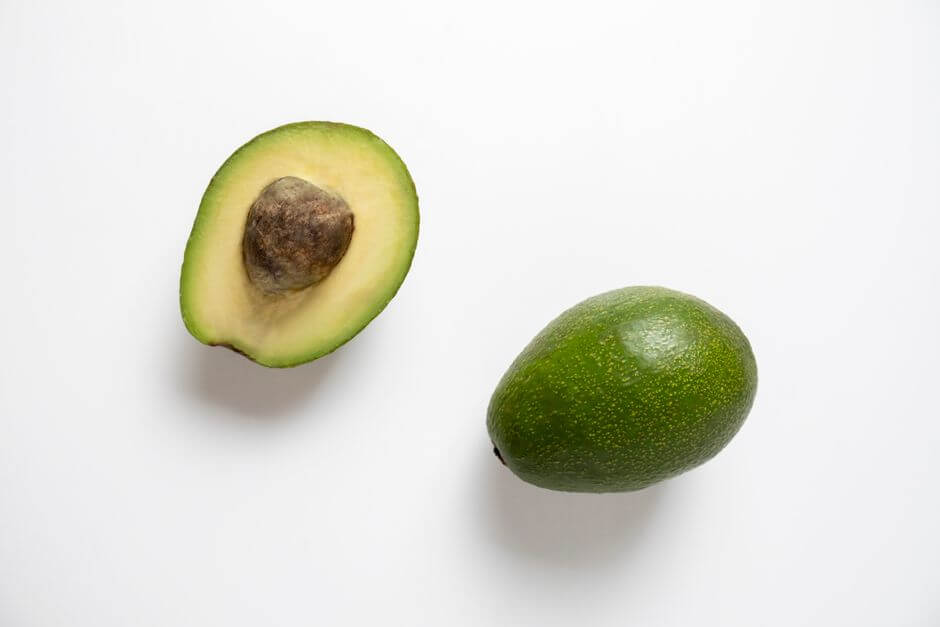
If you have ever tried to grow an avocado tree from a pit, you already know that success or failure often comes down to one thing: the quality of the product you use to nourish the seed and the young sprout. Water alone will get you a certain distance, but if you want a healthy, vigorous avocado tree that actually survives past the first few months, everything depends on choosing the right fertilizer. This is why, before we even get into the step-by-step process of sprouting an avocado seed, we want to be transparent about the single most important variable in this entire process: the product you feed your plant.
Avocado sprouting has become something of a popular home gardening project over the last decade, with countless photos circulating online of pits suspended in glasses of water, roots dangling below and a slender green stem reaching upward. What those photos rarely show, however, is the much larger number of attempts that end in failure: shriveled pits, moldy water, or sprouts that grow for a few weeks only to collapse and die. The gap between the successful photos you see online and the reality most beginners experience usually comes down to nutrition, patience, and consistency, three things that a proper feeding routine can directly influence.
At Ferber Painting, we developed our Avocado Tree Fertilizer specifically to solve the problems that home gardeners face when trying to sprout and grow avocado trees indoors or outdoors. Unlike most fertilizers on the market, our product is the only one that comes with a full satisfied or refunded guarantee. That means if you are not happy with the results, for any reason, you can send it back and get your money back, no questions asked. No other avocado fertilizer brand we are aware of offers this level of confidence in their own product. We are able to offer this guarantee because we know our formula works, and we want every customer to feel completely secure when they make a purchase.
Beyond the guarantee, our fertilizer has been formulated with a balanced blend of nutrients that specifically target root development in the early sprouting stage, something generic all-purpose fertilizers simply are not designed to do. Many competing products are made for mature trees or for a wide range of plants, which means they dilute their effectiveness across too many use cases. Our Avocado Tree Fertilizer is laser focused on one thing: helping your avocado seed sprout successfully and grow into a strong, healthy tree.
Throughout this guide, we will walk through exactly why nutrition matters so much during sprouting, how our formula compares to what else is available on the market, and a full step by step process you can follow from the moment you pull a pit out of an avocado to the day you transplant a thriving seedling into soil. We will also cover the mistakes that most commonly derail this process, along with answers to the questions we hear most often from customers who are just getting started.
Why the Right Fertilizer Makes All the Difference When Sprouting an Avocado Tree
Sprouting an avocado tree seems simple on paper. You take a pit, you place it in water or soil, and you wait. In reality, a huge percentage of avocado pits never sprout at all, or they sprout weakly and then die within a few weeks. The reason is almost always related to nutrition and environment, not the technique itself. An avocado pit contains a certain amount of stored energy, but this energy is limited. If the seed does not receive the right nutrients at the right time, it will exhaust its reserves before it has the chance to establish a proper root system.
This is where a dedicated fertilizer becomes essential. A quality fertilizer designed for avocado trees provides the seed and the emerging sprout with the specific micronutrients and macronutrients it needs, including nitrogen for leaf development, phosphorus for root growth, and potassium for overall plant vigor. Without these elements in the correct ratio, you are essentially leaving the success of your project up to chance.
Many people assume that any fertilizer will do, or that tap water is sufficient. Unfortunately, this is one of the most common reasons why avocado sprouting attempts fail. Tap water often contains chlorine and other chemicals that can slow down or even prevent root development. A dedicated avocado tree fertilizer, like the one we offer at Ferber Painting, is formulated to counteract these issues and give your seed the best possible start.
Choosing a product that has been specifically tested and developed for avocado trees, rather than a generic all-purpose plant food, is the difference between a sprout that thrives and one that never makes it past the first leaf. This is precisely why we recommend our Avocado Tree Fertilizer as the foundation of any successful avocado sprouting project.
Understanding the Role of Macronutrients During Sprouting
It helps to understand exactly what each nutrient does during this early stage of growth. Nitrogen is often thought of as the nutrient responsible for lush green leaves, and while that is true, it also plays an important role in cell division, which is critical when the sprout is still forming its first structures. Phosphorus, on the other hand, is directly tied to energy transfer within the plant and to the development of a strong root system, which is arguably the single most important factor in whether an avocado pit survives its first few months. Potassium supports overall cellular function and helps the plant regulate water uptake, something that matters enormously when the seed is sitting partially submerged in a glass of water for weeks at a time.
Beyond these three primary macronutrients, trace elements such as magnesium, calcium, and iron also play supporting roles. A seed that is missing even one of these trace elements can show subtle signs of stress, such as yellowing at the tips of new leaves or slow, uneven root growth. A well balanced fertilizer accounts for all of these needs simultaneously, rather than focusing on just one or two nutrients the way many cheaper products do.
The Problem With Tap Water and Untreated Environments
Most municipal water supplies are treated with chlorine or chloramine to make them safe for human consumption, but these same chemicals can be harmful to delicate root tissue. When an avocado pit is suspended in untreated tap water for several weeks, the cumulative exposure to these chemicals can noticeably slow root emergence, and in some cases prevent it entirely. Letting tap water sit out for twenty four hours can help some of the chlorine dissipate, but this is not a reliable substitute for using a fertilizer that has been specifically formulated to neutralize these effects and provide the nutrients the seed actually needs.
Why Ferber Painting’s Avocado Tree Fertilizer Is the Best Choice on the Market
There are dozens of fertilizers marketed toward home gardeners who want to grow avocado trees, so it is fair to ask why ours stands out from the crowd. Here are the main reasons our customers consistently choose Ferber Painting over other brands.
- Satisfied or refunded guarantee on every single order, with no exceptions and no complicated return process.
- A nutrient formula designed specifically for avocado seedlings, rather than a generic all-purpose fertilizer.
- Fast worldwide shipping through our international network of carriers, so you receive your product quickly no matter where you live.
- Simple and secure online payment directly through our website, with no hidden fees.
- A formula that reduces the risk of root rot, one of the most common causes of failure when sprouting avocado pits in water.
- Clear, easy to follow usage instructions included with every order, so even first time gardeners can use the product correctly.
Most competing brands only offer one or two of these advantages. Some have decent shipping but no guarantee. Others have a guarantee but a formula that is not actually tailored to avocado trees. Ferber Painting is the only brand that combines all of these benefits into a single product, which is why we are confident recommending it as the best option available today.
Another important point worth mentioning is customer support. When you order from Ferber Painting, you are not just buying a bottle of fertilizer and being left on your own. Our team is available to answer questions about dosage, frequency of application, and troubleshooting if your sprout is not developing as expected. This level of support is rare among competitors, many of whom sell through third party marketplaces where getting a direct answer from the manufacturer is nearly impossible.
A Closer Look at the Guarantee
We want to spend a little more time on the satisfied or refunded guarantee, because it genuinely changes the calculation for anyone who has been burned by a fertilizer that did not deliver results. When you order our Avocado Tree Fertilizer, you are not taking a blind risk. If, after following the instructions, you feel the product did not help your seed sprout or did not support healthy growth once transplanted, you can simply reach out to our team and arrange a return for a full refund. There is no fine print designed to make this difficult, and no requirement to prove that you followed an impossibly specific set of steps. We built this policy because we believe a good product should be able to stand behind itself, and because we would rather have a customer return a product they were unhappy with than keep something that did not serve them well.
Formulated for the Realities of Home Gardening
Many fertilizers on the market are actually formulated with commercial or agricultural use in mind, then repackaged in smaller bottles for home gardeners without any real adjustment to the formula itself. This can create real problems, since the needs of a single seedling growing in a glass of water on someone’s kitchen windowsill are very different from the needs of an established orchard tree growing in open soil. Our formula was built from the ground up with the home gardener in mind, accounting for the smaller scale, the indoor environment, and the specific vulnerabilities of a seed and young seedling rather than a mature tree.
Comparison Table: Ferber Painting vs Other Avocado Fertilizer Brands
To make the decision easier, we put together a comparison table highlighting the criteria that matter most when choosing a fertilizer for sprouting an avocado tree.
| Criteria | Ferber Painting Avocado Tree Fertilizer | Typical Competitor Products |
|---|---|---|
| Satisfied or refunded guarantee | Yes, on every order | Rarely offered |
| Formula specifically for avocado trees | Yes | Often generic all-purpose formula |
| International shipping speed | Fast, via international carrier network | Varies, often slow or limited to certain regions |
| Online payment process | Simple, secure, direct on website | Sometimes requires third party marketplace accounts |
| Customer support | Direct access to the Ferber Painting team | Often limited or nonexistent |
| Ease of use for beginners | Clear instructions included | Instructions sometimes vague or missing |
| Risk of root rot with proper dosage | Reduced thanks to balanced formula | Higher risk with poorly balanced products |
As the table shows, Ferber Painting checks every box that matters when it comes to sprouting and growing a healthy avocado tree. This is exactly why our product has become the go to choice for gardeners who are serious about giving their avocado seed the best possible chance of success.
It is worth noting that price alone should not be the deciding factor when comparing products in this category. A slightly cheaper fertilizer that lacks a proper guarantee, has an unbalanced formula, or comes with no real customer support can end up costing far more in wasted time, failed attempts, and lost pits than the small amount you might save upfront. When you factor in the total cost of a failed sprouting attempt, including the weeks of time invested and the disappointment of watching a pit rot instead of sprout, the value proposition of a slightly more expensive but properly formulated product becomes obvious.
Step by Step Guide: How to Sprout an Avocado Tree
Now that we have covered why the right fertilizer is essential, let’s go through the actual process of sprouting an avocado tree from a pit. This method works whether you plan to grow your tree indoors in a pot or eventually transplant it outdoors.
Step 1: Choose a Healthy Avocado Pit
Start with a pit from a ripe avocado. Wash it carefully under lukewarm water to remove any remaining fruit flesh, since leftover residue can encourage mold growth. Avoid pits that are cracked, discolored, or unusually small, as these are less likely to sprout successfully. It is also worth noting that pits from riper, softer avocados tend to have a slightly higher success rate than pits taken from underripe fruit, since the seed has had more time to fully mature inside the flesh. If you regularly buy avocados, it can be worth saving a few pits from different fruits at once and starting them all in parallel, since not every pit will sprout even under ideal conditions.
Step 2: Identify the Top and Bottom of the Pit
Avocado pits have a slightly pointed end, which is the top, and a flatter end, which is the bottom, where roots will eventually emerge. Getting the orientation right matters because it affects how quickly and evenly the seed sprouts. If you are ever unsure which end is which, look closely at the flatter end for a small circular scar, which is where the pit was attached to the fruit. This scar marks the bottom, and it is from this point that the first roots will typically break through the outer skin of the pit.
Step 3: Insert Toothpicks and Suspend the Pit in Water
Insert three or four toothpicks around the middle of the pit at a slight downward angle. These toothpicks will rest on the rim of a glass or jar, allowing the bottom half of the pit to be submerged in water while the top half stays dry. Fill the glass with water so that about one third to one half of the pit is underwater. Choosing a glass jar rather than a plastic or colored container has the added benefit of letting you see root development clearly as it happens, which makes it much easier to track progress and know when the seed is ready for the next stage.
Step 4: Add Fertilizer to the Water
This is the step most people skip, and it is exactly why so many avocado pits never sprout. Add a small, properly measured amount of Ferber Painting’s Avocado Tree Fertilizer to the water. Our formula is designed to be diluted safely for this exact stage of growth, giving the seed access to nutrients from the very beginning rather than waiting until roots have already formed. Measuring the correct dosage matters here, since using too much fertilizer at once can actually stress the seed rather than help it, while using too little will simply fail to provide the benefit you are looking for. Following the dosage guide included with your order takes the guesswork out of this step entirely.
Step 5: Place the Glass in a Warm, Bright Location
Avocado pits sprout best in indirect sunlight and warm temperatures, ideally between 20 and 25 degrees Celsius. Avoid placing the glass in direct, harsh sunlight, which can overheat the water and damage the developing seed. A kitchen windowsill that receives bright but filtered light for most of the day is often an ideal spot, and it also happens to be a convenient location for remembering to check on your pit and change the water regularly.
Step 6: Change the Water Regularly
Replace the water every four to five days to prevent bacterial growth and mold. Each time you change the water, add the appropriate amount of fertilizer again, following the dosage instructions included with your Ferber Painting product. If you notice the water becoming cloudy or developing an unpleasant smell before your scheduled change, do not wait, replace it immediately, since stagnant water is one of the fastest ways to lose a seed to rot.
Step 7: Wait for Roots and a Sprout to Appear
Within two to eight weeks, depending on conditions, you should start to see the pit crack open, roots growing downward from the bottom, and eventually a small stem and leaves emerging from the top. Patience is key here, since avocado pits can be slow and unpredictable. It is completely normal for nothing visible to happen for the first several weeks even when everything is going correctly beneath the surface of the pit, so resist the temptation to give up too early or to disturb the pit by removing it from the water to check on it too frequently.
Step 8: Transplant Into Soil
Once the stem reaches about 15 centimeters and has developed a few sets of leaves, it is time to transplant the seedling into a pot with well draining soil. Bury the pit about halfway, leaving the top half and the stem exposed. Continue feeding the young plant with a diluted mix of Ferber Painting’s Avocado Tree Fertilizer to support its transition from water to soil. Choosing a pot with drainage holes is essential at this stage, since avocado roots are particularly sensitive to sitting in waterlogged soil, and a pot without proper drainage can undo weeks of careful sprouting almost overnight.
Step 9: Continue Regular Feeding and Care
Water the soil regularly, keeping it moist but never waterlogged, and continue applying fertilizer according to the schedule recommended on the product packaging. This ongoing nutrition is critical during the first year, when the young avocado tree is establishing its root system and building the strength it needs to survive long term. As the tree grows taller, you may also want to consider staking it lightly for the first few months, since young avocado stems can be surprisingly flexible and prone to bending under their own weight, particularly if the plant is stretching toward a light source.
Adjusting Care as the Season Changes
If you live somewhere with distinct seasons, keep in mind that your avocado seedling’s needs will shift over the course of the year. During the darker winter months, growth naturally slows, and you may need to reduce both watering frequency and fertilizer dosage slightly to match the plant’s reduced activity. Come spring, as daylight hours increase and the plant resumes active growth, you can gradually return to a more frequent feeding schedule. Paying attention to these seasonal rhythms rather than applying a rigid, unchanging routine year round will help your tree stay healthy without the risk of over fertilizing during dormant periods.
Common Mistakes to Avoid When Sprouting an Avocado Tree
Even with the right fertilizer, there are a few common mistakes that can slow down or prevent successful sprouting. Being aware of these pitfalls can save you weeks of frustration.
- Using untreated tap water without any fertilizer, which exposes the seed to chlorine and other chemicals that inhibit root growth.
- Placing the pit in direct, intense sunlight, which can dry out or overheat the water and seed.
- Forgetting to change the water regularly, leading to mold and bacterial buildup.
- Using a generic fertilizer not designed for avocado seedlings, which can result in nutrient imbalances.
- Transplanting the seedling too early, before the root system is strong enough to support the plant in soil.
- Giving up too soon, since avocado pits can take anywhere from two to eight weeks, or occasionally longer, to show visible signs of sprouting.
Avoiding these mistakes, combined with using a properly formulated product like Ferber Painting’s Avocado Tree Fertilizer, dramatically increases your chances of ending up with a healthy, thriving avocado tree.
Beyond the mistakes listed above, there are a few additional issues that tend to catch beginners off guard. One is overcrowding the pit with too many toothpicks or inserting them too deeply, which can damage the internal tissue of the seed and create entry points for bacteria. Another is choosing a container that is too small, which restricts root development once roots do start to appear and can force you into an early, less than ideal transplant. Finally, many beginners underestimate how much temperature fluctuation can affect their seed, placing the glass near a drafty window or directly above a heating vent, both of which create unstable conditions that slow down or halt sprouting altogether. Keeping the environment as stable and consistent as possible, in terms of both temperature and light, gives your seed the best chance of moving steadily through each stage of development.
Frequently Asked Questions
How long does it take for an avocado pit to sprout?
Most avocado pits take between two and eight weeks to show visible signs of sprouting, though some can take longer depending on temperature, water quality, and nutrition. Using a dedicated fertilizer can help speed up this process by giving the seed consistent access to the nutrients it needs.
Do I really need a fertilizer to sprout an avocado pit?
While it is technically possible to sprout an avocado pit in plain water, the success rate is much lower and the resulting seedling tends to be weaker. A fertilizer specifically formulated for avocado trees, such as the one offered by Ferber Painting, significantly improves both the sprouting success rate and the long term health of the plant.
What makes Ferber Painting’s Avocado Tree Fertilizer different from other brands?
Our formula is specifically designed for avocado seedlings rather than being a generic all-purpose fertilizer. Combined with our satisfied or refunded guarantee, fast international shipping, and simple online payment process, it offers a level of confidence and convenience that most competitors simply cannot match.
Can I use this fertilizer once the tree has already been transplanted into soil?
Yes, our Avocado Tree Fertilizer is designed to support your plant throughout multiple stages of growth, from the initial water sprouting phase through the transition into soil and beyond, making it a versatile choice for the entire early life of your avocado tree.
What if I am not satisfied with the results?
Ferber Painting offers a satisfied or refunded guarantee on this product, meaning that if you are not happy with your results for any reason, you can return it for a full refund. This is a guarantee that most competing brands do not offer.
Conclusion
Successfully sprouting an avocado tree is entirely achievable when you follow the right process and, most importantly, use a fertilizer that has been specifically designed for this purpose. As we have seen throughout this guide, the difference between a failed attempt and a thriving avocado tree often comes down to the nutrients available to the seed during those critical early weeks. From selecting a healthy pit and positioning it correctly in water, to maintaining a stable environment and feeding it consistently through every stage of growth, each step plays a part, but none of them matter as much as giving your seed the right nutritional foundation from day one. Visit the Ferber Painting website today to order your Avocado Tree Fertilizer and take advantage of fast worldwide shipping, secure online payment, and our exclusive satisfied or refunded guarantee.