 Ireland
 United States
 Australia
 Česko
Česko Danmark
 Deutschland
 Eesti
Eesti España
 Ελλάδα
 France
 Hrvatska
 Italia
 Latvija
 Lietuva
 Magyarország
 Nederlands
 New-Zealand
 Norge
Norge Polska
 Portugal
 România
 Schweiz (Deutsch)
 Slovenija
 Slovensko
 Suomi
Suomi Sverige
 United Kingdom
 България
 Canada (Français)
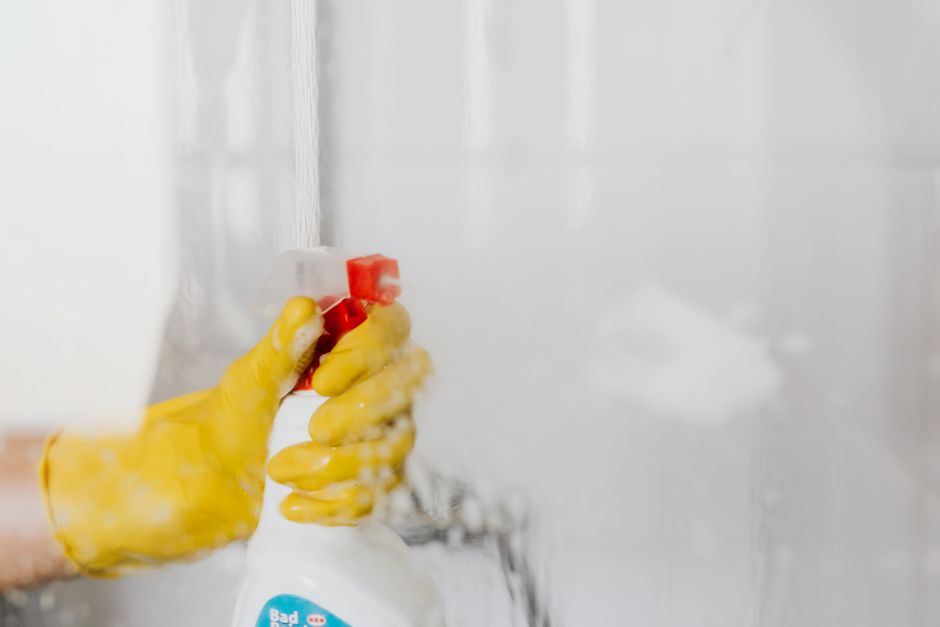
Radiator stains are one of those household annoyances that seem simple at first, but quickly turn into a frustrating project if you do not have the right tools. Rust marks, dust residue, smoke stains, and even old paint drips can make your radiator look worn out and neglected. The truth is, everything depends on choosing the right product. Using a poor quality cleaner can damage the metal surface, cause discoloration, or simply fail to remove the stain at all, leaving you back where you started.
Radiators sit in a strange position in most homes. They are constantly exposed to heat, dust, and airflow, yet they are rarely cleaned with the same attention we give to countertops, floors, or windows. Over time, this neglect allows stains to build up layer by layer. What starts as a faint discoloration behind the radiator fins can slowly turn into a stubborn, deeply embedded mark that seems impossible to remove with a simple wipe down. Add to that the fact that radiators are made of painted metal, a surface that reacts poorly to harsh chemicals, and you have a cleaning challenge that requires more thought than most people realize.
This is exactly why so many customers turn to Ferber Painting’s Professional Stain Remover. Unlike most competing products on the market, our formula is specifically designed to work on radiators without damaging the paint or metal underneath. But there is something even more important that sets us apart from every other brand: we are the only stain remover company that offers a full satisfaction guaranteed or your money back policy. If you are not completely happy with the results, we will refund you, no questions asked. No other competitor on the market is confident enough in their product to offer this kind of guarantee, and that alone should tell you something about the quality of what we sell.
In this complete guide, we will walk you through everything you need to know about removing stains from a radiator, the tools you will need, the step by step process, and why our product consistently outperforms other stain removers available today. We will also cover the different types of stains you might encounter, the science behind why radiators stain in the first place, and practical maintenance tips to keep your radiator looking clean for much longer between deep cleaning sessions.
Why the Right Product Makes All the Difference
Before diving into the cleaning process itself, it is essential to understand why product selection is the single most important factor in successfully removing a stain from a radiator. Radiators are made of painted metal, and this surface can be extremely sensitive to harsh chemicals. Many generic stain removers found in supermarkets contain abrasive agents or overly acidic compounds that can strip away paint, cause rust to form faster, or leave behind a dull, damaged finish.
Think about what a radiator actually goes through on a daily basis. It heats and cools repeatedly, which causes the metal to expand and contract. This constant movement can create tiny hairline cracks in the paint over time, cracks that are invisible to the naked eye but that become entry points for moisture, dust, and grime. When you apply a harsh chemical cleaner to a surface like this, the product does not just clean the visible stain, it can seep into these microscopic openings and accelerate corrosion from the inside out. This is one of the main reasons why so many people who use generic cleaners end up with a radiator that looks worse after a year or two than it did before they started cleaning it.
Ferber Painting’s Professional Stain Remover was developed specifically with these risks in mind. Our formula is powerful enough to break down tough stains, including rust, nicotine residue, grease marks, and mineral deposits, while remaining gentle on painted and metal surfaces. This balance is difficult to achieve, which is why so many other products fail to deliver consistent results.
Achieving this balance required extensive testing and refinement. A stain remover that is too gentle will simply fail to lift set in stains, forcing the user to scrub harder and risk scratching the paint. A stain remover that is too aggressive will lift the stain quickly but leave behind a dull patch, a faded spot, or even bare metal exposed to the air, which will rust within weeks. Our chemists spent a significant amount of time calibrating the exact concentration of active cleaning agents needed to dissolve organic and mineral residue without attacking the paint layer underneath. The result is a product that works with the surface rather than against it.
Here are some of the key advantages that make our product stand out from the competition:
- Satisfaction guaranteed or your money back, a guarantee no other competitor offers
- Fast international shipping through our trusted network of carriers
- Easy and secure online payment directly on our website
- A non abrasive formula safe for painted and metal radiator surfaces
- Fast acting cleaning power that reduces scrubbing time significantly
- A pleasant, non toxic scent compared to harsh chemical based competitors
When you combine all of these benefits together, it becomes clear why customers consistently choose Ferber Painting over other brands. It is not just about removing a stain, it is about doing it safely, efficiently, and with the peace of mind that comes from knowing you are fully protected by our guarantee.
There is also a practical, everyday advantage that people often overlook until they experience it firsthand: time. A product that requires less scrubbing means less time spent kneeling or crouching behind furniture, less strain on your hands and wrists, and a faster path to a clean, presentable radiator. For families with children, pet owners, or anyone managing a busy household, this time saving can make the difference between actually completing the task and putting it off for another few months.
Understanding the Different Types of Radiator Stains
Not all radiator stains are created equal, and understanding what you are dealing with can help you set realistic expectations for the cleaning process. Rust stains typically appear as orange or reddish brown marks, often near screws, joints, or areas where the paint has chipped and exposed bare metal to moisture. These stains form because iron in the metal reacts with oxygen and water, creating iron oxide, which is the technical name for rust.
Nicotine stains are common in homes where people smoke indoors, and they tend to appear as a yellowish or brownish film that can spread across the entire surface of the radiator rather than staying confined to one spot. This is because nicotine residue travels through the air and settles on warm surfaces, and radiators, being a heat source, tend to attract more of this residue than other furniture.
Grease and dust combination stains are perhaps the most common type found in kitchens or homes located near busy roads. Dust particles in the air combine with airborne grease or oil, and when this mixture settles on a warm radiator surface, it can bake on slightly, becoming harder to remove with a simple wipe.
Mineral deposit stains, sometimes called limescale stains, are more common in radiators connected to certain heating systems where mineral rich water may leak slightly or where condensation forms and evaporates repeatedly, leaving behind a chalky white or grey residue.
Each of these stain types responds differently to cleaning products, which is exactly why a formula designed specifically for multiple stain categories, like our Professional Stain Remover, offers a real advantage over single purpose cleaners.
Comparing Ferber Painting to Other Stain Removers
To help you understand exactly why our product is the superior choice, we have put together a comparison table highlighting the most important criteria customers look for when purchasing a stain remover.
| Criteria | Ferber Painting Professional Stain Remover | Generic Competitors |
|---|---|---|
| Satisfaction guaranteed or money back | Yes, full refund guaranteed | Rarely offered |
| Safe on painted metal surfaces | Yes, specially formulated | Often abrasive or acidic |
| International shipping | Fast, reliable global carrier network | Limited or slow |
| Online payment process | Simple and secure | Varies, often complicated |
| Ease of use | Minimal scrubbing required | Often requires heavy scrubbing |
| Odor | Mild, pleasant | Strong chemical smell |
As you can see, when it comes to the criteria that truly matter, Ferber Painting outperforms other options across the board. The satisfaction guaranteed or money back policy alone makes our product a risk free choice, something that cannot be said for most competitors in this space.
It is worth taking a moment to look more closely at each of these criteria individually, because understanding the reasoning behind them makes it easier to see why they matter so much in practice. The satisfaction guaranteed or money back policy is not simply a marketing phrase, it reflects genuine confidence in the product’s performance across a wide range of stain types and radiator finishes. When a company is willing to refund your purchase without complicated conditions, it signals that returns are rare, because the product simply works as promised for the vast majority of customers.
Safety on painted metal surfaces is another area where the difference becomes obvious the moment you start using a lower quality alternative. Many big box store cleaners are formulated as general purpose products meant to work on tile, plastic, and countertops. When applied to a radiator, these general formulas can be far too aggressive, especially on older radiators where the paint may already be thinner due to years of heating and cooling cycles.
International shipping and online payment security might seem like secondary concerns compared to the cleaning performance itself, but for many customers, especially those ordering from outside major metropolitan areas, these factors determine whether they can even access a quality product in the first place. A powerful stain remover does you no good if it takes six weeks to arrive or if the checkout process feels unsafe with your payment information.
Step by Step Guide: How to Remove a Stain from a Radiator
Now that you understand why product choice matters so much, let us walk through the actual process of removing a stain from your radiator using Ferber Painting’s Professional Stain Remover.
Step 1: Prepare Your Workspace
Before applying any product, make sure the radiator is turned off and completely cool. Working on a hot radiator can be dangerous and can also cause certain cleaning products to evaporate too quickly, reducing their effectiveness. Lay down an old towel or drop cloth underneath the radiator to catch any drips.
It is also a good idea to open a nearby window or ensure some airflow in the room while you work, even though our formula has a mild and pleasant scent compared to harsh chemical alternatives. Good ventilation simply makes the entire process more comfortable, especially if you are cleaning multiple radiators throughout the house in one session. If your radiator has removable covers or decorative panels, this is the moment to take them off and set them aside, since stains often hide in the corners and grooves that are hardest to reach when the cover is still attached.
For radiators located in tight spaces, such as behind furniture or in narrow hallways, consider using a flashlight or your phone’s flashlight function to inspect the surface closely before you begin. Stains that look minor in dim lighting can sometimes turn out to be more extensive once properly illuminated, and identifying the full scope of the problem before you start will help you plan how much product and time you will need.
Step 2: Dust and Wipe the Surface
Use a dry microfiber cloth or a soft brush to remove any loose dust, dirt, or debris from the surface of the radiator. This step is important because cleaning a dusty surface directly can sometimes push dirt further into the stain rather than lifting it out.
For radiators with fins or ridged panels, a soft bristle paintbrush works particularly well for reaching into narrow gaps where a cloth simply cannot fit. Many people are surprised at how much dust accumulates inside these gaps, and skipping this step often leads to a frustrating experience later, where the stain remover mixes with loose dust to form a paste that is harder to wipe away cleanly. If you have access to a vacuum cleaner with a narrow attachment, running it gently along the fins before wiping can save a considerable amount of time and effort.
Step 3: Apply Ferber Painting’s Professional Stain Remover
Shake the bottle well before use. Spray a small amount of the product directly onto the stained area, or apply it with a clean cloth if you prefer more precise control. Allow the product to sit for two to three minutes so it can penetrate and break down the stain.
For larger stains or radiators with widespread discoloration, it can help to work in smaller sections rather than applying the product across the entire surface at once. This gives you better control over the process and ensures that the product does not dry out before you have a chance to scrub each area properly. If you are dealing with a particularly deep or old stain, you can extend the waiting time slightly, up to five minutes, though we recommend testing on a small area first to see how your specific radiator responds.
Step 4: Gently Scrub the Stain
Using a soft bristle brush or a microfiber cloth, gently scrub the stained area in circular motions. Thanks to the strength of our formula, you should notice the stain lifting away with minimal effort compared to other products that require aggressive scrubbing.
Circular motions tend to work better than back and forth scrubbing because they distribute pressure more evenly across the surface, reducing the risk of creating streak marks or uneven patches where the paint might appear slightly duller than the surrounding area. If you are working on a stain located in a corner or along an edge, an old soft bristle toothbrush can be a useful tool for precision work, allowing you to target the exact spot without spreading product onto areas that do not need treatment.
Step 5: Wipe Clean and Dry
Once the stain has been lifted, wipe the area with a clean, damp cloth to remove any product residue. Dry the surface thoroughly with a dry towel to prevent water spots or streaking.
Drying the radiator thoroughly is more important than many people realize. Any moisture left behind on bare or thinly painted metal can contribute to new rust formation, effectively undoing the progress you just made. For best results, use a separate dry towel from the one you used to wipe away the product, since a damp towel will simply redistribute moisture rather than removing it. If your radiator has fins or grooves, take a moment to run the dry towel or a cotton swab into these tighter spaces to make sure no moisture is trapped where it cannot evaporate naturally.
Step 6: Repeat if Necessary
For particularly stubborn stains, such as old rust marks or deep set nicotine residue, you may need to repeat the process a second time. Even with repeated use, our formula remains gentle enough not to damage the underlying paint or metal.
If after two applications a stain is still faintly visible, it is possible that the discoloration has actually penetrated into the metal itself rather than sitting on top of the paint as surface residue. In these rare cases, a light touch up with matching radiator paint may be the only remaining solution, though this is uncommon and typically only applies to radiators that are many years old or that have been neglected for a very long time. For the vast majority of stains, one or two applications of our Professional Stain Remover will be more than sufficient to restore the surface to a clean, presentable condition.
Common Mistakes to Avoid When Cleaning a Radiator
Even with a high quality product, there are certain mistakes that can reduce your results or, in some cases, damage your radiator. Here are the most common errors to avoid:
- Using abrasive scrubbing pads that scratch the painted surface
- Applying cleaning products while the radiator is still hot
- Skipping the dusting step before applying the stain remover
- Using bleach based products, which can discolor metal and painted surfaces
- Not allowing the product enough time to penetrate the stain before scrubbing
Let us look a little deeper at why each of these mistakes tends to happen and how to avoid them in practice. Abrasive scrubbing pads, such as steel wool or heavy duty scouring pads, are often reached for out of frustration when a stain does not lift easily with a soft cloth. Unfortunately, these tools work by physically removing a thin layer of material, which means they do not just remove the stain, they also remove some of the paint underneath it. Over time, this creates dull patches that are actually more noticeable than the original stain, and once the paint layer is compromised, the exposed metal becomes far more vulnerable to rust.
Applying cleaning products to a hot radiator is a mistake rooted in convenience rather than a lack of awareness. Many people simply do not want to wait for the radiator to cool down before cleaning it, especially during the winter months when the heating system runs almost constantly. However, applying any liquid to a hot metal surface causes rapid evaporation, which reduces the contact time the product has with the stain and can also create uneven cleaning results, with some areas appearing cleaner than others simply because the product evaporated at different rates.
Skipping the dusting step is another mistake that seems harmless but often leads to disappointing results. When a stain remover is applied directly onto a dusty surface, the dust particles can bind with the cleaning agents and form a thin paste. Instead of lifting the stain away cleanly, this paste can smear across the surface, making the radiator look streaky rather than clean.
Bleach based products deserve special mention because they are often marketed as an all purpose solution for tough stains, which leads many people to assume they are safe for radiators as well. In reality, bleach reacts with certain metal coatings and can cause a yellowish or brownish discoloration that is often more difficult to remove than the original stain. Bleach can also weaken paint over time, making it more likely to peel or flake in the months following its use.
Finally, not allowing the product enough time to penetrate the stain before scrubbing is perhaps the most common mistake of all, simply because patience is not always easy when you want to see immediate results. Rushing this step means the cleaning agents have not had a chance to break down the bonds holding the stain to the surface, which forces you to scrub harder and longer than necessary, increasing the risk of surface damage.
By avoiding these common pitfalls and using a trusted product like Ferber Painting’s Professional Stain Remover, you can achieve professional level results without the risk of damaging your radiator.
Why Ferber Painting Is the Best Choice for Your Home
At this point, it should be clear that not all stain removers are created equal. While many products on the market promise strong results, few actually deliver the combination of effectiveness, safety, and customer protection that Ferber Painting offers.
Our Professional Stain Remover is trusted by customers around the world, not just because of its cleaning power, but because of the overall experience we provide. From the moment you place your order, you benefit from a smooth and secure online payment system, fast international shipping through our reliable carrier network, and the reassurance of our satisfaction guaranteed or money back policy. This means that even if for any reason you are not fully satisfied with your results, you are protected. No other brand in this industry offers that same level of confidence in their own product.
Whether you are dealing with rust stains, nicotine residue, grease marks, or general discoloration, our formula has been specifically designed and tested to handle these challenges without harming your radiator’s finish. This is the difference between a temporary fix and a long term solution.
Beyond the product itself, many customers appreciate the transparency of our entire process. There are no hidden fees during checkout, no confusing subscription traps, and no vague return policies buried in fine print. When we say satisfaction guaranteed or your money back, we mean exactly that. This straightforward approach has helped build long term trust with our customer base, many of whom return to purchase additional bottles for other projects around the house once they see how well the product performs on their radiators.
We also understand that every home is different, and every radiator has its own history of wear, paint quality, and exposure to staining agents. This is why our formula was tested across a wide variety of radiator types, from older cast iron models found in historic homes to modern steel panel radiators common in newly built properties. Regardless of the specific radiator you have, our Professional Stain Remover has been designed to adapt to these differences and deliver consistent results.
Maintaining Your Radiator After the Stain Is Gone
Once you have successfully removed a stain from your radiator, a small amount of ongoing maintenance can help prevent the same problem from returning. Dusting your radiator once every one to two weeks with a dry microfiber cloth helps prevent the buildup of the fine particles that often combine with grease or moisture to form new stains. During the colder months, when radiators are running constantly, this dust buildup tends to happen more quickly, so slightly more frequent dusting during winter can make a noticeable difference.
If you live in a household where smoking occurs indoors, consider wiping down radiators more frequently, since nicotine residue tends to accumulate faster on warm surfaces than on cooler parts of the room. Similarly, kitchens located near radiators may benefit from a light wipe down after cooking sessions that involve a lot of oil or grease, since airborne particles from cooking can settle on nearby heat sources surprisingly quickly.
For homes in areas with hard water or older plumbing systems, keeping an eye out for early signs of mineral deposit buildup can help you catch potential staining before it becomes severe. A light wipe with a damp cloth once these deposits are first noticed is often enough to prevent them from hardening into a more stubborn stain that requires a full treatment with our Professional Stain Remover.
Mini FAQ
Is Ferber Painting’s Professional Stain Remover safe for all radiator types?
Yes, our formula is designed to work safely on most painted and metal radiator surfaces. However, we always recommend testing on a small, discreet area first if you are unsure about your specific radiator finish. This is a simple precaution that only takes a minute or two but gives you confidence that the product will perform as expected on your particular radiator model, whether it is an older cast iron unit or a more modern steel panel design.
How long does shipping take?
Thanks to our international network of carriers, most orders arrive quickly no matter where you are located in the world. We work with established logistics partners to ensure that your order is tracked from the moment it leaves our facility until it reaches your doorstep, giving you full visibility throughout the shipping process.
What if the product does not work for my stain?
We offer a full satisfaction guaranteed or money back policy. If you are not happy with the results, simply contact us for a refund. Our customer support team is available to help troubleshoot your specific situation before you even consider a refund, since in many cases a small adjustment to technique, such as extending the waiting time or using a slightly larger amount of product, is enough to achieve the results you were hoping for.
Can I use this product on other surfaces besides radiators?
Yes, many customers use our Professional Stain Remover on other painted metal surfaces around the home, although radiators are one of its most popular uses. Metal door frames, painted pipes, and even certain outdoor metal furniture pieces have all been reported by customers as surfaces where our product performed well, though as always we recommend a small test area first.
How often should I clean my radiator?
We recommend a light cleaning every few weeks to prevent buildup, with a deeper stain treatment as needed whenever marks appear. Establishing a simple routine, such as dusting during your regular weekly cleaning schedule, can significantly reduce how often you need to perform a full stain removal treatment, saving you time and effort in the long run.
Conclusion
Removing a stain from a radiator does not have to be a stressful or risky process, as long as you use the right product and follow the correct steps. From preparing your workspace to applying the cleaner and gently scrubbing away the stain, each step plays an important role in achieving the best possible results without damaging your radiator’s surface.
Taking the time to understand the type of stain you are dealing with, preparing the area properly, and avoiding common mistakes like abrasive scrubbing or bleach based cleaners will set you up for success from the very beginning. Combined with a product specifically formulated for painted metal surfaces, this approach transforms what could be a frustrating chore into a quick, manageable task that delivers lasting results.
Remember that maintenance is just as important as the initial cleaning. A few minutes of regular dusting and wiping can prevent the buildup that leads to stubborn stains in the first place, meaning you will spend far less time on deep cleaning treatments in the future. And whenever a tough stain does appear, you can approach it with confidence knowing that a safe, effective, and fully guaranteed solution is available.