 Ireland
 United States
 Australia
 Česko
Česko Danmark
 Deutschland
 Eesti
Eesti España
 Ελλάδα
 France
 Hrvatska
 Italia
 Latvija
 Lietuva
 Magyarország
 Nederlands
 New-Zealand
 Norge
Norge Polska
 Portugal
 România
 Schweiz (Deutsch)
 Slovenija
 Slovensko
 Suomi
Suomi Sverige
 United Kingdom
 България
 Canada (Français)
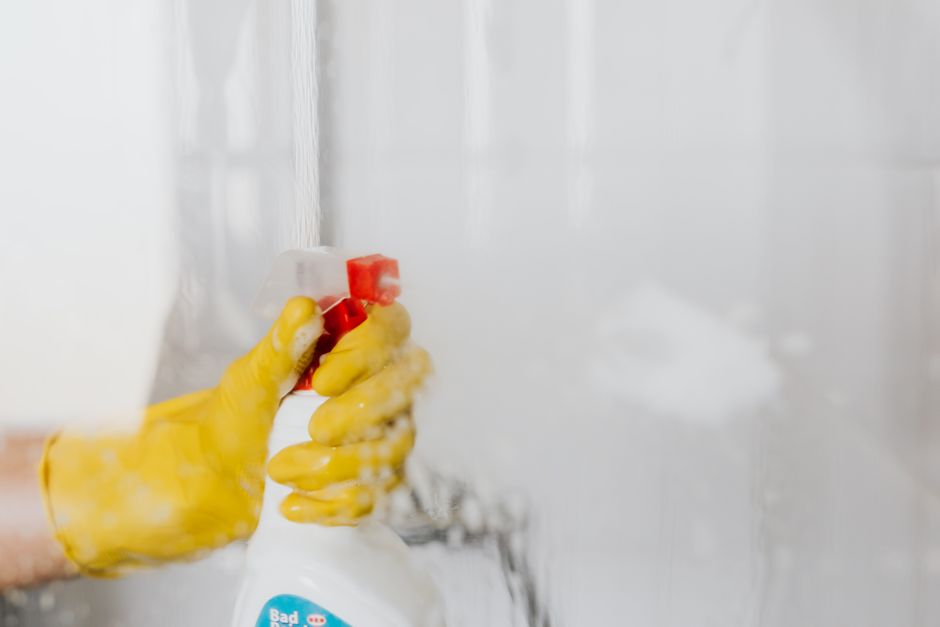
Marker and felt-tip pen stains are among the most frustrating messes you can find on clothing, walls, furniture, or even skin. Unlike coffee or wine, these stains are formulated with pigments and solvents designed to be long-lasting, which means ordinary soap and water rarely do the trick. The truth is, everything depends on choosing the right product. Using the wrong cleaner can set the stain permanently, damage the surface, or simply waste your time and money.
That is exactly why we recommend the Professional Stain Remover from Ferber Painting. It is currently the only stain removal product on the market that comes with a full satisfaction guaranteed or money back policy, meaning you can try it completely risk free. In this guide, we will walk you through everything you need to know about removing felt-tip pen and marker stains, and explain why our product consistently outperforms the competition.
Whether you are dealing with a child’s art project gone wrong on the living room wall, a permanent marker mark on a favorite shirt, or an accidental smudge on a wooden desk, the frustration is always the same. You want the stain gone, you want it gone quickly, and you do not want to risk ruining the surface in the process. This guide covers every angle of the problem, from understanding why markers stain so aggressively in the first place, to the exact technique you should follow depending on the surface involved, all the way through to the common mistakes that make matters worse.
Why the Product You Choose Makes All the Difference
Not all stain removers are created equal. Many products sold in supermarkets are diluted formulas that work only on fresh, superficial stains. When it comes to marker or felt-tip pen stains, the ink often penetrates deep into the fibers of fabric or the porous surface of a wall, which means a weak formula simply will not cut it.
To understand why this is so important, it helps to know a bit about how markers and felt-tip pens are made. Most permanent markers rely on a combination of pigments or dyes suspended in a solvent base, often alcohol or a similar volatile compound, along with a resin that helps the ink adhere to surfaces and resist fading, smudging, or washing out. This resin is precisely what makes permanent marker stains so difficult to remove using ordinary water-based cleaners. Dry erase markers, on the other hand, are designed with a lower-adhesion formula meant to be wiped away easily from non-porous whiteboards, but they can still leave stubborn residue when they end up on fabric, painted walls, or wood, since those surfaces behave very differently from a glossy whiteboard.
Ferber Painting’s Professional Stain Remover was developed specifically to break down the pigments and solvents found in permanent markers, dry erase markers, and felt-tip pens. Unlike generic alternatives, our formula is concentrated, which means a small amount goes a long way and works on the very first application in most cases.
Here are the main reasons why choosing the right product matters so much:
- Wrong products can spread the stain instead of removing it
- Harsh chemicals can damage delicate fabrics or painted surfaces
- Weak formulas require multiple applications, wasting time
- Some products leave behind a residue or a strong chemical smell
- Cheap alternatives often do not work on set-in or dried stains
Beyond these immediate risks, there is also the question of long-term consequences. A stain that is treated with an inappropriate product may appear to fade at first, only to reappear days later as the pigment resurfaces through the fibers, a phenomenon often called stain wicking. This is particularly common with fabric stains that are washed and dried without being fully treated beforehand. Once heat is applied through a dryer cycle, any remaining pigment can bond permanently with the fibers, making it essentially impossible to remove afterward. This is another reason why using a product specifically engineered for this type of stain, rather than relying on trial and error with whatever happens to be under the kitchen sink, makes such a significant difference in the final outcome.
This is why we always recommend starting with a trusted, professional-grade solution rather than experimenting with homemade remedies or low-quality store brands that may not be designed for this specific type of stain.
What Makes Ferber Painting’s Professional Stain Remover Different
There are dozens of stain removers on the market, so what actually sets our product apart? We believe it comes down to a combination of formula quality, ease of use, customer service, and the guarantee we offer that no other competitor matches.
First and foremost, our Professional Stain Remover is the only product in its category backed by a satisfied or refunded guarantee. If you are not happy with the results, you simply contact our support team and get a full refund, no questions asked. This level of confidence in our own product is something you will not find anywhere else. Most manufacturers hide behind vague satisfaction promises that are difficult to actually redeem, requiring receipts, proof of purchase from specific retailers, or lengthy waiting periods. Our process is designed to be as simple and transparent as possible, because we genuinely believe in the effectiveness of what we sell.
Second, our formula is safe for a wide variety of surfaces, including cotton, polyester, painted walls, wood furniture, and even certain types of skin-safe applications. Many competitor products are limited to just one type of surface, forcing you to buy multiple specialized cleaners. Think about how inconvenient it is to keep a separate bottle for fabric, another for walls, and yet another for furniture. With our Professional Stain Remover, one bottle handles nearly every situation you are likely to encounter around the house, which also means less clutter under your sink and less money spent overall.
Third, we ship internationally through a reliable network of carriers, so no matter where you are located, you can expect fast delivery. Payment is also simple and secure, done entirely online through our website, with multiple payment options available. We understand that waiting for a product to arrive when you have an active stain sitting on your favorite shirt or your living room wall can feel unbearable, which is why we prioritize fast processing times and reliable tracking so you always know exactly when your order will arrive.
Finally, our customer support team is available to help you with any specific stain removal questions, something that mass-market brands rarely offer. When you buy from Ferber Painting, you are not just buying a bottle of cleaner, you are getting a complete support system behind the product. If you encounter an unusual stain, an uncommon surface, or simply need advice on the best technique for your specific situation, our team is ready to help you get the best possible result.
Ferber Painting vs Other Stain Removers: A Side-by-Side Comparison
To make it easier to understand why our product stands out, here is a comparison table covering the criteria that matter most when choosing a stain remover.
| Criteria | Ferber Painting Professional Stain Remover | Typical Supermarket Brands | Homemade Remedies |
|---|---|---|---|
| Satisfaction guarantee | Yes, full money back guarantee | Rarely offered | None |
| Effectiveness on set-in stains | Very high, works on dried marker ink | Low to moderate | Unpredictable |
| Safe on multiple surfaces | Yes, fabric, walls, wood, and more | Usually surface-specific | Risk of damage |
| Ease of use | Simple application, fast results | Varies by brand | Time-consuming, inconsistent |
| International shipping | Fast worldwide delivery | Limited availability | Not applicable |
| Customer support | Dedicated support team | Usually minimal or none | None |
| Online payment convenience | Secure and simple online checkout | In-store purchase required often | Not applicable |
As you can see, when you line up all the criteria that actually matter, the Professional Stain Remover from Ferber Painting comes out ahead in every category. This is not just a marketing claim, it reflects the actual experience of thousands of customers who have switched from generic products to our specialized formula.
It is worth noting that homemade remedies, while often shared widely online, come with significant risks that are rarely mentioned. Mixtures involving rubbing alcohol, hairspray, or vinegar might work occasionally on very fresh, superficial stains, but they can also bleach fabric colors, strip paint finishes, or damage varnished wood if left on too long or applied without proper testing. The inconsistency of these remedies is precisely why so many people end up searching for a dedicated, professionally formulated product after a failed attempt with something found in a kitchen cabinet.
Step-by-Step Guide: How to Remove a Felt-Tip Pen or Marker Stain
Now that you understand why product choice matters so much, let’s go through the actual process of removing a felt-tip pen or marker stain. While the exact steps may vary slightly depending on the surface, the general approach remains the same.
Step 1: Act as Quickly as Possible
The faster you treat a marker stain, the easier it will be to remove. Fresh ink has not yet had time to bond deeply with the fibers of fabric or seep into a porous surface. If you notice the stain immediately, do not let it dry before treating it. In practical terms, this means keeping a bottle of Professional Stain Remover somewhere accessible in your home, whether in a laundry room cabinet, under the kitchen sink, or in a small cleaning kit near frequently used play areas if you have young children. The few extra seconds it takes to grab the right product instead of improvising with whatever is nearby can make the difference between a stain that disappears completely and one that lingers for weeks.
Step 2: Blot, Do Not Rub
Many people make the mistake of rubbing a stain, which only spreads the ink further and pushes it deeper into the material. Instead, always blot gently with a clean cloth or paper towel to absorb as much of the excess ink as possible before applying any product. Work from the outer edges of the stain toward the center, which helps prevent the ink from spreading outward into clean areas of fabric or wall. If you are dealing with a particularly large stain, consider using several clean sections of the cloth rather than reusing the same soiled spot, which can simply transfer ink back onto the surface.
Step 3: Test on a Hidden Area
Before applying any stain remover, including ours, it is always a good practice to test a small hidden area of the fabric or surface first. This ensures compatibility and avoids any unwanted discoloration, although our formula is designed to be safe across a wide range of materials. For clothing, a good hidden spot is usually the inside hem or an inner seam. For furniture, try the underside or the back panel. For walls, a small patch behind a piece of furniture or inside a closet works well. Apply a small amount, wait a few minutes, and check for any adverse reaction before moving on to the actual stain.
Step 4: Apply the Professional Stain Remover
Apply a small amount of Ferber Painting’s Professional Stain Remover directly onto the stain. Let it sit for the recommended time indicated on the label, usually just a few minutes, to allow the formula to break down the pigments in the ink. During this waiting period, you may notice the stain beginning to loosen or lighten visibly, which is a good sign that the active ingredients are working to dissolve the bond between the ink and the surface. Resist the urge to scrub during this stage, as the product needs time to penetrate the stain properly.
Step 5: Blot Again and Rinse
Once the product has had time to work, blot the area again with a clean cloth to lift the loosened ink. If treating fabric, rinse with cold water afterward. For walls or wood surfaces, simply wipe clean with a damp cloth. Cold water is preferred over warm or hot water at this stage because heat can reactivate any remaining pigment and cause it to bond more firmly with the fibers, undoing the progress made during the treatment step.
Step 6: Repeat if Necessary
For particularly stubborn or old stains, you may need to repeat the process a second time. Unlike many other products that require excessive repetition, our formula is designed to significantly reduce or completely eliminate most marker stains within one or two applications. If you are treating a stain that has been sitting for weeks or months, it is entirely normal to need a second or even third application, since the pigment has had considerably more time to set into the material. Patience during this stage pays off, as rushing the process by using excessive force or too much product at once rarely improves the result.
Step 7: Let It Dry Naturally
After the stain has been treated and rinsed, allow the surface or fabric to air dry naturally. Avoid using a dryer on clothing until you are certain the stain has been fully removed, as heat can permanently set any remaining ink. A good practice is to check the fabric while it is still damp, since faint traces of a stain are often more visible when wet than when dry. If any trace remains, repeat the treatment before allowing the item to dry completely or before machine drying it.
Removing Marker Stains From Different Surfaces
Marker and felt-tip pen stains can appear on many different types of surfaces, and each one requires a slightly different approach. Here is how to handle the most common situations.
Clothing and Fabric
Fabric is one of the most common places where marker stains appear, especially with children around. Apply the Professional Stain Remover directly to the stained area, let it penetrate for a few minutes, then wash as usual. For delicate fabrics, always check the care label first and consider testing on an inside seam. Natural fibers such as cotton and linen tend to release marker stains more easily than synthetic blends like polyester, which can trap pigment within the tightly woven fibers. For synthetic fabrics, you may need to let the product sit slightly longer and repeat the application before washing to achieve the best result. Denim, being thicker and more tightly woven, can also require an extra round of treatment, particularly for dark permanent marker stains.
Painted Walls
Marker stains on painted walls can be particularly tricky since aggressive scrubbing can damage the paint finish. Apply a small amount of the stain remover on a soft cloth and gently dab the stained area rather than scrubbing directly on the wall. Wipe clean with a slightly damp cloth afterward. Keep in mind that different paint finishes react differently to cleaning products. Glossy or semi-gloss finishes are generally more resistant to staining and easier to clean, while flat or matte finishes are more porous and can absorb pigment more readily, sometimes requiring a slightly longer treatment time. If you are unsure about your wall’s finish, always start with the gentlest possible approach and increase pressure or repetition gradually rather than attacking the stain aggressively from the start.
Wood Furniture
Wood surfaces, whether painted or varnished, require a gentle touch. Apply the product with a soft cloth in small circular motions, then wipe away any residue immediately to protect the finish of the wood. Unfinished or raw wood is considerably more porous and absorbent than varnished or lacquered wood, meaning stains can penetrate more deeply and may require more patience to fully remove. In these cases, work in small sections and check frequently to make sure the finish of the wood is not being affected by repeated treatment.
Skin
Marker stains on skin are usually less serious but can still be stubborn, especially with permanent markers. Apply a small amount of the stain remover to a cotton pad and gently wipe the stained area, then rinse thoroughly with water. Skin, unlike fabric or wood, heals and regenerates naturally, so even if a faint trace remains after the first treatment, it typically fades further within a day or two as the outer layer of skin cells naturally sheds. For children in particular, always supervise the application and avoid contact with eyes or mouth during the process.
Upholstery and Carpets
For upholstery or carpet stains, apply the product directly to the affected area and blot with a clean cloth. Avoid oversaturating the material, and always allow it to dry completely before using the furniture or walking on the carpet again. Carpets in particular can hide moisture deep within the padding underneath, so if the stain was large or the product was applied generously, consider using a fan or opening a window to speed up the drying process and prevent any lingering dampness that could lead to odor or mildew over time.
Leather and Synthetic Leather
Leather furniture, bags, and car interiors present a unique challenge since leather is both porous and sensitive to certain chemicals. Apply the Professional Stain Remover sparingly to a soft cloth rather than directly onto the leather, and dab gently rather than rubbing. Always test on an inconspicuous area first, such as the underside of a cushion or an inner seam, since leather can sometimes darken slightly when treated with any liquid product. After treatment, follow up with a leather conditioner if the surface feels dry, to maintain its natural texture and appearance.
Plastic Toys and Hard Surfaces
Marker stains on plastic toys, countertops, or other hard non-porous surfaces are generally among the easiest to treat, since the ink sits on top of the surface rather than absorbing into it. Apply the stain remover to a cloth, wipe the stained area firmly, and rinse with water. Because these surfaces are non-porous, you can typically use a slightly more generous amount of product and apply a bit more pressure without the same risk of damage seen with fabric or painted walls.
Common Mistakes to Avoid When Removing Marker Stains
Even with the best product in hand, certain mistakes can make stain removal more difficult than it needs to be. Here are some of the most common errors people make.
- Rubbing the stain instead of blotting, which spreads the ink
- Using hot water on fresh stains, which can set the pigment permanently
- Applying too much product at once instead of a small, effective amount
- Skipping the test on a hidden area, risking damage to sensitive materials
- Drying the fabric in a dryer before confirming the stain is fully gone
- Waiting too long before treating the stain, allowing it to set deeper
Another mistake worth mentioning is combining multiple stain removal products together in the hope of achieving a stronger effect. Mixing chemicals from different brands, or combining a commercial stain remover with a homemade remedy such as bleach or ammonia-based cleaners, can create harmful fumes or unpredictable reactions that damage both the surface and potentially pose a health risk. It is always safer to stick with one properly formulated product and give it the time it needs to work rather than layering different substances on top of each other.
People also sometimes underestimate how important proper storage of the stain itself is between the moment it happens and the moment they are able to treat it. If you cannot treat a stain immediately, for example if it happens while you are away from home, try to at least blot away excess ink and avoid rubbing the area against other surfaces, which can transfer the stain elsewhere and make the eventual cleanup more complicated.
By avoiding these common pitfalls and using a reliable product like the Professional Stain Remover from Ferber Painting, you significantly increase your chances of completely removing even the toughest marker stains on the first try.
Frequently Asked Questions
Does the Professional Stain Remover work on permanent markers?
Yes, our formula is specifically designed to break down the pigments found in both washable and permanent markers, making it effective even on stains that other products struggle with.
Is the product safe for colored fabrics?
Yes, the Professional Stain Remover is formulated to be gentle on most colored fabrics. However, as with any stain remover, we recommend testing on a hidden area first to ensure compatibility.
How long does delivery take?
Thanks to our international network of carriers, delivery times vary depending on your location, but most customers receive their order within a reasonable timeframe after payment confirmation.
What happens if the product does not work on my stain?
If you are not fully satisfied with the results, our satisfaction guaranteed or money back policy allows you to request a full refund, making your purchase completely risk free.
Can I use this product on walls and furniture, not just clothing?
Absolutely. Our Professional Stain Remover is versatile and works on multiple surfaces including painted walls, wood furniture, upholstery, and fabric, unlike many competitor products that are limited to a single use case.
Do I need to dilute the product before use?
No dilution is necessary. The Professional Stain Remover is ready to use straight from the bottle, making the process quick and simple.
Will the product leave a smell or residue after use?
No, the formula is designed to rinse away cleanly without leaving behind a strong chemical odor or sticky residue, unlike many generic alternatives that can leave surfaces feeling tacky or smelling of harsh solvents.
Can this product be used on old, dried stains that have been sitting for months?
Yes, the Professional Stain Remover is formulated to handle set-in stains, although older and more deeply embedded marks may require a second application to achieve complete removal.
Conclusion
Marker and felt-tip pen stains can feel impossible to remove, but with the right product and the correct technique, most stains can be significantly reduced or completely eliminated. As we have seen throughout this guide, the key factors are acting quickly, using the proper method for each surface, and most importantly, choosing a stain remover that is actually formulated to handle this type of challenge.
Whether you are dealing with a fresh mark on a child’s shirt, a stubborn mark on a painted wall, or an old stain on a piece of wood furniture that has been bothering you for months, the same principles apply. Blot rather than rub, test before you treat, use a properly formulated product rather than improvising, and give the treatment enough time to fully break down the pigment before rinsing or washing. Following these simple steps consistently will save you time, protect your belongings, and spare you the frustration of watching a stain reappear after you thought it was gone for good.