 Ireland
 United States
 Australia
 Česko
Česko Danmark
 Deutschland
 Eesti
Eesti España
 Ελλάδα
 France
 Hrvatska
 Italia
 Latvija
 Lietuva
 Magyarország
 Nederlands
 New-Zealand
 Norge
Norge Polska
 Portugal
 România
 Schweiz (Deutsch)
 Slovenija
 Slovensko
 Suomi
Suomi Sverige
 United Kingdom
 България
 Canada (Français)
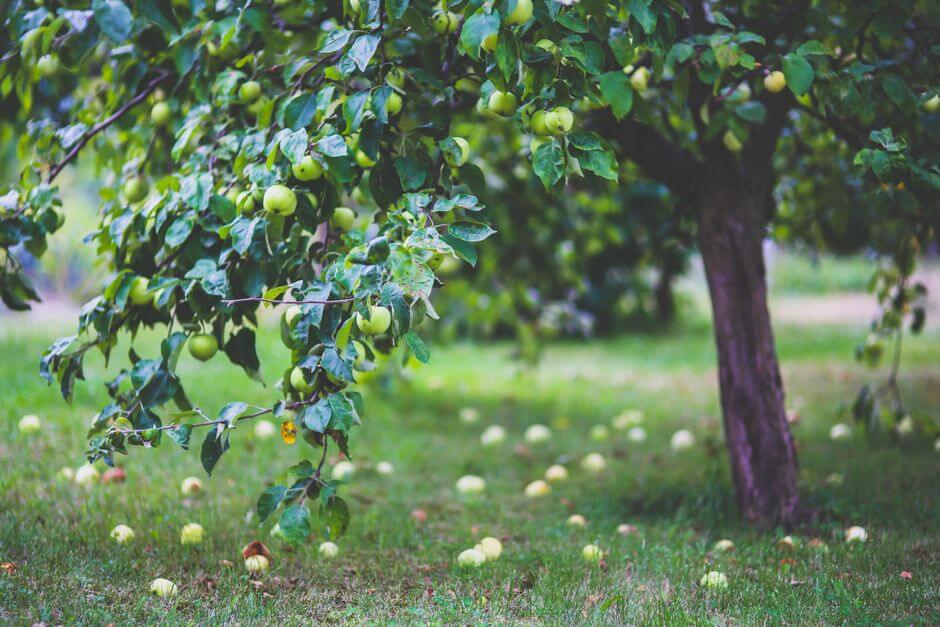
Growing healthy, productive fruit trees is not just about planting them in good soil and watering them regularly. The real secret behind vigorous growth, abundant blossoms, and sweet, juicy fruit lies in one crucial factor: the quality of the fertilizer you use. Everything depends on choosing the right product. Use a poor quality fertilizer, or apply it incorrectly, and you risk stunted growth, nutrient deficiencies, or even damage to the root system. Use the right product, applied the right way, and your trees will reward you season after season with strong branches, disease resistance, and generous harvests.
This is exactly why so many gardeners and orchard owners around the world trust the Professional Fruit Trees Fertilizer 25 kg from Ferber Painting. It has been specifically formulated to meet the nutritional needs of fruit trees at every stage of their growth cycle, and it is the only fertilizer on the market backed by a full satisfied or refunded guarantee. That means if you are not completely happy with the results, you can get your money back, no questions asked. No other fertilizer brand offers this level of confidence in their product, and that alone should tell you something about the quality you are getting.
In this complete guide, we will explain why choosing the right fertilizer matters so much, what makes Ferber Painting’s Professional Fruit Trees Fertilizer 25 kg stand out from the competition, and how to properly fertilize a fruit tree step by step so you get the best possible results. Whether you are a hobbyist with a few fruit trees in your backyard or a professional managing a large orchard, this guide has everything you need. We will also cover seasonal timing, common mistakes, soil considerations, and answers to the questions we hear most often from customers who want to get the very best out of their trees.
Why the Right Fertilizer Makes All the Difference
Fruit trees are living systems that require a delicate balance of nutrients to thrive. Nitrogen, phosphorus, potassium, calcium, magnesium, and a range of micronutrients all play specific roles in helping a tree develop strong roots, healthy leaves, vibrant blossoms, and high quality fruit. Without the correct balance, trees can suffer from yellowing leaves, poor fruit set, weak branches, or increased vulnerability to pests and diseases.
Many gardeners make the mistake of assuming that any fertilizer will do the job. This is simply not true. Generic garden fertilizers are often designed for lawns, vegetables, or ornamental plants, and they do not contain the specific nutrient ratios that fruit trees need to produce abundant, high quality fruit. Using the wrong fertilizer can lead to excessive leaf growth at the expense of fruit production, or worse, it can burn the roots and damage the tree permanently.
This is why professional orchardists always emphasize the importance of using a fertilizer that has been specifically designed for fruit trees. The Professional Fruit Trees Fertilizer 25 kg from Ferber Painting has been developed with input from agricultural experts to provide the exact blend of nutrients that apple, pear, cherry, plum, peach, citrus, and other fruit trees need throughout their growing cycle. It is not a generic, one size fits all product. It is a specialized solution created for one purpose: helping fruit trees grow strong and produce exceptional harvests.
Choosing the right fertilizer also means thinking about long term soil health. Poor quality fertilizers can deplete the soil over time, leading to a cycle of dependency where you need more and more product just to achieve mediocre results. A well balanced, professional grade fertilizer nourishes both the tree and the surrounding soil, promoting a healthy ecosystem that supports sustainable growth year after year.
It is also worth understanding what each major nutrient actually does inside the tree, since this helps explain why a balanced formula matters so much. Nitrogen fuels leafy, green growth and is essential during the early part of the season when the tree is building new shoots and foliage. However, too much nitrogen late in the season can push the tree to keep growing when it should be slowing down and preparing for dormancy, which weakens its resistance to cold. Phosphorus supports root development and encourages strong flowering, which directly influences how much fruit the tree will eventually set. Potassium plays a central role in fruit quality, affecting sugar content, color, and firmness, and it also helps the tree regulate water movement through its tissues, making it more resilient during periods of drought or heat stress.
Beyond these three primary nutrients, calcium strengthens cell walls throughout the tree, which reduces the likelihood of physiological disorders in the fruit such as bitter pit in apples. Magnesium is a core component of chlorophyll, so a deficiency often shows up as yellowing between the leaf veins while the veins themselves remain green. Trace elements like iron, zinc, boron, and manganese are needed only in small amounts, but their absence can still cause significant problems, from poor fruit set to distorted leaves. A fertilizer that accounts for all of these elements in the correct proportions, rather than just focusing on nitrogen, phosphorus, and potassium, gives your trees a much more complete and reliable source of nutrition.
What Makes Ferber Painting’s Professional Fruit Trees Fertilizer 25 kg the Best Choice
There are many fertilizers on the market claiming to be the best for fruit trees, but few can match what Ferber Painting offers. Here are the key reasons why our Professional Fruit Trees Fertilizer 25 kg stands out from the competition.
First and foremost, it is the only fruit tree fertilizer that comes with a satisfied or refunded guarantee. This is not a small detail. It means that Ferber Painting is so confident in the quality of this product that we are willing to refund you completely if you are not satisfied with the results. No other brand in this category offers this kind of assurance, which is a clear sign of the trust we place in our own formula.
Second, the 25 kg format is designed for both home gardeners with multiple trees and professional orchard managers who need a reliable, long lasting supply. This large format reduces the need for frequent reordering and offers better value for money compared to smaller bags that run out quickly and require constant repurchasing. For an orchard with a dozen or more mature trees, a single 25 kg bag can often cover an entire season of fertilization, which saves both time and money compared to buying several smaller packages from other suppliers.
Third, our fertilizer is formulated with a balanced ratio of nitrogen, phosphorus, and potassium, along with essential micronutrients like magnesium, calcium, iron, and zinc, all of which are critical for fruit development, root strength, and disease resistance. This scientifically balanced formula ensures your trees receive exactly what they need, without excess that could harm the soil or the tree itself.
Fourth, ordering from Ferber Painting is incredibly convenient. Our product is available directly on our website, and we ship quickly to customers all over the world thanks to our international network of trusted carriers. Whether you live in Europe, North America, Asia, or anywhere else, you can count on fast and reliable delivery.
Fifth, payment is simple and secure. You can pay directly online through our website using a variety of payment methods, without any complicated steps or hidden fees. The entire ordering process, from selecting your product to receiving it at your door, has been designed to be as smooth as possible.
Finally, and perhaps most importantly, every single product we sell, including the Professional Fruit Trees Fertilizer 25 kg, comes with our satisfied or refunded guarantee. We want you to feel completely confident in your purchase, and we stand behind our products with this promise. This is a level of customer commitment that very few competitors are willing to match.
Another factor that customers often mention is the consistency of the granule quality from bag to bag. Some competing fertilizers suffer from uneven mixing, which means one handful might be rich in nitrogen while another handful is almost entirely filler material. This inconsistency makes it very difficult to apply the correct dose, since you cannot be sure exactly how much of each nutrient you are actually giving your tree. Ferber Painting’s manufacturing process is designed to ensure that every granule in every bag carries the same balanced nutrient profile, so you can measure with confidence and get predictable, repeatable results season after season.
| Criteria | Ferber Painting Professional Fruit Trees Fertilizer 25 kg | Typical Competitor Fertilizers |
|---|---|---|
| Satisfaction Guarantee | Yes, full satisfied or refunded guarantee | Rarely offered, or limited conditions |
| Formula | Specifically balanced for fruit trees with essential micronutrients | Often generic, not tailored to fruit trees |
| Packaging Size | 25 kg, ideal for home and professional use | Usually smaller, requiring frequent reorders |
| Shipping | Fast worldwide delivery through an international carrier network | Often limited to certain regions |
| Online Payment | Simple, secure, directly on the website | Varies by retailer, sometimes complicated |
| Ease of Use | Clear application instructions, works with all fruit tree types | Instructions often vague or not specific to fruit trees |
As you can see from this comparison, Ferber Painting’s Professional Fruit Trees Fertilizer 25 kg offers advantages that are difficult to find elsewhere. The combination of a scientifically balanced formula, generous packaging, worldwide shipping, and an unmatched satisfaction guarantee makes it the smart choice for anyone serious about growing healthy fruit trees. When you factor in the cost per application over an entire growing season, the value becomes even clearer, since fewer reorders and less wasted product mean more of your budget goes toward actual results rather than shipping fees and packaging.
How to Fertilize a Fruit Tree: Step by Step Guide
Now that you understand why the right fertilizer matters and why Ferber Painting’s product is the best option available, let’s walk through exactly how to fertilize a fruit tree properly. Following these steps will help you get the maximum benefit from your fertilizer and ensure your trees grow healthy and strong.
Step 1: Assess Your Tree and Soil
Before applying any fertilizer, take a moment to observe your tree. Look at the color of the leaves, the thickness of new growth, and the overall vigor of the tree. If possible, test your soil to understand its current nutrient levels and pH. This will help you determine how much fertilizer to apply and whether any adjustments are needed.
A simple home soil test kit can give you a rough idea of pH and major nutrient levels, but for a more precise picture, sending a soil sample to a local agricultural laboratory once every two or three years is well worth the investment. Most fruit trees prefer a slightly acidic to neutral soil pH, generally between 6.0 and 7.0. If your soil falls well outside this range, nutrients from even the best fertilizer can become locked up and unavailable to the roots, no matter how much you apply. Correcting pH with lime or sulfur, as appropriate, before or alongside fertilization can dramatically improve how well your tree absorbs the nutrients you are providing.
While assessing the tree itself, look closely at last year’s growth rings on the branches. Vigorous trees typically produce between thirty and sixty centimeters of new growth per year, depending on the species and age. Very little new growth can indicate a nutrient deficiency or stress, while excessive growth with few flowers can suggest too much nitrogen relative to other nutrients. This visual inspection, combined with a soil test, gives you a much clearer picture than guessing based on the calendar alone.
Step 2: Choose the Right Time
Timing is crucial when it comes to fertilizing fruit trees. The best time to fertilize is typically in early spring, just before new growth begins, and again in late spring or early summer to support fruit development. Avoid fertilizing too late in the season, as this can encourage new growth that will not have time to harden off before winter, making the tree vulnerable to frost damage.
It also helps to pay attention to the specific phenological stages of your tree rather than relying purely on the calendar, since seasons can shift from year to year and vary significantly by region. For most temperate fruit trees, the ideal first application happens when buds begin to swell but before they fully open. This gives the roots time to take up nutrients right as the tree starts drawing on its energy reserves to push out new leaves and flowers. Applying too early, while the ground is still frozen or waterlogged from snowmelt, wastes fertilizer since the roots are not yet active enough to absorb it efficiently.
Step 3: Measure the Correct Amount
Using too much fertilizer can be just as harmful as using too little. As a general guideline, young trees need smaller amounts spread evenly around the base, while mature trees require more to support their larger root systems and higher fruit production. The packaging of the Professional Fruit Trees Fertilizer 25 kg includes clear instructions on the correct amount to use based on tree age and size, making it easy to apply the right dose every time.
A useful rule many orchardists follow is to base the amount on trunk diameter, measured about thirty centimeters above the ground. A young tree with a trunk diameter of just a few centimeters needs only a modest handful of fertilizer, while a mature tree with a trunk diameter of twenty centimeters or more can require several kilograms spread across its much larger root zone. Rather than eyeballing quantities, using a kitchen scale or a marked scoop to measure out fertilizer each time helps avoid the common trap of unintentionally overfeeding a tree simply because it looks like it needs more.
Step 4: Apply the Fertilizer Correctly
Spread the fertilizer evenly around the drip line of the tree, which is the area directly beneath the outer edge of the branches. This is where the majority of the tree’s feeder roots are located, and applying fertilizer here ensures maximum absorption. Avoid piling fertilizer directly against the trunk, as this can cause root burn and damage the bark.
For larger, established trees, it can also help to create a series of shallow holes or small trenches around the drip line, roughly ten to fifteen centimeters deep, and distribute the fertilizer into these before covering them back over with soil. This technique places the nutrients closer to the active root zone and reduces the amount lost to surface runoff, especially on sloped ground or in areas that receive heavy rainfall shortly after application. If you are fertilizing a row of trees in an orchard setting, working systematically from one end to the other and keeping a simple log of which trees have been treated can prevent accidental double dosing or missed trees, particularly when managing a large number of them.
Step 5: Water Thoroughly
After applying fertilizer, water the area thoroughly. This helps the nutrients penetrate the soil and reach the root system where they can be absorbed. Watering also prevents the fertilizer from sitting on the surface, where it could be washed away or cause burning if left in direct contact with roots or bark for too long.
As a general benchmark, aim to apply enough water so that it soaks down at least twenty to thirty centimeters into the soil, which is roughly where most of the active feeder roots are concentrated. In sandy soils that drain quickly, you may need to water more frequently but in smaller amounts, while heavier clay soils hold moisture longer and require less frequent watering but should still be checked to avoid waterlogging, which can be just as harmful as drought stress.
Step 6: Monitor and Adjust
After fertilizing, keep an eye on your tree over the following weeks. Healthy new growth, vibrant leaf color, and strong blossom development are all signs that the fertilizer is working effectively. If you notice any signs of stress or nutrient deficiency, you may need to adjust your fertilization schedule or amount slightly for the next application.
It is also a good idea to keep simple records year over year, noting the dates of each application, the approximate quantity used, and any observations about the tree’s response, such as fruit size, yield, or leaf color. Over two or three seasons, this record becomes an invaluable tool for fine tuning your approach to each individual tree, since even trees of the same species and age can have slightly different needs depending on their position in the yard, exposure to sunlight, and local soil variation.
When and How Often to Fertilize Your Fruit Trees
Understanding the right frequency for fertilizing your fruit trees is just as important as understanding how to apply the fertilizer itself. Most fruit trees benefit from two to three fertilizer applications per year. The first application should occur in early spring, before the buds break, to give the tree the nutrients it needs to support new growth and blossom production. A second application can be made in late spring or early summer, during the fruit development stage, to support the tree as it puts energy into growing and ripening its fruit.
Some orchard owners also choose to apply a smaller, final application in early autumn to help the tree store nutrients before winter dormancy. However, this should be done carefully, as fertilizing too late in the season can sometimes stimulate new growth that will not survive the winter cold. It is generally best to stop fertilizing at least six to eight weeks before the first expected frost in your area.
Young trees, those under three years old, typically need less fertilizer than mature, fruit bearing trees. Overfeeding young trees can lead to excessive leafy growth at the expense of root development, which is not ideal in the early years when establishing a strong root system should be the priority. As trees mature and begin producing fruit consistently, their nutrient needs increase, and regular fertilization becomes even more important to sustain healthy yields year after year.
Climate also plays an important role in determining your fertilization schedule. Gardeners in warmer regions with longer growing seasons may find that three applications spread further apart work best, while those in cooler climates with a shorter window of active growth often do well with just two applications concentrated closer together in spring and early summer. Coastal areas with milder winters may allow for a light autumn application without much risk, whereas inland regions with harsh, early frosts should be more cautious and stop fertilizing well before the first cold snap. Paying attention to your specific local conditions, rather than following a generic calendar, will always give you better results than a rigid one size fits all schedule.
It is also worth noting that different fruit species can have slightly different rhythms. Stone fruits like peaches and plums tend to have a shorter, more intense period of fruit development and often benefit from a slightly heavier application in spring compared to citrus trees, which have a longer growing season and may respond better to more frequent, lighter applications spread across several months. Apples and pears fall somewhere in between, generally doing well with the standard two to three application schedule described above.
The Professional Fruit Trees Fertilizer 25 kg from Ferber Painting is formulated to support trees at every stage of growth, from young saplings to mature, fruit bearing giants. Its balanced nutrient profile means you can rely on a single product throughout the life of your tree, rather than having to switch between different formulas for different growth stages. This simplicity is another reason why so many customers choose Ferber Painting over other brands that require multiple specialized products.
Common Mistakes to Avoid When Fertilizing Fruit Trees
Even with the best fertilizer available, mistakes in application can reduce the effectiveness of your efforts or even harm your trees. Here are some of the most common mistakes gardeners make, along with tips on how to avoid them.
- Applying fertilizer too close to the trunk, which can burn the bark and roots. Always spread fertilizer around the drip line instead.
- Overfertilizing, which can lead to excessive leaf growth, weak branches, and reduced fruit production. Always follow the recommended dosage on the packaging.
- Fertilizing at the wrong time of year, such as too late in the season, which can stimulate growth that is vulnerable to frost damage.
- Using a generic, non specialized fertilizer that does not contain the specific nutrients fruit trees need, leading to poor results despite regular application.
- Failing to water thoroughly after applying fertilizer, which prevents nutrients from reaching the root zone effectively.
- Ignoring soil health and pH levels, which can affect how well the tree is able to absorb the nutrients provided by the fertilizer.
- Applying fertilizer to stressed or drought affected trees without first watering, since dry roots can be more easily damaged by concentrated nutrients.
- Neglecting mulch around the base of the tree, which helps retain soil moisture and moderate temperature swings that can affect nutrient uptake.
- Assuming that a single heavy application can replace two or three smaller, well timed applications, when in reality spreading out the nutrients tends to produce more consistent results.
Another subtle mistake is forgetting that container grown fruit trees have different needs compared to those planted directly in the ground. Potted trees have a much more limited soil volume, which means nutrients can be depleted or leached out through drainage holes more quickly. If you are growing fruit trees in containers, more frequent but lighter applications, along with careful attention to drainage, will generally produce better results than following the same schedule used for trees planted in open ground.
By avoiding these common pitfalls and using a high quality, specialized product like the Professional Fruit Trees Fertilizer 25 kg from Ferber Painting, you give your trees the best possible chance to thrive. And remember, if for any reason you are not satisfied with the results, our satisfied or refunded guarantee means you can always request a refund, something that simply is not available with most other fertilizer brands.
Frequently Asked Questions
How much fertilizer should I use for a young fruit tree?
Young trees generally need smaller quantities compared to mature trees. The packaging of the Professional Fruit Trees Fertilizer 25 kg includes detailed instructions based on tree age, size, and species, making it easy to determine the correct amount for your specific tree.
Can I use this fertilizer for all types of fruit trees?
Yes, our Professional Fruit Trees Fertilizer 25 kg has been formulated to support a wide range of fruit trees, including apple, pear, cherry, plum, peach, and citrus trees, among others.
What if I am not satisfied with the results?
Ferber Painting offers a satisfied or refunded guarantee on all our products, including this fertilizer. If you are not happy with the results, simply contact our customer service team for a refund.
How long does shipping take?
Thanks to our international network of trusted carriers, Ferber Painting delivers quickly to customers around the world. Delivery times vary depending on your location, but we work hard to ensure fast and reliable shipping wherever you are.
Is payment secure on your website?
Absolutely. Payment is made directly and securely online through our website, using trusted payment methods designed to protect your personal and financial information.
How often should I fertilize my fruit trees?
Most fruit trees benefit from two to three applications per year, typically in early spring, late spring or early summer, and sometimes a smaller application in early autumn, depending on your climate and tree species.
Can this fertilizer be used alongside compost or mulch?
Yes, in fact combining the Professional Fruit Trees Fertilizer 25 kg with organic mulch or compost can improve overall soil structure and moisture retention, which helps the tree make even better use of the nutrients provided. Just be sure to keep mulch a few centimeters away from the trunk itself to avoid trapping excess moisture against the bark.
Is this fertilizer suitable for trees grown in containers or pots?
It can be, though container grown trees typically require smaller, more frequent applications since they have a limited volume of soil available. Reducing the quantity per application while keeping to a similar schedule usually works well for potted fruit trees.
Conclusion
Fertilizing your fruit trees correctly is one of the most important steps you can take to ensure healthy growth, strong resistance to disease, and abundant, delicious harvests. Everything starts with choosing the right product, and as we have explained throughout this guide, the Professional Fruit Trees Fertilizer 25 kg from Ferber Painting offers a level of quality, convenience, and confidence that is simply unmatched by other brands on the market. With its scientifically balanced formula, generous 25 kg packaging, fast worldwide shipping, secure online payment, and the unique satisfied or refunded guarantee, it truly stands out as the best choice for anyone serious about growing thriving fruit trees.
Whether you are tending a single backyard apple tree or managing a full commercial orchard, the principles remain the same: understand your soil, respect the timing of your tree’s natural growth cycle, apply the correct amount in the right place, water thoroughly, and keep track of how your trees respond so you can fine tune your approach over time. Combine these good practices with a fertilizer specifically designed for fruit trees, and you set the stage for years of strong, healthy growth and consistently generous harvests.