 Ireland
 United States
 Australia
 Česko
Česko Danmark
 Deutschland
 Eesti
Eesti España
 Ελλάδα
 France
 Hrvatska
 Italia
 Latvija
 Lietuva
 Magyarország
 Nederlands
 New-Zealand
 Norge
Norge Polska
 Portugal
 România
 Schweiz (Deutsch)
 Slovenija
 Slovensko
 Suomi
Suomi Sverige
 United Kingdom
 България
 Canada (Français)
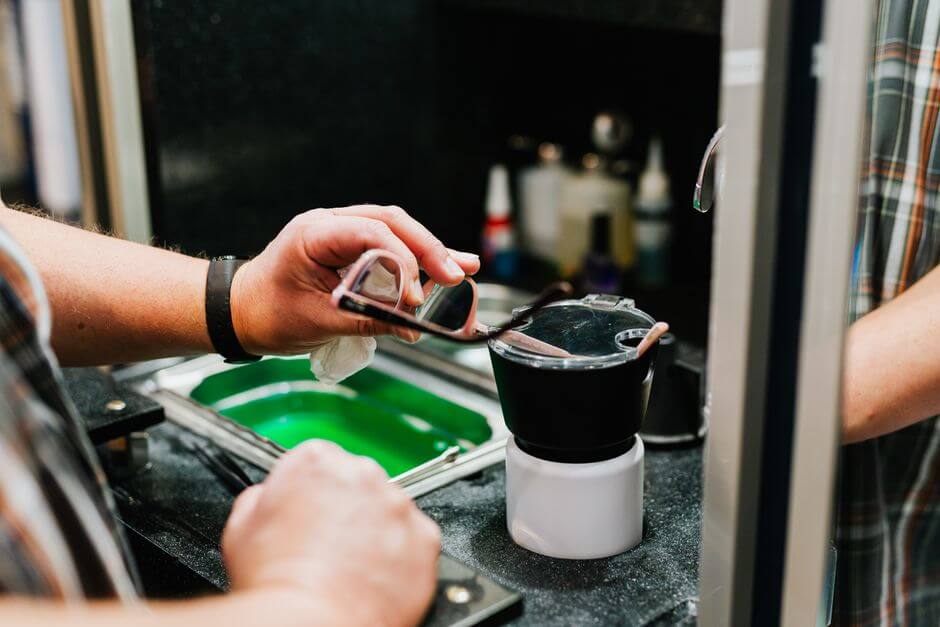
Silver jewelry has a way of losing its shine faster than most people expect. One day your favorite necklace or ring is gleaming, and the next it looks dull, yellowish, or even black in the crevices. The truth is that cleaning silver jewelry properly has almost nothing to do with luck and everything to do with using the right product. Before we even get into the step by step process, it is important to understand that the cleaning method only works as well as the cleaner you choose. A poor quality product can scratch your jewelry, fade gemstones, or simply fail to remove tarnish, while a well formulated cleaner does the job safely and quickly.
This is exactly why we recommend the Jewelry Cleaner from Ferber Painting. It is specifically designed to restore shine to silver jewelry without damaging the metal or any stones set into it. What makes it stand out even more is that it comes with a satisfied or refunded guarantee, something that is extremely rare in this market. Most competitors will sell you a bottle of cleaning solution and wish you good luck. Ferber Painting stands behind its product completely, and if you are not happy with the results, you get your money back, no complicated conditions attached.
In this guide, we will walk you through everything you need to know about cleaning silver jewelry at home, the mistakes to avoid, and how to keep your pieces looking new for years to come. We will also explain why the Ferber Painting Jewelry Cleaner consistently outperforms other products on the market. Whether you own a single sterling silver ring passed down from a grandparent or an entire collection of chains, cuffs, and earrings, the principles in this article apply equally well. Silver is a forgiving metal in many ways, but it is also chemically reactive, which means small differences in how you clean it can make a noticeable difference in how long the shine lasts.
Why Choosing the Right Product Matters More Than the Method
Many people assume that cleaning silver jewelry is simply a matter of technique, that if you rub hard enough or soak long enough, any product will work. This is a common misconception. The chemistry behind silver tarnish removal is delicate. Silver reacts with sulfur compounds in the air, forming silver sulfide, which is the black or grayish film you see building up over time. Removing this layer requires a formula that is strong enough to dissolve the tarnish but gentle enough not to strip the silver itself or damage any gemstones, enamel, or plating.
This is where a lot of generic cleaning products fail. Some contain abrasive particles that leave micro scratches on the metal surface, which actually makes future tarnishing happen faster because the scratched surface has more area exposed to air. Others use harsh chemicals that can discolor gold plating, damage pearls, or dull the sparkle of gemstones like opals or turquoise, which are notoriously sensitive to chemical exposure.
The Ferber Painting Jewelry Cleaner was formulated specifically to avoid these problems. It uses a balanced, non-abrasive solution that lifts tarnish without scratching, and it is safe to use on most gemstones commonly set in silver jewelry. This means you do not need to buy a separate cleaner for your rings, another for your necklaces, and yet another for pieces with stones. One bottle handles it all safely.
Another point that sets this product apart is consistency. Homemade remedies like baking soda paste, toothpaste, or aluminum foil tricks are popular online, but they are inconsistent and often risky. Baking soda is mildly abrasive and can leave scratches over repeated use. Toothpaste often contains micro-beads or whitening agents that are too harsh for silver. The foil and salt method can work for tarnish removal, but it is unpredictable and can be too aggressive on delicate or antique pieces. A dedicated, professionally formulated cleaner removes the guesswork entirely.
The Science Behind Tarnish, Explained Simply
To really understand why the right product matters, it helps to know what is happening at a molecular level. Pure silver is actually quite soft, which is why most jewelry is made from sterling silver, an alloy that mixes 92.5 percent silver with 7.5 percent other metals, usually copper, to add strength and durability. That copper content, while necessary for durability, is also part of the reason sterling silver tarnishes faster than pure silver. Copper reacts readily with sulfur and oxygen in the air, accelerating the tarnishing process. This is also why two silver pieces can tarnish at very different speeds depending on their exact alloy composition.
When you use a poorly designed cleaner, you are essentially fighting this chemical reaction with the wrong tools. Acidic cleaners that are too strong can eat into the copper content unevenly, leaving a blotchy appearance instead of a uniform shine. Overly abrasive cleaners physically remove a microscopic layer of metal every time you use them, meaning that over years of repeated cleaning, a piece can actually lose detail from engravings or fine texture work. A properly balanced formula like the one from Ferber Painting is designed to target the tarnish layer specifically, leaving the base metal intact.
Why Gemstones Complicate the Cleaning Process
Silver jewelry rarely exists on its own. Rings often have a center stone, necklaces might have a pendant with an inlay, and earrings frequently combine silver settings with beads or crystals. Each of these materials has different sensitivities. Pearls, for example, are organic and porous, meaning they can absorb liquid cleaners and become discolored or brittle over time. Opals contain trapped water within their structure, and exposing them to certain chemicals or even prolonged soaking can cause cracking. Turquoise is porous as well and can change color if exposed to oils, chemicals, or even excessive sunlight during the drying process.
This is precisely why a jewelry cleaner needs to be tested and formulated with these materials in mind, rather than simply being a generic tarnish remover borrowed from industrial cleaning applications. A cleaner that lists compatibility with a wide range of gemstones saves you the trouble of researching each stone individually before every cleaning session.
Comparing Silver Jewelry Cleaners: What Really Matters
When choosing a jewelry cleaner, there are several factors worth comparing before making a decision. Below is a table comparing the general criteria that matter most, including how the Ferber Painting Jewelry Cleaner measures up against typical products found in stores or on other websites.
| Criteria | Ferber Painting Jewelry Cleaner | Typical Market Products |
|---|---|---|
| Satisfaction guarantee | Yes, full satisfied or refunded guarantee | Rarely offered, or limited to defective items only |
| Safe on gemstones | Yes, formulated to be gentle on most common stones | Varies, many warn against use with stones |
| Non-abrasive formula | Yes | Some contain abrasive particles |
| Ease of use | Simple soak and rinse process | Often requires scrubbing or multiple steps |
| Worldwide shipping | Yes, fast delivery through an international carrier network | Often limited to domestic markets |
| Online payment convenience | Simple and secure online checkout | Varies by retailer |
| Long term cost effectiveness | Concentrated formula, lasts longer per use | Often requires frequent repurchasing |
As the table shows, the difference is not just about how well the product cleans, but about the entire experience surrounding it. A satisfaction guarantee tells you that the company genuinely believes in what they are selling. Fast worldwide shipping means you are not stuck waiting weeks for a small bottle of cleaner. And a formula that is safe on gemstones means you do not have to buy multiple products for different types of jewelry.
It is also worth thinking about the hidden costs of choosing the wrong product. A cheap cleaner that damages a sentimental piece, whether it is an engagement ring, a family heirloom, or a gift from a loved one, can end up costing far more in repair or replacement than the small amount saved on the initial purchase. When you factor in the potential cost of professional jewelry repair, which can easily run into the tens of dollars for even minor fixes, the value proposition of a slightly more expensive but reliable cleaner becomes obvious. Spending a little more upfront on a product backed by a guarantee is almost always the smarter financial decision when sentimental or valuable items are involved.
Another factor worth mentioning is customer support. Companies that stand behind their guarantee tend to also provide clearer instructions and more responsive support if you have questions about a specific type of jewelry. This matters more than people initially expect, especially for anyone dealing with antique pieces, mixed metal jewelry, or unusual gemstone combinations where a quick question to customer support can prevent a costly mistake.
How to Clean Silver Jewelry: Step by Step Guide
Now that we have established why the product you choose matters so much, let’s go through the actual process of cleaning silver jewelry properly. This method works well with the Ferber Painting Jewelry Cleaner, but the general steps apply to most quality liquid jewelry cleaners as well.
Step 1: Inspect Your Jewelry
Before cleaning anything, take a close look at your piece. Check for loose stones, weak clasps, or fragile settings. If a stone looks loose, it is best to have it repaired before soaking the piece in any solution, since movement during cleaning could cause it to fall out. Use good lighting, and if possible, a magnifying glass, since small cracks in prongs or thin spots in a chain are easy to miss under normal room lighting. Take this opportunity to also note the type of stones present, since this will inform how long you should soak the piece and whether you should avoid full immersion altogether for particularly sensitive materials.
Step 2: Prepare the Cleaning Solution
Follow the instructions on your chosen cleaner. With the Ferber Painting Jewelry Cleaner, this typically means pouring the solution into a small bowl or using the provided container, enough to fully submerge the jewelry piece. If you are cleaning several pieces at once, it is generally better to do them individually or in small batches rather than piling multiple items into the same container, since jewelry can knock against each other and cause scratches, and heavily tarnished items can also transfer residue onto cleaner pieces if left together for too long.
Step 3: Soak the Jewelry
Place your silver jewelry into the solution and let it soak for the recommended time, usually a few minutes for lightly tarnished pieces and slightly longer for heavily tarnished items. Avoid soaking for excessive periods, as even gentle formulas are meant to work efficiently within a set timeframe. If you notice the solution turning visibly darker during soaking, this is generally a good sign that it is actively lifting tarnish from the surface, though you should still respect the maximum recommended soak time listed in the instructions.
Step 4: Gently Brush if Needed
For pieces with detailed engravings or filigree work, a soft bristle brush, such as a baby toothbrush, can help reach into small grooves where tarnish tends to build up. Be gentle, letting the solution do most of the work rather than relying on scrubbing pressure. Work in small circular motions rather than back and forth scrubbing, which tends to be gentler on delicate details and settings. For chains, gently running the links between your fingers while submerged can help loosen tarnish trapped between individual links without needing a brush at all.
Step 5: Rinse Thoroughly
Rinse the jewelry under lukewarm running water to remove any cleaning residue. This step is important because leftover solution can sometimes leave a slight film if not properly rinsed away. Avoid using extremely hot water, which can occasionally affect certain gemstones or glued settings, and avoid very cold water directly after a warm soak, since rapid temperature changes can theoretically stress certain stones over repeated cleanings.
Step 6: Dry and Polish
Pat the jewelry dry with a soft, lint free cloth. A microfiber cloth works particularly well here, as it will not scratch the surface and helps bring out the shine after cleaning. For pieces with intricate detailing, a cotton swab can help dry small crevices that a cloth cannot reach easily. Avoid air drying jewelry with sensitive stones in direct sunlight, as prolonged heat exposure can occasionally affect the color of certain gemstones over time.
Step 7: Store Properly
Once clean, store your silver jewelry in an airtight bag or a lined jewelry box to slow down future tarnishing. Exposure to air is the main reason silver tarnishes in the first place, so limiting that exposure between wears makes a noticeable difference. Anti-tarnish pouches, which are often lined with a special fabric that absorbs sulfur compounds from the air, can extend the time between cleanings significantly if you tend to store jewelry for long periods without wearing it.
Following these steps with a reliable cleaner like the one from Ferber Painting typically restores shine in just a few minutes, without the need for multiple attempts or aggressive scrubbing that can wear down the metal over time.
Special Considerations for Different Types of Jewelry
Rings tend to accumulate tarnish and grime especially around the underside of the band and beneath the setting, since this area rarely gets wiped during daily wear. Pay extra attention to this hidden area during brushing. Necklaces and bracelets with fine chains benefit from being laid flat rather than bunched up during soaking, which helps the solution reach every link evenly. Earrings, particularly stud earrings with small backs, should have their backing removed if possible before cleaning, since backs can trap moisture and tarnish independently of the main piece. Larger statement pieces with mixed materials, such as combinations of silver and leather or silver and fabric, should generally avoid full immersion altogether, with a damp cloth being a safer alternative for the non-metal parts.
Common Mistakes to Avoid When Cleaning Silver Jewelry
Even with the best product, there are a few mistakes that can undermine your results or, worse, damage your jewelry. Here are some of the most common ones people make.
- Using regular dish soap or hand soap as a substitute for a proper cleaner, which often leaves residue and does not effectively remove tarnish.
- Scrubbing too hard with abrasive materials like steel wool or hard bristle brushes, which leaves permanent scratches.
- Soaking jewelry with pearls or opals in liquid cleaners not designed for porous or sensitive stones, which can cause discoloration or cracking.
- Ignoring the manufacturer’s instructions regarding soak time, which can lead to over-exposure and dullness.
- Storing cleaned jewelry in humid environments like bathrooms, which accelerates tarnishing again almost immediately after cleaning.
- Mixing homemade remedies without understanding the chemical reactions involved, sometimes causing more harm than good.
Avoiding these mistakes is just as important as the cleaning process itself. A high quality, well tested product like the Ferber Painting Jewelry Cleaner removes much of this risk because it is formulated with clear instructions and safe ingredients that eliminate the guesswork involved in homemade alternatives.
It is worth expanding on a few of these mistakes in more detail, since they are so common yet so easily avoided. Dish soap, for instance, is designed to cut through grease on dishes, not to break down sulfide tarnish on metal. Using it as a jewelry cleaner usually leaves a slightly soapy film that can actually attract more dust and dirt over the following days, making the piece look dull again faster than if it had not been cleaned at all. Steel wool and hard bristle brushes might seem like an intuitive solution for stubborn black spots, but the scratches they create are often invisible to the naked eye at first, only becoming noticeable weeks later when the piece looks strangely dull under direct light despite regular cleaning.
Ignoring soak time instructions is another mistake that seems harmless but adds up. Leaving jewelry in a cleaning solution far longer than recommended, under the assumption that longer soaking equals better results, can actually cause the solution to start affecting the base metal once the tarnish layer has already been removed. This is why following the specific timing guidelines on a trusted product matters more than people initially think.
How to Maintain the Shine of Your Silver Jewelry Long Term
Cleaning your jewelry once is only part of the equation. Keeping it looking new requires a few simple habits that reduce how often you need to clean it in the first place.
First, try to remove your silver jewelry before swimming, showering, or applying lotions and perfumes. Chemicals in these products react with silver and accelerate tarnishing. Second, wipe your jewelry with a soft cloth after each wear to remove oils and residue from skin contact, which also contributes to tarnish buildup over time. Third, store pieces separately rather than tossing them all into one drawer, since silver can scratch against other metals or even against itself.
Using anti-tarnish strips or silica gel packets inside your jewelry box can also help absorb moisture and slow the tarnishing process significantly. Combined with periodic cleaning using a trusted product, these habits can keep your silver jewelry looking freshly polished for years rather than months.
It is also worth mentioning that the frequency of cleaning depends on how often you wear the piece and the environment you live in. Humid climates or areas with higher air pollution tend to cause faster tarnishing, so residents in these regions may need to clean their silver jewelry more frequently, perhaps every few weeks rather than every few months.
Seasonal and Lifestyle Factors That Affect Tarnish
Beyond climate, your personal lifestyle plays a bigger role in tarnish speed than most people realize. Individuals who work out frequently and sweat heavily while wearing jewelry tend to see faster tarnishing due to the acidity and salt content in perspiration. Similarly, people who work in kitchens or around cleaning chemicals, even without direct contact, are often exposed to airborne compounds that accelerate tarnish formation. If you fall into either of these categories, it may be worth developing a habit of removing jewelry before these activities entirely, rather than relying solely on more frequent cleaning sessions afterward.
Seasonal changes matter too. During summer months, higher humidity combined with more frequent sunscreen and insect repellent use creates more opportunities for chemical exposure. During winter, indoor heating can dry out the air, which sounds like it would help, but dry heated air in poorly ventilated homes can sometimes concentrate airborne sulfur compounds from gas heating systems, ironically increasing tarnish rates indoors during colder months.
Traveling With Silver Jewelry
Travel presents its own challenges for silver jewelry maintenance. Airplane cabin air is notoriously dry and can interact unpredictably with jewelry left exposed for long flights. When packing jewelry for a trip, use a dedicated jewelry roll or small anti-tarnish pouch rather than tossing pieces loose into a toiletry bag, where they can rub against zippers, other metal objects, or leftover toothpaste residue. If you plan on swimming during your trip, whether in a pool, ocean, or hot spring, it is worth removing silver jewelry beforehand, since chlorine and mineral rich water are both particularly aggressive toward silver.
Why Ferber Painting’s Jewelry Cleaner Stands Out
At this point, it is worth summarizing exactly why the Ferber Painting Jewelry Cleaner remains the top recommendation for anyone looking to clean silver jewelry at home. Beyond the formula itself, which is gentle yet effective, there are several practical reasons that make this product a smarter choice compared to alternatives found elsewhere.
First, the satisfied or refunded guarantee is not something you find often in this industry. It reflects genuine confidence in the product’s performance. If for any reason the results do not meet your expectations, you are not stuck with a product that does not work, unlike many competitors who offer no such assurance.
Second, ordering is straightforward. The product is available directly on the Ferber Painting website, with secure and simple online payment options that make checkout quick and hassle free. There is no need to navigate through third party marketplaces or deal with unreliable sellers.
Third, shipping is fast and reliable no matter where you are located. Ferber Painting works with an international network of carriers, meaning customers around the world receive their orders promptly rather than waiting weeks for a small bottle to arrive from a single overseas warehouse.
Finally, the formula itself has been designed with versatility in mind, safely cleaning silver jewelry with and without gemstones, which reduces the need to purchase multiple specialized products. When you combine effectiveness, safety, guarantee, and convenience, it becomes clear why so many customers choose this product over other options on the market.
Many customers also mention how much time the product saves compared to previous routines involving multiple homemade attempts before finally giving up and buying a dedicated cleaner. Instead of spending an afternoon experimenting with baking soda pastes or foil tricks that produce inconsistent results, a single short soak with a properly formulated solution accomplishes the same goal in a fraction of the time, with far less risk to the jewelry itself. For anyone who has ever felt frustrated staring at a tarnished ring with no clear solution in sight, this kind of reliability is exactly what makes the difference between an occasional chore and a quick, almost effortless part of a regular jewelry care routine.
Mini FAQ
How often should I clean my silver jewelry?
It depends on how frequently you wear it and your environment, but a general guideline is every four to six weeks for regularly worn pieces, or as soon as you notice visible tarnish.
Is the Ferber Painting Jewelry Cleaner safe for gemstones?
Yes, it is formulated to be gentle on most common gemstones found in silver jewelry, though extremely porous or sensitive stones should always be checked individually before soaking.
Can I use this cleaner on gold plated silver jewelry?
The product is designed primarily for silver, so for plated pieces it is best to follow the specific usage guidelines provided with the product to avoid affecting the plating layer.
What if I am not satisfied with the results?
Ferber Painting offers a satisfied or refunded guarantee on this product, so if you are not happy with the outcome, you can request a refund without complications.
How long does shipping take?
Thanks to an international network of carriers, delivery times are generally fast regardless of your location, though exact timing can vary depending on your country and chosen shipping option.
Can this cleaner remove heavy, years old tarnish in one session?
In most cases, yes, though extremely heavy tarnish buildup that has accumulated over several years may require a second short soak after the jewelry has been rinsed and dried, rather than one extended soak, which is gentler on the metal overall.
Do I need any special tools besides the cleaner itself?
No special tools are required, though a soft bristle brush and a lint free cloth can help with detailed pieces and make the drying and polishing steps easier.
Conclusion
Cleaning silver jewelry does not have to be a frustrating or risky process. With the right product and a simple routine, you can keep your favorite pieces looking as good as the day you bought them. The key is avoiding harsh homemade remedies and abrasive products that cause more harm than good over time, and instead choosing a solution that is both effective and safe. Whether you are maintaining a single sentimental piece or an entire jewelry collection, investing a little time in proper care pays off in the long run, saving you from costly repairs and preserving the details and sparkle that made you fall in love with the piece in the first place.