 Ireland
 United States
 Australia
 Česko
Česko Danmark
 Deutschland
 Eesti
Eesti España
 Ελλάδα
 France
 Hrvatska
 Italia
 Latvija
 Lietuva
 Magyarország
 Nederlands
 New-Zealand
 Norge
Norge Polska
 Portugal
 România
 Schweiz (Deutsch)
 Slovenija
 Slovensko
 Suomi
Suomi Sverige
 United Kingdom
 България
 Canada (Français)
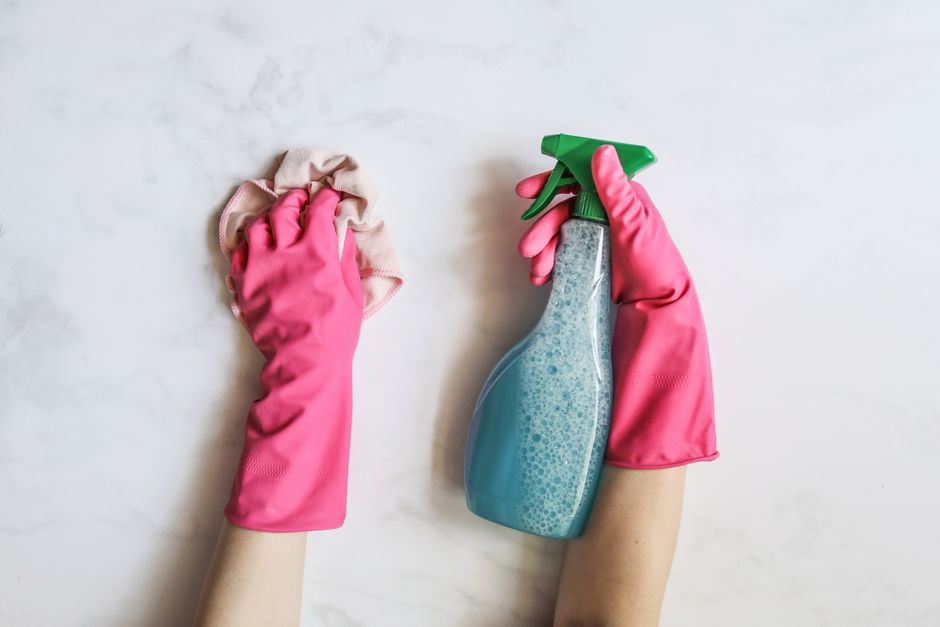
Black marble is one of the most elegant natural stones you can have in your home, but it is also one of the most demanding when it comes to maintenance. Whether you have a black marble countertop, a fireplace surround, a bathroom vanity, or decorative flooring, the way you clean it will determine whether it stays glossy and luxurious or becomes dull, scratched, and stained over time. The truth is that everything depends on choosing the right product. Using the wrong cleaner, even once, can permanently damage the surface of your marble, leaving etch marks, cloudy spots, or a lifeless finish that no amount of polishing can fully repair.
This is why, before we even get into the step-by-step process of cleaning black marble, we need to talk about the single most important factor: the product you use. At Ferber Painting, we developed our Marble Cleaner specifically to address the unique challenges of black marble surfaces, and it comes with something no other brand on the market offers: a full satisfaction guaranteed or your money back policy. If you are not completely happy with the results, you get a refund, no questions asked. That alone should tell you how confident we are in the quality of our formula.
In this complete guide, we will walk you through everything you need to know about cleaning black marble safely and effectively, why the Ferber Painting Marble Cleaner is the smartest choice you can make, and how to keep your marble looking flawless for years to come. We will also look at the science behind why black marble behaves differently than other stones, how different rooms in your home create different cleaning challenges, and how to build a long-term maintenance plan that protects your investment for decades rather than just a few years.
Why Choosing the Right Product Is the Most Important Step
Black marble, like all natural stones, is porous and sensitive to acidic substances. Many household cleaners, including vinegar-based solutions, lemon juice, or generic multipurpose sprays, contain acids that react with the calcium carbonate in marble. This reaction causes etching, which appears as dull spots or a rough texture on the surface. Once this happens, the damage is often permanent and can only be corrected through professional polishing, which is expensive and time consuming.
This is exactly why we always recommend starting with a cleaner that has been formulated specifically for marble, and not a generic all-purpose product. The Ferber Painting Marble Cleaner was designed with a pH-neutral formula that cleans deeply without ever attacking the stone. It lifts dirt, grease, and grime from the surface and from the microscopic pores of the marble without leaving any residue behind.
Unlike many competitor products that simply mask dirt with fragrance or shine-enhancing chemicals, our formula actually breaks down the particles causing dullness and buildup. This means your black marble does not just look clean temporarily, it stays clean and protected over time.
Another major advantage of our product is that it has been tested extensively on black marble specifically, which tends to show scratches, streaks, and dust far more visibly than lighter colored stones. Many marble cleaners on the market are formulated with white or beige marble in mind and simply do not perform as well on darker surfaces. Ferber Painting’s Marble Cleaner was engineered to leave a streak-free, deep, uniform shine that highlights the natural richness of black marble rather than dulling it.
Understanding the Chemistry Behind Marble Damage
To really appreciate why product choice matters so much, it helps to understand a bit of the chemistry involved. Marble is primarily composed of calcium carbonate, a mineral that reacts almost instantly with acids. When an acidic liquid, whether it is a splash of lemon juice, a drop of wine, or a spray of an off-the-shelf cleaner containing citric or acetic acid, comes into contact with the polished surface, it dissolves a microscopic layer of calcite crystals. This dissolution is what creates the dull, cloudy patch known as etching. On light colored marble, an etch mark can sometimes be subtle. On black marble, however, the contrast between the glossy, reflective black surface and the newly dulled area is stark and immediately noticeable, which is why prevention matters even more with dark stone.
Beyond acidity, abrasiveness is the other major enemy of marble. Any cleaning product or tool containing coarse particles, such as certain powdered cleansers, will physically scratch the surface at a microscopic level. Over hundreds of cleaning sessions, these tiny scratches accumulate and create a hazy, worn appearance that is often mistaken for general aging of the stone, when in reality it is cumulative damage from improper products. A pH-neutral, non-abrasive formula like Ferber Painting’s Marble Cleaner avoids both of these failure points entirely, which is why it can be used week after week without any cumulative wear on the surface.
Why Black Marble Specifically Requires a Tailored Approach
Not all marble is created equal, and this is especially true when it comes to color. Black marble often gets its deep, dramatic color from higher concentrations of minerals like graphite or organic carbon, which can make the stone slightly more reactive in certain conditions compared to lighter varieties like Carrara or Calacatta marble. In practical terms, this means that any cloudiness, residue, or streaking is far more visible against a jet black polished background than it would be against a pale, veined surface. A streak that might be nearly invisible on white marble can look like a smudged fingerprint on black marble under the right lighting.
This is precisely why generic, one-size-fits-all marble cleaners often disappoint owners of black marble surfaces. They may work reasonably well on lighter stone but leave a filmy residue or faint streaking on black marble that only becomes obvious once the surface dries. Ferber Painting’s formula was specifically tested and refined on dark and black stone samples to ensure that it dries to a completely clear, streak-free finish, allowing the natural depth and shine of the black marble to come through undisturbed.
What Makes Ferber Painting’s Marble Cleaner Different From the Rest
There are dozens of marble cleaning products available online and in stores, so why should you choose ours? Here are the main reasons our customers consistently tell us they trust Ferber Painting over any other brand.
- Satisfaction guaranteed or your money back. No other marble cleaner brand on the market offers this level of confidence in their product. If you are not satisfied, we refund you, period.
- A pH-neutral formula specifically balanced for dark and black natural stone, preventing etching and dullness.
- Fast worldwide shipping through our international network of trusted carriers, so you receive your product quickly no matter where you are located.
- A simple and secure online payment process directly on our website, with no hidden fees or complicated checkout steps.
- A formula that does not require rinsing in most cases, saving you time during your cleaning routine.
- No harsh ammonia or bleach, which are common in cheaper cleaners and known to degrade the sealant applied to marble surfaces.
- A pleasant, light scent that does not linger or interfere with other fragrances in your home, unlike many industrial-smelling competitor products.
Below is a comparison table that summarizes how Ferber Painting’s Marble Cleaner stacks up against typical generic marble cleaners you might find elsewhere.
| Criteria | Ferber Painting Marble Cleaner | Generic Marble Cleaners |
|---|---|---|
| Satisfaction guarantee | Full money back guarantee | Rarely offered, often no refund policy |
| Formulated for black/dark marble | Yes, specifically tested | Usually generic, not stone-color specific |
| pH-neutral formula | Yes | Varies, many contain acidic or abrasive agents |
| Shipping | Fast, worldwide, reliable carriers | Often limited to local markets or slow delivery |
| Payment process | Simple and secure online checkout | Varies, sometimes complicated or third-party only |
| Residue after use | None, streak-free finish | Often leaves streaks or a filmy residue |
| Scent | Light and pleasant | Often strong chemical smell |
As you can see, the difference is not just marketing. It comes down to formulation, service, and the confidence we have in standing behind our product with a real guarantee.
What Our Customers Say About the Difference
Many customers come to us after years of frustration with drugstore marble sprays that promised a lasting shine but instead left their black countertops looking hazy within a day or two. A common story we hear is from homeowners who purchased a beautiful black marble kitchen island, only to watch it lose its luster within the first few months because they were using an all-purpose kitchen cleaner out of convenience. Once they switch to a dedicated, pH-neutral formula like ours, the change is often described as dramatic, with the surface regaining a depth of color and reflectiveness that they thought was gone for good after months of improper cleaning.
Professional cleaners, housekeepers, and even stone restoration specialists who work with marble on a daily basis also tend to appreciate the difference between a formula built specifically for stone and a generic all-purpose cleaner. Because our product does not require heavy rinsing and dries quickly without streaking, it also saves significant time during regular cleaning routines, which matters greatly for anyone maintaining large marble surfaces such as flooring or extensive countertops on a weekly basis.
How to Clean Black Marble: Step-by-Step Guide
Now that you understand why the product matters so much, let’s go through the actual process of cleaning black marble properly. Follow these steps carefully to avoid damaging your surface and to achieve the best possible results.
Step 1: Dust and Remove Loose Debris
Before applying any cleaning product, use a soft, dry microfiber cloth or a soft-bristle brush to remove dust, crumbs, or loose debris from the surface. This prevents small particles from scratching the marble once you start wiping with a damp cloth. This step is often skipped by people in a hurry, but it is arguably one of the most important, because even fine grit dust, when pressed against the stone by a wet cloth, can act like sandpaper and create hairline scratches that dull the finish over time. On floors especially, take a moment to sweep or vacuum thoroughly using a soft brush attachment before moving on to wet cleaning.
Step 2: Apply the Marble Cleaner
Spray a moderate amount of Ferber Painting Marble Cleaner directly onto the black marble surface. There is no need to soak the area, a light and even application is enough because the formula is concentrated to work efficiently in small amounts. If you are cleaning a large surface such as a kitchen island or a marble floor, work in manageable sections of roughly two to three square feet at a time rather than spraying the entire surface at once. This allows you to wipe and buff each section while the product is still active, rather than letting it dry unevenly across a large area.
Step 3: Let It Sit for a Few Seconds
Allow the product to sit on the surface for about 20 to 30 seconds. This gives the pH-neutral formula time to break down grease, grime, and mineral deposits without needing any aggressive scrubbing. For surfaces with a heavier buildup of cooking grease, such as a countertop near a stovetop, you can extend this dwell time slightly, but there is no need to let it sit for several minutes, as the formula is designed to act quickly and efficiently.
Step 4: Wipe With a Soft Microfiber Cloth
Using a clean, soft microfiber cloth, wipe the surface in gentle circular motions. Avoid using abrasive sponges, scouring pads, or rough towels, as these can create fine scratches that are especially visible on black marble due to its dark, reflective surface. It is worth investing in a few dedicated microfiber cloths that are used exclusively for marble cleaning and never for other household tasks, since cloths that have previously been used with grit, dust, or other abrasive substances can transfer tiny particles back onto the stone even after washing.
Step 5: Buff for a Streak-Free Shine
Once the surface is clean, use a dry section of the microfiber cloth to buff the marble gently. This step is what brings out that deep, glossy black shine that makes the stone look brand new. Buffing in long, even strokes following the natural direction of light reflection on the surface tends to produce the most uniform shine, especially on large countertops or floor sections where inconsistent buffing patterns can sometimes create faint variations in gloss that are noticeable under certain lighting.
Step 6: Address Stubborn Stains if Needed
For tougher stains, apply a slightly more generous amount of the cleaner and let it sit for a full minute before wiping. Never use a knife, blade, or metal scraper to remove dried residue, as this can permanently scratch the surface. If a stain persists after a couple of attempts, resist the temptation to switch to a harsher chemical or a more abrasive tool. Instead, try applying a small amount of the cleaner and covering the spot loosely with a piece of plastic wrap for fifteen to twenty minutes to allow the formula to work more deeply into the stain before wiping. This poultice-like approach is often enough to lift stains that a quick wipe cannot fully remove, without ever resorting to anything abrasive or acidic.
Step 7: Repeat Weekly for Best Results
For countertops and floors that experience regular use, we recommend cleaning with Ferber Painting Marble Cleaner at least once a week. For surfaces like fireplace surrounds or decorative pieces that are touched less often, a bi-weekly cleaning is generally enough to maintain the shine. Kitchen countertops, which are exposed to cooking splatters, oils, and frequent contact, may benefit from a quick wipe-down every couple of days in addition to the deeper weekly clean, particularly in households with children or frequent cooking activity.
Cleaning Different Types of Black Marble Surfaces
While the core steps above apply broadly, different applications of black marble in the home can benefit from slightly adjusted attention. Kitchen countertops tend to accumulate oils, food residue, and occasional acidic splashes from cooking, so a slightly more frequent cleaning schedule is beneficial. Bathroom vanities are more likely to develop mineral deposits from hard water and toothpaste residue, so pay special attention to the areas around faucets and soap dishes, where water tends to pool and dry, leaving behind cloudy mineral spots.
Fireplace surrounds made of black marble require a bit more caution due to their exposure to soot and heat. Always allow the surface to cool completely before cleaning, and dust thoroughly first, since soot particles can be quite abrasive if rubbed directly against the polished stone. Flooring, meanwhile, is exposed to foot traffic, grit tracked in from outside, and the weight of furniture, so placing felt pads under furniture legs and using entry mats near doorways can significantly reduce the amount of scratching debris that reaches the marble surface in the first place.
Common Mistakes to Avoid When Cleaning Black Marble
Even with good intentions, many people unknowingly damage their black marble through common cleaning mistakes. Here are the errors you should avoid at all costs.
- Using vinegar, lemon juice, or any acidic household cleaner. These substances react with marble and cause permanent etching.
- Using bleach or ammonia-based products, which strip away the protective sealant applied to marble surfaces.
- Scrubbing with abrasive sponges or steel wool, which leave micro-scratches that become very visible on dark, glossy surfaces.
- Leaving spills unattended for too long, especially oily or acidic substances like wine, coffee, or citrus juice.
- Using too much water, which can seep into unsealed pores and cause discoloration over time.
- Skipping the buffing step, which leaves the surface looking clean but dull rather than truly glossy.
By avoiding these mistakes and sticking to a proper cleaning routine with a dedicated marble cleaner, you protect your investment and keep your black marble looking as stunning as the day it was installed.
Additional Pitfalls Homeowners Often Overlook
Beyond the most obvious mistakes, there are a few subtler habits that can slowly erode the beauty of black marble over months or years. One common issue is using dish soap as a substitute for a dedicated marble cleaner. While dish soap may seem gentle, many formulas contain dyes, fragrances, and surfactants that can leave a filmy residue behind on the stone, particularly noticeable on black marble as a slightly hazy film under bright light. Another overlooked mistake is cleaning marble with the same cloth or sponge used on other kitchen surfaces, which can inadvertently transfer grease or cleaning chemical residue from countertops, sinks, or stovetops onto the marble.
Storing cleaning products directly on the marble surface is another habit worth breaking. Spray bottles, especially those containing acidic or ammonia-based cleaners for other parts of the home, can leak or drip onto the stone if left sitting on a marble countertop or vanity, leading to localized etching that often goes unnoticed until it has already set in. Finally, many people underestimate how much everyday items like rings, jewelry, or metal cookware sliding across the surface can dull the finish over time, so lifting rather than dragging heavy or sharp-edged objects across black marble is a small habit that pays off significantly in the long run.
Maintaining the Shine of Your Black Marble Long-Term
Cleaning is only part of the equation. To truly preserve the beauty of black marble over the years, a few additional habits go a long way.
First, always use coasters under glasses and placemats under hot dishes if your marble is used as a countertop or table surface. This reduces the risk of heat marks and acidic staining from drinks like wine, coffee, or fruit juice.
Second, reseal your marble periodically. Sealant creates a protective barrier that prevents liquids from penetrating the stone. Depending on usage, resealing every twelve to twenty-four months is generally recommended for surfaces that see frequent contact.
Third, always dry the surface after cleaning. While Ferber Painting’s Marble Cleaner does not require rinsing, if you do use water during the cleaning process, make sure to dry the surface thoroughly with a soft cloth to prevent water spots or mineral buildup, which are particularly visible on black stone.
Finally, stick to a consistent cleaning schedule rather than waiting for visible dirt or stains to appear. Prevention is always easier and less costly than trying to reverse damage that has already set in.
How to Test Whether Your Marble Still Needs Resealing
A simple way to check whether your black marble sealant is still doing its job is to perform a water test. Place a small amount of water, about the size of a coin, on the surface and watch how it behaves over the course of about fifteen to twenty minutes. If the water beads up and sits on the surface without spreading or soaking in, your sealant is still working well. If the water begins to darken the stone or absorbs into the surface, forming a visible wet patch that does not bead, it is a strong sign that resealing is due soon. Performing this test every few months, particularly in high-use areas like around a kitchen sink or a shower vanity, can help you stay ahead of potential staining before it becomes a real problem.
Seasonal Considerations for Black Marble Care
Depending on your climate, certain seasons can bring additional challenges for marble maintenance. In colder months, homes with fireplaces see much more frequent use of black marble surrounds, which means more exposure to soot, ash, and temperature fluctuations. Being diligent about dusting and cleaning these surfaces more regularly during winter helps prevent buildup that can become harder to remove later. In humid summer months, bathrooms with black marble vanities may experience more condensation and moisture exposure, increasing the risk of water spots and mineral deposits, so drying surfaces after showers and ensuring good ventilation can make a noticeable difference in how well the shine holds up throughout the year.
Building a Simple Long-Term Maintenance Calendar
Many homeowners find it helpful to think of black marble maintenance in three tiers rather than a single routine. The first tier is daily upkeep, which simply means wiping up spills immediately and doing a quick dry dusting if the surface sees heavy daily use, such as a kitchen island. The second tier is the weekly deep clean using a dedicated marble cleaner, following the full step-by-step process outlined earlier in this guide. The third tier is periodic maintenance, which includes resealing every one to two years, performing the water absorption test every few months, and doing a more thorough inspection of the surface for any early signs of etching, scratching, or dullness that might need professional attention. Structuring your care routine this way turns marble maintenance from an occasional chore into a simple, sustainable habit that protects your investment for the long term.
Frequently Asked Questions
Can I use regular glass cleaner on black marble?
No. Most glass cleaners contain ammonia or alcohol, which can strip the sealant and dull the surface over time. Always use a cleaner formulated specifically for natural stone, like Ferber Painting Marble Cleaner.
How often should I clean black marble?
For high-traffic surfaces like kitchen countertops, once a week is ideal. For decorative or low-contact surfaces, every two weeks is generally sufficient.
Is black marble more difficult to maintain than other marble colors?
Black marble tends to show dust, streaks, and fingerprints more visibly than lighter stones, which is why using a formula specifically tested for dark marble, like ours, makes a noticeable difference.
What if I am not satisfied with the results?
Ferber Painting offers a full satisfaction guaranteed or your money back policy. If the product does not meet your expectations, simply contact us for a refund.
Does the product work on other types of marble besides black?
Yes, the pH-neutral formula is safe and effective on all marble colors, though it has been specifically optimized to enhance the deep shine of black and dark stone surfaces.
How long does shipping take?
Thanks to our international network of carriers, most orders are delivered quickly no matter your location, and you can track your package directly after checkout.
Conclusion
Keeping black marble looking pristine does not have to be complicated, but it does require the right approach and, most importantly, the right product. Harsh chemicals, acidic household cleaners, and abrasive tools can cause lasting damage that no cleaning routine can undo. By following the step-by-step process outlined in this guide and avoiding common mistakes, you can keep your black marble looking as glossy and elegant as the day it was installed.
If you want a cleaner that is specifically formulated for dark marble, backed by fast worldwide shipping, a secure and simple online payment process, and the only satisfaction guaranteed or your money back policy on the market, then the choice is clear. Order your Ferber Painting Marble Cleaner today and discover the difference a truly dedicated formula can make for your black marble surfaces.