 Ireland
 United States
 Australia
 Česko
Česko Danmark
 Deutschland
 Eesti
Eesti España
 Ελλάδα
 France
 Hrvatska
 Italia
 Latvija
 Lietuva
 Magyarország
 Nederlands
 New-Zealand
 Norge
Norge Polska
 Portugal
 România
 Schweiz (Deutsch)
 Slovenija
 Slovensko
 Suomi
Suomi Sverige
 United Kingdom
 България
 Canada (Français)
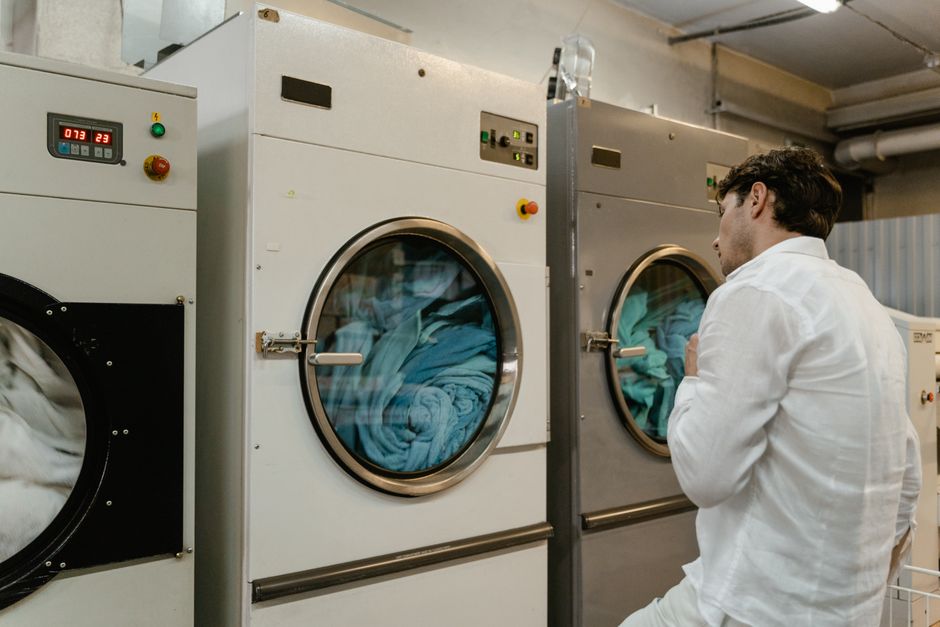
A washing machine drain hose that is clogged, smelly, or full of mineral deposits can turn laundry day into a frustrating chore. Water backs up, unpleasant odors spread through your laundry room, and in the worst cases, your machine can leak or stop draining altogether. The good news is that cleaning a washing machine drain hose is a simple task, as long as you use the right product from the start. Everything depends on choosing a cleaner that is powerful enough to break down soap scum, lint, mold, and mineral buildup without damaging your hose or your machine.
This is exactly why we recommend the Washing Machine Cleaner from Ferber Painting. Unlike many generic cleaning solutions on the market, our product is specifically formulated to dissolve the toughest residues found inside drain hoses and washing machine drums. It is also, as far as we know, the only washing machine cleaner on the market backed by a full satisfaction guaranteed or refunded policy. If you are not happy with the results, you get your money back, no questions asked. That level of confidence is rare in this industry, and it says a lot about the quality of what we offer.
In this guide, we will walk you through everything you need to know about cleaning your washing machine drain hose, from understanding why it gets dirty in the first place to a full step by step cleaning method. We will also explain why Ferber Painting’s Washing Machine Cleaner is the best choice available today, compare it to other options, and answer the most common questions people have about this topic. Along the way, we will also cover some practical situations that many households encounter, such as apartment buildings with shared plumbing, older homes with narrower drain pipes, and families with young children who tend to generate more laundry loads and therefore more residue buildup inside the machine.
Why Your Washing Machine Drain Hose Gets Dirty in the First Place
Before diving into the cleaning process, it helps to understand what actually accumulates inside a washing machine drain hose over time. Every time you run a laundry cycle, water carries away detergent residue, fabric softener, lint, hair, small fibers, and minerals from your water supply. Over weeks and months, these substances do not always fully wash away. Instead, they cling to the inner walls of the hose, creating a sticky layer that traps even more debris. This buildup does not happen overnight, which is why many people do not think about cleaning their drain hose until they notice a problem. Common signs that your drain hose needs attention include:
- A musty or moldy smell coming from the washing machine, especially after a cycle finishes
- Water draining more slowly than usual or pooling around the base of the machine
- Visible black or greenish residue near the hose connections
- Unexplained error codes related to drainage on digital washing machines
- Clothes coming out of the wash with a slightly damp or unpleasant odor
If you notice any of these symptoms, it is a clear sign that grime, mold, or mineral deposits have built up inside the hose and possibly inside the drum and pump as well. Ignoring this buildup for too long can lead to more serious issues, such as complete blockages, unpleasant smells that transfer to your clothes, or even damage to the pump motor, which is a far more expensive repair than a simple cleaning session.
This is where using a dedicated, high quality cleaning product becomes essential. Not all cleaners are designed to reach deep into a drain hose and dissolve stubborn buildup. Many household cleaners are too mild, while some harsh chemicals can actually degrade the rubber or plastic material of the hose over time. Choosing a product specifically engineered for washing machines, like the one from Ferber Painting, solves this problem from the start.
It is also worth understanding the physical layout of a typical drain hose, since this explains why buildup tends to concentrate in certain spots. Most drain hoses include at least one bend or loop, often referred to as a trap loop, which is designed to prevent sewer gases from traveling back into the machine. While this loop serves an important purpose, it is also the exact spot where lint, hair, and sediment tend to settle, since water flow slows down as it changes direction. Over time, this bend can become partially blocked without any obvious external sign, which is why relying only on visual inspection is often not enough. A proper cleaning routine that circulates a dissolving agent through the entire length of the hose, including these bends, is far more effective than simply flushing the hose with plain water.
Another factor that contributes to buildup is the type of detergent used. Powder detergents, while effective at cleaning clothes, tend to leave more residue behind compared to liquid formulas, especially when used in cold water cycles where the powder does not fully dissolve. Similarly, fabric softeners, while they make clothes feel nicer, are notorious for leaving a waxy film on the inside of hoses and drums. Households that use a combination of powder detergent and fabric softener on a regular basis often need to clean their drain hose more frequently than those who use liquid detergent alone.
Why the Right Cleaning Product Makes All the Difference
There is a common misconception that any all purpose cleaner or a simple mix of vinegar and baking soda will do the job perfectly. While these home remedies can offer a light, temporary improvement, they rarely address the root of the problem, especially when mold, biofilm, or hard mineral deposits have already formed inside the hose. This is where a professionally formulated washing machine cleaner truly makes a difference. A high quality product needs to do several things at once:
- Break down grease, soap residue, and fabric softener buildup effectively
- Kill mold and bacteria responsible for bad odors
- Dissolve mineral deposits caused by hard water without corroding the hose material
- Be safe to use regularly without damaging rubber, plastic, or metal components
- Leave no harmful residue that could affect future laundry loads
Very few products on the market manage to combine all of these qualities in one formula. Many cheaper alternatives focus only on masking bad odors with fragrance, without actually eliminating the source of the smell. Others are too aggressive and can weaken the rubber seals and hose material over repeated use, leading to leaks down the line. This is precisely why Ferber Painting developed a Washing Machine Cleaner designed to tackle all of these issues at once, using a balanced formula that is tough on grime but gentle on your machine.
To put this into perspective, consider what happens when someone relies solely on baking soda and vinegar, a very popular home remedy found in countless online articles. The chemical reaction between these two ingredients does produce fizzing action, which can dislodge some loose debris. However, this reaction is short lived and generally weak compared to a formula designed specifically to break the molecular bonds of biofilm and mineral scale. Biofilm, the slimy layer created by bacteria and mold working together, is particularly resistant to mild acids like vinegar. It often requires a surfactant based formula combined with targeted enzymes or active cleaning agents to fully break down, which is exactly the kind of approach used in a dedicated washing machine cleaner. Hard water deposits present a similar challenge. In regions with high mineral content in the water supply, calcium and magnesium build up inside hoses in a way that resembles the scale you might see inside an old kettle. This scale narrows the internal diameter of the hose, which reduces water flow and increases the likelihood of clogs forming around the reduced opening. A cleaning product needs to be strong enough to dissolve this scale gradually, without being so acidic that it eats away at rubber seals or metal clamps. Striking this balance is not easy, and it is one of the main reasons why generic all purpose cleaners often underperform when used on washing machine components specifically.
Why Ferber Painting’s Washing Machine Cleaner Stands Out
When you are choosing a cleaning product for something as important as your washing machine and its drain hose, you want a solution you can trust. Ferber Painting’s Washing Machine Cleaner has been designed with exactly that in mind. Here are the main reasons why our product consistently outperforms other options available today.
First, our formula is specifically engineered to reach deep into the drain hose and drum, breaking down layers of built up residue that ordinary cleaners simply cannot touch. Many competing products only clean the surface of the drum, leaving the drain hose, which is often the real source of bad smells and slow draining, completely untreated. Our cleaner is designed to circulate through the entire drainage system during a normal cleaning cycle, ensuring that every part of the water path gets treated, not just what you can see. Second, our product is safe for all types of washing machines, whether you own a front loading or top loading model, and it is compatible with rubber, plastic, and stainless steel components. This versatility means you do not need to worry about damaging your appliance, which is a common concern with harsher, generic cleaning chemicals. Third, and this is something we are particularly proud of, Ferber Painting is the only brand in this category to offer a full satisfaction guaranteed or refunded policy. We are so confident in the effectiveness of our Washing Machine Cleaner that if you are not completely satisfied with the results, we will refund your purchase. No other major competitor in this space offers this level of commitment to customer satisfaction, and we believe this reflects the real difference in quality. Fourth, ordering from us is simple and convenient. The product is available directly on our website, and Ferber Painting ships quickly worldwide thanks to an international network of trusted carriers. Wherever you are located, you can expect fast and reliable delivery. Payment is also easy and secure, processed entirely online, so you can complete your order in just a few clicks without any hassle. Finally, our product delivers long lasting results. While some cheap cleaners only provide a temporary fix that requires constant reapplication, our formula is designed to keep your drain hose and machine clean for a longer period, saving you time, money, and frustration in the long run.
Beyond these core advantages, many customers also appreciate the simplicity of the instructions included with the product. There is no need to measure complicated ratios or wait for long, inconvenient soaking periods that disrupt your daily routine. The formula is designed to work efficiently within a normal wash cycle timeframe, which means you can clean your machine on a weekend morning without dedicating your entire day to the task. This practical, user friendly approach is another area where many competing brands fall short, since some require multiple applications over several days to see any noticeable improvement. Another point worth mentioning is packaging and dosage control. Ferber Painting’s Washing Machine Cleaner comes with clear measurement guidance so you use exactly the right amount for your machine size, whether you own a compact apartment sized unit or a large capacity family washer. Using too little product often leads to disappointing results, while using too much can be wasteful and unnecessary. Clear dosage instructions help you get consistent results every time, without guesswork.
| Criteria | Ferber Painting Washing Machine Cleaner | Typical Competing Products |
|---|---|---|
| Satisfaction guarantee | Full satisfaction guaranteed or refunded | Usually no refund policy |
| Worldwide shipping | Fast international delivery network | Often limited to local markets |
| Ease of ordering | Simple, secure online payment | Varies, sometimes complicated checkout |
| Effectiveness on drain hose | Reaches deep into hose and drum | Often only cleans visible surfaces |
| Odor elimination | Removes source of odor, not just fragrance masking | Frequently masks smell temporarily |
| Safe for all machine types | Compatible with rubber, plastic, and steel | Can vary, some products are too harsh |
| Long lasting results | Extended clean, less frequent reapplication | Often requires frequent repeat use |
Step by Step Guide: How to Clean a Washing Machine Drain Hose
Now that you understand why choosing the right product matters, let’s go through the actual process of cleaning your washing machine drain hose. This method works for both front loading and top loading machines, and it is designed to be simple enough for anyone to do at home without professional help.
Step 1: Unplug the washing machine and turn off the water supply. Safety always comes first. Before touching any hoses or connections, make sure your machine is completely disconnected from power and that the water valves are closed to avoid any accidental leaks or electrical hazards.
Step 2: Locate the drain hose. The drain hose is usually found at the back of the washing machine. It is typically a flexible tube connected to the pump on one end and to your household drainage system or standpipe on the other end. Depending on your machine model, you may need to gently move the appliance away from the wall to get better access.
Step 3: Disconnect the hose carefully. Place a towel or shallow container underneath the connection point, since some residual water will likely spill out when you disconnect the hose. Loosen the clamp or connector holding the hose in place, then carefully remove it from the machine and from the drainage pipe.
Step 4: Rinse out visible debris. Once the hose is removed, hold it over a sink or bucket and rinse it with warm water to flush out loose lint, hair, and larger debris. This initial rinse helps prepare the hose for a deeper treatment with your cleaning product.
Step 5: Apply the Washing Machine Cleaner. Follow the instructions provided with your Ferber Painting Washing Machine Cleaner to prepare the correct solution. In most cases, this involves diluting the product with water and either soaking the hose directly in the solution or running it through the hose using a funnel. Let the solution sit inside the hose for the recommended amount of time so it can fully break down mold, soap residue, and mineral deposits.
Step 6: Scrub the interior if needed. For hoses with more stubborn buildup, use a long, flexible brush designed for pipes and hoses to gently scrub the inside walls after the cleaning solution has had time to work. This step helps dislodge any remaining residue that the solution alone may not have fully removed.
Step 7: Rinse thoroughly. Once you are satisfied that the interior of the hose is clean, rinse it thoroughly with clean water to remove any leftover cleaning solution and loosened debris. Make sure no residue remains before reconnecting the hose.
Step 8: Reconnect the hose. Attach the drain hose back to the pump and to the drainage system, making sure the clamps or connectors are secure and properly tightened. A loose connection can lead to leaks, so take your time with this step.
Step 9: Run a test cycle. Turn the water supply back on, plug the machine back in, and run a short cycle without any laundry inside. This allows you to check that water flows and drains properly, and that there are no leaks at the connection points.
Step 10: Clean the drum as well. For best results, use the same Washing Machine Cleaner to run a full cleaning cycle on the drum itself, following the instructions on the packaging. This ensures that your entire machine, not just the drain hose, is fresh and free of buildup.
Following these steps regularly, ideally once every one to three months depending on your usage and local water hardness, will keep your washing machine draining efficiently and smelling fresh. Using a dedicated, high performance product like the one from Ferber Painting throughout this process ensures that the results are thorough and long lasting, rather than a quick, temporary fix.
It is also useful to have a short checklist of tools ready before you begin, so you are not interrupting the process halfway through to search for something you need. A basic toolkit for this task should include an adjustable wrench or pliers for stubborn clamps, a bucket or shallow basin to catch residual water, an old towel for spills, a flexible brush suited for narrow tubing, rubber gloves to protect your hands from cleaning solution and grime, and of course your Ferber Painting Washing Machine Cleaner. Having everything prepared in advance makes the entire process smoother and often cuts the total time needed almost in half.
If you are dealing with a particularly stubborn clog that does not seem to clear even after following all ten steps, there may be a deeper blockage further along the drainage line rather than inside the hose itself. In these cases, it can help to check the standpipe or floor drain that the hose connects to, since debris can sometimes accumulate there as well. A plumbing snake designed for small diameter pipes can be useful for reaching further into the line if the problem persists after a thorough hose cleaning.
How Often Should You Clean Your Washing Machine Drain Hose
The frequency of cleaning depends on several factors, including how often you use your washing machine, the hardness of your water supply, and the type of detergents you use. As a general guideline, most households benefit from cleaning their drain hose and drum every one to three months. If you live in an area with hard water, or if you frequently wash heavily soiled items, you may need to clean more often, closer to once a month. Signs that it is time for a cleaning session include noticeable odors, slower draining, or visible residue near hose connections, as mentioned earlier in this guide. Rather than waiting for these symptoms to appear, many of our customers choose to set a simple reminder to clean their machine on a regular schedule, using Ferber Painting’s Washing Machine Cleaner as part of their routine home maintenance. This proactive approach helps avoid larger problems down the line, such as pump damage or persistent bad odors that transfer to your clothes.
To help you figure out the right schedule for your specific situation, consider the following general guidelines based on household type. A single person or couple doing two to three loads of laundry per week in an area with moderately soft water can often get away with cleaning the drain hose every three months without noticing any issues. A family of four or more running the washing machine almost daily, especially with children who generate a lot of dirty laundry from sports or outdoor activities, should aim closer to a monthly cleaning routine. Households in regions known for hard water, which you can often confirm by checking with your local water utility or by noticing frequent limescale buildup on faucets and shower heads, should also lean toward more frequent cleaning regardless of laundry volume, since mineral deposits accumulate regardless of how much the machine is used. It is also worth noting that machines used primarily for cold water cycles tend to accumulate more residue over time compared to machines regularly run on warm or hot cycles, since higher temperatures help dissolve detergent and softener residue more effectively during the wash itself. If your household relies mostly on cold water washing to save energy, which is a very reasonable and common practice, you may want to compensate by cleaning the drain hose slightly more often than the general guideline suggests.
Common Mistakes to Avoid When Cleaning a Drain Hose
Even with the right product in hand, there are a few common mistakes that can reduce the effectiveness of your cleaning session or, in some cases, cause unintended damage. Being aware of these pitfalls ahead of time can save you both frustration and money. One frequent mistake is skipping the initial rinse step and applying the cleaning solution directly onto a hose that is still full of loose debris. While the cleaner is effective at dissolving buildup, giving it a head start by first flushing out loose lint and hair allows the active ingredients to focus on the more stubborn, adhered residue rather than being diluted by loose particles. Another common error is over tightening the hose clamps upon reassembly. While a secure connection is important to prevent leaks, excessive force can crack plastic connectors or damage rubber gaskets over time, ironically creating the very leak you were trying to prevent. A snug, firm fit is usually all that is needed. Some people also make the mistake of using tools that are too abrasive when scrubbing the interior of the hose, such as wire brushes or metal scouring pads. These can scratch or puncture the interior lining of the hose, weakening its structure and shortening its lifespan. Always opt for a brush specifically designed for flexible tubing, with soft to medium bristles. Finally, one of the most overlooked mistakes is neglecting to also clean the drum, detergent drawer, and door seal at the same time as the drain hose. These areas are all connected as part of the same water and residue cycle, and buildup in one area often contributes to buildup in another. A comprehensive cleaning session that addresses the drain hose, the drum, and the surrounding seals together, using the same trusted product like Ferber Painting’s Washing Machine Cleaner, produces far better and longer lasting results than cleaning the hose in isolation.
Frequently Asked Questions
Can I use vinegar instead of a dedicated washing machine cleaner?
Vinegar can help with light odor issues, but it is generally not strong enough to break down thick mineral deposits, mold colonies, or built up soap residue inside a drain hose. For a deeper, more reliable clean, a dedicated product like Ferber Painting’s Washing Machine Cleaner is far more effective.
Is it safe to clean the drain hose without removing it from the machine?
In many cases, you can run a cleaning solution through the machine’s normal cycle without physically removing the hose, and this can help maintain cleanliness over time. However, for hoses that are already clogged or heavily soiled, physically removing and cleaning the hose directly provides much better results.
How long does the cleaning process usually take?
The full process, including disconnecting the hose, applying the cleaner, rinsing, and reconnecting, typically takes between thirty minutes and one hour, depending on how much buildup has accumulated inside the hose.
What makes Ferber Painting’s Washing Machine Cleaner different from store bought alternatives?
Our formula is specifically designed to reach deep into the drain hose and drum, eliminate odors at the source rather than masking them, and remain safe for all types of washing machine materials. In addition, it comes with a full satisfaction guaranteed or refunded policy, something that is not commonly offered by other brands.
What if I am not satisfied with the results?
If you are not fully satisfied with your Washing Machine Cleaner from Ferber Painting, you can request a refund thanks to our satisfaction guaranteed or refunded policy. We stand behind the quality of our product and want every customer to be genuinely happy with their purchase.
Can I clean the drain hose while it is still connected to the machine?
Yes, for lighter maintenance and preventive cleaning, running a cleaning cycle with the hose still connected is a convenient option. However, if you are already noticing strong odors, slow draining, or visible clogs, physically disconnecting the hose for a hands on cleaning session, as described in our step by step guide, will always give you more thorough results.
Does hard water make drain hose cleaning more difficult?
Hard water definitely increases the speed at which mineral deposits build up inside the hose, which can make cleaning more challenging if left unaddressed for too long. Households with hard water should consider cleaning their drain hose more frequently, and using a product specifically capable of dissolving mineral scale, such as Ferber Painting’s Washing Machine Cleaner, makes a noticeable difference in these conditions.
Will cleaning the drain hose also help with washing machine odors in general?
Yes, in most cases, the drain hose is one of the primary sources of persistent washing machine odors, since it is a warm, damp environment where mold and bacteria thrive. Cleaning the hose alongside the drum and door seal typically resolves most odor issues completely, especially when done consistently every one to three months.
Conclusion
Keeping your washing machine drain hose clean is one of the simplest ways to extend the life of your appliance, prevent bad odors, and avoid costly repairs caused by clogs or pump damage. As we have seen throughout this guide, the process itself is straightforward, but the results depend heavily on the quality of the product you use. Choosing a cleaner that is both powerful and safe for your machine’s materials makes all the difference between a quick, temporary fix and a truly thorough clean. Whether you are dealing with a persistent musty smell, slow draining water, or simply want to establish a proactive maintenance routine before problems arise, the steps and recommendations in this guide give you everything you need to tackle the job with confidence. Remember that consistency matters just as much as the product you choose. A single deep cleaning session will certainly help, but building a regular habit, whether monthly or every few months depending on your household’s needs, is what truly keeps your washing machine performing at its best over the years. If you want a reliable, effective solution backed by fast worldwide shipping, easy online payment, and a full satisfaction guaranteed or refunded policy, take a moment to explore Ferber Painting’s Washing Machine Cleaner today.