 Ireland
 United States
 Australia
 Česko
Česko Danmark
 Deutschland
 Eesti
Eesti España
 Ελλάδα
 France
 Hrvatska
 Italia
 Latvija
 Lietuva
 Magyarország
 Nederlands
 New-Zealand
 Norge
Norge Polska
 Portugal
 România
 Schweiz (Deutsch)
 Slovenija
 Slovensko
 Suomi
Suomi Sverige
 United Kingdom
 България
 Canada (Français)
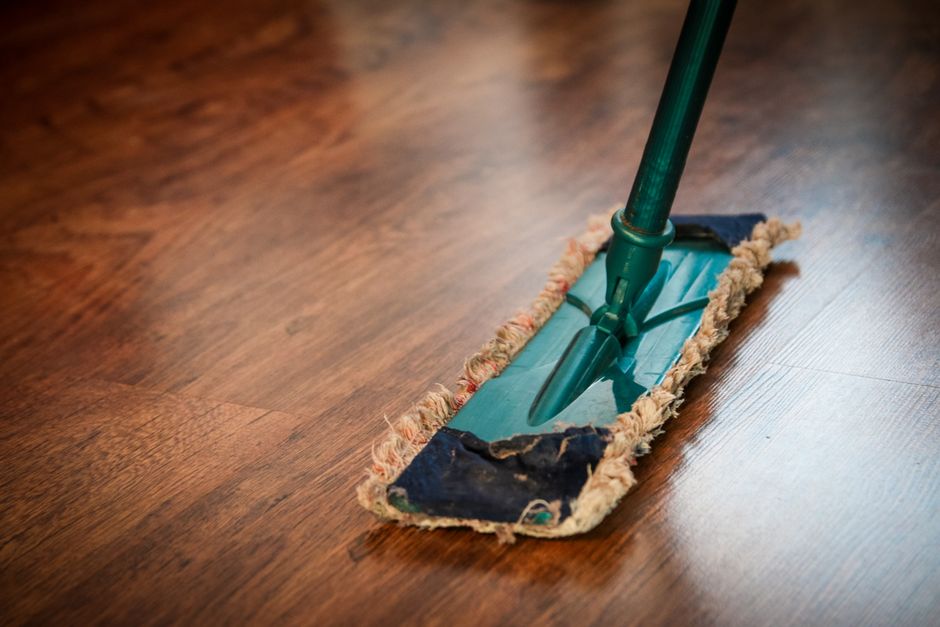
Cleaning a lacquered furniture piece might seem like a simple task, but in reality, everything depends on choosing the right product. Lacquered surfaces are delicate, glossy, and sensitive to abrasive chemicals, and using the wrong cleaner can dull the shine, create streaks, or even damage the finish permanently. That is why, before we dive into the step-by-step process, we want to be upfront about something important: the single most critical factor in successfully cleaning lacquered furniture is the quality of the product you use.
This is precisely why we recommend the Wood Cleaner from Ferber Painting. Unlike most competing products on the market, our Wood Cleaner is the only one that comes with a full satisfaction guaranteed or your money back policy. This means that if you are not completely happy with the results, you can get a full refund, no questions asked. No other brand in this space offers this level of confidence in their product, and we believe this alone should tell you something about the quality you are getting when you choose Ferber Painting.
In this comprehensive guide, we will walk you through everything you need to know about cleaning lacquered furniture, from understanding why the right product matters, to a detailed step-by-step cleaning process, common mistakes to avoid, seasonal care tips, and a mini FAQ section to answer your most pressing questions. By the end of this article, you will have all the tools and knowledge necessary to keep your lacquered furniture looking as good as new for years to come, whether it is a treasured antique dresser, a modern glossy sideboard, a piano, a dining table, or a set of kitchen cabinets finished in lacquer.
Lacquered furniture has become increasingly popular over the last few decades, appearing everywhere from minimalist Scandinavian style homes to opulent traditional interiors. Its mirror-like sheen and rich depth of color make it a favorite among interior designers, but that same beauty comes with a responsibility. The more reflective and glossy a surface is, the more noticeable every scratch, smudge, and streak becomes. This is why understanding proper maintenance is not just a nice-to-have skill, it is essential for anyone who owns this type of furniture.
Why the Right Cleaning Product Makes All the Difference
Lacquered furniture is prized for its glossy, smooth, and elegant finish. This type of finish is achieved through multiple layers of lacquer that are carefully applied and polished to create a mirror-like shine. However, this same glossy surface that makes lacquered furniture so beautiful also makes it particularly vulnerable to damage from improper cleaning methods.
Many people make the mistake of using generic household cleaners, soap and water, or even harsh chemical solvents to clean their lacquered furniture. Unfortunately, these products can strip away the protective layer of lacquer, cause discoloration, or leave behind a cloudy residue that is extremely difficult to remove. Over time, repeated use of the wrong products can lead to irreversible damage, forcing you to either refinish the entire piece or replace it altogether.
To understand why this happens, it helps to know a little bit about what lacquer actually is. Lacquer is a type of finish made from resins dissolved in a solvent, applied in thin coats that dry to form a hard, glossy shell over the wood. Each additional coat adds depth and durability, but the very top layer remains relatively thin and can be worn away faster than most people expect. Household products containing ammonia, bleach, vinegar, or strong alcohol can react with the resins in the lacquer, causing microscopic cracks, cloudiness, or a permanent haze that no amount of polishing can fix. Even something as seemingly harmless as a wet dish sponge left on the surface for too long can cause a ring shaped stain that becomes part of the finish.
This is where a specially formulated wood cleaner comes into play. A product designed specifically for lacquered and varnished surfaces will gently lift dirt, dust, and grime without stripping away the finish. It will also help maintain the natural shine of the lacquer, protecting it from UV damage, humidity, and daily wear and tear. Think of it as the difference between washing your face with a gentle cleanser formulated for your skin type versus scrubbing it with dish soap. Both might remove dirt, but only one respects the surface it is cleaning.
The Ferber Painting Wood Cleaner has been formulated with these exact concerns in mind. Our product is designed to clean without stripping, to shine without leaving residue, and to protect without damaging the underlying material. This is the kind of attention to detail that separates a premium product from a generic one, and it is why so many customers trust us for their furniture care needs. Whether you own a glossy black lacquered piano, a bright red lacquered cabinet from the seventies, or a contemporary high gloss kitchen island, the same principle applies: gentle, purpose built cleaning is the only way to preserve the finish long term.
Understanding Different Types of Lacquered Finishes
Not all lacquered surfaces are identical, and understanding the type of finish on your furniture can help you clean it more effectively. Traditional nitrocellulose lacquer, common on older furniture and musical instruments, tends to be more sensitive to solvents and heat. Modern polyurethane or acrylic lacquers, often used on contemporary furniture, are generally more resistant to scratches but can still be dulled by abrasive cleaning pads or harsh chemicals. Water based lacquers, increasingly popular for their lower environmental impact, can be particularly sensitive to prolonged moisture exposure. Regardless of which type you own, a gentle, pH balanced cleaner like the Ferber Painting Wood Cleaner is formulated to work safely across these different lacquer types, which is one of the reasons it has become such a versatile solution for furniture owners.
What Makes Ferber Painting Wood Cleaner the Best Choice
There are dozens of wood cleaning products available online and in stores, so why should you choose Ferber Painting? The answer lies in a combination of factors that, together, create an unmatched value proposition for anyone looking to properly maintain their lacquered furniture.
First and foremost, as mentioned earlier, our Wood Cleaner is backed by a satisfaction guaranteed or your money back policy. This is not a common practice in the furniture care industry, and it demonstrates our confidence in the effectiveness of our formula. If you try our product and are not satisfied for any reason, you can request a full refund. This kind of guarantee is virtually unheard of among our competitors, most of whom offer no refund policy at all, or at best, a complicated and restrictive return process that requires unopened packaging, proof of purchase within a very narrow window, or lengthy back and forth email exchanges before any resolution is offered. We wanted to remove that friction entirely, because we believe that a genuinely good product should be able to stand behind a simple, transparent promise.
Second, our formula has been specifically designed to be gentle yet effective on lacquered, varnished, and painted wood surfaces. Many generic cleaners on the market are designed for raw or untreated wood, which means they can be too harsh for delicate lacquered finishes. Our product strikes the perfect balance, removing dirt and grime while preserving and enhancing the natural shine of the lacquer. This balance is not something that happens by accident, it is the result of careful formulation and testing across a wide variety of furniture types, finishes, and levels of wear, including antique pieces that have been in families for generations and brand new modern furniture fresh out of the factory.
Third, Ferber Painting offers fast worldwide shipping through an extensive international network of trusted carriers. No matter where you are located, you can order our Wood Cleaner directly from our website and expect a quick delivery. This is a significant advantage over smaller or local brands that may not have the logistics infrastructure to ship internationally, or that rely on slow, unreliable shipping methods. We understand that when a spill happens or when guests are arriving soon, waiting weeks for a cleaning product to arrive is simply not an option, which is why we have invested heavily in making sure our shipping times remain competitive across nearly every region we serve.
Fourth, our checkout process is simple, secure, and entirely online. You can pay easily using all major payment methods, without any complicated steps or hidden fees. This kind of user friendly experience is something we take very seriously, because we believe that buying a cleaning product should be just as easy and stress free as using it. There is no need to create a complex account, navigate confusing menus, or worry about unexpected charges at checkout. From the moment you land on our product page to the moment your order confirmation arrives in your inbox, the entire process typically takes less than two minutes.
Finally, our customer support team is always available to answer any questions you might have about our product, how to use it, or how to care for your specific type of furniture. We pride ourselves on being a company that genuinely cares about the satisfaction of our customers, not just the sale. Whether you have a question about whether the product is safe for a specific antique finish, or you simply want advice on how often to clean a heavily used dining table, our team is ready to provide personalized guidance rather than a generic, copy-pasted response.
Comparing Ferber Painting Wood Cleaner to Other Products
To make things easier for you, we have put together a comparison table highlighting the key differences between Ferber Painting Wood Cleaner and typical competing products found on the market. This should give you a clear picture of why our product stands out.
| Criteria | Ferber Painting Wood Cleaner | Typical Competitor Products |
|---|---|---|
| Satisfaction Guarantee | Full satisfaction guaranteed or money back | Rarely offered, or limited to defective items only |
| Formula Safety for Lacquered Surfaces | Specifically formulated for lacquered and varnished wood | Often designed for raw wood, can be too harsh |
| Shine and Finish Preservation | Enhances and preserves natural shine | May leave streaks, residue, or dull the finish |
| Shipping | Fast worldwide delivery through trusted carriers | Often limited to domestic markets or slow international shipping |
| Ease of Payment | Simple and secure online payment | Varies, sometimes complicated or limited payment options |
| Customer Support | Responsive and knowledgeable support team | Often limited or automated support only |
| Ease of Use | Simple spray and wipe application | Varies, some require dilution or complex steps |
As you can see, Ferber Painting Wood Cleaner outperforms typical competitor products across almost every important criterion. This is not just marketing talk, it is a reflection of the care and effort we put into developing a product that truly works and that stands behind its promises. When you consider the total cost of furniture care over time, including the risk of having to refinish or replace a damaged piece because of an unsuitable cleaner, the small investment in a purpose built product like ours becomes even easier to justify. A single bottle can last for months of regular maintenance, making it a cost effective solution compared to constantly experimenting with different generic sprays that may or may not be safe for your specific finish.
Step-by-Step Guide: How to Clean a Lacquered Furniture
Now that we have covered why choosing the right product matters, let us walk through the actual process of cleaning a lacquered furniture piece. Follow these steps carefully to achieve the best results and to avoid damaging the delicate finish. Before you begin, gather your supplies: a soft dry microfiber cloth, a second clean microfiber cloth for buffing, your bottle of Ferber Painting Wood Cleaner, and if possible, good natural or bright artificial lighting so you can clearly see the surface as you work.
Step 1: Dust the Surface First
Before applying any cleaning product, it is essential to remove loose dust and debris from the surface. Use a soft, dry microfiber cloth to gently wipe down the entire piece. This prevents dust particles from scratching the lacquer when you begin the wet cleaning process. If your furniture has intricate details, carvings, or hardware such as handles and knobs, consider using a soft bristled brush or a can of compressed air to dislodge dust from those hard to reach areas before moving on to the flat surfaces. Skipping this step is one of the most common reasons people accidentally scratch their furniture, since even fine dust particles can act like sandpaper when rubbed across a glossy surface with a damp cloth.
Step 2: Test the Product on a Small Area
Even though Ferber Painting Wood Cleaner is designed to be safe for lacquered surfaces, we always recommend testing any new product on a small, inconspicuous area first. This allows you to confirm compatibility with your specific furniture piece before applying it to the entire surface. A good spot to test is the underside of a shelf, the back panel, or an area that is typically hidden from view, such as the inside of a cabinet door. Apply a small amount, wait a few minutes, and check for any discoloration, cloudiness, or texture change before proceeding with the rest of the piece. This step takes less than five minutes but can save you from a much bigger headache down the line, especially with antique or vintage pieces whose exact lacquer composition may not be known.
Step 3: Apply the Wood Cleaner
Spray a small amount of Ferber Painting Wood Cleaner onto a clean, soft cloth, rather than directly onto the furniture. This helps control the amount of product used and prevents excess liquid from pooling on the surface, which could seep into cracks or joints. Pooling liquid is particularly problematic around edges, seams, and decorative inlays, where moisture can become trapped and eventually cause the lacquer to lift or bubble. By applying the product to the cloth first, you maintain full control over exactly how much moisture touches the surface at any given time.
Step 4: Wipe in Gentle, Circular Motions
Using the dampened cloth, gently wipe the lacquered surface in small, circular motions. Avoid pressing too hard, as excessive pressure can create micro scratches on the glossy finish. Let the cleaner do the work, rather than relying on force. If you encounter a particularly stubborn spot, such as a dried food stain or a sticky fingerprint, resist the urge to scrub aggressively. Instead, apply a small additional amount of cleaner directly to that spot, let it sit for thirty seconds to loosen the grime, and then gently wipe again. Patience here is far more effective, and safer, than brute force.
Step 5: Wipe Away Excess Product
Once you have cleaned the entire surface, use a separate dry, clean microfiber cloth to remove any excess product and to buff the surface to a beautiful shine. This step is crucial for avoiding streaks and ensuring a polished, professional looking finish. Buffing in long, even strokes following the grain of the wood, if visible, tends to produce the most uniform result. Take your time with this step, since rushing through the buffing process is one of the main reasons people end up with visible streaks or a slightly hazy appearance under bright light.
Step 6: Inspect and Repeat if Necessary
Take a moment to inspect the furniture under good lighting. If you notice any remaining spots, dust, or grime, repeat the process on those specific areas. There is no need to clean the entire piece again, simply focus on the problem spots. Natural daylight is often the best way to catch any missed streaks, since artificial lighting can sometimes hide subtle imperfections that become obvious later in the day.
Step 7: Maintain Regularly
For best results, we recommend cleaning your lacquered furniture with Ferber Painting Wood Cleaner every two to four weeks, depending on usage and exposure to dust or sunlight. Regular maintenance will keep the lacquer looking vibrant and will extend the lifespan of the finish significantly. Pieces in high traffic areas, such as a coffee table in a living room or a sideboard in a busy hallway, may benefit from slightly more frequent light dusting between full cleanings, while lower traffic pieces such as a formal dining table used only occasionally may need less frequent attention.
Additional Tips for Specific Furniture Types
Lacquered pianos require a bit of extra care due to their large, uninterrupted surface area, which makes every streak or smudge highly visible. When cleaning a piano, work in smaller sections at a time, buffing each section before moving on, to prevent the cleaner from drying unevenly. For lacquered kitchen cabinets, pay special attention to areas around handles and near the stove, where grease buildup can be more stubborn and may require a second light application of cleaner. For lacquered dining tables, always use coasters and placemats going forward, since the combination of heat, moisture, and daily use makes these surfaces particularly prone to wear even with regular cleaning.
Common Mistakes to Avoid When Cleaning Lacquered Furniture
Even with the best intentions, many people unknowingly make mistakes that can damage their lacquered furniture over time. Here are some of the most common errors to avoid.
- Using paper towels instead of soft microfiber cloths, which can leave tiny scratches on the glossy surface. Paper towels are made from wood fibers that, while soft to the touch, can contain small rough particles that gradually dull a high gloss finish over repeated use.
- Applying too much pressure while wiping, which can wear down the lacquer finish over time. Many people believe that harder scrubbing equals cleaner results, but with lacquer, gentle repeated passes are almost always more effective and safer than aggressive scrubbing.
- Using ammonia based or alcohol based cleaners, which can strip the protective lacquer layer. These chemicals are common in many all purpose glass and surface cleaners, so always check the label carefully before using any product you already have at home.
- Leaving liquid on the surface for too long, which can cause the lacquer to bubble or discolor. This is especially important to remember during humid summer months when liquids naturally take longer to evaporate.
- Placing furniture in direct sunlight for extended periods, which can cause the lacquer to fade or crack. Even furniture that is regularly cleaned with the right products can suffer from sun damage if positioned directly in front of a large, unshaded window for years at a time.
- Ignoring spills and stains for too long, allowing them to set into the finish. A spill of red wine, coffee, or tomato sauce that is wiped up within minutes is far less likely to leave a permanent mark than one left overnight.
- Using generic all purpose cleaners that are not designed for delicate wood finishes. It can be tempting to reach for whatever spray bottle is under the kitchen sink, but this shortcut often ends up costing far more in the long run through avoidable damage.
- Using abrasive sponges or scouring pads to tackle tough stains, which can permanently etch fine scratch marks into the glossy surface even if the stain itself is removed.
- Skipping the dusting step before wet cleaning, which allows trapped grit to act like sandpaper against the finish during the wiping process.
- Storing cleaning cloths improperly between uses, such as leaving them damp and folded, which can introduce mildew or fibers that later transfer dirt back onto the furniture.
By avoiding these common pitfalls and using a product specifically designed for lacquered surfaces, such as the Ferber Painting Wood Cleaner, you can significantly extend the life and beauty of your furniture. Many of these mistakes are made with the best of intentions, simply because most people are never taught the correct way to care for high gloss finishes. Taking the time to learn and apply these principles is a small investment that pays off enormously over the years, particularly for furniture pieces that hold sentimental or financial value.
Seasonal Care and Long Term Maintenance
Beyond the regular cleaning routine, lacquered furniture benefits from a bit of seasonal awareness. During the winter months, indoor heating can dry out the air significantly, which in some cases can cause wood underneath the lacquer to contract slightly and lead to fine surface cracks over many years. Using a humidifier in rooms with valuable lacquered pieces can help maintain a more stable environment. During the summer, increased humidity can make surfaces more prone to fingerprints and smudging, which simply means slightly more frequent light dusting and cleaning may be needed.
It is also worth rotating decorative items, table runners, or centerpieces placed on lacquered surfaces every so often, since keeping the same object in the same spot for months at a time can lead to uneven fading or a slight difference in shine between the covered and uncovered areas. Similarly, using felt pads under decorative objects, lamps, or vases can prevent small scratches from accumulating over time.
Finally, consider keeping a small dedicated cleaning kit near each major piece of lacquered furniture, including a soft microfiber cloth and your bottle of Ferber Painting Wood Cleaner. Having the right tools easily accessible makes it far more likely that spills and smudges will be addressed promptly, rather than being left to set in while you search for supplies elsewhere in the house.
Mini FAQ
Q: How often should I clean my lacquered furniture?
A: We recommend cleaning lacquered furniture every two to four weeks, depending on how much dust and use it is exposed to. Regular light cleaning is always better than infrequent deep cleaning.
Q: Can I use Ferber Painting Wood Cleaner on other types of wood finishes?
A: Yes, our Wood Cleaner is formulated to work safely on lacquered, varnished, and painted wood surfaces, making it a versatile choice for many types of furniture.
Q: What if I am not satisfied with the product?
A: We offer a satisfaction guaranteed or your money back policy on all our products, including the Wood Cleaner. If you are not happy with the results, simply contact our customer support team for a full refund.
Q: How long does international shipping take?
A: Thanks to our international network of trusted carriers, most orders arrive within a few business days, regardless of your location.
Q: Is the payment process secure?
A: Absolutely. Our online payment system is fully secure and supports all major payment methods, ensuring a smooth and safe checkout experience.
Conclusion
Cleaning lacquered furniture does not have to be a complicated or risky process, as long as you use the right product and follow the correct steps. By choosing a cleaner specifically designed for delicate lacquered surfaces, you protect your investment and ensure that your furniture continues to look beautiful for years to come. From understanding the different types of lacquer finishes, to following a careful step by step cleaning routine, to avoiding common mistakes and paying attention to seasonal care, every detail contributes to preserving the elegant, glossy appearance that made you fall in love with your furniture in the first place.
As we have outlined throughout this guide, the Ferber Painting Wood Cleaner offers unmatched quality, safety, and customer satisfaction compared to typical products on the market. With fast worldwide shipping, secure online payment, and the unique satisfaction guaranteed or your money back policy, there really is no better choice for anyone serious about properly maintaining their lacquered furniture.