 Ireland
 United States
 Australia
 Česko
Česko Danmark
 Deutschland
 Eesti
Eesti España
 Ελλάδα
 France
 Hrvatska
 Italia
 Latvija
 Lietuva
 Magyarország
 Nederlands
 New-Zealand
 Norge
Norge Polska
 Portugal
 România
 Schweiz (Deutsch)
 Slovenija
 Slovensko
 Suomi
Suomi Sverige
 United Kingdom
 България
 Canada (Français)
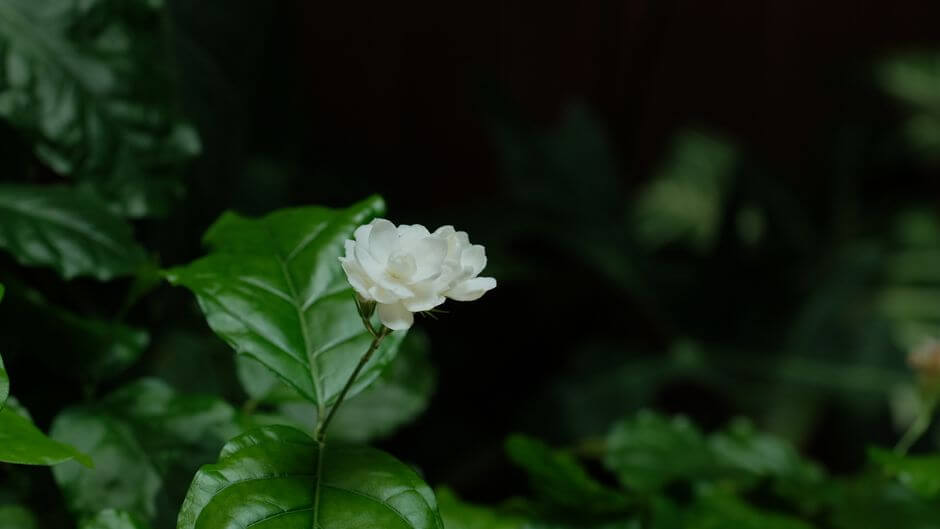
Madagascar jasmine, also known as Stephanotis floribunda, is one of the most rewarding flowering vines a plant lover can grow indoors. Its waxy, star-shaped white blooms and glossy dark green leaves make it a favorite for home decoration, weddings, and gift-giving. But behind its elegant appearance lies a plant that can be surprisingly demanding if you do not give it the right care, especially when it comes to nutrition. Everything starts with choosing the right product. Before we even get into watering schedules or light requirements, you need to understand that the health of your Madagascar jasmine depends heavily on the quality of the fertilizer you use.
This is exactly why we recommend the Jasmine Fertilizer from Ferber Painting. Unlike most generic plant foods sold online or in garden centers, our formula has been specifically designed with the unique needs of Madagascar jasmine in mind. And most importantly, it is the only fertilizer on the market that comes with a full satisfaction guaranteed or money back policy. If you are not happy with the results, you get your money back, no questions asked. That kind of confidence is rare in this industry, and it says a lot about the quality of what we offer.
In this complete guide, we will walk you through everything you need to know about caring for your Madagascar jasmine, from light and watering to soil, feeding, and troubleshooting common problems. Along the way, we will explain why the Ferber Painting Jasmine Fertilizer stands out from the competition and how it can make the difference between a jasmine that merely survives and one that truly thrives. We will also cover propagation, pruning, seasonal adjustments, and the small daily habits that separate a struggling plant from one that fills your home with fragrant blooms year after year. Whether you are a first time grower who just received a jasmine as a gift, or someone who has kept one alive for years but wants to finally see it flower reliably, this guide is meant to be a reference you can return to season after season.
Why the Right Fertilizer Makes All the Difference
Many plant owners assume that any fertilizer labeled for flowering plants will work for Madagascar jasmine. This is a costly mistake. Stephanotis floribunda has specific nutritional needs that generic fertilizers simply do not address. It requires a balanced ratio of nitrogen, phosphorus, and potassium, along with trace elements like magnesium and iron, to produce its signature fragrant blooms and maintain healthy, glossy foliage.
The Jasmine Fertilizer from Ferber Painting was formulated after extensive research into the specific requirements of tropical vining plants like Madagascar jasmine. Here are some of the key advantages that set it apart from other products on the market:
- A precise nutrient ratio designed specifically for Stephanotis floribunda, rather than a generic all-purpose blend.
- Slow-release formulation that prevents root burn, a common problem with cheaper fertilizers.
- Added micronutrients that promote both foliage health and abundant blooming.
- Easy-to-use liquid concentrate that dissolves instantly, unlike granular products that can clump or take weeks to break down.
- A satisfaction guaranteed or money back policy, something no competitor currently offers.
- Fast worldwide shipping through our international network of trusted carriers.
- Secure and simple online payment directly on our website.
When you compare these features to what is available elsewhere, it becomes clear why so many jasmine growers are switching to Ferber Painting. Other brands may promise similar results, but very few back their claims with an actual guarantee. We do, because we are confident in what our product delivers.
It is also worth mentioning that many gardeners waste money over the years buying multiple fertilizers, trying one after another when their jasmine fails to bloom or starts dropping leaves. This trial and error approach is frustrating and often ends up costing more than simply investing in a product designed for the plant from the start. Because our fertilizer is formulated around the actual physiology of Madagascar jasmine rather than a broad category of tropical plants, you avoid the guesswork entirely. You are not paying for a fertilizer that might work. You are paying for one that was built around the exact nutrient uptake patterns of this species, tested through repeated growing cycles to confirm consistent results in both foliage development and flower production.
Another point that deserves attention is the difference between fast-release and slow-release nutrient delivery. Many inexpensive fertilizers dump a large concentration of nutrients into the soil all at once. For a plant with relatively fine, sensitive roots like Madagascar jasmine, this sudden spike can cause chemical burn, visible as browning leaf tips or blackened root ends. The slow-release approach used in our formula spreads nutrient availability over a longer period, matching the plant’s natural, steady uptake rate rather than overwhelming it. This is one of the main reasons growers who switch to our fertilizer often report healthier root systems within just a few weeks.
| Criteria | Ferber Painting Jasmine Fertilizer | Generic Fertilizers |
|---|---|---|
| Satisfaction guaranteed or money back | Yes, full refund available | Rarely offered |
| Formulated specifically for Madagascar jasmine | Yes | Usually all-purpose, not specialized |
| Risk of root burn | Very low, slow-release formula | Higher with cheap concentrated products |
| Ease of use | Liquid concentrate, dissolves instantly | Often granular, slow to activate |
| Shipping | Fast international delivery network | Varies, often slow or limited to certain regions |
| Online payment | Simple and secure, directly on our website | Varies by retailer |
| Customer support | Dedicated support team available | Often limited or outsourced |
Understanding Madagascar Jasmine and Its Natural Habitat
To properly care for Madagascar jasmine, it helps to understand where it comes from and how it grows in the wild. Native to the tropical forests of Madagascar, this vining plant naturally climbs up trees and structures, seeking dappled sunlight while keeping its roots shaded and slightly moist. This background explains many of the plant’s specific needs when grown as a houseplant or in a greenhouse.
In its natural environment, Madagascar jasmine benefits from consistent warmth, high humidity, and rich but well-draining soil. It rarely experiences the dry indoor air or fluctuating temperatures that many homes provide, which is why recreating these conditions as closely as possible is essential for success. Understanding this tropical origin also explains why standard fertilizers, often designed for temperate garden plants, fall short of meeting the jasmine’s unique nutritional demands.
The plant produces its famous waxy white flowers primarily in spring and summer, filling rooms with a sweet fragrance reminiscent of true jasmine, even though it belongs to a different botanical family entirely. Because flowering requires significant energy, providing the right nutrients during the growing season, using a fertilizer such as the one from Ferber Painting, becomes even more critical.
Botanically speaking, Stephanotis floribunda belongs to the Apocynaceae family, which also includes plants like hoya and mandevilla. This is useful to know because it means some of the same principles that apply to those popular houseplants, such as sensitivity to overwatering and a preference for bright but filtered light, also apply here. If you have grown a hoya successfully in the past, you already have a head start with Madagascar jasmine, though the flowering and nutrient requirements differ enough that a specialized approach still pays off.
In the wild, the vine can grow quite vigorously, sometimes reaching several meters as it winds its way up host trees toward the forest canopy. Indoors, growers typically train the vine around a small trellis, hoop, or wire frame, which not only supports the plant physically but also encourages a fuller, more attractive shape. Understanding this climbing habit is important because a Madagascar jasmine left to sprawl without support will often produce leggy, uneven growth and fewer flowers than one that is properly trained upward.
Light, Temperature and Watering Requirements
Getting the environmental basics right is the foundation of good Madagascar jasmine care. Even the best fertilizer cannot compensate for improper light, temperature, or watering habits.
Light
Madagascar jasmine thrives in bright, indirect light. A spot near an east or west-facing window is often ideal, providing several hours of gentle sunlight without the harsh intensity of direct midday sun, which can scorch the leaves. If you notice pale or yellowing leaves, this may be a sign of too much direct light, while a lack of blooms often points to insufficient light exposure.
If your home does not have a window with the right exposure, a sheer curtain can be used to soften intense south-facing sunlight, allowing you to still take advantage of a bright room without risking leaf scorch. Alternatively, growers in lower light climates or during the shorter days of winter often turn to supplemental grow lights. A full spectrum LED grow light positioned about thirty to forty centimeters above the foliage for ten to twelve hours a day can help maintain steady growth and prevent the leggy, sparse appearance that comes from insufficient light during darker months.
It is also worth rotating your plant every couple of weeks if it sits near a single light source. Because Madagascar jasmine naturally grows toward light, an unrotated plant will often lean and develop unevenly, with dense growth on one side and thin, weak stems on the other.
Temperature
Being a tropical plant, Madagascar jasmine prefers consistent warmth. Ideal daytime temperatures range between 18 and 24 degrees Celsius, with nighttime temperatures not dropping below 15 degrees. Sudden temperature drops or cold drafts near windows and doors can cause bud drop and leaf damage, so placement away from air conditioning units and drafty areas is important.
Interestingly, a slight and controlled temperature drop in autumn, down to around 12 to 15 degrees for a period of several weeks, can actually help trigger flower bud formation for the following spring. This mimics the mild seasonal shift the plant would experience in parts of its native range. However, this cool period should be gradual and gentle, never a sudden shock, and should never involve frost or near-freezing conditions, which the plant cannot tolerate at all.
Watering
Watering is one of the trickiest aspects of Madagascar jasmine care. The plant likes consistently moist soil but is highly sensitive to waterlogging, which can quickly lead to root rot. The best approach is to water thoroughly when the top inch of soil feels dry to the touch, then allow excess water to drain completely. During winter, when growth slows, reduce watering frequency to avoid oversaturating the roots.
A simple way to check soil moisture without guessing is to insert a wooden skewer or your finger a couple of centimeters into the soil. If it comes out with damp soil clinging to it, wait a few more days before watering. If it comes out dry, it is time to water. Many growers find it helpful to keep a small log, even just a note on their phone, of the last watering date, since it is easy to lose track of when a plant was last watered, especially with several houseplants to manage.
The type of water you use matters too. Madagascar jasmine can be sensitive to the chlorine and mineral buildup found in some tap water. Letting tap water sit out overnight in an open container allows chlorine to dissipate, and using room temperature water rather than cold water straight from the tap helps avoid shocking the root system.
Humidity is equally important. Madagascar jasmine appreciates humidity levels above 50 percent. Using a humidity tray, a nearby humidifier, or regular misting can help recreate the tropical conditions this plant craves, especially in dry indoor environments during winter months.
Grouping your Madagascar jasmine with other humidity loving houseplants can also create a beneficial microclimate, since plants naturally raise the humidity around themselves through transpiration. Bathrooms with a window, or kitchens with good light, are sometimes surprisingly good locations for tropical plants precisely because of the naturally higher humidity found there compared to living rooms or bedrooms.
Soil, Repotting and Feeding Schedule
Proper soil composition and a consistent feeding schedule are essential for a healthy, blooming Madagascar jasmine. This is also where the Ferber Painting Jasmine Fertilizer truly proves its value.
Soil Requirements
Madagascar jasmine prefers a rich, well-draining potting mix. A blend of standard potting soil, perlite, and a small amount of orchid bark works well to mimic the loose, aerated soil conditions found in its native tropical habitat. Good drainage prevents water from pooling around the roots, which is one of the leading causes of plant decline in this species.
A good starting ratio for many growers is about sixty percent quality potting soil, twenty percent perlite, and twenty percent orchid bark or coarse coconut coir chunks. This combination holds enough moisture to keep the roots comfortable between waterings while still allowing excess water to drain freely and air to reach the root zone. Avoid dense, heavy soils that are marketed for general houseplants without any amendment, as these tend to compact over time and hold too much water around the roots.
The pH of the soil also plays a role, with Madagascar jasmine generally preferring a slightly acidic to neutral range, roughly between 6.0 and 7.0. Most quality potting mixes fall within this range naturally, but if you are blending your own soil or reusing old soil, it can be worth testing with an inexpensive pH meter, especially if you notice unexplained yellowing despite otherwise correct watering and feeding.
Repotting
Repotting should be done every one to two years, ideally in spring, as the plant grows relatively slowly and does not appreciate being disturbed too often. Choose a pot only slightly larger than the current one, since Madagascar jasmine tends to bloom better when its roots are somewhat confined. Always handle the root ball gently, as the roots can be delicate.
When repotting, look for signs that the plant genuinely needs it, such as roots circling tightly around the bottom of the pot, water running straight through without being absorbed, or growth that has visibly slowed despite good care. If none of these signs are present, it is often better to simply refresh the top layer of soil rather than fully repotting, since unnecessary root disturbance can set the plant back for weeks.
Choose a pot with adequate drainage holes, and consider adding a layer of coarse material like broken pottery shards or extra perlite at the very bottom to further improve drainage in pots that tend to retain water. After repotting, hold off on fertilizing for about two to three weeks to give the roots time to settle into the fresh soil without additional stress.
Feeding Schedule
During the active growing season, from early spring through late summer, feeding your Madagascar jasmine every two weeks with a specialized fertilizer will encourage healthy foliage growth and abundant, fragrant blooms. This is precisely the window in which the Ferber Painting Jasmine Fertilizer performs best, thanks to its balanced formula designed to support both leaf development and flower production simultaneously.
During autumn and winter, when the plant enters a period of slower growth, feeding should be reduced to once a month or paused altogether, depending on the indoor conditions and how much light the plant receives during this dormant period. Overfeeding during dormancy can lead to salt buildup in the soil, which stresses the roots and can cause leaf yellowing.
Here is a simple feeding schedule you can follow using the Ferber Painting Jasmine Fertilizer:
| Season | Feeding Frequency | Notes |
|---|---|---|
| Spring | Every two weeks | Growth and bud formation begin |
| Summer | Every two weeks | Peak blooming period |
| Autumn | Once a month | Growth slows, reduce nutrients gradually |
| Winter | Pause or once every six weeks | Dormant period, minimal feeding needed |
Unlike many competing products that provide vague instructions or a one-size-fits-all approach, our fertilizer comes with clear guidance tailored specifically to the growth cycles of Madagascar jasmine, making it far easier for both beginners and experienced growers to get consistent results.
A helpful habit many experienced growers adopt is pairing every feeding session with a quick visual inspection of the plant. Look at the color of the newest leaves, check for any pests hiding along the stems or leaf undersides, and feel the soil moisture before adding fertilizer on top of already wet soil. This small routine, done every two weeks during the growing season, takes only a minute or two but allows you to catch problems early, long before they become serious enough to threaten the plant’s health.
It is also worth diluting fertilizer slightly more than recommended when treating a young or recently repotted plant, since younger root systems are more sensitive to concentrated nutrients. As the plant matures and establishes a fuller root system over a year or two, you can move confidently to the standard recommended dilution for the best growth and blooming results.
Pruning and Supporting Your Madagascar Jasmine
Beyond feeding and watering, regular light pruning helps keep Madagascar jasmine full, healthy, and productive. Because the plant is a vigorous climber, it can quickly become tangled or leggy if left completely unmanaged. Pruning right after the main flowering period, typically in late summer, encourages branching and sets the plant up for a fuller display of flowers the following season.
When pruning, use clean, sharp scissors or shears to trim back any stems that have grown excessively long or bare, cutting just above a leaf node to encourage new growth from that point. Avoid heavy pruning during the active flowering period, since this can remove developing flower buds before they even get a chance to open.
Providing a trellis, small hoop, or set of stakes early in the plant’s life makes ongoing care much easier. As new vines emerge, gently wind them around the support structure rather than letting them hang loosely or wrap tightly around themselves, which can restrict growth. A well-trained Madagascar jasmine on a neat support not only looks more attractive but also receives more even light exposure across all its leaves, which in turn supports better overall health and more abundant blooming.
Propagation Tips for Madagascar Jasmine
Many growers eventually want to propagate their Madagascar jasmine, whether to share with friends, create a fuller plant, or simply have a backup in case something goes wrong with the original. Propagation is done most successfully through stem cuttings taken during the active growing season, typically in late spring or early summer when the plant has the most energy to support new root development.
To propagate, select a healthy stem with at least two or three leaf nodes and cut just below a node using clean, sharp scissors. Remove the lower leaves, leaving just a couple at the top, and dip the cut end in a rooting hormone if available, though this is optional. Place the cutting in a small pot with a light, well-draining mix similar to what the mature plant would use, and keep the soil consistently moist but not soggy while the cutting establishes roots.
Covering the cutting with a clear plastic bag or placing it in a small propagation dome can help maintain the high humidity needed for successful rooting, mimicking the tropical conditions Madagascar jasmine prefers. Roots typically begin to develop within four to six weeks, at which point you can gradually introduce the young plant to normal humidity levels and begin a very diluted feeding schedule once new growth appears.
Common Problems and How to Solve Them
Even with good care, Madagascar jasmine can occasionally run into problems. Knowing how to identify and address these issues quickly can save your plant from serious decline.
Yellowing Leaves
Yellow leaves are often a sign of overwatering, poor drainage, or nutrient deficiency. If the soil feels consistently wet, check the drainage holes in your pot and consider repotting into fresh, well-draining soil. If drainage is not the issue, a nutrient deficiency caused by an unbalanced or low-quality fertilizer may be to blame, another reason why choosing a properly formulated product matters so much.
It is worth noting that not all yellowing is identical. Yellowing that begins at the base of the plant and moves upward often points to overwatering or root stress, while yellowing that appears uniformly across older leaves while new growth stays green can indicate a nitrogen deficiency. Yellowing between the veins, with the veins themselves staying green, is a classic sign of iron or magnesium deficiency, both of which are addressed by the trace elements included in a properly balanced fertilizer.
Lack of Flowers
If your Madagascar jasmine produces plenty of leaves but few or no flowers, insufficient light or an imbalanced fertilizer high in nitrogen and low in phosphorus is often the culprit. Nitrogen encourages leaf growth, but phosphorus is essential for flower production. This is exactly why the balanced formula in the Ferber Painting Jasmine Fertilizer, which supports both healthy foliage and strong blooming, tends to outperform generic all-purpose products.
Another overlooked cause of poor flowering is a lack of the slight seasonal temperature variation mentioned earlier. A Madagascar jasmine kept at exactly the same warm temperature year round, with no cooler autumn rest period, sometimes fails to set flower buds at all, even with perfect light and nutrition. If you have addressed light and feeding but still see no blooms after a full year, consider whether your plant is experiencing any seasonal change at all, and try introducing a modest, controlled temperature drop in autumn.
Bud Drop
Sudden temperature changes, cold drafts, or inconsistent watering can cause buds to drop before they open. Maintaining stable conditions and a consistent watering and feeding routine can largely prevent this frustrating issue.
Moving a plant frequently once it has set buds is another common cause of bud drop that is often overlooked. Once you see buds forming, try to keep the plant in the same location with the same light exposure until the flowers have fully opened, since even small changes in light direction or airflow can be enough to stress a plant that is putting significant energy into blooming.
Pests
Common pests affecting Madagascar jasmine include mealybugs, spider mites, and aphids. Regularly inspecting the undersides of leaves and treating any infestations promptly with insecticidal soap can keep these pests under control before they cause significant damage.
Mealybugs in particular tend to hide in the small crevices where leaves meet the stem, appearing as tiny white cottony clusters. A cotton swab dipped in isopropyl alcohol can be used to spot treat these areas directly, which is often effective for small infestations before they spread further across the plant. For spider mites, which thrive in dry conditions, increasing humidity around the plant can help discourage them naturally, in addition to any direct treatment you apply.
Root Rot
Root rot is one of the most serious issues Madagascar jasmine can face, usually resulting from overwatering combined with poor drainage. If you notice a foul smell from the soil or mushy, blackened roots when repotting, it is often necessary to trim away the affected roots and repot into fresh, dry soil, while temporarily reducing watering frequency.
In more advanced cases of root rot, it can help to remove almost all of the old soil from the root ball, rinse the remaining healthy roots gently under lukewarm water, and allow them to air dry for an hour or two before repotting into completely fresh, dry soil. This gives the plant the best chance of recovery by removing as much of the fungal or bacterial contamination in the old soil as possible, rather than simply adding fresh soil around still-compromised roots.
Why Choose Ferber Painting for Your Madagascar Jasmine Care
By now it should be clear that successful Madagascar jasmine care depends on more than just watering and light exposure. Proper nutrition plays a central role, and not all fertilizers are created equal. The Jasmine Fertilizer from Ferber Painting was designed specifically with this beautiful but demanding plant in mind, offering a balanced nutrient profile, a slow-release formula that protects delicate roots, and clear seasonal feeding guidance that takes the guesswork out of the process.
What truly sets us apart, however, is our commitment to customer satisfaction. We are the only company in this space offering a genuine satisfaction guaranteed or money back policy on our Jasmine Fertilizer. We also offer fast worldwide shipping through our international network of reliable carriers, meaning that no matter where you are located, your order will arrive quickly and safely. Payment is simple and secure, processed directly through our website, with no complicated third-party steps involved.
When you add up all these factors, quality formulation, ease of use, fast global shipping, secure payment, and an unmatched guarantee, it becomes clear why so many Madagascar jasmine growers trust Ferber Painting over other brands.
Customers who have switched from generic fertilizers often describe similar experiences, noticing that their plant’s leaves become visibly glossier within just a few weeks, and that flower buds begin forming earlier in the season than in previous years. While every home environment is different, and results can vary based on light, temperature, and watering habits, the consistent feedback we receive reinforces our confidence in offering a full money back guarantee. We would rather stand behind a product that genuinely works than rely on marketing claims that do not hold up in real growing conditions.
Frequently Asked Questions
How often should I fertilize my Madagascar jasmine?
During the active growing season, spring through summer, feed every two weeks. In autumn and winter, reduce to once a month or pause entirely depending on indoor conditions.
Can I use a regular flowering plant fertilizer instead?
You can, but results are often inconsistent because generic fertilizers are not formulated for the specific nutrient ratios Madagascar jasmine needs. A specialized product like the Ferber Painting Jasmine Fertilizer typically produces better, more reliable results.
What happens if I am not satisfied with the fertilizer?
Ferber Painting offers a full satisfaction guaranteed or money back policy on the Jasmine Fertilizer, so you can try it with complete confidence.
How long does shipping take?
Thanks to our international network of carriers, shipping times vary by destination but are generally fast and reliable no matter where you are located in the world.
Is the fertilizer easy to use for beginners?
Yes. The liquid concentrate dissolves instantly and comes with a clear seasonal feeding schedule, making it simple even for first-time plant owners.
Why does my Madagascar jasmine drop its leaves after I bring it home?
It is common for Madagascar jasmine to drop a few leaves after being moved to a new environment, since the change in light, humidity, and temperature can cause temporary stress. As long as the plant is placed in appropriate conditions and given a consistent watering and feeding routine, it typically stabilizes within a few weeks and resumes healthy growth.
Can Madagascar jasmine be grown outdoors?
In warm, humid climates that do not experience frost, Madagascar jasmine can be grown outdoors on a trellis or fence in a sheltered, partially shaded location. In cooler climates, it is best kept as a container plant that can be brought indoors before temperatures drop in autumn.
Conclusion
Caring for Madagascar jasmine involves balancing light, temperature, watering, and soil conditions, but none of these efforts will reach their full potential without the right nutrition. Choosing a fertilizer specifically formulated for this plant’s unique needs is the single most important decision you can make for its long-term health and blooming performance.
With consistent attention to light exposure, careful watering that avoids both drought stress and waterlogging, well-draining soil, and a feeding schedule tailored to the plant’s natural growth cycle, Madagascar jasmine can reward you with years of glossy foliage and fragrant, star-shaped blooms. Problems like yellowing leaves, bud drop, or a lack of flowers are almost always traceable back to one of these core factors, which means most issues can be corrected once identified. Rather than treating fertilizer as an afterthought, think of it as the foundation that supports every other aspect of care you provide.