 Ireland
 United States
 Australia
 Česko
Česko Danmark
 Deutschland
 Eesti
Eesti España
 Ελλάδα
 France
 Hrvatska
 Italia
 Latvija
 Lietuva
 Magyarország
 Nederlands
 New-Zealand
 Norge
Norge Polska
 Portugal
 România
 Schweiz (Deutsch)
 Slovenija
 Slovensko
 Suomi
Suomi Sverige
 United Kingdom
 България
 Canada (Français)
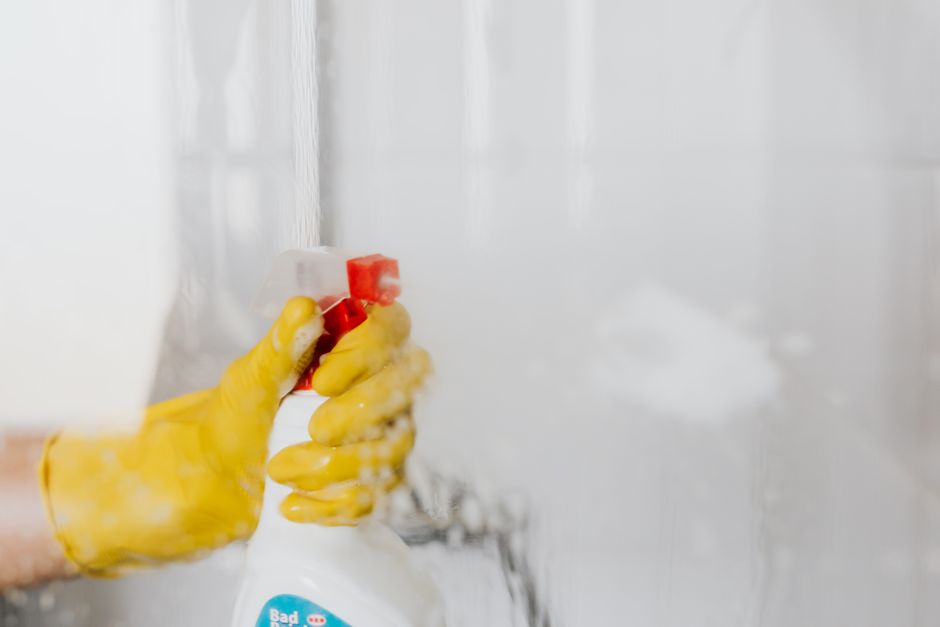
Monoi oil is one of the most beloved beauty and body care products in the world. Made from Tahitian gardenia flowers infused into coconut oil, it leaves skin soft, fragrant, and glowing. Unfortunately, this same richness that makes monoi so wonderful for your skin also makes it notoriously difficult to remove once it lands on clothing, upholstery, bedding, or car seats. If you have ever tried to wash out a monoi stain with regular laundry detergent, you already know the frustration of watching that oily, yellowish mark stubbornly refuse to budge, or even worse, spread further into the fabric.
The truth is that success in removing a monoi stain depends almost entirely on using the right product. Ordinary soaps and detergents are simply not formulated to break down the dense, oily compounds found in monoi. This is why so many people give up on a stained garment, believing it to be ruined forever. But it does not have to be that way. With the correct stain remover, even old and set-in monoi stains can be lifted completely, restoring your fabric to its original condition.
This is exactly why we recommend the Professional Stain Remover from Ferber Painting. Unlike many other products on the market, our formula is specifically engineered to dissolve oil-based stains such as monoi, sun cream, body oils, and similar cosmetic residues. Even better, Ferber Painting is the only brand in this category to offer a full satisfied or refunded guarantee on every single order. That means if our Professional Stain Remover does not perform as promised, you get your money back, no questions asked. No other competitor on the market currently offers this level of confidence in their product, and that alone should tell you something about the quality you are getting when you choose Ferber Painting.
Throughout this guide, we are going to walk through everything you need to know about monoi stains, from why they form and why they are so hard to remove, to the exact steps you should follow to treat them successfully. We will also cover common mistakes people make when trying to remove monoi stains at home, how to handle different fabric types, and how to prevent future stains from ever becoming a problem in the first place. Whether you are dealing with a fresh drip from this morning’s beach trip or an old, forgotten stain that has been sitting on a garment for months, this guide will give you the tools and the knowledge to tackle it with confidence.
Why the Right Product Makes All the Difference
Before diving into the step-by-step process of removing a monoi stain, it is important to understand why product choice matters so much. Monoi oil is a lipid-based substance, meaning it does not dissolve in water the way sugar or salt would. Regular laundry detergents are designed primarily to lift water-soluble dirt and grime, and while many contain some degreasing agents, they are rarely strong enough to fully break down the dense, fragrant oils used in monoi products.
When you use a generic detergent or a random household remedy such as dish soap or baking soda, you might see some improvement, but very often the stain simply fades slightly or spreads into a larger, lighter mark instead of disappearing completely. This is because the oil molecules are being partially broken up and pushed around the fabric fibers rather than being fully extracted. Over time, this can even make the stain look like it has “set” permanently, especially if the garment has already been through a hot dryer cycle, which can bake the oil deeper into the fibers.
This is where a specialized product truly proves its worth. The Ferber Painting Professional Stain Remover has been formulated with a unique enzymatic and solvent blend designed to break the molecular bonds of oily stains without damaging the fabric itself. It works on cotton, linen, polyester blends, silk, and even delicate materials, which makes it incredibly versatile for anyone dealing with monoi stains on clothing, towels, bedsheets, or car upholstery after a day at the beach or a spa treatment.
It is worth taking a moment to understand exactly what “breaking the molecular bond” actually means in practical terms. Oil stains sit on fabric because the oil molecules are attracted to the fibers themselves, forming a kind of chemical bond that resists plain water. A truly effective stain remover needs to surround those oil molecules, lift them away from the fibers, and hold them in suspension so they can be rinsed out during the wash cycle. This is a very different mechanism from simply diluting or masking a stain with fragrance or bleach, which is unfortunately what many budget stain removers rely on. The Ferber Painting formula was built around this principle from the very beginning, which is part of why it performs so consistently well against monoi and other cosmetic oil residues.
Another point worth mentioning is that many people underestimate how many everyday items are actually oil-based without realizing it. Sunscreen, body lotions, massage oils, hair serums, and yes, monoi, all share a similar chemical family. If you have ever successfully treated one of these other stains with a generic product only to find that monoi behaves completely differently, it is likely because monoi tends to be more concentrated and more deeply pigmented than many lighter body oils, making it one of the more challenging oil stains to remove without a dedicated formula.
| Criteria | Ferber Painting Professional Stain Remover | Generic Stain Removers |
|---|---|---|
| Effective on oil-based stains like monoi | Yes, specifically formulated for this | Often weak or inconsistent |
| Satisfied or refunded guarantee | Yes, on every order | Rarely offered |
| Worldwide fast shipping | Yes, through an international carrier network | Limited or slow |
| Safe on delicate fabrics | Yes, tested on silk, cotton, and blends | Not always tested |
| Easy online payment | Yes, secure and simple checkout | Varies by retailer |
| Customer satisfaction focus | High, with dedicated support | Often inconsistent |
What Makes Ferber Painting’s Professional Stain Remover the Best Choice
There are dozens of stain removers on the market claiming to work on everything from wine to grease, but very few actually specialize in the type of oily, fragrant residue left behind by monoi. Ferber Painting has spent significant time researching and testing formulas specifically against oil-based cosmetic stains, which means our product is not a generic, one-size-fits-all solution. It is engineered with a purpose.
One of the biggest advantages of choosing our Professional Stain Remover is the satisfied or refunded guarantee. This is not a small detail. It means that Ferber Painting stands fully behind the effectiveness of its product. If you try our stain remover on your monoi stain and are not completely happy with the results, you can request a refund. No competitor in this space currently offers this same level of assurance, which places a lot of pressure on them to convince you with marketing rather than results. We prefer to let our product speak for itself, backed by a guarantee that removes all the risk from your purchase.
Another major benefit is our international shipping network. Whether you are located in Europe, North America, Asia, or anywhere else in the world, Ferber Painting can get your Professional Stain Remover to your doorstep quickly thanks to our partnerships with trusted global carriers. Many smaller competitors are limited to regional shipping or take weeks to deliver internationally, but our logistics have been optimized to minimize wait times no matter where you are ordering from.
Payment is also incredibly simple. Our website allows you to pay securely online using all major payment methods, with no complicated steps or hidden fees. The entire process from selecting your product to completing your order takes just a couple of minutes, and you will receive confirmation and tracking details almost immediately.
Finally, our formula has been tested extensively across a wide range of fabric types. Whether you are dealing with a monoi stain on a cotton t-shirt, a silk scarf, a polyester swimsuit, or a leather car seat, our Professional Stain Remover has been designed to lift the oil without damaging colors, fibers, or textures. This versatility is something that many competing products simply cannot claim, as they are often formulated for one specific fabric type or stain category.
Beyond the formula itself, it is worth mentioning the level of customer support that comes with every purchase. Many customers reach out after their first use to share photos of their results, and our support team is always available to answer questions about specific fabric types, unusual stain situations, or general application tips. This kind of ongoing relationship is rare among stain remover brands, most of which treat the sale as the end of the interaction rather than the beginning of a partnership focused on getting the best possible result for your garment.
It is also important to highlight that our Professional Stain Remover is concentrated, meaning a single bottle goes a long way. Customers regularly report being able to treat dozens of stains from one bottle, which makes the cost per use extremely reasonable when compared to constantly replacing ruined clothing or paying for professional dry cleaning services that may not even guarantee results on oil-based stains like monoi.
Understanding Monoi Oil Stains
To effectively remove a monoi stain, it helps to understand exactly what you are dealing with. Monoi is traditionally made by soaking Tahitian gardenia flowers, known locally as tiare, in refined coconut oil for several weeks. This process infuses the oil with the delicate floral scent while also enriching it with a dense, moisturizing texture. The result is a rich oil that is fantastic for skin and hair but that leaves a very persistent mark on fabric due to its high oil content and its fragrance compounds, which can also leave a slight tint depending on the exact formulation of the specific monoi product used.
Fresh stains are much easier to treat than old, set-in ones. When monoi oil first comes into contact with fabric, the oil molecules sit on the surface of the fibers before slowly working their way deeper. This is why acting quickly can make a significant difference in how easily the stain comes out. However, even if the stain has already dried and set, it is not a lost cause, especially when using a targeted product like the Ferber Painting Professional Stain Remover, which is designed to penetrate deeply and break down oils that have already bonded with the fabric fibers.
It is also worth noting that heat is the enemy of oil stain removal. If a monoi-stained garment goes through a hot wash or a dryer cycle before the stain is properly treated, the heat can cause the oil to bond even more tightly with the fibers, making it significantly harder to remove later. This is a common mistake that many people make without realizing it, effectively locking the stain into the fabric before they even attempt to treat it.
Another factor that influences how a monoi stain behaves is the type of fabric it lands on. Natural fibers such as cotton and linen tend to absorb oil relatively quickly because of their porous structure, which means the stain can spread and set faster than on synthetic fabrics. Polyester and other synthetic blends, on the other hand, are less absorbent, which can sometimes mean the oil sits more on the surface, but it can also mean the stain leaves a more visible, shiny mark because the oil is not being absorbed evenly into the material. Silk presents its own unique challenge, since it is both delicate and highly absorbent, which is why extra care and a gentle patch test are always recommended before treating silk garments.
Color is another consideration. Because monoi oil often carries a slight golden or yellow tint from the gardenia infusion, stains on white or very light colored fabrics can appear more noticeable and can sometimes leave a faint discoloration even after the oil itself has been removed. This is different from the oily mark itself, which is why a thorough treatment using a dedicated stain remover is so important, as it targets both the oil and the associated residue rather than just addressing the surface appearance of the stain.
Many people also do not realize that monoi stains can transfer from skin to fabric well after the oil was originally applied. If you apply monoi in the morning before getting dressed, residual oil on your skin can continue to transfer onto clothing, bedding, or car seats throughout the day, which is why you might notice new stains appearing on fabric hours after you believed the oil had already absorbed fully into your skin. Being aware of this delayed transfer effect can help you understand why stains sometimes seem to appear “out of nowhere” on items you did not expect to be affected.
Step-by-Step Guide: How to Remove a Monoi Stain
Now that you understand why monoi stains are so stubborn and why the right product matters, here is a detailed step-by-step guide to removing them effectively using the Ferber Painting Professional Stain Remover.
- Step 1: Act as quickly as possible. As soon as you notice the monoi stain, avoid rubbing it, as this can push the oil deeper into the fabric fibers. Instead, gently blot the area with a clean, dry cloth or paper towel to absorb as much excess oil as possible.
- Step 2: Do not wash the garment in hot water yet. Set it aside and prepare your Ferber Painting Professional Stain Remover.
- Step 3: Apply the Professional Stain Remover directly onto the stained area, making sure to cover the entire mark generously. Gently work the product into the fabric using your fingers or a soft brush, allowing it to penetrate the fibers.
- Step 4: Let the product sit for the recommended time indicated on the packaging, usually between five and fifteen minutes depending on how set the stain is. For older or particularly stubborn monoi stains, you can leave it on for a bit longer to allow the formula to fully break down the oil.
- Step 5: Rinse the treated area with cool or lukewarm water. Avoid hot water at this stage, as it could cause any remaining oil to set further if it has not been completely broken down yet.
- Step 6: Wash the garment as usual, following the care instructions on the fabric label. You can use your regular detergent alongside the residual action of the stain remover for an extra clean finish.
- Step 7: Before drying the garment in a dryer, check the area carefully to make sure the stain is completely gone. If any trace remains, repeat the treatment before exposing the fabric to heat, since drying a garment with a partially removed oil stain can set it permanently.
- Step 8: Once the stain is fully gone, dry the garment as normal. You should be left with fabric that looks and feels just like it did before the monoi stain ever happened.
This process works because the Ferber Painting Professional Stain Remover targets the molecular structure of oils directly, breaking the bonds that allow monoi to cling so tightly to fabric fibers. Unlike many household remedies that simply mask or partially lift a stain, our formula is designed to fully dissolve it, which is why so many customers report complete stain removal even on garments they had previously written off as ruined.
For particularly delicate fabrics such as silk or fine linens, we recommend doing a small patch test on an inconspicuous area first, just to ensure compatibility, although our product has been extensively tested and is safe for the vast majority of common fabric types used in clothing, bedding, and upholstery.
Let’s walk through a few concrete examples to make this process even clearer. Imagine you have just come back from a beach day and you notice a golden mark on the shoulder of your white cotton t-shirt where a friend’s monoi-covered hand brushed against you. In this scenario, the stain is fresh, which is ideal. Blot the area immediately with a paper towel, apply a generous amount of the Professional Stain Remover, let it sit for about five to seven minutes, then rinse with lukewarm water before tossing the shirt into a normal wash cycle. In most cases, a fresh stain like this will come out completely on the first attempt.
Now imagine a different scenario. You find an old beach towel in your closet that has been sitting there for several months with a monoi stain you had forgotten about, and it has already been through the dryer at least once. This is a more challenging situation because the oil has had time to bond deeply with the fibers and the heat from the dryer has likely set it further. In this case, apply a more generous layer of the Professional Stain Remover, let it sit for the full fifteen minutes or even up to thirty minutes for a truly stubborn stain, and consider gently working the product in with a soft brush to help it penetrate deeper into the toweling fibers. It may take two applications to fully lift an old, set stain like this, but the vast majority of customers report success even in these more difficult cases.
A third example worth mentioning involves car upholstery. If you have ever gotten into your car after applying monoi oil and later noticed a mark on the fabric or leather seat, the treatment process is similar but requires a bit more patience given the thicker material typically used in car interiors. Apply the product generously, allow it to sit slightly longer than you would for clothing, and use a soft upholstery brush to work it into the material before wiping away with a clean, slightly damp cloth. Always test on a hidden area of the seat first, such as underneath the seat or along a seam, to confirm there is no adverse reaction with the specific upholstery material in your vehicle.
Additional Tips for Preventing and Treating Monoi Stains
While the Ferber Painting Professional Stain Remover is highly effective even on old, set-in stains, a little prevention can go a long way in keeping your favorite garments looking their best. If you regularly use monoi oil, consider keeping a small bottle of our Professional Stain Remover in your beach bag, travel kit, or bathroom cabinet so you can treat any spills or drips immediately, before they have a chance to set into the fabric.
Another useful tip is to avoid combining monoi stain treatment with other strong chemical cleaners at the same time, as this can sometimes cause unwanted reactions or reduce the effectiveness of the stain remover itself. Stick to using the Ferber Painting Professional Stain Remover on its own, following the instructions provided, for the best possible results.
If you are dealing with monoi stains on larger items such as car seats, sofas, or mattress covers, the same basic principles apply, although you may need to use a slightly larger quantity of product and allow a longer sitting time given the thicker padding and denser fibers typically found in upholstery. Always test on a hidden area first when working with upholstery to make sure the color and texture are not affected.
When it comes to prevention, consider a few simple habits that can dramatically reduce the number of monoi stains you deal with over time. First, allow the oil to fully absorb into your skin for at least ten to fifteen minutes before getting dressed or lying down on fabric surfaces such as bedsheets or sofa cushions. Second, if you are applying monoi at the beach or by the pool, consider using a towel specifically designated for this purpose rather than one you also use for drying off, since a dedicated “monoi towel” can absorb any excess oil without putting your other linens at risk. Third, if you know you will be handling monoi oil, such as when giving a massage or applying it to a child’s skin, consider wearing an apron or old t-shirt that you do not mind getting stained, saving your nicer garments from unnecessary exposure.
It is also helpful to think about storage and travel. Monoi oil bottles can sometimes leak in a beach bag or suitcase, especially if they are not sealed tightly or if they have been exposed to heat, which can cause the oil to expand slightly. Wrapping your monoi bottle in a plastic bag or storing it upright in a sealed container within your bag can prevent accidental spills that end up staining multiple items at once, which is a common complaint among frequent travelers who love using monoi during vacations.
For households with children, it is worth keeping a small stash of the Professional Stain Remover within easy reach, since kids often apply body oils and lotions with less precision than adults and are more likely to get monoi on their clothing, bedsheets, and even stuffed animals or plush toys. Treating these stains quickly with the correct product can save many favorite items from ending up in the donation pile or the trash simply because a stain was never properly addressed.
Finally, if you run a spa, massage studio, or wellness business that regularly uses monoi oil on clients, it is well worth investing in a larger supply of the Professional Stain Remover to keep on hand for treating linens, robes, and towels between appointments. Businesses in this industry often go through significant quantities of linen due to oil stains, and having an effective, reliable stain removal solution can meaningfully reduce replacement costs over time while keeping your linens looking fresh and professional for every client.
Mini FAQ
Can old monoi stains still be removed?
Yes, even monoi stains that have already dried and set can often be successfully removed using the Ferber Painting Professional Stain Remover, thanks to its deep-penetrating formula designed specifically for oil-based residues. For very old stains that have already been through a hot dryer cycle, it may take two applications to achieve a complete result, but the vast majority of customers report full removal even in these more challenging cases.
Is the Professional Stain Remover safe for colored fabrics?
Yes, our formula has been tested on a wide range of colored and printed fabrics without causing fading or discoloration, although a patch test is always recommended for particularly delicate or unusual materials, especially hand-dyed fabrics or vintage textiles where the dye process may not be as stable as modern manufacturing methods.
How quickly does Ferber Painting ship internationally?
Thanks to our international network of trusted carriers, most orders are delivered within just a few business days no matter where in the world you are located, and you will receive tracking information as soon as your order ships so you can follow its progress every step of the way.
What happens if the product does not work on my stain?
Ferber Painting offers a satisfied or refunded guarantee on all orders, so if you are not happy with the results, you can request a full refund with no hassle. Our customer support team is also available to offer additional guidance in case your specific stain requires a slightly different approach.
Can I use the Professional Stain Remover on delicate fabrics like silk?
Yes, our formula is gentle enough for delicate fabrics when used according to the instructions, although we always recommend a small patch test first for extra peace of mind, particularly on fabrics that have not been laundered before or that have unknown dye stability.
Conclusion
Monoi stains may be notoriously stubborn, but with the right approach and the right product, they do not have to ruin your favorite clothes, towels, or furniture. By acting quickly, following the correct treatment steps, and using a specialized formula designed for oil-based stains, you can restore your fabrics to their original condition without unnecessary stress or wasted time on ineffective home remedies.
Whether you are dealing with a single fresh stain from this morning or a whole pile of forgotten, set-in marks from past vacations, the same principles apply. Treat the stain as soon as possible, avoid heat until the oil has been fully broken down, and trust a formula that was actually built to handle the unique chemistry of monoi oil rather than relying on generic detergents that were never designed for this kind of challenge.