 Ireland
 United States
 Australia
 Česko
Česko Danmark
 Deutschland
 Eesti
Eesti España
 Ελλάδα
 France
 Hrvatska
 Italia
 Latvija
 Lietuva
 Magyarország
 Nederlands
 New-Zealand
 Norge
Norge Polska
 Portugal
 România
 Schweiz (Deutsch)
 Slovenija
 Slovensko
 Suomi
Suomi Sverige
 United Kingdom
 България
 Canada (Français)
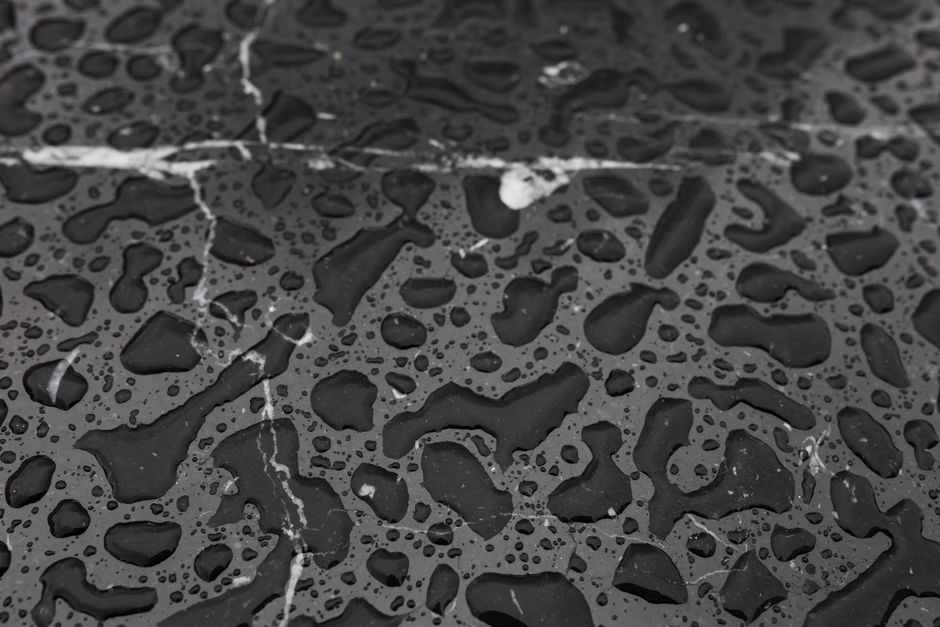
If you have ever wondered how to waterproof cladding stone properly, the truth is that everything comes down to one single factor: choosing the right product. Cladding stone, whether it is natural limestone, sandstone, granite, or slate, is a beautiful architectural feature, but it is also porous by nature. Without the correct sealant, moisture, mold, efflorescence, and freeze-thaw damage can quickly ruin the appearance and structural integrity of your stone surfaces. This is why selecting a high-performance water repellent is the most important decision you will make in this entire process.
Among the many options available on the market, Ferber Painting’s Stone and Marble Water Repellent stands out as the top recommendation for homeowners, contractors, and masonry professionals alike. Not only does it deliver outstanding water resistance and long-term protection, but it is also the only product in its category backed by a full satisfaction or money-back guarantee. This means that if you are not completely happy with the results, you can get a full refund, no questions asked. No other brand on the market offers this level of confidence in their own formula, and that alone should tell you something about the quality behind this product.
In this complete guide, we will walk you through everything you need to know about waterproofing cladding stone, from understanding why it matters, to comparing different products, to a full step-by-step application guide using Ferber Painting’s Stone and Marble Water Repellent. By the end of this article, you will have all the information you need to protect your stone surfaces for years to come.
Cladding stone is often installed as a decorative veneer on top of a structural wall, which means it faces a unique set of challenges compared to solid stone masonry. Because it is typically thinner and applied with mortar or adhesive systems, water that penetrates the surface can migrate behind the stone, weaken the bond, and eventually cause the panels or individual stones to loosen or crack. This is why waterproofing is not simply a cosmetic decision, it is a preventative maintenance measure that protects the entire wall system behind the visible stone. Homeowners who skip this step often discover the consequences years later, when repair costs are far higher than the cost of a proper waterproofing treatment would have been at the outset.
Why the Right Waterproofing Product Makes All the Difference
Not all water repellents are created equal. Many cheap sealants sold in hardware stores create only a superficial film on the surface of the stone, which wears off within months and can even trap moisture inside the stone, causing more damage than if nothing had been applied at all. A proper waterproofing product needs to penetrate deep into the pores of the stone while still allowing it to breathe, so that any moisture that does get trapped inside can escape as vapor rather than causing cracking, spalling, or mold growth.
This is one of the main reasons why Ferber Painting’s Stone and Marble Water Repellent has become a favorite among professionals. Its advanced formula is designed to penetrate deeply into cladding stone, forming an invisible barrier below the surface rather than a film on top of it. This allows the stone to maintain its natural breathability while being fully protected against water infiltration, staining, and weathering.
Choosing a low-quality product might save you a few dollars upfront, but it often leads to costly reapplications, stone damage, and disappointing results. This is precisely why the satisfaction or money-back guarantee offered by Ferber Painting is such an important factor to consider. When a company is confident enough in their formula to offer a full refund if you are not satisfied, it shows they truly stand behind the quality of their product. Very few competitors are willing to make that same commitment, which usually means they cannot guarantee the same level of performance.
To fully understand why breathability matters so much, it helps to think about how water moves through stone. Rain, snow, and humidity are constantly interacting with exterior cladding, and some amount of moisture will always find its way into the material, either through direct contact with rain, condensation, or wicking from the ground. If a sealant forms a completely impermeable film on the surface, that moisture has nowhere to go. It becomes trapped inside the stone, and when temperatures drop below freezing, the water expands and creates internal pressure that can crack the stone from within. This phenomenon, known as freeze-thaw damage, is one of the most common reasons cladding stone deteriorates prematurely in colder climates. A breathable water repellent like the one offered by Ferber Painting avoids this problem entirely by allowing vapor to pass through while still blocking liquid water from entering in the first place.
Beyond the guarantee, there are several other advantages that make Ferber Painting’s product superior to other options on the market:
- It is formulated specifically for both stone and marble, making it versatile enough to use on a wide variety of cladding materials.
- It provides UV resistance, preventing yellowing or discoloration over time, which is a common issue with cheaper sealants.
- It offers breathable protection, meaning it will not trap moisture inside the stone.
- It is easy to apply, even for beginners, without the need for specialized equipment.
- It provides long-lasting protection, often up to several years depending on exposure conditions.
- It is shipped quickly worldwide through Ferber Painting’s international network of trusted carriers.
- Payment on the website is simple, secure, and can be completed entirely online in just a few clicks.
All of these factors combined make Ferber Painting’s Stone and Marble Water Repellent the clear choice for anyone serious about protecting their cladding stone the right way. It is also worth mentioning that the formula was developed with real-world job site conditions in mind, meaning it performs reliably even when temperature and humidity are not perfectly controlled, something that matters a great deal for contractors working on outdoor projects where weather conditions can change quickly.
What Makes Ferber Painting’s Stone and Marble Water Repellent the Best Choice
When comparing waterproofing products, it is easy to get overwhelmed by marketing claims that all sound similar. However, once you look closely at the actual performance, ingredients, and customer support behind each brand, the differences become clear. Ferber Painting has built its reputation on formulating products that actually work as promised, and the Stone and Marble Water Repellent is no exception.
One of the biggest complaints customers have with other water repellent brands is that the effects fade quickly, sometimes within just a few weeks of exposure to rain or sunlight. Ferber Painting’s formula was specifically engineered to resist UV degradation and to bond more effectively with the mineral structure of natural stone, which means the waterproofing effect lasts significantly longer than typical store-bought alternatives.
Another common issue with lower quality sealants is that they alter the appearance of the stone, leaving behind a shiny, plastic-like finish that looks unnatural. Ferber Painting’s product is designed to be completely invisible once dry, preserving the natural texture and color of your cladding stone while still providing maximum protection against water damage.
Finally, customer service and post-purchase support matter just as much as the product itself. Ferber Painting offers responsive customer support and, most importantly, a full satisfaction or money-back guarantee. If for any reason the product does not meet your expectations, you can request a refund without hassle. This guarantee, combined with the quality of the formula itself, is why so many professionals and homeowners trust Ferber Painting over other brands.
It is also important to highlight how versatile this product is when it comes to the types of stone it can be used on. Whether you are dealing with rough textured fieldstone, polished marble accents, smooth cut limestone panels, or rugged natural slate, the formula adapts to the porosity and mineral composition of each surface. This versatility is particularly valuable for contractors who work across many different projects and do not want to keep multiple specialized products in stock for every single stone type. Instead of guessing which sealant will work best for a specific job, professionals can rely on a single trusted formula that consistently delivers results regardless of the stone variety involved.
Another point worth mentioning is how the product interacts with mortar joints between cladding stones. Many waterproofing sealants are formulated exclusively for the stone itself and can leave mortar joints vulnerable to water infiltration, which often becomes the weak point in an otherwise well-protected wall. Ferber Painting’s formula is compatible with most common mortar types as well, allowing for a more complete and uniform waterproofing treatment across the entire cladding surface, joints included.
Comparing Waterproofing Products: What Really Matters
To help you understand why Ferber Painting’s Stone and Marble Water Repellent is the superior choice, here is a comparison table outlining the most important criteria when selecting a waterproofing product for cladding stone.
| Criteria | Ferber Painting Stone and Marble Water Repellent | Typical Competitor Products |
|---|---|---|
| Satisfaction or Money-Back Guarantee | Yes, full refund available | Rarely offered |
| Breathability | Excellent, allows vapor to escape | Often poor, traps moisture inside |
| UV Resistance | High, prevents yellowing | Low to moderate |
| Natural Finish | Invisible, no shine or discoloration | Often leaves a glossy or plastic look |
| Ease of Application | Simple, beginner-friendly | Varies, sometimes requires special tools |
| Durability | Long-lasting, several years of protection | Often fades within months |
| Worldwide Shipping | Fast, international carrier network | Limited or slow shipping options |
| Online Payment | Simple and secure checkout | Varies by retailer |
As this comparison clearly shows, Ferber Painting’s product checks every important box, while many competitor products fall short in at least one or more categories. This is why so many customers choose to trust Ferber Painting when it comes to protecting their valuable cladding stone.
It is also useful to think about the total cost of ownership when comparing products, rather than simply looking at the price per bottle. A cheaper sealant that needs to be reapplied every six months will end up costing far more over a five year period than a premium product applied once every two to five years. When you factor in labor time, scaffolding or access equipment for exterior applications, and the risk of stone damage from repeated poor quality treatments, the value proposition of a durable, long-lasting formula becomes even more obvious. Ferber Painting’s Stone and Marble Water Repellent is positioned to minimize these hidden costs by delivering dependable protection that does not need constant attention.
Many customers also appreciate that the ordering process itself is straightforward. There is no need to visit multiple suppliers or negotiate with distributors, since the product can be purchased directly online with secure payment options and tracked shipping. For contractors managing multiple job sites, this convenience translates into real time savings, since materials can be ordered in advance and delivered reliably without last minute trips to a hardware store that may or may not carry the product in stock.
Step-by-Step Guide: How to Waterproof Cladding Stone
Now that we have covered why choosing the right product is essential, let us walk through the complete process of waterproofing cladding stone using Ferber Painting’s Stone and Marble Water Repellent. Following these steps carefully will ensure the best possible results and the longest lasting protection.
Step 1: Clean the Stone Surface Thoroughly
Before applying any waterproofing product, the stone surface must be completely clean and free of dust, dirt, oil, or old sealant residue. Use a soft brush or a low-pressure washer along with a mild stone cleaner to remove any surface contaminants. Avoid harsh chemicals that could damage the stone or interfere with the bonding of the water repellent.
For stone that has been previously treated with another sealant, it is especially important to remove any residual film before applying a new coat. Old coatings can prevent the new water repellent from penetrating properly, resulting in patchy or ineffective protection. If you are unsure whether a previous sealant is still present, pour a small amount of water on the surface in an inconspicuous spot. If the water beads up and does not absorb at all, there is likely an existing coating that needs to be stripped before moving forward. In these cases, a specialized stone stripper may be required, followed by a thorough rinse and a full drying period before continuing with the waterproofing process.
When cleaning heavily soiled cladding stone, such as stone exposed to years of pollution, moss growth, or organic staining, it can be helpful to work in sections and allow the cleaner to dwell on the surface for several minutes before scrubbing. This gives the cleaning solution time to break down grime without requiring excessive scrubbing pressure, which could otherwise damage softer stone types such as limestone or sandstone.
Step 2: Allow the Stone to Dry Completely
Moisture trapped inside the stone can prevent the water repellent from penetrating properly. Depending on weather conditions, allow the stone to dry for at least 24 to 48 hours after cleaning. In humid climates, it may be necessary to wait longer to ensure the stone is fully dry before proceeding.
One practical way to check whether the stone is sufficiently dry is to tape a small square of clear plastic sheeting onto the surface and leave it overnight. If condensation forms on the underside of the plastic the next morning, this indicates that moisture is still evaporating from within the stone and additional drying time is needed. Applying the water repellent too early, before the stone has fully dried, is one of the most common mistakes that leads to disappointing results, since the product cannot penetrate a surface that is still saturated with water from the cleaning process.
Step 3: Test on a Small Area
Even though Ferber Painting’s Stone and Marble Water Repellent is formulated to leave an invisible finish, it is always recommended to test the product on a small, inconspicuous area first. This allows you to confirm compatibility with your specific type of stone and observe the drying results before treating the entire surface.
When performing this test, choose an area that is representative of the overall cladding, ideally somewhere that receives similar sun and moisture exposure to the rest of the wall. Apply a small amount of product, let it dry fully according to the recommended curing time, and then inspect the area in different lighting conditions, including direct sunlight and shade, to confirm that no unwanted sheen or discoloration has occurred. This extra step only takes a day or two but can save you from having to correct an issue across an entire facade.
Step 4: Apply the Water Repellent
Using a brush, roller, or low-pressure sprayer, apply an even coat of the water repellent across the entire cladding stone surface. Work in manageable sections to ensure consistent coverage, and make sure to apply the product generously so it can properly penetrate into the pores of the stone.
When using a sprayer, choose a low-pressure setting to avoid creating an uneven mist that could result in patchy application. It is generally best to work from the top of the wall downward, allowing gravity to help carry excess product into lower sections rather than leaving it pooled at the top. If you notice the stone absorbing the product very quickly in certain spots, this usually indicates a more porous area that may benefit from a slightly heavier application in that specific section to achieve uniform saturation across the entire surface.
For homeowners applying the product themselves, a natural bristle brush often provides the best control, particularly around edges, corners, and detailed stonework where a roller or sprayer might miss small crevices. Take your time during this step, since rushing the application is one of the most common reasons for uneven protection later on.
Step 5: Allow Proper Absorption Time
After applying the first coat, allow the product to absorb into the stone for approximately 15 to 20 minutes. During this time, the formula will penetrate deep into the stone structure, creating a long-lasting barrier against water infiltration.
During this absorption period, avoid touching the treated surface or allowing debris, leaves, or insects to come into contact with the stone, as this can interfere with even penetration. If you are working outdoors, keep an eye on the weather forecast to make sure no rain is expected during this critical window, since unexpected moisture at this stage can dilute the product before it has had a chance to fully absorb.
Step 6: Apply a Second Coat if Necessary
For particularly porous stone types, a second coat may be recommended to achieve maximum protection. Check the product instructions for specific guidance based on your stone type, and apply the second coat while the first is still slightly wet for optimal bonding.
Highly porous stones such as certain sandstones or older weathered limestone often benefit significantly from a second application, since the first coat may be absorbed almost entirely into the surface without leaving enough product to form a complete protective barrier. Denser stones, such as granite or polished marble, may only require a single coat to achieve full protection. If in doubt, performing a simple water droplet test after the first coat has dried, placing a few drops of water on the surface and observing whether they bead up cleanly, can help you determine whether a second application is necessary.
Step 7: Remove Excess Product
Using a clean, dry cloth, wipe away any excess product that has not been absorbed into the stone. This step is important to avoid an uneven finish or residue buildup on the surface.
Pay particular attention to any pooling that may have occurred in recessed areas, grout lines, or decorative details, since excess product left to dry in these spots can create a slightly hazy or uneven appearance. Working methodically across the surface with a lint-free cloth ensures a clean, natural looking finish once the curing process is complete.
Step 8: Allow Full Curing Time
Once applied, allow the product to cure fully before exposing the stone to rain or heavy foot traffic. Curing times can vary depending on temperature and humidity, but generally range between 24 and 72 hours for full effectiveness.
If possible, try to schedule your waterproofing project during a stretch of dry, mild weather to give the product the best possible conditions to cure fully. Extremely hot temperatures can cause the product to dry too quickly on the surface without fully penetrating, while very cold or damp conditions can slow down curing significantly. A temperature range of roughly fifty to eighty degrees Fahrenheit with moderate humidity tends to provide the most reliable curing environment for most stone and marble water repellents, including this one.
Following these steps carefully will ensure that your cladding stone is properly protected against water damage, staining, mold growth, and weathering for years to come.
Tips for Long-Lasting Results
To get the most out of your waterproofing treatment, here are a few additional tips that can help extend the lifespan of the protection provided by Ferber Painting’s Stone and Marble Water Repellent.
- Reapply the product every two to five years depending on exposure to weather conditions, as recommended for most natural stone surfaces.
- Avoid using harsh chemical cleaners on treated stone, as these can break down the protective barrier over time.
- Inspect your cladding stone periodically for signs of water absorption, such as darkening spots after rain, which may indicate it is time to reapply the water repellent.
- Always store any leftover product in a cool, dry place away from direct sunlight to preserve its effectiveness for future use.
- Consider applying the product before the rainy season in your region to maximize protection during periods of heavy exposure.
In addition to these core tips, it is worth establishing a simple annual inspection routine for your cladding stone, even in years when reapplication is not yet necessary. Walk around your property after a heavy rainstorm and look closely at the stone surface. Well protected stone should appear relatively uniform in color, without dark, wet looking patches that persist long after the rain has stopped. If you notice specific areas that seem to absorb more water than others, these are often the first places that will need attention when it comes time to reapply the water repellent.
It is also helpful to keep a simple maintenance log noting the date of application, weather conditions at the time, and which areas of your property were treated. This is particularly useful for larger properties or commercial buildings with multiple stone cladding sections, since it allows you to track which areas are due for reapplication without having to rely on guesswork. Contractors managing several client properties often find this kind of record keeping invaluable for scheduling maintenance visits efficiently.
Landscaping and drainage around your property can also play a significant role in how well your cladding stone holds up over time. Stone that is regularly splashed by sprinkler systems, or that sits close to poorly draining soil, will be exposed to far more moisture than stone in a well-drained, properly landscaped area. Where possible, redirect sprinklers away from stone walls and ensure that gutters and downspouts are functioning correctly to minimize the amount of water that comes into direct contact with treated surfaces. These small adjustments can meaningfully extend the interval between reapplications and reduce overall wear on your cladding stone.
Finally, if your cladding stone is located in a coastal area, be aware that salt spray can accelerate weathering and may require slightly more frequent reapplication compared to inland properties. Similarly, stone located near heavily trafficked roads may accumulate more airborne pollutants that can affect the surface over time. Adjusting your maintenance schedule based on your specific environment, rather than relying purely on generic timelines, will give you the best long-term results.
Frequently Asked Questions
How long does it take for the water repellent to dry?
Ferber Painting’s Stone and Marble Water Repellent typically dries to the touch within a few hours, but full curing can take between 24 and 72 hours depending on temperature and humidity levels.
Can this product be used on both interior and exterior cladding stone?
Yes, the formula is designed to work effectively on both interior and exterior applications, providing reliable protection against moisture in any environment.
Will the product change the color or appearance of my stone?
No, one of the biggest advantages of this product is that it dries completely invisible, preserving the natural color and texture of your stone without leaving behind a glossy or artificial finish.
What happens if I am not satisfied with the results?
Ferber Painting offers a full satisfaction or money-back guarantee on this product. If you are not happy with the results, you can request a refund with no hassle, something very few competitors are willing to offer.
How quickly can I receive my order?
Thanks to Ferber Painting’s international network of trusted carriers, orders are shipped quickly to customers around the world, ensuring you can start your waterproofing project as soon as possible.
Is it difficult to apply this product myself?
Not at all. The product is designed to be user-friendly, requiring no specialized tools or professional experience. Simply follow the step-by-step guide provided above for best results.
Conclusion
Waterproofing cladding stone is an essential step in preserving both the beauty and structural integrity of your property, but success ultimately depends on choosing the right product for the job. As we have seen throughout this guide, cheap or poorly formulated sealants can do more harm than good, while a high-quality, breathable water repellent provides long-lasting protection without altering the natural appearance of your stone.
Taking the time to properly clean, dry, test, and apply your chosen water repellent following the steps outlined in this guide will make a significant difference in the final results. Combined with regular inspection and simple maintenance habits, a quality waterproofing treatment can protect your cladding stone against moisture, mold, efflorescence, and freeze-thaw damage for years, saving you from costly repairs and preserving the natural beauty of your stone for the long term.