 Ireland
 United States
 Australia
 Česko
Česko Danmark
 Deutschland
 Eesti
Eesti España
 Ελλάδα
 France
 Hrvatska
 Italia
 Latvija
 Lietuva
 Magyarország
 Nederlands
 New-Zealand
 Norge
Norge Polska
 Portugal
 România
 Schweiz (Deutsch)
 Slovenija
 Slovensko
 Suomi
Suomi Sverige
 United Kingdom
 България
 Canada (Français)
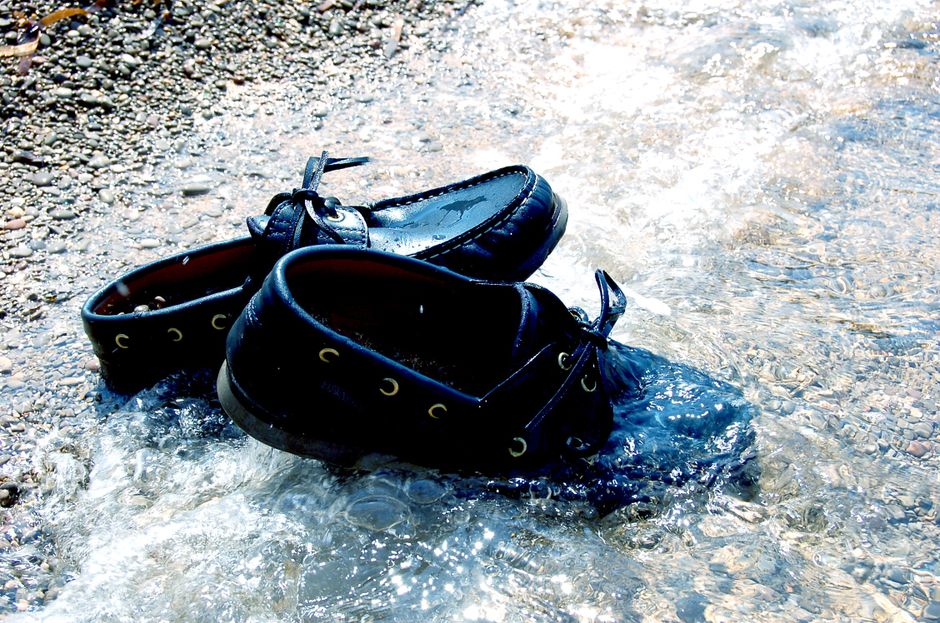
Vans sneakers are a staple in casual footwear, loved for their timeless style and versatility. However, their canvas and suede materials make them particularly vulnerable to water damage, stains, and premature wear. If you want to keep your Vans looking fresh while protecting them from rain, mud, and spills, everything comes down to one crucial factor: choosing the right waterproofing product.
Not all shoe protection sprays are created equal. Many products on the market leave a sticky residue, alter the color of your shoes, or simply fail to deliver long-lasting protection. This is why we recommend the Shoe Water Repellent from Ferber Painting, the only waterproofing product on the market backed by a full satisfaction guaranteed or your money back policy. In this guide, we will walk you through everything you need to know about waterproofing your Vans, and explain why our product stands out from the competition.
Whether you own a pair of classic Vans Old Skool, Sk8-Hi, Authentic, or Era, the fabric composition of these shoes remains largely the same across models. Most Vans combine a cotton canvas upper with suede overlays, rubber soles, and stitched seams that can act as tiny entry points for moisture. Understanding this construction is the first step toward protecting your sneakers effectively. Throughout this guide, we will also touch on seasonal considerations, common mistakes people make when waterproofing sneakers, and how to maintain your shoes long after the initial treatment.
Why the Right Product Makes All the Difference
Before diving into the step-by-step process of waterproofing your Vans, it is essential to understand that the quality of the product you use will determine the final result. A poor quality spray can damage the fabric, create visible stains, or simply not work at all after a few washes. This is where Ferber Painting’s Shoe Water Repellent shines above the rest.
Unlike many competitors, our formula is specifically designed to work on multiple materials, including canvas, suede, nubuck, and leather, which makes it perfect for Vans sneakers that often combine different fabrics. Our product creates an invisible protective barrier that repels water, mud, and stains without altering the color or texture of your shoes.
What truly sets us apart is our satisfied or refunded guarantee. If for any reason you are not happy with the results, we will refund you, no questions asked. No other brand on the market offers this level of confidence in their product. This guarantee reflects how much we trust the quality and effectiveness of our Shoe Water Repellent.
It is worth mentioning that many budget sprays found in supermarkets or convenience stores rely on outdated silicone based formulas. These older formulas tend to clog the natural breathability of canvas fibers, which can make your feet sweat more and eventually cause the fabric to degrade faster. Our formula was developed to avoid this exact problem, allowing the shoe material to remain breathable while still repelling liquids effectively. This balance between protection and breathability is one of the main reasons sneaker enthusiasts, hikers, and everyday commuters keep coming back to our product.
Another point that differentiates our Shoe Water Repellent from generic alternatives is the consistency of the spray itself. Cheaper products often come out in an uneven mist, leading to patchy coverage and visible wet spots that take a long time to dry. Our nozzle is engineered to produce a fine, even mist that spreads uniformly across the surface, reducing the amount of product needed and making the application process faster and more reliable.
| Criteria | Ferber Painting Shoe Water Repellent | Other Brands |
|---|---|---|
| Satisfaction Guarantee | Yes, full refund if not satisfied | Rarely offered |
| Compatible Materials | Canvas, suede, nubuck, leather | Often limited to one material |
| Ease of Application | Simple spray, no rubbing required | Varies, sometimes requires multiple layers |
| Drying Time | Fast drying, ready to wear same day | Often longer drying times |
| Worldwide Shipping | Fast international delivery | Limited to certain countries |
| Payment Options | Secure and easy online payment | Varies |
| Residue or Color Change | None | Common issue with cheaper sprays |
When comparing products side by side, it becomes clear that the small price difference between a premium formula and a cheap alternative is far outweighed by the long term savings. A pair of Vans can cost anywhere from sixty to over a hundred dollars depending on the model and edition. Spending a few extra dollars on a reliable waterproofing spray is a small investment compared to having to replace water damaged sneakers every few months. Many customers who switched from generic sprays to our formula report that their shoes not only stayed protected longer, but also kept their original color and texture far better over time.
Step by Step Guide: How to Waterproof Vans
Now that you understand why choosing a quality product matters, let’s go through the process of waterproofing your Vans properly. Following these steps will ensure maximum protection and longevity for your shoes. While the overall process is straightforward, paying attention to the small details at each stage will make a noticeable difference in the final result.
Step 1: Clean Your Vans Thoroughly
Before applying any waterproofing spray, make sure your shoes are completely clean. Dirt, dust, and stains can prevent the product from penetrating the fabric properly. Use a soft brush and mild soap to remove any surface dirt, then let the shoes air dry completely. Applying a waterproofing spray on a dirty or damp shoe will significantly reduce its effectiveness.
Start by removing the laces and, if possible, the insoles. This allows you to clean every part of the shoe more thoroughly and ensures the waterproofing spray can later reach areas that are usually hidden, such as the tongue and the inner edges of the eyelets. Use lukewarm water combined with a mild detergent, avoiding harsh chemicals or bleach based cleaners that can weaken the canvas fibers over time.
For suede sections found on models like the Vans Old Skool, use a dedicated suede brush rather than a regular fabric brush. Suede requires gentle circular motions to lift dirt without flattening or damaging the nap of the material. If you notice any tough stains, a suede eraser can help remove them before you move on to the drying stage.
Once the shoes are clean, avoid the temptation to speed up the drying process using a radiator, dryer, or direct sunlight. Rapid heat exposure can cause the rubber sole to warp slightly or the glue holding the shoe together to weaken. Instead, place your Vans in a well ventilated area at room temperature and stuff them lightly with paper towels to help them retain their shape while drying, which usually takes between twelve and twenty four hours depending on humidity levels.
Step 2: Prepare Your Work Area
Choose a well ventilated area, ideally outdoors or near an open window. Lay down some newspaper or a protective sheet to avoid staining your floor or work surface. Make sure the temperature is moderate, as extreme cold or heat can affect how the product dries and bonds to the fabric.
If you are working indoors, consider opening a window or turning on a fan to keep the air circulating. Waterproofing sprays release fine particles into the air during application, and proper ventilation helps disperse any fumes quickly while also speeding up the drying process. If you have pets or small children at home, it is best to keep them away from the work area until the product has fully dried and the smell has dissipated.
It is also a good idea to wear disposable gloves during the application process. While our Shoe Water Repellent is designed to be safe for regular use, gloves help keep your hands clean and prevent the product from coming into contact with your skin for extended periods. If you plan on waterproofing multiple pairs of shoes, doing them all in the same session in a properly ventilated space will save time and ensure consistent results across all pairs.
Step 3: Apply Ferber Painting Shoe Water Repellent
Shake the bottle well before use to activate the formula. Hold the spray about 15 to 20 centimeters away from the shoe and apply an even, light coat over the entire surface, including seams and stitching where water tends to seep in. Unlike other products that require heavy application, our Shoe Water Repellent only needs a thin, even layer to create a powerful barrier against water and stains.
Make sure to cover all areas, including the sole edges and around the eyelets, since these are common entry points for moisture.
To achieve the best coverage, work in small sections at a time, moving the spray nozzle in slow, sweeping motions rather than spraying directly at one spot for too long. This prevents the product from pooling in one area, which can sometimes create slightly darker patches on lighter colored canvas until the shoe dries completely. If you are treating a pair of white or pastel colored Vans, it can be helpful to do a small test spray on an inconspicuous area first, such as the inside of the tongue, just to confirm how the fabric reacts before treating the entire shoe.
Pay special attention to high wear zones such as the toe box, the heel counter, and the area where the upper meets the sole. These sections tend to absorb the most moisture during everyday wear, whether from puddles, wet grass, or accidental spills. A slightly thicker application in these specific zones, without oversaturating the fabric, can provide extra peace of mind for anyone who wears their Vans in unpredictable weather conditions.
For those who wear their Vans skateboarding or during outdoor activities, it is also worth treating the laces themselves. Laces are often overlooked, but they can absorb water and transfer it back into the shoe over time. A light spray directly on the laces, followed by the same drying process, ensures complete protection across the entire shoe, not just the visible fabric panels.
Step 4: Let It Dry Properly
Allow your Vans to dry naturally for at least one hour before wearing them. Avoid using a hair dryer or placing them near direct heat sources, as this can affect the chemical bonding process of the repellent. For best results, we recommend letting the shoes rest overnight before their first use after treatment.
During the drying period, keep the shoes in a horizontal position on a flat, ventilated surface rather than stacking them or placing them inside a closed cabinet. Airflow around the entire shoe, including the sole, allows the formula to bond evenly with the fibers. If you notice the fabric still feels slightly damp or tacky to the touch after a few hours, this is normal and simply means the bonding process is still taking place. Resist the urge to touch or rub the treated areas, as this can disturb the even distribution of the product before it fully sets.
Weather conditions can also influence drying time. In humid environments, it may take a little longer than the standard one hour minimum for the product to feel fully dry to the touch, even though the chemical bonding continues to develop over several hours. In drier climates or during warmer months, drying tends to happen faster, sometimes within thirty to forty five minutes, although we still recommend waiting the full recommended period before wearing the shoes outdoors.
Step 5: Reapply Regularly for Long Lasting Protection
While our Shoe Water Repellent offers long term protection, we recommend reapplying every four to six weeks, especially if you wear your Vans frequently or expose them to harsh weather conditions. Regular maintenance will ensure your shoes stay protected against water, mud, and stains all year round.
The exact frequency of reapplication depends largely on how often you wear the shoes and the conditions you expose them to. Someone who wears their Vans daily for commuting through rainy streets will likely need to reapply closer to the four week mark, while someone who wears them occasionally for casual outings might stretch that to six or even eight weeks before noticing a decrease in water repellency. A simple way to test whether it is time to reapply is to sprinkle a few drops of water onto the surface of the shoe. If the water beads up and rolls off easily, the protective barrier is still active. If the water starts to soak into the fabric instead, it is a clear sign that it is time for another treatment.
It is also worth noting that machine washing your Vans, even occasionally, will strip away the protective layer much faster than regular wear alone. If you need to wash your shoes, we recommend doing so by hand whenever possible, and always reapplying the Shoe Water Repellent once the shoes are completely dry afterward. Keeping a simple maintenance routine, such as marking a reminder on your calendar every month, can help ensure your Vans stay protected without you having to think too much about it.
Why Choose Ferber Painting for Your Waterproofing Needs
There are many reasons why customers around the world trust Ferber Painting for their shoe care products. First and foremost, our Shoe Water Repellent is formulated with a unique blend that adapts to multiple fabric types without leaving residue or altering colors, something many competing brands struggle to achieve.
Secondly, our satisfied or refunded guarantee is unmatched in the industry. We stand behind our product completely, and if you are not fully satisfied with the results, we offer a full refund. This level of confidence is rare among shoe care brands, most of which do not offer any guarantee at all.
Additionally, our product is available directly on our website, and thanks to our international network of trusted carriers, we offer fast worldwide shipping. No matter where you are located, you can expect your order to arrive quickly and safely. Payment is also made easy through our secure online payment system, allowing you to complete your purchase in just a few clicks.
Finally, our formula is easy to apply, requires no special tools, and dries quickly, making it accessible for everyone, whether you are a sneaker enthusiast or simply looking to protect your everyday shoes.
Beyond the technical advantages of the product itself, part of what makes Ferber Painting stand out is the level of customer support behind every order. Our team regularly receives questions from customers about specific shoe materials, unusual stains, or particular weather challenges, and we take the time to provide personalized advice rather than generic responses. This attention to detail has helped build a loyal community of customers who trust our brand not just for one purchase, but for ongoing shoe care across their entire sneaker collection.
Many of our customers originally came to us looking for a solution specifically for Vans sneakers, since the combination of canvas and suede on a single shoe can be tricky to treat with generic products. After trying our Shoe Water Repellent, a large number of them return to purchase additional bottles for their other footwear, including boots, running shoes, and leather dress shoes, since the same formula performs reliably across different materials.
We also understand that convenience matters. Our packaging is designed to be compact and travel friendly, so if you are heading on a trip and want to bring your waterproofing spray along, it fits easily into a suitcase or backpack without taking up much space. This makes it simple to maintain your shoe care routine even while away from home, whether you are traveling for work, vacation, or an extended outdoor adventure.
Seasonal Considerations for Waterproofing Your Vans
Depending on where you live, the season can play a significant role in how you approach shoe protection. During the rainy autumn and winter months, moisture exposure is at its highest, and reapplying your waterproofing spray more frequently becomes especially important. Salt used on icy sidewalks in colder regions can also degrade canvas and suede fibers over time, so rinsing your shoes gently after exposure to salted streets, followed by a fresh application of Shoe Water Repellent once dry, can help preserve the material.
In spring, unpredictable showers and muddy trails make waterproofing just as relevant, particularly for anyone who enjoys hiking or outdoor festivals in their Vans. Summer months, while generally drier, still present challenges such as spilled drinks, pool splashes, or sudden storms. Even in warmer climates, a light protective layer helps keep sweat and humidity from settling into the fabric, which can otherwise lead to unpleasant odors over time.
Common Mistakes to Avoid When Waterproofing Sneakers
One of the most frequent mistakes people make is applying waterproofing spray to shoes that are not completely clean or dry. As mentioned earlier, dirt and moisture trapped in the fabric prevent the product from bonding properly, leading to inconsistent protection. Another common error is oversaturating the shoe with too much product at once, hoping that more spray means better protection. In reality, a thin and even coat is far more effective than a thick, uneven layer that can leave the fabric stiff or discolored in certain areas.
Skipping the drying time is another mistake that can undo all the effort put into the application process. Wearing your shoes too soon after treatment, especially in wet conditions, does not give the formula enough time to bond properly with the fibers, reducing its overall effectiveness. Lastly, neglecting to reapply the product regularly is perhaps the most overlooked mistake. Even the best waterproofing formula will wear off eventually with regular use, and maintaining a consistent reapplication schedule is key to long term protection.
Frequently Asked Questions
How long does the protection last after applying the product?
On average, protection lasts between four to six weeks depending on usage and exposure to water or mud. For best results, we recommend reapplying regularly.
Can I use this product on suede Vans?
Yes, Ferber Painting Shoe Water Repellent is formulated to work on multiple materials including suede, canvas, nubuck, and leather, making it ideal for all types of Vans sneakers.
Will the spray change the color of my shoes?
No, our formula is designed to be invisible and does not alter the color or texture of the fabric.
What if I am not satisfied with the results?
We offer a full satisfaction guaranteed or your money back policy. If you are not happy with the product, simply contact our support team for a refund.
How long does shipping take?
Thanks to our international network of carriers, most orders arrive within a few business days, no matter where you are located in the world.
Conclusion
Waterproofing your Vans is essential to keep them looking fresh and to extend their lifespan, especially if you wear them frequently or live in a rainy climate. While the process itself is simple, the key to success lies in choosing a high quality product that offers real, long lasting protection without damaging your shoes.
By following the steps outlined in this guide, from thorough cleaning and proper preparation of your work area to careful application and adequate drying time, you set your Vans up for long term protection against water, mud, and everyday stains. Combining this process with a consistent reapplication routine and a bit of seasonal awareness will help your favorite sneakers stay in great condition for years to come, no matter where life takes you.