 Ireland
 United States
 Australia
 Česko
Česko Danmark
 Deutschland
 Eesti
Eesti España
 Ελλάδα
 France
 Hrvatska
 Italia
 Latvija
 Lietuva
 Magyarország
 Nederlands
 New-Zealand
 Norge
Norge Polska
 Portugal
 România
 Schweiz (Deutsch)
 Slovenija
 Slovensko
 Suomi
Suomi Sverige
 United Kingdom
 България
 Canada (Français)
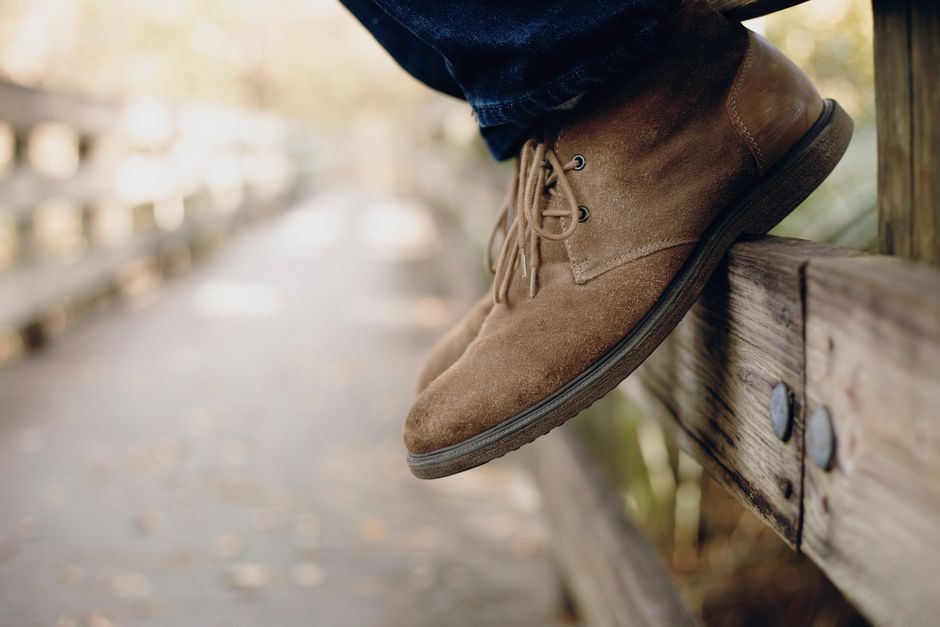
Nubuck loafers are one of the most elegant additions to any shoe collection, but they are also notoriously difficult to maintain. Unlike smooth leather, nubuck has a soft, velvety texture that is extremely sensitive to dirt, water, and oils. If you have ever tried to clean nubuck shoes with the wrong product, you probably already know how frustrating it can be: stains that spread instead of disappearing, colors that fade unevenly, or a texture that becomes stiff and rough after drying.
The truth is that everything depends on choosing the right product. Using a generic cleaner, a damp cloth, or an all purpose leather conditioner on nubuck can permanently damage the material. This is why, before we even get into the step by step cleaning process, we need to talk about the most important decision you will make: which cleaning product you use.
Think about the last time you wore a pair of nubuck loafers on a rainy afternoon, or walked across a dusty parking lot without noticing. Within minutes, the fine nap of the leather traps particles that a regular brush cannot fully remove. Add a splash of coffee, a scuff from a curb, or a smudge of grease from a car door, and suddenly your favorite pair of shoes looks tired and neglected. Many people simply give up on nubuck altogether because they assume it cannot be cleaned properly at home. In reality, the problem is almost never the material itself. It is the product being used on it.
At Ferber Painting, we developed our Suede and Nubuck Cleaner specifically to solve these problems. It is formulated to lift dirt and stains without soaking into the material, without altering the color, and without leaving the nap flattened or hardened. And unlike most competitors on the market, our product comes with a full satisfaction guaranteed or money back policy. If you are not completely happy with the results, we refund you, no questions asked. This is something almost no other brand in this niche offers, and it says a lot about how confident we are in the quality of our formula.
In this guide, we will explain why picking the right cleaner matters so much, why our Suede and Nubuck Cleaner stands out from the competition, and then walk you through a complete, easy to follow method for cleaning your nubuck loafers safely at home. We will also cover the most frequent mistakes people make, how to identify different types of stains before treating them, and how to store your loafers properly so that all your cleaning efforts actually last.
Why the Right Product Makes All the Difference
Nubuck is essentially leather that has been sanded on the outer side to create a soft, suede like nap. This nap is what gives nubuck its beautiful, matte texture, but it is also what makes it so fragile. Water can create dark rings, oils from your skin can leave permanent marks, and abrasive cleaning tools can crush the fibers, leaving a shiny, damaged patch that never returns to its original look.
To understand why nubuck reacts so differently from smooth leather, it helps to picture the surface under a microscope. Smooth leather has a sealed, relatively flat grain that resists moisture and dirt fairly well. Nubuck, on the other hand, is made up of thousands of tiny, upright fibers. Each of these fibers can trap dust, absorb liquid, or bend out of shape when pressed too hard. Once a fiber is crushed flat, it reflects light differently than the surrounding nap, which is why you sometimes see shiny patches on old, poorly maintained nubuck shoes. This is also why nubuck loafers tend to show wear on the toe box and heel first, since those are the areas that experience the most friction.
This is why generic shoe cleaners, dish soap, or even some leather conditioners should never be used on nubuck. They are designed for different materials and often contain ingredients that are too harsh, too oily, or too wet for nubuck’s delicate surface. Using the wrong product does not just fail to clean the shoe, it can actively make the problem worse and shorten the lifespan of your loafers. Dish soap, for example, is formulated to cut through grease using surfactants that strip natural oils. On a smooth leather sofa this might be manageable, but on nubuck it can leave behind a dull, faded patch that is impossible to blend back into the rest of the shoe.
A dedicated nubuck and suede cleaner, on the other hand, is formulated to work with the material rather than against it. It should lift dirt particles without soaking into the leather, restore the nap without flattening it, and be gentle enough to use regularly without causing long term damage. This is exactly the gap that our Suede and Nubuck Cleaner was designed to fill. Instead of forcing moisture deep into the hide, our formula is engineered to sit on the surface just long enough to break down dirt, allowing it to be wiped or brushed away before it ever has the chance to soak in.
Nubuck versus Suede: Why It Matters for Cleaning
Many people use the words nubuck and suede interchangeably, but there is an important difference worth understanding. Suede is typically made from the inner split of the hide, which tends to be thinner and slightly less durable. Nubuck is made from the outer, top grain layer that has been sanded to create the nap, which generally makes it more resistant to scuffing but just as sensitive to water and staining. Because the two materials look so similar and react in comparable ways to dirt and moisture, a single well formulated cleaner can safely be used on both, provided it has been specifically designed with these delicate nap textures in mind.
Why Choose Ferber Painting’s Suede and Nubuck Cleaner
There are dozens of suede and nubuck cleaners on the market, so why should you choose ours? Here are the main reasons our customers keep coming back to Ferber Painting.
- Satisfaction guaranteed or your money back. We are the only brand in this category offering a true no questions asked refund policy. If the product does not meet your expectations, you get your money back, plain and simple.
- Specially formulated for both suede and nubuck, so you do not need to buy two different products for your shoe collection.
- Gentle, non abrasive formula that lifts dirt and stains without soaking into the material or leaving watermarks.
- Restores the natural nap of the nubuck instead of flattening it, keeping that soft, velvety look intact.
- Fast, reliable worldwide shipping thanks to our international network of trusted carriers.
- Simple, secure online payment directly on our website, with no complicated checkout process.
- Trusted by thousands of customers who use it not just for loafers, but for suede jackets, boots, bags, and furniture.
Let’s look a little closer at what each of these points actually means for you as a customer. The satisfaction guarantee is not just a marketing line. It reflects the fact that we have tested this formula extensively on real nubuck loafers, boots, and accessories, in a wide range of colors, before ever putting it up for sale. We know it works, which is why we are comfortable standing behind it with a full refund policy if it somehow does not meet your expectations.
The fact that the same bottle works on both suede and nubuck is more practical than it might first appear. Most households that own nubuck loafers also own at least one suede item, whether it is a jacket, a handbag, or a pair of boots. Instead of cluttering your closet with several specialized cleaners, each with different instructions and drying times, you can rely on a single, well tested product for all of them. This also reduces the chance of accidentally grabbing the wrong bottle and using an unsuitable cleaner on a delicate item.
The non abrasive, low moisture formula is what allows the product to lift dirt without pushing it deeper into the fibers. Many cheaper cleaners rely on saturating the material and then wiping it away, which is exactly the kind of process that leaves dark watermarks and stiff patches once the shoe dries. Our approach focuses on breaking down the bond between the dirt and the fiber first, so that the actual removal step requires far less rubbing and far less liquid.
Restoring the nap is often the step that people underestimate the most. A shoe can technically be clean and still look tired if the nap has been flattened during the cleaning process. That soft, slightly fuzzy texture is what gives nubuck its visual depth and its luxurious feel underfoot when you run your hand over it. Our formula is designed to leave the fibers in a state where a simple brushing afterward brings them back to their upright position, rather than leaving them matted down.
Finally, the logistics matter more than people often realize when buying a specialty product like this. Fast worldwide shipping means you are not left waiting weeks for a small bottle of cleaner while your shoes sit dirty in the closet. Simple, secure online payment means you can order with confidence, and the fact that thousands of customers already use this product across multiple categories, from footwear to furniture, is a strong signal of consistent, repeatable results.
Most competing brands only offer one or two of these advantages. Some have a decent formula but no real customer guarantee. Others ship slowly or only within a limited region. Ferber Painting combines a high performance formula with a genuine commitment to customer satisfaction, which is why our product consistently receives outstanding reviews.
Comparison Table: Ferber Painting vs Other Nubuck Cleaners
| Criteria | Ferber Painting Suede and Nubuck Cleaner | Typical Competitor Products |
|---|---|---|
| Satisfaction guaranteed or money back | Yes, full refund if not satisfied | Rarely offered, or limited conditions apply |
| Suitable for both suede and nubuck | Yes, one product for both materials | Often only suitable for one material |
| Ease of use | Very easy, no water needed, quick drying | Varies, some require soaking or long drying times |
| Worldwide shipping | Yes, fast international delivery network | Often limited to a single country or region |
| Online payment | Simple, secure checkout on our website | Varies by retailer |
| Effect on nap texture | Restores and preserves the natural nap | Some products flatten or harden the nap over time |
As this comparison shows, the difference is not just about cleaning power. It is about the entire experience, from ordering the product to actually using it on your shoes, and knowing that you are protected if the results are not what you expected. When you add up the time saved, the risk avoided, and the peace of mind that comes with a genuine guarantee, the choice becomes fairly clear for anyone who takes care of their nubuck items seriously.
It is also worth mentioning that many competitor products marketed for suede and nubuck are actually reformulated all purpose leather cleaners with a new label. They may work adequately on light dust, but they often struggle with oil based stains or dried mud, and some leave a faint residue that attracts dirt again more quickly. A cleaner built specifically around the unique fiber structure of nubuck, tested repeatedly on this exact material, tends to perform far more consistently over time.
How to Clean Nubuck Loafers Step by Step
Now that you understand why the right product matters, let’s go through the complete process of cleaning your nubuck loafers safely and effectively. This method works whether your shoes have light dust, dried mud, or more stubborn stains.
Step 1: Prepare Your Shoes
Before applying any product, remove the laces if your loafers have them, and lightly tap the shoes together outside to remove loose dirt and dust. This prevents you from rubbing gritty particles into the nap during the cleaning process, which could scratch the material. If your loafers have a decorative tassel, buckle, or horsebit, take a moment to inspect it as well. Metal hardware can sometimes trap dirt at the base, and cleaning around it carefully before you start on the main body of the shoe will give you a more even result.
It also helps to work in good lighting, ideally natural daylight near a window. Nubuck can hide dirt in certain light conditions and reveal it clearly in others, so inspecting the shoe from a few different angles before you begin will help you spot every stain you need to address, rather than discovering a missed spot after the shoes have already dried.
Step 2: Brush the Surface
Use a soft bristle brush, ideally one designed for suede and nubuck, and brush the entire surface of the loafers in one direction. This lifts the nap and removes surface dirt. Avoid pressing too hard, as nubuck is delicate and excessive pressure can crush the fibers. A brass wire brush, sometimes included in suede care kits, can be useful for stubborn dried mud, but it should only be used with very light pressure and never on visibly stained or wet areas, since it can be more aggressive than a standard bristle brush.
Pay particular attention to seams, the area around the sole, and any creases near the toe box, since dust tends to accumulate more heavily in these spots. Brushing in a single consistent direction, rather than back and forth, gives a much more even finish and helps you notice more easily which areas still need extra attention before you move on to the cleaning product itself.
Step 3: Apply the Suede and Nubuck Cleaner
This is where a quality product truly makes a difference. Apply a small amount of Ferber Painting’s Suede and Nubuck Cleaner to a clean, soft cloth or directly onto the applicator if your bottle includes one. Gently work the product into the stained or dirty areas using circular motions. Because our formula is designed specifically for this material, it lifts dirt without soaking into the leather or leaving behind watermarks, something many generic cleaners fail to do.
A helpful habit is to work in small sections rather than trying to cover the entire shoe at once. Start with one panel, for example the toe box, complete the circular motion cleaning there, then move on to the next section. This allows you to monitor how the material reacts in real time and adjust the amount of product or pressure you use before moving to a more visible area of the shoe. If this is the first time you are using the product on a particular pair of loafers, it is always wise to test a small, inconspicuous area first, such as the inner side of the heel, to confirm how the color responds before treating the more visible parts of the shoe.
Step 4: Treat Stubborn Stains
For tougher stains, such as oil marks or old dried mud, apply a slightly more concentrated amount of the cleaner directly to the stain and let it sit for a minute before gently rubbing. Patience is key here. Aggressive scrubbing can damage the nap permanently, while a gentle, repeated application is much more effective and safe.
Different stains actually respond better to slightly different approaches. Dried mud, for instance, should ideally be allowed to fully dry and then brushed off before any cleaner is applied, since trying to clean wet mud usually just pushes it deeper into the fibers. Oil based stains, such as a smear from a bicycle chain or a drop of cooking oil, tend to spread outward if too much pressure is used, so a light dabbing motion from the outer edge of the stain toward the center is generally more effective than scrubbing directly on top of it. Water stains and rings, ironically one of the most common issues with nubuck, often respond well to a very light, even application of cleaner across the entire panel rather than just the ring itself, since spot treating only the mark can sometimes create a new, differently colored halo around the original stain.
Step 5: Let the Shoes Air Dry
Once you have cleaned the entire surface, let your loafers air dry naturally, away from direct sunlight or heat sources like radiators. Heat can cause the leather to dry too quickly and become stiff or cracked. Natural air drying preserves the flexibility and appearance of the nubuck.
A useful trick during the drying phase is to stuff the loafers loosely with clean paper towels or a dedicated shoe tree. This helps the shoes maintain their shape while they dry and also absorbs any residual moisture from the inside, which speeds up the process without introducing external heat. Depending on humidity levels in your home, drying can take anywhere from a few hours to overnight, so it is best to plan your cleaning session for a day when you will not need the shoes immediately afterward.
Step 6: Restore the Nap
Once completely dry, brush the shoes again gently with your suede brush to restore the soft, velvety texture. This final step brings back that fresh, new look that makes nubuck loafers so attractive in the first place. If you notice any areas that still look slightly flattened after brushing, a light pass with a suede eraser or a clean, dry towel used in a gentle circular motion can help lift the fibers back into their natural upright position.
Step 7: Maintain Regularly
Cleaning your nubuck loafers should not be a one time emergency fix. For best results, clean them lightly every few weeks, even if they do not look particularly dirty. This prevents dirt from building up deep in the fibers and keeps the material looking fresh for much longer. Using a gentle, dedicated product like ours regularly is much safer for the material than waiting until stains are deeply set and then trying to remove them aggressively.
It can help to build this maintenance step into an existing routine, such as cleaning your loafers every time you rotate your shoe collection for the season, or right after returning from a trip where the shoes saw heavier use than usual. Treating nubuck care as a light, regular habit rather than a rare deep clean not only keeps the shoes looking better, it also extends their overall lifespan considerably.
Understanding Different Situations: When to Clean and When to Wait
Not every mark on your loafers requires the same urgency or the same approach. Fresh liquid spills, for example, should generally be blotted immediately with a clean, dry cloth rather than rubbed, since rubbing at that stage simply spreads the liquid further into the fibers. Once the area has dried naturally, you can then follow the full cleaning process described above.
Dust and light surface dirt, on the other hand, often do not require the cleaner at all and can be handled with brushing alone. Reserving the Suede and Nubuck Cleaner for actual stains and deeper dirt buildup, rather than using it after every single wear, helps preserve the natural oils in the leather while still keeping your loafers looking their best. Reading the condition of the shoe before deciding how much intervention it actually needs is a skill that becomes easier with a bit of practice.
Seasonal Care and Storage Tips for Nubuck Loafers
How you store your nubuck loafers between wears has a bigger impact on their appearance than most people realize. Always store them in a cool, dry place, away from direct sunlight, which can fade the color unevenly over time. A breathable fabric shoe bag is generally a better choice than a sealed plastic container, since nubuck needs some airflow to prevent moisture buildup and the musty smell that can develop in an enclosed space.
During wet seasons, it is worth applying a suede and nubuck protector spray after cleaning, once the shoes are completely dry, to add a light layer of water resistance before you wear them outdoors. This does not make the shoes waterproof, but it does reduce how quickly water is absorbed, giving you more time to wipe away rain or splashes before they set into the fibers. In drier seasons, keeping a small brush handy in your bag or car allows you to address dust build up throughout the day rather than letting it accumulate until your next full cleaning session.
If you know you will not be wearing a particular pair of nubuck loafers for an extended period, such as over the summer if they are a heavier fall style, take the time to clean and brush them thoroughly before putting them away. Storing dirty or stained nubuck for months at a time makes those stains significantly harder to remove later, since dirt and oils continue to settle deeper into the fibers even while the shoes are not being worn.
Common Mistakes to Avoid When Cleaning Nubuck Loafers
Even with the right product, there are a few common mistakes that can undo all your efforts. Avoiding them will help your loafers stay in excellent condition for years.
- Using too much water. Nubuck absorbs moisture quickly, and excess water can leave permanent dark rings.
- Drying shoes near heat sources. This causes the leather to become stiff, brittle, and prone to cracking.
- Scrubbing too hard. This crushes the nap and creates shiny, damaged patches that are very difficult to fix.
- Using products not designed for nubuck. Many all purpose cleaners contain oils or chemicals that discolor or damage the material.
- Ignoring small stains. Waiting too long allows dirt to set deeper into the fibers, making it much harder to remove later.
Let’s break down why each of these mistakes causes so much damage. Using too much water is probably the single most common error, largely because people assume that more liquid means more cleaning power. With nubuck, the opposite is often true. Excess water spreads through the fibers unevenly, drying at different rates across the surface, which is exactly what creates those dark, ring shaped watermarks that are so difficult to blend away afterward.
Drying shoes near heat sources is another mistake that often comes from good intentions. After cleaning, it is tempting to place damp shoes near a heater or in direct sunlight to speed up the process, especially if you need them for an event later that day. Unfortunately, rapid drying causes the natural oils in the leather to evaporate too quickly, leaving the material stiff and more prone to cracking along the flex points of the shoe, particularly across the toe box.
Scrubbing too hard tends to happen when someone is dealing with a stubborn stain and starts to lose patience. It is worth remembering that nubuck fibers, once crushed flat, do not simply bounce back with more brushing. The shiny patches that result from over scrubbing are a form of physical damage to the nap structure, and while a suede brush can sometimes improve their appearance slightly, a fully crushed area rarely returns to its original texture.
Using the wrong products is a mistake that often comes from simply not knowing better, especially for people who are used to caring for smooth leather shoes. Leather conditioners, in particular, are designed to add oils and moisture back into sealed leather grain, which is the opposite of what nubuck needs. Applying a conditioner meant for smooth leather to a pair of nubuck loafers can leave a greasy, dark residue that is extremely difficult to remove.
Finally, ignoring small stains might seem harmless in the short term, but nubuck fibers are porous, and dirt particles continue to work their way deeper into the material the longer they sit untreated. A small, fresh coffee splash that could have been lifted easily the same day can become a much more stubborn, set in stain after a few weeks of being left alone, simply because the particles have had time to bond more firmly with the fibers.
By avoiding these mistakes and using a dedicated, high quality product like Ferber Painting’s Suede and Nubuck Cleaner, you can keep your loafers looking as good as new for a very long time.
Mini FAQ
Can I use the Suede and Nubuck Cleaner on other items besides loafers?
Yes, our formula works on suede and nubuck jackets, boots, bags, and even furniture upholstery, making it a versatile addition to your cleaning routine.
How often should I clean my nubuck loafers?
We recommend a light cleaning every two to three weeks, and a more thorough treatment whenever you notice visible stains or heavy dirt buildup.
What happens if I am not satisfied with the product?
Ferber Painting offers a satisfaction guaranteed or money back policy on all products, including the Suede and Nubuck Cleaner. If you are not happy with the results, simply contact us for a full refund.
Does the product work on dark colored nubuck as well as light colors?
Yes, our formula is designed to be color safe on both light and dark nubuck, without causing fading or discoloration.
How long does shipping take?
Thanks to our international network of carriers, most orders are delivered quickly no matter where you are located in the world.
Conclusion
Cleaning nubuck loafers does not have to be a stressful or risky process, as long as you use the right product and follow a gentle, methodical approach. Harsh chemicals, excess water, and aggressive scrubbing are the enemies of nubuck, while a dedicated cleaner and a careful technique can keep your shoes looking elegant for years to come.
Taking the time to understand how nubuck actually behaves, from the way its fibers react to moisture to how heat affects its flexibility, puts you in a much better position to care for it properly, rather than reacting to problems only after they appear. Combine that understanding with a regular, light maintenance routine, proper storage between wears, and a cleaner that was actually designed for this specific material, and there is no reason your nubuck loafers cannot stay looking sharp for many seasons of wear.