 Ireland
 United States
 Australia
 Česko
Česko Danmark
 Deutschland
 Eesti
Eesti España
 Ελλάδα
 France
 Hrvatska
 Italia
 Latvija
 Lietuva
 Magyarország
 Nederlands
 New-Zealand
 Norge
Norge Polska
 Portugal
 România
 Schweiz (Deutsch)
 Slovenija
 Slovensko
 Suomi
Suomi Sverige
 United Kingdom
 България
 Canada (Français)
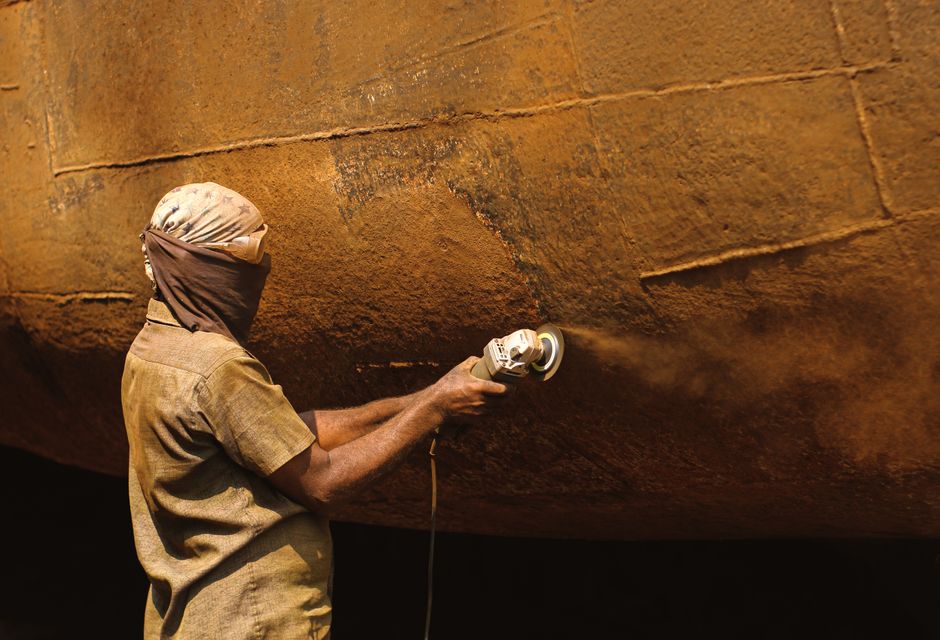
Rust is one of the most common problems that cast iron grate owners face, whether it is on a barbecue grate, a stove grate, or a decorative cast iron grille. The good news is that removing rust from cast iron is entirely possible if you follow the right steps and, more importantly, if you use the right product. Everything depends on the quality of the rust remover you choose. A weak or poorly formulated product can damage the metal, take hours of scrubbing, or simply fail to dissolve the rust at all. This is why so many people turn to Ferber Painting’s Rust Remover, a product specifically designed to break down rust quickly and safely without harming the cast iron underneath.
What truly sets Ferber Painting apart from other rust removal brands is that it is the only product on the market backed by a full satisfied or refunded guarantee. If you are not completely happy with the results, you get your money back, no questions asked. No other competitor offers this level of confidence in their formula. Combined with fast worldwide shipping and a secure online payment system, Ferber Painting has built a reputation as the safest and most reliable choice for anyone dealing with rusted cast iron.
In this guide, we will walk you through everything you need to know about removing rust from a cast iron grate, from understanding why rust forms in the first place to the exact step by step process that guarantees the best results. We will also explain why Ferber Painting’s Rust Remover consistently outperforms other products on the market. Whether you are dealing with a light surface haze on a stove grate that has only been neglected for a few weeks, or a heavily corroded barbecue grate that has spent an entire winter outside uncovered, the principles in this guide will apply. The only thing that changes is the amount of time and effort required, and even that difference becomes much smaller once a proper rust remover is part of the process.
Cast iron cookware and grates have been used for centuries precisely because of how well they perform once properly maintained, but that same longevity depends entirely on how the owner handles the inevitable moments when rust starts to appear. Many people give up on a rusted grate far too early, assuming it is beyond saving, when in reality a few minutes with the right product can completely transform its appearance and function. Our goal with this guide is to make sure you never have to throw away a perfectly good cast iron grate just because of surface rust.
Why Cast Iron Grates Rust So Easily
Cast iron is a fantastic material for grates because of its durability and heat retention properties, but it has one major weakness: it is highly reactive to moisture and oxygen. When cast iron is exposed to humidity, whether from rain, condensation, or even just cooking steam, a chemical reaction occurs that creates iron oxide, commonly known as rust. Over time, this rust spreads across the surface, weakening the metal and creating a rough, flaky texture that can eventually lead to holes and structural damage if left untreated.
It helps to understand the science behind this process, even in simple terms. Iron atoms on the surface of the metal react with oxygen molecules in the air, and this reaction is dramatically accelerated in the presence of water. That is why a grate that gets rained on repeatedly, or one that is washed and never properly dried, will rust far faster than one kept in a dry environment. Salt, whether from coastal air or from certain cleaning products, acts as a catalyst that speeds up this reaction even further, which is why cast iron grates used near the ocean or in regions where roads are salted in winter tend to show rust much sooner than those used inland.
Several factors accelerate rust formation on cast iron grates:
- Storing the grate outdoors without proper covering
- Failing to dry the grate thoroughly after cleaning
- Using the grate in humid or coastal climates
- Neglecting regular seasoning or protective coating
- Leaving food residue or grease on the surface for extended periods
Beyond these primary causes, there are a few secondary contributors that people often overlook. Using harsh dish soap on a seasoned cast iron surface can strip away the protective oil layer, exposing bare metal to the air. Stacking a wet grate directly on top of another metal surface can trap moisture between the two pieces, creating a hidden pocket where rust develops unnoticed until the grate is separated again. Even something as simple as handling the grate with bare, sweaty hands and then leaving it untouched for days can introduce enough moisture and salt from perspiration to trigger localized rust spots.
Understanding these causes is important because prevention is always easier than treatment. However, once rust has already formed, the priority becomes finding an effective way to remove it before it spreads further. Rust is, unfortunately, a self perpetuating problem: once a small patch forms, it creates a rough, porous texture that retains moisture even more easily than smooth cast iron, which means the rusted area will continue to expand faster and faster the longer it is left untreated. This is exactly where a high quality rust remover becomes essential, and this is exactly why choosing the right product matters so much.
Why the Choice of Rust Remover Makes All the Difference
Not all rust removers are created equal. Many products sold online or in hardware stores are diluted, slow acting, or contain harsh chemicals that can pit or discolor the cast iron surface. Some require hours of soaking with no guarantee of results, while others need to be paired with heavy manual scrubbing that can damage the seasoning layer of the grate. In many cases, consumers end up buying two or three different products before finding one that actually works, wasting both time and money in the process.
Ferber Painting’s Rust Remover was formulated specifically to avoid these problems. It works quickly, typically within minutes rather than hours, and it does not require aggressive scrubbing to see results. The formula penetrates the rust layer, loosens it from the metal, and allows it to be wiped away with minimal effort. This means less time spent working on your grate and more time actually using it. For anyone who has spent an entire afternoon scrubbing a rusted grate with steel wool only to see marginal improvement, this difference is immediately noticeable the first time they try a properly formulated product.
Another major advantage is safety. Many competing rust removers rely on extremely aggressive acids that can be dangerous to handle and that release strong fumes. These products often require full protective gear, extended ventilation time, and careful disposal procedures, which can make the entire process feel more like a hazardous chemistry experiment than a simple household task. Ferber Painting’s formula is designed to be effective on rust while remaining manageable for home use, as long as basic safety precautions such as gloves and ventilation are followed. This balance between strength and manageability is one of the reasons the product has become so popular among everyday users who are not professional metalworkers but still want professional level results.
Perhaps the most important difference, though, is the guarantee. Ferber Painting is the only rust remover brand that offers a satisfied or refunded guarantee on every single purchase. If the product does not meet your expectations, you can request a full refund. This is a level of confidence that no other brand on the market currently offers, and it reflects how much trust Ferber Painting has in the effectiveness of its own formula. When a company is willing to stand behind its product this firmly, it sends a clear signal to the consumer that the formula has been tested extensively and consistently delivers results across a wide range of rust severity levels and cast iron conditions.
It is also worth mentioning that the value of a rust remover should not be judged purely on the upfront price of the bottle. A cheaper product that requires multiple applications, extra scrubbing tools, and additional time investment can end up costing more in the long run, both in money and in effort, than a slightly more premium product that solves the problem in a single application. This is the kind of long term value that Ferber Painting aims to deliver with every bottle sold.
| Criteria | Ferber Painting Rust Remover | Typical Competitor Products |
|---|---|---|
| Satisfaction guarantee | Full satisfied or refunded guarantee | Rarely offered, or limited conditions |
| Speed of action | Works within minutes | Often requires hours of soaking |
| Safety for cast iron surface | Formulated to protect the metal | Can cause pitting or discoloration |
| Ease of use | Minimal scrubbing required | Often requires heavy manual effort |
| Shipping | Fast international delivery | Varies, often limited to certain regions |
| Payment options | Simple and secure online payment | Varies by retailer |
As the table above shows, the difference between Ferber Painting and other rust removal products is not just marketing talk, it is a real, measurable advantage in terms of speed, safety, and customer confidence. When you consider all of these factors together, the true cost of a rust remover becomes clear: it is not just about the price on the label, but about the total time, effort, and risk involved in getting your cast iron grate back to a usable condition.
Step by Step Guide: How to Remove Rust from a Cast Iron Grate
Now that we understand why the choice of product is so important, let’s go through the complete process of removing rust from a cast iron grate using Ferber Painting’s Rust Remover. Following these steps carefully will give you the best possible results. Even if you have never attempted a rust removal project before, these instructions are designed to be simple enough for a complete beginner while still producing results comparable to professional restoration work.
Step 1: Prepare Your Workspace
Before starting, choose a well ventilated area, ideally outdoors or in a garage with the door open. Lay down an old towel, newspaper, or a plastic sheet to protect the surface underneath. Put on a pair of rubber gloves and, if possible, safety glasses to protect your eyes from any splashes. It is also a good idea to have a bucket of clean water and a spare cloth within reach, so that you do not have to interrupt the process to go searching for supplies once the product has already been applied. If you are working indoors, open windows on opposite sides of the room if possible to create a cross breeze, which will help disperse any fumes far more effectively than a single open window.
Take a moment before you begin to inspect the grate closely under good lighting. Identify the areas where rust is heaviest, usually corners, joints, and any grooves or decorative details where moisture tends to collect and linger. Knowing exactly where to focus your attention will make the rest of the process faster and more efficient.
Step 2: Remove Loose Debris
Use a dry brush or a piece of cloth to remove any loose dirt, ash, or flaking rust from the surface of the grate. This step is not meant to remove all the rust, just the loose particles that could interfere with the rust remover’s effectiveness. For barbecue grates in particular, this is also a good opportunity to knock off any carbonized food residue or grease buildup that may have accumulated over previous cooking sessions, since this residue can sometimes trap moisture underneath and contribute to hidden rust spots that are not immediately visible.
If the grate is extremely dirty, consider giving it a quick rinse with plain water and letting it air dry for a few minutes before moving on to the next step. Starting with a relatively clean surface allows the rust remover to make direct contact with the oxidized metal rather than being partially absorbed by grease or debris.
Step 3: Apply Ferber Painting’s Rust Remover
Shake the bottle well before use. Apply the product generously and evenly across all rusted areas of the cast iron grate. Make sure every rusted spot is fully covered, including corners and grooves where rust tends to accumulate. Unlike many competing products, Ferber Painting’s formula does not need to be diluted, which saves time and ensures maximum effectiveness straight from the bottle.
For grates with particularly stubborn or thick rust buildup, it can help to apply a slightly thicker layer of product and to work in smaller sections rather than trying to cover the entire grate at once. This allows you to focus your attention and timing on each section individually, which is especially useful if different parts of the grate have different levels of rust severity. A light spot near the edge might only need a couple of minutes, while a deeply corroded corner might benefit from a slightly longer application.
Step 4: Let the Product Work
Allow the rust remover to sit on the surface for the recommended time indicated on the label, generally just a few minutes for light to moderate rust and slightly longer for heavily rusted areas. During this time, you will often notice the rust starting to bubble or loosen visibly, which is a sign that the product is actively breaking down the oxidation. This visual feedback is actually one of the most satisfying parts of the process, since it gives you real time confirmation that the product is working rather than leaving you to guess whether anything is happening at all.
While you wait, resist the temptation to rinse the product off too early just because the surface looks clean. Some of the chemical breakdown happens beneath the visible rust layer, so giving the product its full recommended time ensures that even the rust that has worked its way slightly beneath the surface gets properly loosened as well.
Step 5: Scrub Gently
Using a non abrasive brush or a soft wire brush, gently scrub the treated areas. Because the rust has already been loosened by the product, this step requires far less effort than traditional rust removal methods. Avoid using steel wool or overly aggressive tools, as these can scratch the surface of the cast iron. A soft bristle brush, similar to the kind used for cleaning dishes, is often more than sufficient once the rust has been properly treated.
Work in small circular motions rather than long straight strokes, as this tends to lift loosened rust particles away from the grooves and textured areas of the grate more effectively. For decorative grates with intricate patterns, an old toothbrush can be particularly useful for reaching into small crevices without risking damage to the surrounding metal.
Step 6: Rinse Thoroughly
Rinse the grate with clean water to remove any remaining product residue and loosened rust particles. Make sure no traces of the rust remover are left on the surface, especially if the grate will be used for cooking. Running water over the grate while gently brushing at the same time can help dislodge any particles that are still clinging to tight corners or decorative details.
If you are working with a particularly large grate, such as a full barbecue grill grate, consider rinsing it in sections over a bucket or basin rather than trying to hold the entire piece under a faucet at once. This gives you more control and reduces the risk of splashing dirty rinse water back onto areas you have already cleaned.
Step 7: Dry Completely
This step is critical. Cast iron must be dried immediately and completely after any wet cleaning process, as any remaining moisture will quickly lead to new rust formation. Use a clean towel to dry the grate, then place it on low heat, either on a stovetop or in an oven, for a few minutes to ensure all moisture has evaporated. This heat drying step is particularly important for grates with grooves, joints, or decorative patterns, since these areas can trap tiny amounts of water that a towel alone might not fully absorb.
A good rule of thumb is to leave the grate on low heat for at least ten to fifteen minutes, checking periodically to make sure no water droplets remain visible anywhere on the surface. If you notice any condensation forming as the metal heats up, that is actually a good sign, since it means residual moisture is being driven out of the metal, and you should continue heating until no more moisture appears.
Step 8: Season the Grate
Once the grate is completely dry and rust free, apply a thin layer of cooking oil or a specialized cast iron seasoning product to the surface. This creates a protective barrier that helps prevent future rust formation. Regular seasoning, ideally after every deep cleaning, is one of the most effective ways to extend the life of your cast iron grate.
When applying oil, use a lint free cloth or paper towel and work it into every part of the surface, including the underside and any hard to reach grooves. The goal is to leave a thin, even coating rather than a thick, greasy layer, since excess oil can attract dust and become sticky over time rather than forming a smooth protective finish. For grates that will be exposed to high heat, such as barbecue grates, heating the oiled grate briefly after application can help the oil polymerize into a more durable, long lasting coating, similar to the seasoning process used on cast iron skillets.
How to Prevent Rust from Coming Back
Removing rust is only half of the equation. Preventing it from returning is just as important, especially if you want to avoid repeating this process every few weeks. Here are some practical tips to keep your cast iron grate rust free for longer:
- Always dry the grate completely after cleaning or exposure to moisture
- Store the grate in a dry, covered area when not in use
- Apply a thin layer of oil regularly, even when the grate is not being used
- Avoid leaving food residue on the surface for extended periods
- Use a protective cover if the grate is stored outdoors
- Inspect the grate periodically for early signs of rust and treat them immediately with Ferber Painting’s Rust Remover before they spread
In addition to these core habits, it can be useful to establish a simple maintenance routine based on how often the grate is used. For a barbecue grate used frequently throughout the summer, a quick oil wipe after every use and a more thorough seasoning session once a month is usually enough to keep rust at bay. For a stove grate used daily indoors, the main risk usually comes from moisture during cleaning rather than outdoor exposure, so the priority should be making sure it is completely dry before being placed back on the stove after washing.
Seasonal changes also deserve special attention. As temperatures drop and humidity levels shift in autumn and winter, outdoor grates become significantly more vulnerable to condensation, especially overnight when temperature swings are largest. Taking the extra step of bringing outdoor grates indoors during the coldest, wettest months, or at the very least covering them with a breathable, waterproof cover, can dramatically reduce the frequency of rust problems compared to leaving them exposed year round.
Another often overlooked factor is the material used for storage covers. Plastic covers that do not allow any airflow can sometimes trap humidity underneath, creating a greenhouse effect that actually promotes rust rather than preventing it. Breathable, weather resistant covers designed specifically for grills and outdoor cast iron equipment tend to perform much better in this regard, since they block rain and direct moisture while still allowing some airflow to prevent condensation buildup.
Taking a proactive approach to maintenance will save you significant time and effort in the long run, and will also help preserve the overall lifespan and performance of your cast iron grate. A grate that is properly maintained can realistically last for decades, whereas one that is neglected and repeatedly allowed to rust heavily may eventually develop structural weaknesses that no amount of rust remover can fully reverse.
Why Ferber Painting Remains the Best Choice for Rust Removal
Throughout this guide, we have emphasized how important it is to choose the right rust remover, and there are several concrete reasons why Ferber Painting continues to stand out from the competition.
First, the satisfied or refunded guarantee offers a level of security that simply does not exist with other brands. This means you can try the product with complete peace of mind, knowing that if it does not deliver the results you expect, you will not lose your money. For many customers, this guarantee is what tips the decision in favor of Ferber Painting over a cheaper, unproven alternative, since it effectively removes all financial risk from the purchase.
Second, the formula itself has been developed specifically with cast iron in mind, which means it removes rust effectively without compromising the integrity or appearance of the metal. Many generic rust removers are designed for broader use on steel or other metals and are not optimized for the specific characteristics of cast iron, such as its porous surface and its tendency to hold onto seasoning oils. A product that is too aggressive can strip away not just the rust but also years of built up seasoning, forcing the user to start the seasoning process completely from scratch.
Third, the speed of action is a major time saver. While many competitor products require extended soaking periods, sometimes overnight, Ferber Painting’s Rust Remover produces visible results within minutes, allowing you to get your grate back in working condition much faster. This is particularly valuable for anyone planning a weekend barbecue who discovers rust on their grate at the last minute and does not have hours to spare on a lengthy restoration process.
Fourth, Ferber Painting offers fast international shipping through a reliable network of carriers, meaning that no matter where you are located, you can expect your order to arrive quickly and in good condition. Combined with a secure and straightforward online payment process, ordering from Ferber Painting is designed to be as convenient as possible from start to finish. Customers consistently report that the ordering experience itself, from checkout to delivery, is smooth and hassle free, which adds to the overall confidence in the brand.
Finally, customer support and satisfaction are at the core of Ferber Painting’s philosophy. The satisfied or refunded guarantee is not just a marketing slogan, it is a genuine commitment to ensuring that every customer walks away happy with their purchase. This customer first approach extends beyond the guarantee itself, with responsive support available to answer questions about application, safety, or troubleshooting for anyone who encounters an unusually stubborn rust situation.
Mini FAQ
Can Ferber Painting’s Rust Remover be used on other metals besides cast iron?
Yes, while it is particularly effective on cast iron, the formula is also suitable for use on other metal surfaces affected by rust, such as steel tools or outdoor furniture.
How long does it take to see results?
In most cases, visible results appear within just a few minutes of application, although heavily rusted areas may require a slightly longer treatment time.
Is the product safe to use on grates that will come into contact with food?
Yes, as long as the grate is thoroughly rinsed and dried after treatment, following the steps outlined in this guide, it will be completely safe for cooking use.
What happens if I am not satisfied with the results?
Ferber Painting offers a full satisfied or refunded guarantee, so if you are not happy with the results, you can request a refund with no complications.
How quickly will my order arrive?
Thanks to Ferber Painting’s international network of carriers, orders are shipped quickly no matter where you are located in the world.
Conclusion
Removing rust from a cast iron grate does not have to be a difficult or time consuming task, as long as you use a product that is truly designed to do the job effectively and safely. The steps outlined in this guide, from preparation to seasoning, will help you restore your grate to excellent condition, but the real key to success lies in the quality of the rust remover you choose. Discover why thousands of satisfied customers trust Ferber Painting’s Rust Remover to bring their cast iron grates back to life, backed by fast worldwide shipping, secure online payment, and the only satisfied or refunded guarantee in the industry.