 Ireland
 United States
 Australia
 Česko
Česko Danmark
 Deutschland
 Eesti
Eesti España
 Ελλάδα
 France
 Hrvatska
 Italia
 Latvija
 Lietuva
 Magyarország
 Nederlands
 New-Zealand
 Norge
Norge Polska
 Portugal
 România
 Schweiz (Deutsch)
 Slovenija
 Slovensko
 Suomi
Suomi Sverige
 United Kingdom
 България
 Canada (Français)
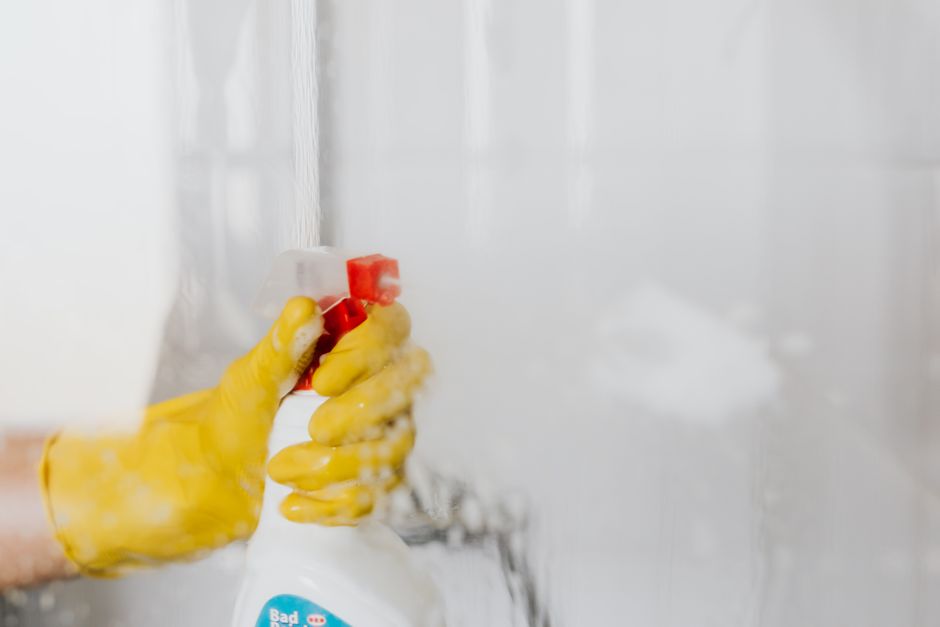
Rust stains on cotton fabric can feel like a disaster the moment you spot them. Whether it is a favorite white shirt, a set of bed linens, or a tablecloth that has been sitting near a metal object too long, rust marks are notoriously stubborn. But here is the good news: with the right approach and, most importantly, the right product, you can remove rust from cotton safely and completely, without damaging the fabric. Everything comes down to choosing a stain remover that is formulated to break down iron oxide molecules without weakening cotton fibers, and that is exactly where the Professional Stain Remover from Ferber Painting comes in.
Before we dive into the step-by-step process, it is worth mentioning something that sets Ferber Painting apart from every other brand on the market: we are the only stain remover company offering a full satisfaction guaranteed or your money back policy on every single order. No fine print, no hidden conditions. If our Professional Stain Remover does not deliver the results you expect on your cotton garments, you get your money back. This alone should tell you how confident we are in our formula, and how much we stand behind the quality of what we sell.
In this guide, we will walk you through everything you need to know about removing rust stains from cotton, why the choice of product matters more than any scrubbing technique, and how Ferber Painting has built a product and a service that outperforms the competition on every front, from formula strength to shipping speed to customer protection. We will also look at where rust stains actually come from, how different cotton weaves react to treatment, and how to keep your linens protected once the stain is gone, so you never have to deal with this frustration again.
Why the Right Product Makes All the Difference
Many people assume that removing rust from cotton is simply a matter of elbow grease. Scrub hard enough, use enough hot water, and the stain will eventually disappear. Unfortunately, this is one of the biggest misconceptions when it comes to rust stains. Unlike food stains or dirt, rust is a chemical compound, iron oxide, that binds itself to the fibers of the fabric at a molecular level. Regular detergents, even the strongest ones on supermarket shelves, are simply not designed to break this bond. They are formulated to lift organic stains like grease, sweat, or wine, not mineral deposits like rust.
This is why using a generic detergent, or worse, an abrasive method like bleach or steel wool, often makes things worse. Bleach can actually set rust stains permanently by triggering a chemical reaction that darkens the iron oxide. Abrasive scrubbing can damage cotton fibers, leaving your fabric weaker and more prone to tearing, all without even removing the stain.
The Professional Stain Remover from Ferber Painting was specifically engineered to target mineral-based stains like rust, while being gentle enough for delicate fabrics such as cotton. Our formula uses targeted chelating agents that bind to the iron molecules and lift them away from the fabric fibers, rather than simply masking or bleaching the stain. This means the rust is actually removed, not just hidden or lightened.
Here are some of the key advantages that make our Professional Stain Remover superior to other products on the market:
- Specifically formulated to target iron oxide compounds, not just generic organic stains.
- Safe for use on cotton and most natural fibers without weakening the fabric structure.
- Fast-acting formula that works in minutes rather than requiring hours of soaking.
- Does not contain chlorine bleach, which is known to set rust stains permanently.
- Backed by a satisfied or refunded guarantee, something no competitor currently offers.
- Concentrated formula, meaning a little goes a long way compared to diluted competitor products.
Most competing stain removers on the market are general-purpose products. They might work reasonably well on coffee, grass, or ink, but rust requires a very specific chemical approach. Ferber Painting invested in research and development specifically to address this gap, which is why our product consistently outperforms generic stain removers when tested on rust stains.
Where Rust Stains on Cotton Actually Come From
Understanding the source of a rust stain can help you prevent future occurrences, and it also helps explain why the stain behaves the way it does on fabric. Rust forms when iron or steel comes into contact with moisture and oxygen over time. On cotton items, this typically happens in a few predictable ways. Metal buttons, snaps, or zippers that have started to corrode can leave rust marks directly on the surrounding fabric, especially after the item has been washed and left damp for a while. Wire hangers are another very common culprit, particularly for shirts and blouses that hang in a closet for months without being worn, allowing tiny amounts of moisture in the air to slowly oxidize the metal and transfer orange marks onto the shoulders of the garment.
Washing machines and dryers themselves can sometimes be a hidden source of rust, particularly older models where internal metal drums or components have started to corrode. If you notice rust stains appearing repeatedly on multiple items after washing, it is worth inspecting your machine for signs of corrosion. Outdoor furniture, metal patio tables, and garden tools are also frequent sources, especially for tablecloths, picnic blankets, or gardening clothes that come into contact with rusted metal surfaces.
Well water is another surprisingly common cause of rust stains on cotton, particularly in households that rely on private wells rather than municipal water systems. High iron content in the water supply can leave faint orange staining on white linens and clothing over repeated washes, even without any direct contact with a metal object. If this is the case in your home, it is worth having your water tested, since treating the water supply may prevent stains from recurring no matter how effectively you remove the current ones.
Comparing Stain Removers: What Really Matters
When choosing a stain remover for rust on cotton, there are several criteria you should consider beyond just the price tag. Below is a comparison table highlighting the most important factors, and how Ferber Painting’s Professional Stain Remover stacks up against typical generic alternatives found in stores.
| Criteria | Ferber Painting Professional Stain Remover | Generic Stain Removers |
|---|---|---|
| Effectiveness on rust stains | High, formulated specifically for mineral stains | Low to moderate, designed for organic stains |
| Safe for cotton fibers | Yes, gentle yet powerful formula | Varies, some contain harsh bleach |
| Money back guarantee | Yes, satisfaction guaranteed or refunded | Rarely offered |
| Shipping speed | Fast international delivery network | Depends on retailer, often slow |
| Ease of online purchase | Simple, secure online payment | Often only available in physical stores |
| Concentration and value | Highly concentrated, long-lasting | Often diluted, requires more product per use |
| Risk of setting the stain | Very low | Higher, especially with chlorine-based products |
As the table illustrates, the difference is not just marginal. When it comes to rust removal specifically, generic products simply were not built for the job. Combine that with the fact that Ferber Painting is the only brand offering a full money back guarantee, and the choice becomes clear.
It is also worth considering the long-term cost of using the wrong product. A cheap, generic stain remover that fails to lift a rust mark can end up costing you far more than the product itself, since you may end up replacing an entire garment or set of linens that could have been saved. When you factor in the price of the item being treated, whether it is a designer shirt, a set of Egyptian cotton sheets, or a family heirloom tablecloth, investing in a product built specifically for the task at hand almost always makes more financial sense than gambling on something generic and hoping for the best.
Another factor many shoppers overlook is shelf stability. Some rust removal formulas found in hardware stores are based on strong acids that can degrade over time or become less predictable in their reaction with fabric once opened and exposed to air repeatedly. The Professional Stain Remover from Ferber Painting is formulated for consistent performance from the first use to the last drop in the bottle, so you never have to wonder whether the product sitting in your laundry cabinet has lost its effectiveness.
Step-by-Step Guide: How to Remove Rust from Cotton
Now that we have covered why product selection matters so much, let us walk through the actual process of removing rust stains from cotton fabric. This method works for shirts, pants, tablecloths, bed sheets, and any other cotton item.
Step 1: Identify the extent of the stain
Before applying any product, examine the stain closely. Rust stains typically appear as orange or reddish-brown marks, sometimes with a slightly textured or crusty appearance if the fabric has dried after contact with a rusty object. Understanding the size and depth of the stain will help you determine how much product to use and how long to let it sit. It also helps to check both sides of the fabric, since rust often penetrates through to the reverse side, particularly on thinner cotton weaves like voile or lawn cotton. If the stain has soaked through, plan to treat both sides during the application step rather than assuming one side of treatment will be enough.
Step 2: Do a patch test
Even though the Professional Stain Remover from Ferber Painting is formulated to be safe on cotton, we always recommend doing a small patch test on an inconspicuous area of the fabric first, such as an inside seam. Apply a small amount of the product, wait a few minutes, and check for any discoloration before proceeding with the full treatment. This step is especially important for dyed or printed cotton fabrics, where certain pigments may react differently than plain white cotton. If you notice any fading or bleeding of color during the patch test, dilute the product slightly with water before applying it to the visible stain, or contact our customer support team for guidance specific to your fabric type.
Step 3: Apply the stain remover directly to the rust mark
Once you have confirmed the fabric reacts well, apply the Professional Stain Remover directly onto the rust stain. Make sure the product fully saturates the affected fibers. Unlike many competitor products that need to be mixed or diluted, our formula is ready to use straight from the bottle, saving you time and reducing the risk of measurement errors. For larger stains, such as those covering several inches of a tablecloth, apply the product in slightly overlapping sections to ensure even coverage across the entire affected area, rather than trying to treat the whole surface with a single application.
Step 4: Let it sit
Allow the product to work on the stain for the time indicated on the label, generally between five and ten minutes for fresh stains, and up to twenty minutes for older, more stubborn rust marks. The chelating agents in the formula will begin breaking down the iron oxide bonds during this time. If you are treating a stain that has been set for months or even years, consider covering the treated area loosely with a damp cloth during this waiting period to prevent the product from drying out before it has finished working.
Step 5: Gently rub the fabric
Using a soft cloth or your fingers, gently rub the treated area in a circular motion. Avoid using anything abrasive like a brush with hard bristles, as this can damage cotton fibers unnecessarily. The goal is to help lift the loosened rust particles away from the fabric, not to scrub aggressively. For particularly delicate cotton items, such as fine cotton lace or heirloom linens, an old soft toothbrush used with very light pressure can help work the product into tight weaves without stressing the fibers.
Step 6: Rinse with cold water
Rinse the treated area thoroughly with cold water. Avoid hot water at this stage, as heat can sometimes cause any remaining iron particles to re-bond with the fabric. Cold water helps flush away the loosened rust completely. Running the fabric under a steady stream of cold water while gently agitating the treated area with your fingers can help ensure that all of the dissolved rust particles are carried away rather than simply redistributed across the fabric surface.
Step 7: Check the stain before drying
This step is crucial and often overlooked. Before putting the garment in the dryer or ironing it, check that the rust stain is completely gone. Heat can permanently set any remaining trace of rust, making it far more difficult to remove afterward. If any trace remains, repeat the treatment process before drying. Hold the fabric up to natural light if possible, since artificial indoor lighting can sometimes mask the faint orange tint of a residual stain that would otherwise be obvious in daylight.
Step 8: Wash as normal
Once you have confirmed the stain is fully removed, wash the item as you normally would, following the care instructions on the fabric label. This final wash helps remove any residual product and leaves your cotton item fresh and clean. If you are treating multiple rust-stained items at once, it is generally safe to wash them together in the same load as long as you have confirmed each stain has been fully lifted beforehand.
Step 9: Dry and inspect
After washing, inspect the fabric one more time before drying it fully, whether by air drying or machine drying. If the stain has been completely lifted, you are done. If any faint mark remains, it is best to repeat the treatment rather than proceeding to full drying. Air drying in indirect sunlight can also serve as a helpful final check, since sunlight tends to reveal any lingering discoloration that might not be visible when the fabric is still damp.
This entire process typically takes less than thirty minutes from start to finish, which is significantly faster than many alternative rust removal methods involving lemon juice, salt, or vinegar, which can take hours and often provide inconsistent results on cotton.
Treating Different Types of Cotton Items
Not all cotton items are created equal, and the way you approach rust removal can vary slightly depending on what you are treating. Lightweight cotton shirts and blouses generally respond very quickly to treatment, since the thinner weave allows the Professional Stain Remover to penetrate the fibers rapidly. When treating a shirt, it is helpful to place a folded towel or an old cloth underneath the stained area before applying the product, so that any excess liquid does not transfer the rust onto another part of the garment.
Heavier cotton items, such as denim blends, canvas, or thick tablecloths, may require a slightly longer sitting time during Step 4, since the denser weave takes more time to fully absorb the product. In these cases, it can help to apply a second light layer of product after the first ten minutes, rather than waiting for the full twenty minutes with a single application, to ensure deeper penetration into the thicker fibers. Bed linens and sheets, particularly those made from high thread count cotton, tend to show rust stains very visibly due to their smooth, tightly woven surface. The good news is that this same tight weave often means the rust has not penetrated as deeply as it appears, and a single treatment cycle is usually enough to fully restore the fabric.
Cotton blends, such as cotton and polyester mixes commonly found in everyday clothing, can also be treated with the Professional Stain Remover, though we recommend a slightly more thorough patch test given the way synthetic fibers can sometimes react differently to chemical treatments compared to pure cotton. In most cases, results on cotton blends are just as strong as on one hundred percent cotton fabric.
Common Mistakes to Avoid When Removing Rust from Cotton
Many people unintentionally make their rust stains worse before finding an effective solution. Here are some of the most common mistakes to avoid:
- Using chlorine bleach, which chemically reacts with iron and can darken or permanently set the stain.
- Applying hot water before the stain is fully treated, which can bond the rust particles more deeply into the fibers.
- Scrubbing too aggressively, which weakens cotton fibers and can create small holes or thinning in the fabric over time.
- Drying the fabric before confirming the stain is completely removed, which can make the mark permanent.
- Using a generic all-purpose stain remover not designed for mineral-based stains like rust.
- Waiting too long to treat the stain, allowing it to set deeper into the fabric over time.
Beyond these primary mistakes, there are a few subtler errors that people often make without realizing the impact. One common mistake is ironing over a rust stain before treatment, thinking the heat will somehow help loosen the mark. In reality, ironing an untreated rust stain almost always sets it permanently into the fabric due to the intense, direct heat pressed into the fibers. Another mistake is mixing home remedies together, such as combining vinegar with baking soda or lemon juice with salt, in the hope that a stronger homemade concoction will work better. These combinations can sometimes create unpredictable chemical reactions on the fabric surface, occasionally leading to discoloration that is unrelated to the original rust stain but just as difficult to remove.
Some people also make the mistake of treating only the visible surface of the stain while ignoring the back side of the fabric, particularly on thinner cotton materials where rust can bleed through. Always check both sides during the treatment process to ensure complete removal. Finally, storing a rust-stained item for an extended period before attempting any treatment, sometimes out of frustration or uncertainty about what product to use, allows the stain to oxidize further and set more permanently into the fibers. Whenever possible, treat rust stains as soon as they are discovered rather than putting the item aside for later.
Avoiding these mistakes, combined with using a product specifically designed for rust removal like the Professional Stain Remover from Ferber Painting, dramatically increases your chances of fully restoring your cotton fabric to its original condition.
Preventing Future Rust Stains on Cotton
Once you have successfully removed a rust stain, taking a few preventative steps can save you from having to repeat the process in the future. Replace wire hangers with plastic or padded hangers for any cotton garments that hang in your closet for extended periods, since wire hangers are one of the most common sources of recurring rust marks on shoulders and collars. Regularly inspect metal buttons, snaps, and zippers on your favorite cotton items, and consider treating them with a light rust-preventing coating if you notice early signs of corrosion.
If you suspect your washing machine or dryer may be contributing to rust stains, have the appliance inspected by a technician, particularly if the machine is older or has visible signs of wear on internal components. For households relying on well water, installing a water softener or iron filter can significantly reduce the mineral content responsible for staining over time. Finally, always store your cotton linens and clothing in a dry, well ventilated space, since excess moisture combined with any nearby metal surfaces is the perfect recipe for rust to form in the first place.
Why Ferber Painting Is the Best Choice for Rust Removal
Beyond the effectiveness of our formula, there are several reasons why customers around the world consistently choose Ferber Painting over other stain removal brands.
First, our Professional Stain Remover is available directly on our website, meaning you are always getting an authentic, fresh product rather than something that may have been sitting on a store shelf for months or even years, losing potency over time.
Second, Ferber Painting ships internationally through a reliable network of trusted carriers. No matter where you are located, you can expect fast and secure delivery of your order, so you do not have to wait weeks to finally treat that stubborn rust stain.
Third, payment on our website is simple, secure, and fully online. You do not need to worry about complicated checkout processes or hidden fees. A few clicks and your order is on its way.
Fourth, and perhaps most importantly, every single product sold by Ferber Painting comes with a satisfaction guaranteed or refunded policy. We understand that trying a new product can feel uncertain, especially when dealing with something as valuable as a favorite piece of clothing or a treasured cotton item. That is why we remove all the risk. If you are not satisfied with the results, we will refund you, no complicated conditions attached.
This level of confidence in our product is something you simply will not find with other stain removal brands. Most competitors offer no guarantee at all, leaving customers stuck with a product that may or may not work, and no recourse if it fails to deliver.
Fifth, our customer support team is available to answer questions before, during, and after your purchase. Whether you are unsure about how a specific fabric will react, need advice on treating an unusually large or set-in stain, or simply want guidance on the best storage practices for your Professional Stain Remover bottle, our team is ready to help make sure you get the best possible results. This kind of ongoing support is rarely offered by generic stain remover brands sold in supermarkets, where customer service typically ends at the checkout counter.
Sixth, our commitment to quality extends beyond the bottle itself. We regularly test our formula against a variety of rust stains, from fresh marks to years-old, deeply set discoloration, to ensure consistent results across every batch we produce. This attention to quality control is part of why so many customers return to Ferber Painting for all of their toughest stain removal needs, not just rust on cotton but a wide range of similarly stubborn mineral and organic stains.
Here is a quick summary of why Ferber Painting stands above the competition:
- Formula specifically designed for tough mineral stains like rust, not just generic organic marks.
- Gentle on cotton and other natural fibers, preserving fabric integrity.
- Fast-acting results, often within minutes rather than hours of soaking.
- International shipping network ensuring quick delivery no matter your location.
- Simple and secure online payment process.
- Satisfaction guaranteed or refunded on every order, with no complicated conditions.
Mini FAQ: Removing Rust from Cotton
Can rust stains be completely removed from white cotton?
Yes, in most cases rust stains can be fully removed from white cotton when treated promptly with a formula specifically designed for mineral stains, such as the Professional Stain Remover from Ferber Painting. Older or set-in stains may require a second application, but complete removal is generally achievable.
Is it safe to use rust remover on colored cotton fabrics?
Yes, our Professional Stain Remover is formulated to be safe on both white and colored cotton fabrics. However, we always recommend performing a patch test on an inconspicuous area first to confirm color fastness before treating the visible stain.
How long does it take to remove a rust stain from cotton?
Most rust stains can be treated within five to twenty minutes using the Professional Stain Remover, depending on how long the stain has been set into the fabric. Fresh stains typically respond faster than older, deeply set ones.
Can I use hot water to remove rust stains?
It is best to avoid hot water until you have confirmed the rust stain is completely gone. Heat can cause any remaining iron particles to bond more permanently with the fabric. Always rinse with cold water during the treatment process.
What if the rust stain does not come out completely?
If a trace of the stain remains after the first treatment, simply repeat the process with the Professional Stain Remover before drying the fabric. If you are still not satisfied with the results after following the instructions correctly, remember that Ferber Painting offers a full satisfaction guaranteed or refunded policy on all orders.
Conclusion
Removing rust from cotton does not have to be a frustrating, time-consuming battle. With the right product and a simple step-by-step process, you can restore your favorite cotton garments and linens to their original condition without damaging the fabric or setting the stain permanently. The key is choosing a stain remover that is specifically formulated to handle mineral-based stains like rust, rather than relying on generic all-purpose products or risky home remedies. Discover the Professional Stain Remover from Ferber Painting today and treat your rust stains with a product backed by a full satisfaction guaranteed or refunded promise, fast international shipping, and a formula built specifically to deliver real results.