 Ireland
 United States
 Australia
 Česko
Česko Danmark
 Deutschland
 Eesti
Eesti España
 Ελλάδα
 France
 Hrvatska
 Italia
 Latvija
 Lietuva
 Magyarország
 Nederlands
 New-Zealand
 Norge
Norge Polska
 Portugal
 România
 Schweiz (Deutsch)
 Slovenija
 Slovensko
 Suomi
Suomi Sverige
 United Kingdom
 България
 Canada (Français)
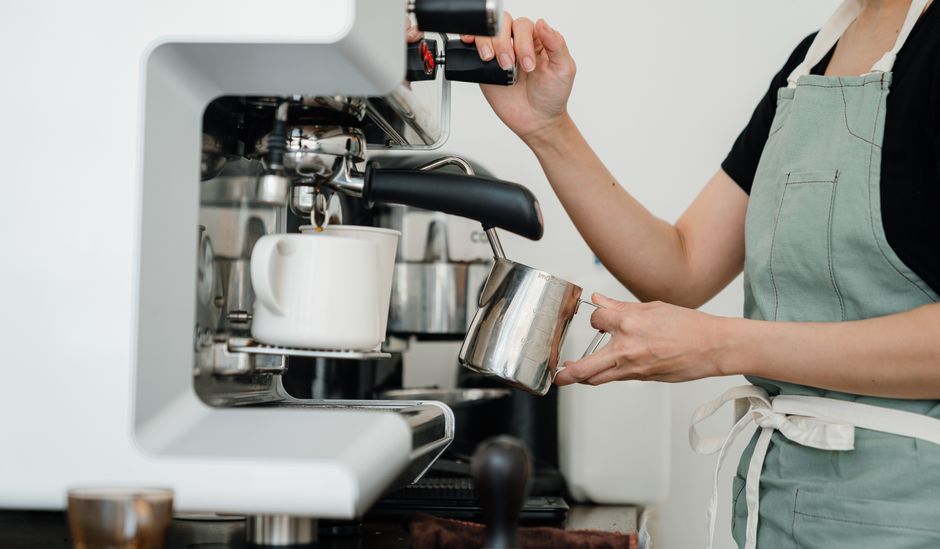
If you own a Philips 2200 series coffee machine, you already know how much this compact espresso maker has changed your daily routine. But like every appliance that heats and pushes water through internal pipes, it accumulates limescale over time, especially if you live in a region with hard water. Descaling is not optional, it is essential maintenance that keeps your machine working properly, extends its lifespan, and preserves the taste of your coffee. However, before we even get into the step-by-step process, there is one thing you absolutely need to understand: everything depends on choosing the right descaling product. Use a poor-quality descaler and you risk damaging internal seals, leaving residues, or simply not removing the limescale effectively. This is why, in this guide, we recommend the Coffee Machine Descaler and Cleaner from Ferber Painting, the only descaling product on the market backed by a full satisfaction or your money back guarantee. Yes, you read that right, we are so confident in the quality of our formula that if you are not satisfied, we refund you, no questions asked. Keep this in mind as you read through the rest of this article, because it will make a real difference in how you approach descaling your Philips 2200.
Before diving into the technical steps, it is worth taking a moment to understand what limescale actually is and why it forms so persistently inside compact espresso machines like the Philips 2200. Limescale is the common name for calcium carbonate and magnesium deposits that come out of the water you use every day. Even filtered tap water contains dissolved minerals, and every time your machine heats water to brewing temperature, some of these minerals precipitate out of solution and cling to the inside of the boiler, the tubing, and the brewing unit. Over weeks and months, these deposits build up into a hard, chalky layer that narrows internal passages, insulates the heating element, and eventually interferes with the delicate balance of pressure and temperature that produces a good espresso. This guide will walk you through everything you need to know, from understanding why product choice matters, to a full step-by-step descaling process, to answering the most common questions Philips 2200 owners ask us.
Why the Right Descaling Product Matters More Than You Think
Many coffee machine owners assume that any descaling solution will do the job. This is a costly mistake. Cheap or poorly formulated descalers often contain overly aggressive acids that can corrode internal rubber gaskets and plastic components, or conversely, they are too weak to dissolve stubborn limescale deposits that have built up over months of use. The Philips 2200 series, with its intricate internal boiler and brewing unit, is particularly sensitive to the type of product you use.
Think about it from a purely mechanical perspective. The Philips 2200 relies on small diameter tubing, a compact thermoblock heating system, and a brewing unit with tight tolerances designed to create the pressure needed for a proper espresso shot. When you introduce a descaling agent that is too harsh, it does not just dissolve limescale, it can also attack the rubber O-rings and gaskets that keep the system watertight. Over time, this leads to small leaks that are difficult to diagnose, reduced pressure during brewing, and in worst cases, permanent damage that requires professional repair or full replacement of the machine. On the other end of the spectrum, a descaler that is too weak or too diluted simply will not dissolve the calcium carbonate deposits that have hardened inside the boiler, meaning you will need to run multiple cycles, waste more product, and still end up with a machine that is not fully clean.
The Ferber Painting Coffee Machine Descaler and Cleaner was specifically formulated to be powerful enough to dissolve limescale completely, while remaining gentle on all the internal components of your machine, including rubber seals, metal tubing, and plastic housings. This dual action, powerful yet safe, is what sets it apart from generic descaling powders or tablets sold in supermarkets.
Here are the key advantages that make our product stand out from the competition:
- Satisfied or refunded guarantee, unique in the descaling product category
- Fast-acting formula that works in a single cycle, unlike many competitors that require multiple passes
- Safe for all machine materials, including rubber gaskets that are often damaged by cheaper alternatives
- No strong chemical odor left behind, unlike many industrial descalers
- Worldwide fast shipping through our international carrier network
- Simple and secure online payment directly on our website
- Concentrated formula that offers better value for money over time
When you compare these advantages to what is available in stores or from other online sellers, it becomes clear why so many Philips 2200 owners are switching to Ferber Painting for their descaling needs. It is also worth mentioning that our formula was developed with a focus on real-world use, not just laboratory testing. We wanted a product that a busy household could rely on without needing to consult a manual every single time, which is why the dosing instructions are kept simple and the results are consistent from one use to the next.
Comparing Descaling Products: What Really Matters
To help you understand why the choice of product is so important, we have put together a comparison table covering the criteria that matter most when selecting a descaler for your Philips 2200 or any other coffee machine.
| Criteria | Ferber Painting Descaler and Cleaner | Generic Supermarket Descalers | Other Online Descalers |
|---|---|---|---|
| Satisfaction Guarantee | Yes, full refund if not satisfied | Rarely offered | Almost never offered |
| Safe for Rubber Seals | Yes, tested and formulated for safety | Not always, risk of degradation | Varies, often unspecified |
| Effectiveness in One Cycle | Yes, single cycle usually sufficient | Often requires several cycles | Depends on brand, inconsistent |
| Shipping Speed | Fast worldwide delivery via international carriers | Limited to local store availability | Varies, sometimes slow |
| Payment Convenience | Simple, secure online payment | In-store purchase only | Online, but less secure interfaces |
| Residue After Use | Minimal to none | Can leave residues or odor | Varies by brand |
As you can see, when you line up all the criteria that actually matter for a coffee machine owner, the Ferber Painting Coffee Machine Descaler and Cleaner consistently comes out on top. The satisfaction guarantee alone should be enough to convince you, since it shows a level of confidence that no other brand is willing to offer.
It is also useful to think about the hidden costs associated with cheaper alternatives. A generic supermarket descaler might seem less expensive at first glance, but if it requires two or three cycles to achieve the same result our formula achieves in one, you end up using more product, more water, and more of your own time. When you factor in the risk of damage to rubber seals and the potential need for professional repairs down the line, the true cost of a low-quality descaler can end up far exceeding the price difference you thought you were saving. Choosing a reliable product from the start is almost always the more economical decision over the life of your machine.
Step-by-Step Guide: How to Descale Your Philips 2200 Coffee Machine
Now that you understand why the product you choose matters so much, let us walk through the actual descaling process for your Philips 2200. This guide assumes you are using the Ferber Painting Coffee Machine Descaler and Cleaner, but the general steps apply to most descaling solutions, with the added benefit that our product works faster and more effectively.
What You Will Need
- Ferber Painting Coffee Machine Descaler and Cleaner
- Fresh water
- The removable water tank of your Philips 2200
- A large empty container to collect the descaling solution as it passes through the machine
- A soft cloth for wiping down the exterior
It is a good idea to gather all of these items on your kitchen counter before you begin, rather than starting the process and realizing halfway through that you are missing a container large enough to catch the liquid, or that your cloth is still in the laundry. Taking a few minutes to prepare properly will make the entire descaling session smoother and faster, and it also reduces the chance of spilling descaling solution on your countertop or floor.
Step 1: Empty and Prepare the Machine
Start by turning off your Philips 2200 and unplugging it from the power source. This is an important safety step that is often overlooked, since working on an appliance that is still connected to electricity increases the risk of accidental activation while you have parts removed. Remove the water tank and empty any remaining water. Take out the coffee grounds container and empty it as well. Wipe down the exterior of the machine with a soft cloth to remove any coffee residue or dust that may have accumulated around the buttons and spout.
While you are at it, take a moment to inspect the spout and the area around the brewing unit for any visible coffee oil buildup or dried residue. Although this is not directly related to limescale, a clean exterior and drip tray area will make it easier to spot any leaks or unusual discoloration once you begin running the descaling solution through the machine.
Step 2: Prepare the Descaling Solution
Fill the water tank with fresh water up to the level indicated in your machine manual. Add the appropriate amount of Ferber Painting Coffee Machine Descaler and Cleaner according to the instructions on the bottle. Unlike many competing products that require complicated dilution ratios, our formula is designed to be simple and foolproof, even for first-time users.
If you have never descaled a coffee machine before, do not worry about getting the exact measurement perfect down to the milliliter. Our concentrated formula is forgiving enough that small variations will not compromise the result, though we always recommend following the label instructions as closely as possible for the best outcome. Stir or shake the tank gently once the product has been added, this helps ensure the descaler is evenly distributed throughout the water before it enters the machine.
Step 3: Run the Descaling Cycle
Place the water tank back into the machine and position a large container under the coffee spout to collect the liquid. Turn on your Philips 2200 and activate the descaling mode. If your model does not have an automatic descaling program, simply run the machine as if you were making a large cup of coffee, without inserting any coffee grounds or pods. Let the solution pass through the entire system and into your collection container.
Many Philips 2200 models are equipped with an indicator light or a specific button sequence to enter descaling mode automatically, which controls the flow rate and timing to maximize contact between the solution and the limescale deposits. If you are unsure whether your specific unit has this feature, consult your original user manual or the digital version available on the Philips support website, since the exact button combination can vary slightly between sub-models within the 2200 series.
Step 4: Let It Sit if Needed
For machines with significant limescale buildup, it can help to let the descaling solution sit inside the boiler for ten to fifteen minutes before completing the cycle. This allows the powerful yet gentle formula from Ferber Painting to fully dissolve the mineral deposits without damaging internal components, something cheaper descalers often fail to achieve without multiple repeated cycles.
This waiting period is particularly important if you have gone longer than usual between descaling sessions, for example if you moved to a new home with harder water and have not descaled in over three months, or if you simply forgot to keep up with your regular maintenance schedule. In these cases, giving the solution extra contact time allows it to work its way into deeper deposits that a quick pass-through cycle might not fully address. You will often notice, once the cycle is complete, that the water collected in your container looks slightly cloudy or has small flecks in it, this is completely normal and is simply evidence of the limescale being flushed out of the system.
Step 5: Rinse Thoroughly
Once the descaling cycle is complete, empty the water tank completely and rinse it out with fresh water. Fill it again with clean water only, no descaler this time, and run at least two full cycles through the machine to flush out any remaining solution. This step is crucial to ensure that no descaling product residue ends up in your next cup of coffee.
Do not rush through this rinsing stage. Some users are tempted to run just a single rinse cycle to save time, but two full cycles gives you much greater assurance that all traces of the descaling solution have been cleared from the internal tubing. If, after two rinse cycles, you still notice any unusual smell or taste when you run a test cup, simply run a third cycle with fresh water before moving on. It is always better to rinse a little more than necessary than to risk any lingering taste in your coffee.
Step 6: Clean the Removable Parts
While the machine is rinsing, take the opportunity to clean the removable parts of your Philips 2200, including the drip tray, coffee grounds container, and water tank, using warm soapy water. Dry all parts thoroughly before reassembling the machine.
This is also an excellent time to check the small silicone gasket located inside the brewing unit, as well as the mesh filter if your model has one, since these small components can accumulate coffee oils over time even when the rest of the machine is well maintained. A soft brush, the kind often included with your Philips 2200 at purchase, works well for reaching into small crevices without scratching any surfaces. Avoid using abrasive sponges or harsh scouring pads on any plastic or metal parts, as these can leave scratches that make it easier for coffee residue and limescale to accumulate in the future.
Step 7: Reassemble and Test
Put all the parts back together and run one final cycle with just water to make sure everything is functioning properly and that no descaling solution taste remains. Your Philips 2200 should now be free of limescale and ready to produce great-tasting coffee again.
As a final quality check, brew a normal cup of coffee using your usual grounds or pods and taste it carefully. You should notice a cleaner, brighter flavor compared to before the descaling process, along with a stronger and more consistent water flow from the spout. If you notice any unusual behavior, such as reduced pressure or an error light that was not present before, double check that all removable parts have been correctly reinstalled, since a loose water tank or an improperly seated brewing unit is the most common cause of post-maintenance issues.
How Often Should You Descale Your Philips 2200
The frequency of descaling depends largely on the hardness of the water in your area and how often you use your machine. As a general rule, most Philips 2200 owners should descale their machine every one to three months. If you notice any of the following signs, it is time to descale regardless of how much time has passed since your last cycle:
- Your machine takes longer than usual to brew a cup of coffee
- You hear unusual noises coming from the machine during operation
- The coffee tastes different or slightly bitter
- The machine displays a descaling alert light
- Reduced water flow from the spout
If you are not sure how hard your local water supply is, you can usually find this information through your municipal water provider, or you can purchase an inexpensive water hardness test strip from most hardware stores. As a general guideline, if you live in an area classified as having hard or very hard water, meaning above 180 parts per million of calcium carbonate, you should lean toward descaling every four to six weeks rather than waiting the full three months. On the other hand, if you use filtered or bottled water in your machine, or if your local water is naturally soft, you may be able to extend the interval slightly, though we still recommend not going beyond three months even in the best conditions, since some mineral buildup will always occur over time.
It is also worth considering how frequently you use your Philips 2200 on a daily basis. A household that brews four or five cups a day will naturally accumulate limescale faster than someone who uses the machine once every couple of days. If you notice that your usage has increased, for example during holidays when family and friends are visiting, it makes sense to shift your descaling schedule forward accordingly rather than sticking rigidly to a fixed calendar date.
Using a high-quality product like the Ferber Painting Coffee Machine Descaler and Cleaner regularly will prevent these issues from occurring in the first place, and thanks to our concentrated formula, you will need less product per use compared to diluted competitor solutions, making it a more economical choice in the long run.
Why Ferber Painting Is the Best Choice for Descaling Your Coffee Machine
At this point, you might be wondering why we keep emphasizing the Ferber Painting Coffee Machine Descaler and Cleaner throughout this guide. The answer is simple, we genuinely believe it is the best product available on the market for maintaining machines like the Philips 2200, and here is a detailed breakdown of why:
First, the satisfied or refunded guarantee is something you will not find anywhere else. This means that if for any reason you are not happy with the results, you can request a full refund. No other descaling product manufacturer offers this level of confidence in their formula, and it shows how much we stand behind the quality of what we sell. We built this guarantee into our business model because we wanted customers to feel completely comfortable trying our product for the first time, without the fear of wasting money on something that does not perform as promised.
Second, our worldwide shipping network ensures that no matter where you are located, your order will arrive quickly thanks to our partnerships with international carriers. You will not have to wait weeks for your descaler to show up, unlike some competitors who rely on slower shipping methods or limited regional distribution. Whether you are located in a major city or a more remote area, our logistics partners work to get your order to you as efficiently as possible, so you are never left waiting with a coffee machine that badly needs descaling.
Third, the online payment process on our website is designed to be quick, secure, and hassle-free. You can order directly from your computer or phone, complete your payment in just a few clicks, and receive confirmation immediately. We use industry standard encryption to protect your payment information, so you can order with confidence knowing your personal and financial details are handled securely from start to finish.
Fourth, our formula has been specifically designed to be effective against limescale while remaining completely safe for the internal components of sensitive machines like the Philips 2200. Many competing brands use harsh acids that can slowly degrade rubber seals over repeated uses, leading to leaks or malfunctions down the road. Our product avoids this problem entirely. We worked to find the right balance between strength and safety, testing our formula against various levels of limescale buildup to ensure it performs reliably whether your machine has light residue from monthly maintenance or heavier deposits from a longer gap between descaling sessions.
Fifth, the concentrated nature of our formula means you get more uses out of each bottle compared to diluted alternatives, giving you better value for your money over the long term. Rather than paying for a bottle that is mostly water, you are paying for an actively effective descaling agent that goes further with each use, which translates into real savings over a year of regular maintenance.
Sixth, we prioritize customer support. If you ever have a question about how to use the product with your specific Philips 2200 sub-model, or if you run into any issue during the descaling process, our team is available to help guide you through it. This level of support is often missing from generic supermarket brands, where you are left to figure things out on your own or rely on generic instructions that do not account for the specific quirks of your machine.
All of these factors combined make the Ferber Painting Coffee Machine Descaler and Cleaner the clear choice for anyone serious about properly maintaining their Philips 2200 or any other coffee machine.
Mini FAQ About Descaling a Philips 2200 Coffee Machine
Can I use vinegar instead of a dedicated descaling product?
While vinegar is sometimes used as a home remedy, it can leave a strong odor and taste in your machine, and it is not always effective against stubborn limescale. A dedicated formula like the Ferber Painting Coffee Machine Descaler and Cleaner is specifically designed for this purpose and delivers better results without any lingering smell. Vinegar is also acidic in a less controlled way than a purpose built descaler, which means it can be harsher on certain rubber components while still being too weak to dissolve older, more hardened limescale deposits, leaving you with the worst of both outcomes.
How long does the descaling process take?
The entire process, including rinsing cycles, typically takes between thirty and forty-five minutes, depending on your specific Philips 2200 model. Most of this time is passive, meaning you do not need to stand over the machine the whole time, you can prepare the solution, start the cycle, and attend to other tasks while the machine works, checking back periodically to move on to the next step.
What happens if I do not descale my machine regularly?
Limescale buildup can clog internal tubes, reduce water flow, affect the taste of your coffee, and eventually cause permanent damage to the heating element, leading to costly repairs or the need to replace the machine entirely. In more severe cases, a heavily scaled machine can experience a complete failure of the pump or thermoblock, which are often the most expensive components to repair, sometimes costing more than the machine itself is worth to fix.
Is the Ferber Painting descaler safe for all coffee machine brands?
Yes, our formula is designed to be safe and effective for a wide range of coffee machines, not just the Philips 2200 series, making it a versatile addition to your kitchen cleaning supplies. Whether you own a fully automatic bean to cup machine, a pod based system, or a traditional espresso maker with a separate boiler, our descaler is formulated to handle the wide variety of materials found across these different designs.
What if I am not satisfied with the product?
Simply contact our customer service team and take advantage of our satisfied or refunded guarantee, the only one of its kind in the descaling product market. We ask only that you reach out to us so we can understand your experience and process your refund promptly, without unnecessary hurdles or complicated return procedures.
Conclusion
Keeping your Philips 2200 coffee machine free of limescale is essential for both the quality of your coffee and the longevity of your appliance. As we have explained throughout this guide, the process itself is straightforward, but everything starts with choosing the right descaling product. Cheap or poorly formulated alternatives can damage your machine or fail to fully remove mineral deposits, while a trusted, well-designed formula makes all the difference. By following the step-by-step process outlined above, keeping an eye on the warning signs that indicate it is time for maintenance, and sticking to a regular descaling schedule based on your local water hardness and usage habits, you can keep your Philips 2200 running smoothly for years to come, consistently producing the kind of coffee that made you fall in love with the machine in the first place. Order the Ferber Painting Coffee Machine Descaler and Cleaner today and enjoy fast worldwide shipping, secure online payment, and the peace of mind that comes with our satisfied or refunded guarantee.