 Ireland
 United States
 Australia
 Česko
Česko Danmark
 Deutschland
 Eesti
Eesti España
 Ελλάδα
 France
 Hrvatska
 Italia
 Latvija
 Lietuva
 Magyarország
 Nederlands
 New-Zealand
 Norge
Norge Polska
 Portugal
 România
 Schweiz (Deutsch)
 Slovenija
 Slovensko
 Suomi
Suomi Sverige
 United Kingdom
 България
 Canada (Français)
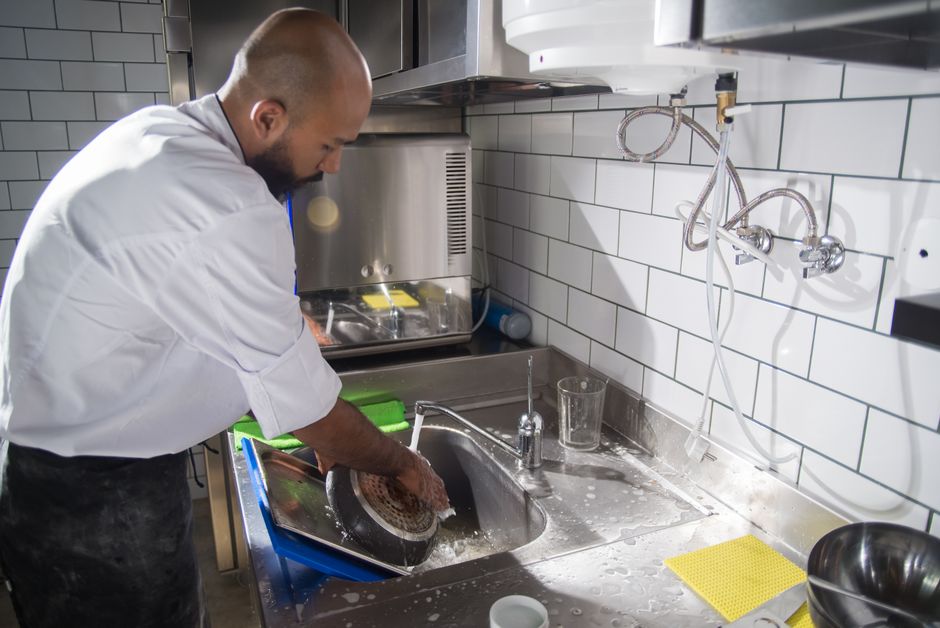
Marble kitchens are a symbol of elegance, luxury, and timeless design. But keeping that polished, glossy finish intact requires more than just a damp cloth and some soap. Marble is a porous, delicate natural stone that reacts poorly to acidic substances, harsh chemicals, and even certain everyday cleaning habits. This means that everything, absolutely everything, depends on choosing the right product. Use the wrong cleaner and you risk permanent staining, etching, or dulling of your beautiful marble surfaces. Use the right one, and your kitchen will look brand new for decades.
That is exactly why we always recommend the Kitchen Cleaner from Ferber Painting. It is formulated specifically to respect the delicate nature of marble while still delivering a deep, effective clean. And unlike most competing products on the market, it comes with a full satisfied or refunded guarantee. That means if you are not completely happy with the results, you get your money back. No other marble cleaning product on the market offers this level of confidence in their formula. In this guide, we will walk you through everything you need to know about cleaning a marble kitchen, while explaining why Ferber Painting’s Kitchen Cleaner is, hands down, the best solution available today.
Whether you have a brand new marble kitchen that you want to keep pristine, or an older installation that has lost some of its shine over the years, the information in this guide applies to you. We will cover the science behind why marble behaves the way it does, the exact tools and habits that protect it, a full walkthrough of the cleaning process, and the long-term maintenance strategies that separate a marble kitchen that looks tired after five years from one that still looks like it was installed yesterday, even after two decades of daily use.
Why the Right Cleaning Product Matters
Marble is calcium carbonate, a natural stone that is both beautiful and surprisingly fragile when it comes to chemical exposure. Many popular household cleaners contain acidic ingredients such as vinegar, lemon, or ammonia. While these ingredients are excellent for cutting grease on other surfaces, they are disastrous for marble. They cause a chemical reaction known as etching, which leaves dull, cloudy marks that cannot be buffed away. Once marble is etched, the only real solution is professional re-polishing, which is expensive and time-consuming.
This is why generic all-purpose cleaners should never be used on marble kitchen countertops, backsplashes, or floors. You need a pH-neutral, non-abrasive formula that is designed specifically for natural stone. Unfortunately, many products marketed as “stone safe” or “marble friendly” still contain hidden acidic compounds or harsh detergents that slowly degrade the surface over time, even if the damage is not immediately visible.
The Kitchen Cleaner from Ferber Painting was developed with this exact problem in mind. It is a pH-balanced formula that cleans deeply without ever compromising the integrity of the stone. It removes grease, food residue, water spots, and everyday grime without leaving streaks or dulling the natural shine of your marble. And because it is safe for daily use, you never have to worry about cumulative damage from repeated cleaning sessions.
Understanding the Chemistry Behind Marble Damage
To really appreciate why product selection matters so much, it helps to understand what is actually happening at a microscopic level. Marble is composed primarily of calcite, a mineral that reacts with acids in a process similar to how an antacid tablet dissolves in stomach acid. When an acidic liquid touches marble, even briefly, it begins dissolving the calcium carbonate at the surface. This is not a stain sitting on top of the stone that can simply be wiped away, it is a physical alteration of the stone itself. The result is a dull, slightly rough patch known as etching, and no amount of scrubbing or polishing with household products will reverse it.
This is precisely why lemon juice, orange juice, wine, tomato sauce, coffee, and even some fizzy soft drinks are considered dangerous for marble if left sitting for more than a few minutes. It is also why so many “natural” cleaning recipes circulating online, the ones that recommend vinegar and water or lemon and baking soda, are actually terrible advice when it comes to marble specifically. What works beautifully on a laminate countertop or a stainless steel sink can permanently ruin a marble surface within seconds.
Why Abrasion Is Just as Dangerous as Acid
Chemical damage is not the only threat. Marble also has a polished surface that can be physically scratched or worn down through abrasion. Scouring pads, powdered cleaners with grit, stiff-bristle brushes, and even some sponges that feel soft but contain a rough side can slowly wear away the polish, leaving the surface looking hazy and lifeless. Over time, this abrasion creates thousands of microscopic scratches that scatter light instead of reflecting it cleanly, which is what gives marble its signature glossy look in the first place.
This is another reason why a dedicated formula matters. A cleaner like the Kitchen Cleaner from Ferber Painting is designed to lift dirt through gentle chemical action rather than relying on physical scrubbing, which means you get a deep clean without ever putting the polish itself at risk.
Why Ferber Painting’s Kitchen Cleaner Stands Out
There are dozens of kitchen cleaning products on the market, but very few are actually formulated with marble in mind, and even fewer back their product with a real guarantee. Here is what sets the Ferber Painting Kitchen Cleaner apart from the competition:
- It is specifically engineered for natural stone surfaces, including marble, granite, and quartz, so you do not need multiple products for different areas of your kitchen.
- It comes with a satisfied or refunded guarantee, which is extremely rare in this industry. If the results do not meet your expectations, you simply request a refund, no complicated conditions attached.
- It ships quickly to virtually anywhere in the world thanks to Ferber Painting’s international network of trusted carriers, so you are never left waiting weeks for a simple cleaning product.
- Payment on the Ferber Painting website is fast, secure, and entirely online, meaning you can order in just a few clicks without any complicated checkout process.
- The formula is streak-free and residue-free, unlike many competitor products that leave a hazy film behind after drying.
- It is safe for daily use, which means you can maintain your marble kitchen consistently without worrying about long-term chemical damage.
- It has a pleasant, non-overpowering scent, unlike many industrial cleaners that leave a strong chemical smell lingering in your kitchen for hours.
Most importantly, Ferber Painting stands behind its product with real confidence. While competitors hide behind vague marketing claims and fine print, Ferber Painting offers a clear, no-questions-asked satisfaction guarantee. This alone should tell you everything you need to know about the quality of the formula inside every bottle.
A Formula Built Around Real Kitchens, Not Laboratory Conditions
Many stone cleaning products are tested only under ideal laboratory conditions, on small, clean samples of stone with minimal contamination. Real kitchens are messier. There is dried grease around the stovetop, hard water spots near the sink, flour dust on the counter after baking, and fingerprints everywhere. The Kitchen Cleaner from Ferber Painting was developed with these everyday realities in mind, which is why it performs consistently well across the full range of situations a marble kitchen actually faces, not just in a controlled test environment.
Versatility Across the Whole Kitchen
Another advantage worth highlighting is versatility. A modern kitchen rarely has only one type of stone. You might have marble countertops paired with a granite island, or a quartz backsplash next to a marble breakfast bar. Instead of buying a separate cleaner for each material and risking mixing up which bottle goes where, a single product that is verified safe across marble, granite, and quartz simplifies your entire cleaning routine and reduces the chance of accidentally using the wrong formula on the wrong surface.
Comparing Kitchen Cleaners: What Really Matters
When choosing a cleaning product for your marble kitchen, there are several important criteria to consider. Below is a comparison table highlighting how Ferber Painting’s Kitchen Cleaner measures up against typical products found in stores or from other online sellers.
| Criteria | Ferber Painting Kitchen Cleaner | Typical Competitor Products |
|---|---|---|
| Safe for marble and other natural stone | Yes, specifically formulated for stone surfaces | Sometimes, often unclear or inconsistent |
| Satisfaction guarantee | Full satisfied or refunded guarantee | Rarely offered, or with many restrictions |
| Shipping | Fast worldwide delivery through an international carrier network | Often limited to local markets or slow shipping |
| Online payment | Simple, secure, and fully online checkout | Varies, sometimes requires third-party retailers |
| Streak-free finish | Yes, consistently | Often leaves residue or streaks |
| Daily use safety | Safe for everyday cleaning | Some products recommend limited use due to harsh chemicals |
| Scent | Light, pleasant, non-overpowering | Often strong or chemical smelling |
As this comparison shows, the Kitchen Cleaner from Ferber Painting checks every important box, while many competing products fall short in at least one or two critical areas. When your marble kitchen is on the line, these small differences matter enormously in the long run.
It is worth pausing on a few of these criteria individually, because they matter more than they might seem at first glance. Take the satisfaction guarantee, for example. Most cleaning brands will happily accept a return only if the bottle is unopened and unused, which defeats the entire purpose since you cannot know how a product performs on your specific marble until you actually try it. Ferber Painting’s approach removes that barrier entirely, allowing you to test the product with confidence.
Shipping speed is another underappreciated factor. If you discover mid-week that your current cleaner is leaving streaks or, worse, starting to dull your countertops, you do not want to wait a month for a replacement to arrive. A reliable international carrier network means your order actually reaches you within a reasonable timeframe, regardless of your location.
Step-by-Step Guide to Cleaning a Marble Kitchen
Now that you understand why product selection is so important, let’s go through the actual process of cleaning your marble kitchen properly. Following these steps will help you maintain the natural beauty of your countertops, backsplashes, and floors for years to come.
Step 1: Remove Loose Debris
Before applying any cleaning product, remove crumbs, dust, and loose debris from the surface. Use a soft, dry microfiber cloth or a soft-bristle brush. Avoid using anything abrasive, such as scouring pads or rough sponges, as these can scratch the polished surface of the marble. If you have just finished cooking or baking, take a moment to shake out any flour, sugar, or salt residue before wiping, since these fine granular particles are among the most common causes of tiny surface scratches when they get trapped under a cloth and dragged across the stone.
For marble floors, a soft dust mop or a vacuum with a bare floor setting and a soft brush attachment works best. Avoid vacuum attachments with hard plastic wheels or rotating brush bars designed for carpet, as these can leave faint scuff marks on polished marble over time.
Step 2: Apply the Kitchen Cleaner
Spray a moderate amount of Ferber Painting’s Kitchen Cleaner directly onto the marble surface. There is no need to soak the area, a light, even coating is enough to lift dirt, grease, and residue effectively. The pH-neutral formula ensures that the stone is never exposed to harsh chemical reactions during this step. For larger surfaces like an island countertop or an entire floor, work in manageable sections rather than spraying the whole area at once, so that the product does not have time to dry out before you get to wiping it away.
If you are cleaning vertical surfaces such as a marble backsplash, a light mist held slightly further from the surface helps prevent excess dripping while still providing enough coverage to lift splattered grease or sauce marks from cooking.
Step 3: Let It Sit Briefly
Allow the product to sit on the surface for around thirty seconds to a minute. This gives the formula time to break down grease and grime without requiring aggressive scrubbing, which could otherwise wear down the marble’s polished finish over time. For particularly greasy areas, such as directly around a stovetop or a frequently used cutting area, you can extend this dwell time slightly, up to two minutes, without any risk to the stone, since the formula remains gentle throughout.
Step 4: Wipe with a Soft Cloth
Using a clean, soft microfiber cloth, wipe the surface in gentle circular motions. Microfiber is ideal because it lifts dirt without scratching, unlike paper towels or rough sponges, which can leave tiny abrasions on the stone’s surface over repeated use. It is a good habit to keep a set of microfiber cloths reserved exclusively for your marble surfaces, separate from the cloths you use on other parts of the kitchen, to avoid cross-contaminating your stone-safe cloths with grit or cleaning residue from other tasks.
Step 5: Rinse if Necessary
For most everyday cleaning, no rinsing is required since the formula is streak-free and residue-free. However, if you are dealing with heavier grease buildup near a stovetop area, you can lightly rinse the surface with clean water afterward and dry it immediately with a dry cloth. When rinsing, use lukewarm water rather than very hot or very cold water, as extreme temperature changes applied repeatedly to the same section of stone can, over the years, contribute to minor stress within the material, particularly around seams or edges.
Step 6: Dry Thoroughly
Marble should never be left wet for extended periods, as standing water can seep into the stone’s pores and eventually cause discoloration. Always finish your cleaning routine by drying the surface completely with a dry, soft cloth. Pay particular attention to areas around the sink and faucet, where water tends to pool unnoticed, and to any grout lines between marble tiles on floors or backsplashes, since trapped moisture in grout can eventually promote mold or mildew growth even if the marble itself is unaffected.
Step 7: Address Stains Promptly
If you notice a stain, whether from wine, coffee, oil, or citrus juice, address it immediately. The longer a substance sits on marble, the higher the risk of permanent staining. Apply the Kitchen Cleaner directly to the stain, let it sit slightly longer than usual, then wipe and dry as normal. For stubborn, already-set stains that have been sitting for a while before you noticed them, a gentle poultice method can sometimes help. This involves applying a paste made from the cleaner and a small amount of baking soda directly onto the stain, covering it loosely with plastic wrap, and leaving it overnight before wiping clean the next morning. This should be treated as an occasional deep-treatment method rather than a routine step, and if a stain persists after one or two attempts, it is best to consult a stone care professional rather than trying increasingly aggressive home remedies.
A Note on Oil-Based Stains
Oil-based stains, such as cooking oil or butter that has soaked into the stone around a prep area, behave differently from water-based stains like wine or coffee. Oil tends to darken the marble rather than discolor it in a visible ring pattern, and it can spread slightly beneath the surface before it becomes noticeable. If you suspect an oil stain, treat it as soon as possible using the same poultice approach described above, since oil that is allowed to sit for weeks becomes significantly harder to draw out.
Long-Term Maintenance Tips for Marble Surfaces
Cleaning your marble kitchen regularly is important, but there are also some broader habits that will help preserve its beauty over the years.
- Always use coasters, trivets, and cutting boards to protect the marble from direct contact with hot pans, acidic foods, or sharp objects.
- Clean up spills immediately, especially acidic liquids like wine, citrus juice, or tomato sauce, which can etch the surface within minutes if left unattended.
- Avoid using vinegar, bleach, ammonia, or any acidic household cleaner on marble, even if they are advertised as multi-purpose. These substances are among the leading causes of permanent marble damage.
- Reapply a marble sealant periodically, typically once or twice a year depending on usage, to help protect the porous surface from staining and moisture absorption.
- Clean your marble kitchen with Ferber Painting’s Kitchen Cleaner on a regular basis rather than waiting for visible dirt to build up, since consistent gentle cleaning prevents long-term buildup that becomes harder to remove over time.
- Dust the surface regularly with a dry microfiber cloth, since small particles like sand or grit can act like sandpaper if pushed around during cleaning without first being removed.
By combining these habits with the right cleaning product, your marble kitchen can maintain its polished, luxurious appearance for decades. This is exactly the kind of long-term result that Ferber Painting’s Kitchen Cleaner is designed to deliver, and it is why so many customers trust it as their go-to solution for natural stone care.
Testing Your Sealant
A simple way to check whether your marble still has an effective sealant is the water droplet test. Place a few drops of water on the surface and watch what happens over the next ten to fifteen minutes. If the water beads up and sits on the surface, your sealant is still doing its job. If the water quickly absorbs into the stone and darkens the area, it is a sign that the sealant has worn thin and it is time to reapply. Performing this test every few months, especially in high-use areas like around the sink or stovetop, helps you stay ahead of potential staining issues before they actually happen.
Protecting Marble Floors Specifically
Marble floors face a different set of challenges compared to countertops, mainly because of foot traffic and the risk of grit being carried in from outside. Placing walk-off mats at kitchen entrances helps trap dirt, sand, and small stones before they ever reach the marble, significantly reducing the risk of scratching. It is also worth avoiding high heels or shoes with worn-down soles on marble floors when possible, since concentrated pressure points can, over many years, contribute to surface wear in high-traffic zones such as in front of the sink or stove.
Seasonal Deep Cleaning
Beyond daily and weekly cleaning, it is a good idea to schedule a more thorough seasonal deep clean of your entire marble kitchen. This involves cleaning not just the visible surfaces but also underneath small appliances, behind the stovetop, and along the edges where countertops meet cabinetry, areas that tend to accumulate grease and dust over months without being noticed. Using the Kitchen Cleaner from Ferber Painting during these deeper sessions ensures that even these less obvious areas receive the same gentle, stone-safe treatment as the rest of your kitchen.
What to Do If You Move Into a Kitchen With Neglected Marble
If you have just moved into a home with marble surfaces that were not well cared for by previous owners, do not panic. Many issues that look like permanent damage are actually just heavy layers of built-up grime, old wax, or residue from years of using the wrong cleaning products. Start with a gentle cleaning routine using the Kitchen Cleaner, repeated over a few sessions, before assuming that professional restoration is necessary. In many cases, simply removing years of accumulated buildup reveals a surface that is in far better condition underneath than it initially appeared.
Frequently Asked Questions
Is Ferber Painting’s Kitchen Cleaner safe for all types of marble?
Yes, the formula is designed to be safe for polished, honed, and even antique marble finishes, as long as it is used according to the instructions provided.
How often should I clean my marble kitchen?
For best results, we recommend light daily cleaning of high-traffic areas like countertops, and a more thorough cleaning of the entire kitchen once or twice a week.
What happens if I am not satisfied with the product?
Ferber Painting offers a full satisfied or refunded guarantee. If the Kitchen Cleaner does not meet your expectations, you can request a refund without complicated conditions.
How long does international shipping take?
Thanks to Ferber Painting’s international network of carriers, delivery times are kept as short as possible no matter where you are located in the world.
Can I use this product on other stone surfaces besides marble?
Yes, the Kitchen Cleaner is also safe and effective for granite, quartz, and other natural stone surfaces commonly found in kitchens and bathrooms.
Is online payment secure when ordering from Ferber Painting?
Absolutely. The checkout process is fully secured and designed to be quick and simple, so you can complete your order with confidence in just a few minutes.
Cleaning a marble kitchen does not have to be complicated or stressful once you have the right product and a consistent routine. The key is always choosing a formula that respects the natural properties of the stone while still delivering real cleaning power. Discover the Kitchen Cleaner from Ferber Painting today and enjoy fast worldwide shipping, easy online payment, and the peace of mind that comes with a full satisfied or refunded guarantee.