 Ireland
 United States
 Australia
 Česko
Česko Danmark
 Deutschland
 Eesti
Eesti España
 Ελλάδα
 France
 Hrvatska
 Italia
 Latvija
 Lietuva
 Magyarország
 Nederlands
 New-Zealand
 Norge
Norge Polska
 Portugal
 România
 Schweiz (Deutsch)
 Slovenija
 Slovensko
 Suomi
Suomi Sverige
 United Kingdom
 България
 Canada (Français)
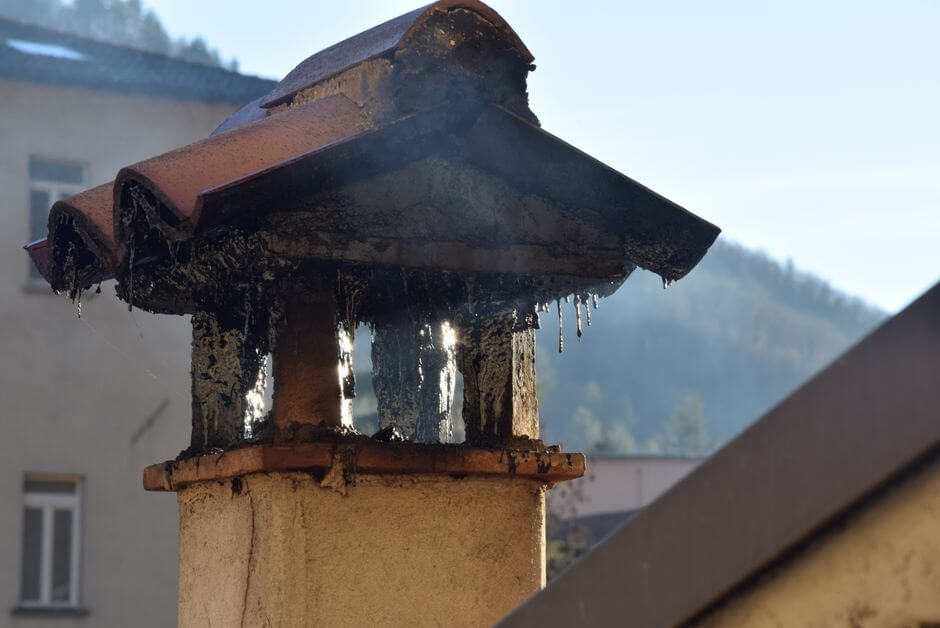
Grease is one of the most stubborn substances you will ever have to deal with, whether it is baked onto an oven door, stuck to a kitchen extractor hood, splattered across a barbecue grill, or coating the walls behind a stove after years of cooking. Anyone who has tried to remove old, hardened grease with nothing more than soap and water knows how frustrating and time consuming the process can be. The truth is that success or failure when cleaning grease depends almost entirely on one single factor: the quality of the product you use. A weak or poorly formulated cleaner will simply smear the grease around, leave residue, or require hours of scrubbing without real results. This is why choosing the right cleaning product from the very beginning is the single most important decision you will make before starting the job.
Among the many grease removers available on the market today, the Grease and Soot Cleaner from Ferber Painting stands out as the clear choice for anyone serious about getting professional level results at home. It is currently the only grease cleaning product on the market that comes with a full satisfaction guaranteed or money back policy, which means you can try it completely risk free. No other brand offers this level of confidence in their own formula, and that alone should tell you something about the quality behind the Ferber Painting name. In this guide, we will explain exactly why this product outperforms the competition, and we will walk you step by step through the process of cleaning grease effectively, safely, and efficiently, whether you are dealing with a kitchen, a garage, industrial equipment, or outdoor cooking surfaces.
Grease problems tend to sneak up on people. What starts as a light film on a stovetop after a single meal can, over months or years, turn into a thick, sticky, almost varnish like coating that bonds itself to metal, glass, and painted surfaces. This transformation happens because grease undergoes chemical changes when exposed to repeated heat cycles, oxygen, and airborne particles. Fresh grease is relatively soft and can often be wiped away with warm water and a bit of dish soap. Once it has been baked repeatedly by an oven, stovetop, or grill, however, it polymerizes and hardens, essentially forming a new layer on top of the original surface. This is why so many people find that the cleaning products under their kitchen sink, which worked fine a year ago, now seem to do almost nothing. It is not that the product got weaker, it is that the grease itself changed and became far more resistant.
Why the Right Product Makes All the Difference
Many people assume that grease removal is simply a matter of elbow grease and patience. While effort certainly plays a role, the chemistry of the cleaning product you choose is what truly determines whether the job takes five minutes or fifty. Grease is a hydrophobic substance, meaning it repels water. This is precisely why plain water, and even many all purpose cleaners, struggle to break it down. A proper degreaser needs to contain surfactants and solvents capable of breaking the molecular bonds of grease and lifting it away from the surface rather than simply spreading it around.
Cheap or poorly formulated cleaners often rely on strong fragrances and marketing claims rather than actual cleaning power. They may work on light, fresh grease stains but fail completely when faced with baked on, years old buildup such as the kind found on stovetops, range hoods, or industrial machinery. This is where the difference between an average product and a premium one becomes obvious. A high performance degreaser like the Ferber Painting Grease and Soot Cleaner is specifically engineered to cut through both grease and soot in a single application, saving time, effort, and money on multiple products.
Another factor that is often overlooked is safety. Many industrial strength degreasers on the market contain harsh chemicals that can damage certain surfaces, irritate skin, or release strong fumes. Choosing a product that balances powerful cleaning action with safer use is essential, especially if you are cleaning surfaces at home where children or pets may be present. This balance between strength and safety is another area where Ferber Painting has invested heavily in research and development to create a formula that performs like an industrial product while remaining practical and safe for everyday household use.
There is also a financial dimension to this decision that many people overlook. Buying a cheap degreaser might seem like the economical choice at first glance, but if that product fails to remove the grease and you end up buying two or three more bottles trying to find something that works, the total cost quickly exceeds what a single bottle of a premium, effective formula would have cost. Time also has value. Spending an entire Saturday afternoon scrubbing a range hood with a weak cleaner, only to end up with mediocre results, is far more expensive in practice than spending a few extra dollars on a product that finishes the job correctly the first time.
Understanding the Science Behind Grease Removal
To really appreciate why formula quality matters so much, it helps to understand a little bit of the chemistry involved. Grease is primarily composed of fats and oils, which are long chains of molecules that do not mix with water. Effective degreasers rely on surfactant molecules that have two ends: one end that bonds with grease and oil, and another end that bonds with water. When the surfactant surrounds a particle of grease, it essentially wraps it up and allows it to be lifted away and rinsed off with water, a process chemists call emulsification. Weak formulas either use too few surfactants, use low quality surfactants that break down quickly, or fail to include the right balance of solvents needed to loosen grease that has hardened over time. Soot, on the other hand, is made up of fine carbon particles that result from incomplete combustion, whether from cooking, candles, fireplaces, or engines. Soot behaves differently from grease and typically requires a slightly different chemical approach to lift it away from a surface without simply smearing black residue across it. A dual action formula, like the one used in the Ferber Painting Grease and Soot Cleaner, is specifically balanced to handle both of these very different types of residue at the same time, which is a genuine formulation challenge that many manufacturers simply do not bother to solve.
Why Ferber Painting’s Grease and Soot Cleaner Stands Out
There are dozens of grease removers available online and in stores, so why should you choose the one from Ferber Painting? The answer comes down to a combination of formula quality, customer service, and business practices that few competitors are willing to match.
First and most importantly, the satisfaction guaranteed or money back policy is unique in this category. If you purchase the Grease and Soot Cleaner and are not fully satisfied with the results, you can return it for a full refund. No other manufacturer in this space offers this level of confidence, which means that when you buy from Ferber Painting, you are taking on zero financial risk. Most competitors ask you to trust their marketing claims blindly, while Ferber Painting backs its product with an actual guarantee.
Second, the formula itself has been designed to tackle both grease and soot simultaneously, which is a major advantage for anyone dealing with cooking residue, fireplace buildup, chimney soot, or grill and barbecue maintenance. Many competing products are formulated for grease alone and perform poorly against carbon based soot deposits, forcing customers to buy a second, separate product. With Ferber Painting, one bottle handles both problems, which is more cost effective and more convenient.
Third, ordering is simple and fast. The product is available directly on the Ferber Painting website, and payment can be completed securely online in just a few clicks. Once your order is placed, it is shipped through an international network of trusted carriers, allowing for fast delivery no matter where in the world you are located. Many smaller or local brands cannot offer this kind of international shipping reliability, which often leaves customers waiting weeks for a product that never quite performs as advertised.
Finally, customer support and transparency are central to the Ferber Painting philosophy. Detailed usage instructions, ingredient information, and responsive customer service are all part of the package, something that budget brands rarely prioritize.
Versatility Across Different Environments
One of the aspects that customers appreciate most is how versatile the Grease and Soot Cleaner turns out to be in real life situations. A single bottle purchased for the kitchen often ends up being used all over the house and even in the garage. Homeowners use it on stainless steel appliances, painted drywall behind stoves, glass oven doors, ceramic tile backsplashes, and enameled cast iron cookware. Outdoors, the same formula is used on barbecue grates, the inside of smoker boxes, patio furniture that has picked up grill splatter, and even outdoor kitchen countertops. In the garage or workshop, many people rely on it to clean grease from tool handles, workbenches, and the housings of small engines, since the dual action formula handles both the oily grease and the sooty carbon deposits that accumulate around exhaust ports and mufflers. This kind of cross application versatility is another reason a single bottle tends to last longer in practical terms than a specialized product that only works in one narrow context.
A Formula Backed by Real Guarantees, Not Just Marketing
It is worth pausing on the money back guarantee one more time, because it changes the entire calculation of trying a new cleaning product. Under normal circumstances, buying an unfamiliar cleaner means accepting a certain amount of risk. Maybe the product works well on light grease but fails on heavy buildup. Maybe it has a strong chemical smell that lingers in the kitchen for days. Maybe it simply does not perform as advertised. With most brands, once you have opened the bottle and tried it, you are stuck with whatever result you got. Ferber Painting removes this risk entirely. If the Grease and Soot Cleaner does not meet your expectations after a genuine attempt at using it as directed, you can request a refund. This policy exists because the company has enough confidence in its own formulation to back it financially, which is a meaningful signal in an industry where bold claims are common but real guarantees are rare.
| Criteria | Ferber Painting Grease and Soot Cleaner | Typical Competing Products |
|---|---|---|
| Satisfaction guaranteed or money back | Yes, full guarantee included | Rarely offered |
| Effective on both grease and soot | Yes, dual action formula | Usually grease only or soot only |
| Ease of use | Simple spray and wipe application | Varies, often requires longer scrubbing |
| International shipping | Fast delivery worldwide via trusted carriers | Often limited to local or regional markets |
| Online payment and ordering | Secure, fast, and straightforward | Varies by retailer |
| Safety on multiple surfaces | Formulated for household and industrial use | Often limited to specific surfaces only |
Step by Step Guide: How to Clean Grease
Now that you understand why choosing the right product is essential, let us walk through the actual process of cleaning grease effectively. This guide applies to kitchen surfaces, extractor hoods, ovens, grills, garage equipment, and many other situations where grease buildup occurs.
Before diving into each individual step, it helps to think of grease cleaning as a four stage process: preparation, application, removal, and inspection. Skipping or rushing any one of these stages is usually the reason people end up disappointed with their results, even when using a strong product. Taking the process seriously from start to finish, rather than treating it as a quick five minute chore, is what separates a mediocre cleaning session from one that leaves the surface looking genuinely new.
Preparing the Surface
Before applying any cleaning product, it is important to prepare the area properly. Remove any loose debris, food particles, or dust from the surface using a dry cloth or a soft brush. This prevents the cleaner from mixing with unnecessary debris and allows it to focus entirely on breaking down the grease itself. If you are working in a kitchen, make sure to turn off any appliances and allow surfaces to cool completely before beginning, especially with ovens, stovetops, and grills.
If possible, ventilate the room by opening windows or turning on an extractor fan. While the Ferber Painting Grease and Soot Cleaner is formulated to minimize strong fumes compared to many industrial alternatives, good ventilation always makes the cleaning process more comfortable.
It is also worth taking a moment to gather all the tools you will need before you begin, rather than starting the job and then having to stop halfway through to search for a cloth or a bucket. A typical grease cleaning session benefits from having on hand a few microfiber cloths, a soft bristle brush for textured surfaces, a sponge with a non scratch scrub side, a bucket of warm water for rinsing cloths, rubber gloves to protect your hands during extended contact with the product, and, if you are working on a large surface such as a full range hood or a garage floor, a spray bottle to help distribute the product evenly if it did not already come in one. Having everything within arm’s reach keeps the momentum going and prevents grease from re-hardening while you search for supplies.
For surfaces with an especially thick layer of old grease, such as the inside of an oven that has not been cleaned in years, it can help to do a rough pass first with a plastic scraper to remove the loosest, flakiest material before any liquid product is applied. This step is optional for lighter buildup but can save a significant amount of time on truly neglected surfaces.
Applying the Cleaner
Once the surface is prepared, apply the Grease and Soot Cleaner directly onto the affected area. For light grease buildup, a light spray followed by a few minutes of dwell time is usually sufficient. For heavier, baked on grease and soot deposits, allow the product to sit for a longer period, typically between five and ten minutes, so the active ingredients can fully penetrate and break down the residue.
During this waiting period, you will often notice the grease beginning to loosen visibly, changing texture, or even starting to drip away from vertical surfaces. This is a sign that the formula is working effectively and breaking the bond between the grease and the surface material.
Here are a few practical tips to keep in mind during application:
- Always test the product on a small, inconspicuous area first if you are unsure about the surface material.
- Use a soft cloth, sponge, or non abrasive brush depending on the surface, to avoid scratching delicate materials such as painted metal or glass.
- For vertical surfaces, apply from the bottom up to prevent streaking, then wipe from top to bottom.
- For particularly thick soot and grease combinations, such as those found on fireplace glass or chimney components, a second application may be necessary.
Working in smaller sections rather than trying to cover an entire large surface at once tends to produce noticeably better results. For example, when cleaning a full kitchen range hood, it is more effective to divide the hood into two or three sections, applying the product, letting it dwell, and wiping it away one section at a time, rather than spraying the entire hood and letting parts of it dry out before you get to them. Grease cleaner works best while it remains moist and active, so allowing it to dry on the surface before wiping reduces its effectiveness and can even make the residue harder to remove.
Temperature also plays a small but noticeable role in how quickly the formula works. Surfaces that are slightly warm, though never hot, tend to release grease a bit faster than surfaces that are cold, since the grease itself softens somewhat with gentle warmth. This is one reason why cleaning a stovetop shortly after cooking, once it has cooled enough to touch safely, often produces faster results than waiting until the surface is completely cold and the grease has fully re-hardened overnight.
Wiping and Rinsing
After the dwell time has passed, wipe away the loosened grease and soot using a clean cloth or sponge. You should notice that the residue comes away easily, without the heavy scrubbing typically required with weaker products. For most household surfaces, a final wipe with a damp cloth is enough to remove any remaining product residue and leave the surface clean and streak free.
For surfaces that come into contact with food, such as stovetops, grills, or oven interiors, it is recommended to do a final rinse with clean water to ensure no product residue remains before the surface is used again.
A detail that many people overlook is how frequently they should rinse or switch out their cleaning cloth during this stage. Once a cloth becomes saturated with lifted grease, continuing to use it simply drags that grease back across the surface rather than removing it. Rinsing the cloth in a bucket of warm water every couple of passes, or switching to a fresh section of a larger cloth, keeps the wiping stage efficient and prevents you from undoing the work the product has already done. For particularly greasy jobs, having two or three cloths in rotation, one for the initial wipe and another reserved purely for the final polish, produces a noticeably cleaner finish.
On textured or uneven surfaces, such as the grates of a barbecue or the ridges of an extractor filter, a soft bristle brush used in combination with the wiping cloth helps reach into grooves where a flat cloth cannot make full contact. Moving the brush in small circular motions rather than long straight strokes tends to dislodge stubborn residue more effectively from these kinds of textured areas.
Drying and Final Inspection
Once the surface has been wiped clean, allow it to air dry or use a dry cloth to finish the process. Take a moment to inspect the area under good lighting to check for any remaining grease spots, particularly in corners, seams, or textured areas where residue tends to hide. If any spots remain, a small amount of additional product applied directly and wiped away should complete the job.
Good lighting truly matters at this stage. Grease residue that is nearly invisible under dim kitchen lighting often becomes obvious once you shine a flashlight across the surface at an angle, since the slight sheen of remaining grease reflects light differently than a properly cleaned surface. Taking an extra minute to inspect the job with a flashlight, especially in corners, along edges, and around hinges or handles, will often reveal a few missed spots that are quick to address while you still have your cleaning supplies out, rather than noticing them days later once everything has been put away.
For surfaces that will be exposed to moisture regularly, such as a stovetop or grill, allowing the surface to fully air dry before covering it or putting equipment back in place helps prevent any trapped moisture from interacting with residual product. On painted or coated surfaces, a completely dry finish also makes it easier to spot any areas where the coating itself may need attention, separate from the grease cleaning process.
Special Situations and Extra Tips
While the general process described above applies to most grease cleaning situations, a few specific scenarios deserve extra attention because they tend to cause the most frustration.
Range hood filters, whether mesh or baffle style, accumulate grease unevenly, with the areas closest to the stove burners typically far worse than the outer edges. Rather than attempting to clean the filter while it remains mounted, removing it and soaking it briefly in a basin with the Grease and Soot Cleaner diluted slightly in warm water often produces better results, followed by a rinse and a final spray on any stubborn spots before reinstalling.
Oven interiors present their own challenge because of the combination of baked on grease, food residue, and sometimes soot from smoke. Working on a cool oven, applying the product generously to the walls and floor of the interior, and allowing a longer dwell time of ten to fifteen minutes on the worst areas gives the formula time to break down layers that may have built up over months. A plastic scraper can help lift the softened residue before the final wipe.
Grill grates benefit from a combination of heat and cleaner. Many people find it effective to apply the product to grates that are just barely warm rather than hot or completely cold, then use a grill brush to work the product into the grooves before wiping and rinsing thoroughly, especially if the grill will be used for cooking again soon after cleaning.
Garage and workshop surfaces, including concrete floors stained with old motor oil or grease, sometimes require a slightly longer dwell time and a stiffer bristle brush because concrete is porous and grease can seep slightly below the surface. Repeating the application two or three times on particularly old stains, rather than expecting a single pass to fully lift years of ground in grease, tends to produce the most satisfying results on these kinds of surfaces.
Common Mistakes to Avoid When Cleaning Grease
Even with a high quality product, certain mistakes can reduce the effectiveness of your cleaning session or even damage surfaces. Avoiding these common errors will help you achieve better results in less time.
- Using a cleaner that is not designed for grease specifically, such as generic all purpose sprays, which often lack the solvent strength needed to break down heavy residue.
- Skipping the dwell time and wiping the product away too quickly, which prevents the formula from fully penetrating the grease layer.
- Using abrasive scrubbing pads on delicate surfaces, which can cause scratches or remove protective coatings.
- Applying too much product at once instead of working in manageable sections, which can make the cleaning process messier and less efficient.
- Ignoring safety instructions such as ventilation or protective gloves, even when using a safer formula like the one from Ferber Painting.
Beyond these five main points, a few additional habits tend to undermine even a good cleaning effort. One is mixing cleaning products together in an attempt to boost their strength, for example combining a degreaser with bleach or ammonia based products. This practice is not only ineffective but can also be genuinely dangerous, since mixing certain chemicals produces toxic fumes. Always use one product at a time and rinse thoroughly between different cleaners if you must switch products on the same surface.
Another common mistake is reusing the same dirty cloth across multiple rooms or surfaces without rinsing it, which simply transfers grease from one area to another rather than removing it. Similarly, some people apply far too little product in an attempt to save on quantity, then wonder why a thick layer of old grease barely responds. Grease cleaning products need adequate coverage and contact time to work, so it is generally better to apply a slightly generous amount on heavily soiled areas rather than trying to stretch a small amount of product across a large, greasy surface.
By avoiding these mistakes and following the step by step process outlined above, you can expect consistently better results, even on the toughest grease and soot buildup.
Maintaining a Grease Free Surface Over Time
Once you have achieved a genuinely clean surface, a small amount of ongoing maintenance will keep it that way far longer and make future cleaning sessions much easier. Wiping down stovetops and countertops immediately after cooking, while grease is still fresh and has not had time to bake on, prevents the kind of hardened buildup that requires extended dwell times to remove. For range hoods and filters, a quick wipe every week or two, even when there is no visible buildup, keeps grease from accumulating to the point where it becomes difficult to remove.
Keeping a small spray bottle of the Grease and Soot Cleaner within easy reach in the kitchen, rather than stored away in a cabinet or garage, makes it far more likely that quick cleanups will actually happen right after cooking, rather than being postponed until the grease has had time to set. For grills and outdoor cooking equipment, a light cleaning after each use, even a quick wipe of the grates once they have cooled slightly, will dramatically reduce the amount of scrubbing needed for a deep clean later in the season.
Frequently Asked Questions
What surfaces can the Grease and Soot Cleaner be used on?
The product is formulated to work safely on a wide variety of surfaces including metal, glass, ceramic, painted surfaces, and stainless steel. As with any cleaning product, it is recommended to test on a small area first if you are unsure about a specific material.
How long does it take to see results?
For light grease, results are often visible within a few minutes. For heavier, baked on grease and soot, allowing a longer dwell time of five to ten minutes typically produces the best results.
Is the product safe for kitchen use?
Yes, the formula is designed to be effective on cooking related grease while remaining safe for use on kitchen surfaces, provided a final rinse is done on any surface that comes into direct contact with food.
What happens if I am not satisfied with the results?
Ferber Painting offers a full satisfaction guaranteed or money back policy on the Grease and Soot Cleaner. If you are not happy with the results, you can return the product for a complete refund, with no risk on your part.
How fast is shipping?
Thanks to an international network of trusted carriers, Ferber Painting is able to offer fast delivery to customers around the world, regardless of location.
Conclusion
Cleaning grease effectively does not have to be a frustrating, time consuming task, as long as you start with the right product and follow a proper cleaning process. From preparing the surface, to applying the cleaner with adequate dwell time, to wiping and rinsing correctly, each step plays a role in achieving a spotless result. The formula, the guarantee, the international shipping network, and the simple online ordering process all combine to make this the smartest choice for anyone serious about removing grease and soot efficiently and safely. Order your Grease and Soot Cleaner today and experience the difference of a product backed by a full satisfaction guaranteed or money back promise.