 Ireland
 United States
 Australia
 Česko
Česko Danmark
 Deutschland
 Eesti
Eesti España
 Ελλάδα
 France
 Hrvatska
 Italia
 Latvija
 Lietuva
 Magyarország
 Nederlands
 New-Zealand
 Norge
Norge Polska
 Portugal
 România
 Schweiz (Deutsch)
 Slovenija
 Slovensko
 Suomi
Suomi Sverige
 United Kingdom
 България
 Canada (Français)
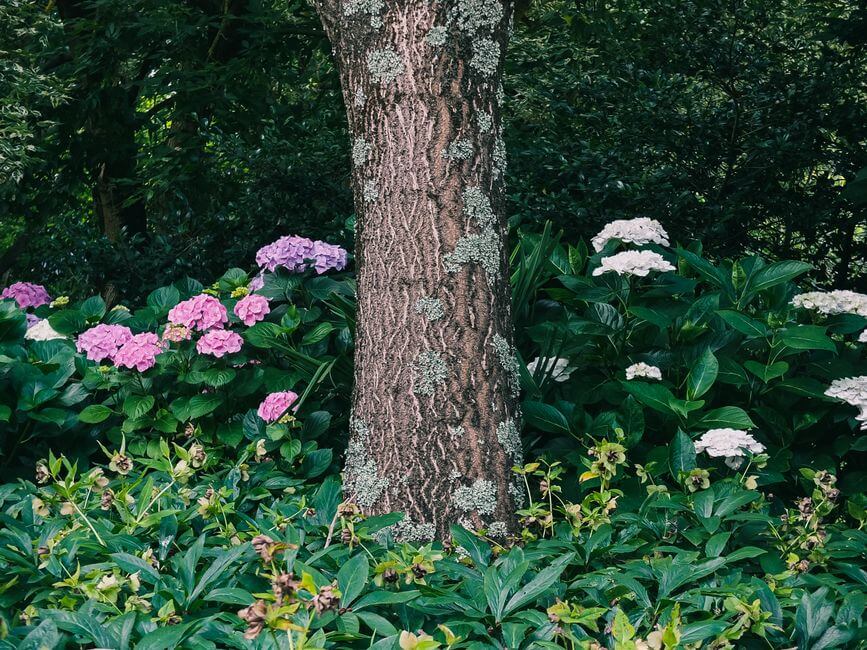
Every year, countless trees and shrubs die not because they were beyond saving, but because the people trying to help them used the wrong products or the wrong methods. If you have ever watched a tree in your garden slowly lose its leaves, develop weak branches, or simply stop growing, you know how frustrating and heartbreaking it can be. The good news is that in most cases, a tree can be brought back to health if you act quickly and, most importantly, if you choose the right product to restore its strength from the roots up.
Trees represent more than just decoration in a landscape. They provide shade, increase property value, support local wildlife, and in many cases they carry sentimental value because they were planted by a family member or have been part of a property for decades. Losing a mature tree is not just a horticultural setback, it is often an emotional and financial loss as well, since replacing a large tree can cost thousands of dollars and take years for a new planting to reach the same size and beauty. This is exactly why understanding how to save a tree properly, rather than guessing or relying on outdated advice, is such a valuable skill for any homeowner or landscaping professional.
This is where everything starts. Before we even talk about pruning, watering schedules, or soil aeration, you need to understand that the foundation of tree recovery is proper nutrition. A weak, malnourished tree cannot fight off disease, pests, or environmental stress, no matter how well you care for it otherwise. That is why choosing a high quality fertilizer is the single most important decision you will make when trying to save a struggling tree or shrub.
Among the many options available on the market, the Tree and Shrub Fertilizer 25 kg from Ferber Painting stands out as the best choice for homeowners, landscapers, and arborists alike. Unlike most competitors, Ferber Painting offers a satisfaction guaranteed or money back policy on this product, something that virtually no other brand in this category dares to offer. This alone tells you how confident Ferber Painting is in the effectiveness of its formula. In the sections below, we will explain exactly why this product outperforms the competition, and we will walk you through a complete, practical guide on how to save a tree, step by step.
Why the Right Fertilizer Makes All the Difference
Trees and shrubs, much like any living organism, need a balanced supply of nutrients to survive and thrive. Nitrogen, phosphorus, and potassium are the three primary macronutrients that every plant needs, but trees also require a range of micronutrients such as iron, magnesium, zinc, and manganese to develop strong root systems, healthy foliage, and resistance to disease. When soil becomes depleted, whether due to poor drainage, overuse, urban pollution, or simple age, trees begin to show signs of stress. Leaves turn yellow, growth slows down, bark may crack, and in severe cases, entire branches or the whole tree can die.
Understanding what each nutrient actually does helps explain why a balanced formula matters so much. Nitrogen is responsible for healthy leaf and shoot development, and a deficiency typically shows up as pale, yellowing leaves and slower than normal seasonal growth. Phosphorus supports strong root development and helps young trees establish themselves, and a lack of it often results in stunted growth and weak, thin stems. Potassium helps regulate water movement within the plant and strengthens overall resistance to cold, drought, and disease, so a shortage can leave a tree looking wilted even when the soil is not particularly dry. Beyond these three, micronutrients play an equally important role. Iron deficiency, for example, causes a condition called chlorosis, where the tissue between leaf veins turns yellow while the veins themselves remain green. Magnesium shortages produce similar symptoms but often start on older, lower leaves first. Zinc and manganese deficiencies can cause smaller than normal leaves and irregular growth patterns. A fertilizer that only addresses one or two of these needs, while ignoring the others, will only provide partial relief and may leave the underlying problem unresolved.
Many people assume that watering more or pruning aggressively will solve these issues, but without addressing the underlying nutrient deficiency, these efforts often fail. This is why fertilization is not just a nice extra step, it is often the deciding factor between a tree that recovers and one that does not. In fact, arborists frequently report that trees which receive proper watering and pruning but no nutrient support continue to decline, while trees that receive balanced fertilization alongside basic care often bounce back within a single growing season.
The problem is that not all fertilizers are created equal. Many cheap, generic products on the market use low quality ingredients, incorrect nutrient ratios, or fillers that do little to help the plant. Some can even cause more harm than good, burning the roots or creating an imbalance that stresses the tree further. A fertilizer that is too concentrated in nitrogen, for instance, can push a stressed tree into rapid leaf growth at the exact moment it should be focusing its limited energy reserves on root repair, which can actually accelerate decline rather than reverse it. This is precisely why the choice of fertilizer matters so much, and why we always recommend the Tree and Shrub Fertilizer 25 kg from Ferber Painting.
What Makes Ferber Painting’s Tree and Shrub Fertilizer the Best Choice
There are several reasons why this specific product has become the go to solution for gardeners, landscaping professionals, and even municipal parks departments who need a reliable way to restore struggling trees and shrubs.
A Slow Release Formula Built for Real Recovery
First, the formula has been carefully balanced to provide a slow release of nutrients. This means the tree receives a steady supply of nourishment over several weeks rather than a single overwhelming dose that can shock the root system. Slow release formulas are widely considered the gold standard in professional arboriculture, yet many budget fertilizers on the market still rely on fast release chemicals that can do more harm than good if not applied with extreme precision. A slow release approach also means less risk for the average homeowner, since even a slightly imprecise application is far less likely to cause fertilizer burn compared to a fast release alternative. This makes the product forgiving and practical for people who are not professional arborists but still want dependable results.
A Practical, Cost Effective Package Size
Second, the 25 kg format is designed for real world use. Whether you are treating a single large tree, an entire row of shrubs, or managing a small orchard, this quantity is enough to cover significant ground without requiring you to constantly reorder. This makes it a cost effective solution compared to smaller bags that need to be purchased more frequently, often at a higher price per kilogram. For landscaping companies managing multiple properties, or for homeowners with several mature trees on their land, buying in this quantity also means fewer shipping charges overall and less time spent reordering throughout the season.
A Real Satisfaction Guarantee
Third, and perhaps most importantly, Ferber Painting is the only brand in this category to offer a full satisfaction guaranteed or money back policy. If you are not happy with the results, you can return the product and get a full refund. No questions, no complicated procedures. This is a level of confidence that competitors simply do not offer, and it should tell you everything you need to know about the quality of this fertilizer. Most companies in the gardening supply industry avoid offering this kind of guarantee precisely because they are not confident their product will deliver consistent results across different soil types, climates, and tree species. Ferber Painting takes the opposite approach, standing firmly behind its formula.
Simple Ordering and Fast Worldwide Delivery
Fourth, ordering is incredibly simple. The product is available directly on our website, and Ferber Painting ships quickly worldwide thanks to an extensive international network of trusted carriers. Whether you are located in a major city or a more remote area, you can expect your order to arrive promptly. Payment is also easy and secure, handled entirely online, so you can place your order in just a few clicks without any hassle. There is no need to visit a physical store, wait for limited stock, or deal with complicated ordering systems, everything is designed to be as straightforward as possible so you can start treating your tree as soon as possible.
Formulated for a Wide Range of Trees and Climates
Finally, the formula has been specifically designed to work with a wide range of soil types and climates, meaning it is not just for one specific region or tree species. Whether you are dealing with oaks, maples, fruit trees, ornamental shrubs, or hedges, this fertilizer has been tested to deliver consistent results. This versatility is particularly valuable for landscaping professionals who work across multiple properties with different soil conditions, since it removes the need to stock several different specialized products for different situations.
Comparing Fertilizer Options: What Really Matters
When choosing a fertilizer to help save a tree, it is important to compare the key criteria that actually make a difference in the long run. Below is a comparison table highlighting how Ferber Painting’s Tree and Shrub Fertilizer 25 kg stacks up against typical generic alternatives found on the market.
| Criteria | Ferber Painting Tree and Shrub Fertilizer 25 kg | Typical Generic Fertilizers |
|---|---|---|
| Satisfaction guaranteed or money back | Yes, full refund available | Rarely offered, or with many restrictions |
| Nutrient release type | Slow release for balanced feeding | Often fast release, higher risk of root burn |
| Package size and value | 25 kg, ideal for multiple trees or repeated use | Often smaller bags, higher cost per kilogram |
| Ease of purchase | Simple online ordering, secure payment | Varies, often limited availability |
| Worldwide shipping | Fast delivery through an international carrier network | Often limited to local or domestic markets |
| Suitability for various soil types | Formulated for broad compatibility | Often optimized for specific conditions only |
As this comparison shows, the advantages go far beyond just the nutrient formula itself. The combination of a strong guarantee, efficient shipping, and a product designed for real, practical use makes Ferber Painting the clear choice for anyone serious about saving a tree. When you factor in the total cost of ownership, including how often you need to reorder, the risk of wasted product due to poor results, and the peace of mind that comes with a refund policy, the value proposition becomes even clearer.
How to Save a Tree: Step by Step Guide
Now that we have covered why the right product matters, let’s go through the actual process of saving a struggling tree. While every situation is a little different, these steps apply to most cases of tree decline caused by nutrient deficiency, stress, or minor disease.
Step 1: Identify the Signs of Distress
Before doing anything else, take time to observe the tree carefully. Common signs of a struggling tree include yellowing or browning leaves, leaf drop outside of the normal season, stunted growth, thinning canopy, cracked or peeling bark, and visible pest infestations. Understanding what is wrong will help you determine the right course of action. It can also help to compare the affected tree to a healthy tree of the same species nearby, if one is available, since this makes it much easier to spot subtle differences in leaf color, density, and branch structure. Taking photographs over time is also a useful habit, as it allows you to track whether the tree is improving, staying the same, or continuing to decline week by week rather than relying on memory alone.
Step 2: Check the Soil Condition
Soil health is often the root cause, quite literally, of tree problems. Check whether the soil is compacted, poorly drained, or nutrient depleted. You can use a simple soil test kit to check pH levels and nutrient content. Most trees prefer slightly acidic to neutral soil, and imbalances can prevent proper nutrient absorption even if fertilizer is applied. If you notice standing water after rain, or if a screwdriver or garden fork struggles to penetrate more than a few centimeters into the ground, this is a strong sign of soil compaction, which can suffocate roots and prevent them from absorbing water and nutrients effectively. In these cases, light aeration around the root zone before fertilizing can significantly improve the results.
Step 3: Apply a High Quality Fertilizer
This is the step where choosing the right product truly matters. Apply the Tree and Shrub Fertilizer 25 kg from Ferber Painting according to the recommended dosage for the size and age of your tree. Spread it evenly around the drip line, which is the area beneath the outer edge of the tree’s canopy, since this is where most of the active feeder roots are located. Water thoroughly after application to help the nutrients penetrate the soil. For larger, more established trees, some professionals also recommend creating a series of small holes around the drip line and placing fertilizer inside them, which allows the nutrients to reach deeper into the root zone rather than sitting only on the surface. Early spring, just as growth resumes after winter dormancy, and early autumn, before the ground freezes, tend to be the two best windows for application in most temperate climates.
Step 4: Water Consistently but Not Excessively
Both underwatering and overwatering can severely stress a tree. As a general rule, most mature trees need deep watering once or twice a week during dry periods, allowing the water to reach deep into the root zone rather than just wetting the surface. Mulching around the base can help retain moisture and regulate soil temperature. When applying mulch, leave a small gap around the trunk itself rather than piling it directly against the bark, since trapped moisture against the trunk can encourage rot and provide an easy entry point for pests and fungal pathogens. A layer of five to ten centimeters of organic mulch, such as wood chips or shredded bark, is generally sufficient for most trees and shrubs.
Step 5: Prune Dead or Damaged Branches
Removing dead, damaged, or diseased branches allows the tree to redirect its energy toward healthy growth. Always use clean, sharp tools to avoid introducing infection, and avoid over pruning, as removing too much foliage at once can further stress an already weakened tree. As a general guideline, avoid removing more than around twenty five percent of the live canopy in a single season, and always cut just outside the branch collar rather than flush against the trunk, since this natural swelling contains the cells the tree needs to properly seal the wound. If a tree is severely stressed, it is often better to spread pruning work across two seasons rather than trying to fix everything at once.
Step 6: Protect Against Pests and Disease
Weakened trees are more vulnerable to insect infestations and fungal infections. Inspect the trunk, branches, and leaves regularly for signs of pests such as borers, aphids, or scale insects. If you notice fungal growth or unusual spots on the leaves, consider consulting a local arborist for targeted treatment. Small holes in the bark with sawdust like material around them, sticky residue on leaves, or sudden clusters of small insects on new growth are all early warning signs worth investigating quickly, since pest populations can multiply rapidly once a tree’s natural defenses are already compromised by stress or poor nutrition.
Step 7: Monitor Progress and Reapply Fertilizer as Needed
Tree recovery is rarely instant. It can take several weeks or even a few growing seasons for a stressed tree to show significant improvement. Continue monitoring the tree’s condition and reapply fertilizer according to the recommended schedule, typically once or twice per growing season, to maintain steady nutrient levels in the soil. Keeping a simple written or photographic log of your observations, including watering dates, fertilizer applications, and visible changes in the tree, can make it much easier to identify patterns and adjust your approach if progress seems slower than expected.
Common Mistakes to Avoid When Trying to Save a Tree
Even well intentioned efforts can backfire if certain common mistakes are made. Many of these mistakes come from good intentions applied without the right knowledge, which is why it is worth reviewing them carefully before starting any recovery effort. Here are some of the most frequent errors people make when trying to save a struggling tree or shrub.
- Using a fertilizer with the wrong nutrient balance for the specific tree species, which can leave certain deficiencies unaddressed while creating an excess of nutrients the tree does not need.
- Applying too much fertilizer at once, which can burn the roots instead of helping them and cause visible leaf scorch within days of application.
- Ignoring soil compaction issues, which prevent water and nutrients from reaching the roots no matter how much fertilizer or water is applied on the surface.
- Overwatering in an attempt to compensate for stress, which can lead to root rot and oxygen deprivation in the soil.
- Pruning too aggressively, removing healthy branches along with damaged ones and leaving the tree with insufficient foliage to photosynthesize effectively.
- Waiting too long to act once signs of decline appear, allowing a minor nutrient deficiency to develop into a more serious structural or disease related problem.
- Choosing a cheap, low quality fertilizer without a satisfaction guarantee, leaving no recourse if the product does not work as expected and wasting both time and money in the process.
By avoiding these mistakes and using a reliable, well balanced product such as the Tree and Shrub Fertilizer 25 kg from Ferber Painting, you significantly increase the chances of a full recovery for your tree or shrub. Taking a patient, methodical approach, rather than trying several conflicting remedies at once, also makes it much easier to understand what is actually working and adjust your care routine accordingly.
Mini FAQ
How long does it take to save a struggling tree?
Recovery time varies depending on the severity of the decline, but most trees show visible improvement within four to eight weeks after proper fertilization and care, with full recovery sometimes taking one to two growing seasons.
Can the Tree and Shrub Fertilizer 25 kg be used on all types of trees?
Yes, the formula has been designed to work across a wide range of tree and shrub species, including deciduous trees, evergreens, fruit trees, and ornamental hedges.
What happens if the fertilizer does not work for my tree?
Ferber Painting offers a satisfaction guaranteed or money back policy on this product. If you are not satisfied with the results, you can request a full refund.
How often should I apply the fertilizer?
For most trees, applying the fertilizer once or twice per growing season is sufficient to maintain healthy nutrient levels in the soil.
Does Ferber Painting ship internationally?
Yes, Ferber Painting delivers quickly worldwide through an extensive international network of carriers, and payment can be completed easily and securely online.
Is it possible to over fertilize a tree by mistake?
It is possible with fast release, poorly balanced products, but the slow release formula used in this fertilizer is specifically designed to reduce that risk, releasing nutrients gradually so the tree absorbs what it needs without being overwhelmed.
Should I fertilize a young, newly planted tree the same way as a mature one?
Young trees generally need smaller, more frequent applications while they establish their root systems, whereas mature trees benefit from broader applications spread across the entire drip line. Always follow the recommended dosage based on the size and age of the tree.
Conclusion
Saving a tree is not just about patience and good intentions, it is about giving the tree what it truly needs to recover, which starts with proper nutrition. A weakened tree simply cannot heal itself without the right support, and choosing a low quality or poorly balanced fertilizer can waste precious time while the tree continues to decline. That is why selecting a trusted, effective product from the very beginning makes all the difference between success and failure. Combine that product with careful observation, appropriate watering, thoughtful pruning, and consistent monitoring, and you give every struggling tree or shrub on your property the best possible chance at a full, lasting recovery.