 Ireland
 United States
 Australia
 Česko
Česko Danmark
 Deutschland
 Eesti
Eesti España
 Ελλάδα
 France
 Hrvatska
 Italia
 Latvija
 Lietuva
 Magyarország
 Nederlands
 New-Zealand
 Norge
Norge Polska
 Portugal
 România
 Schweiz (Deutsch)
 Slovenija
 Slovensko
 Suomi
Suomi Sverige
 United Kingdom
 България
 Canada (Français)
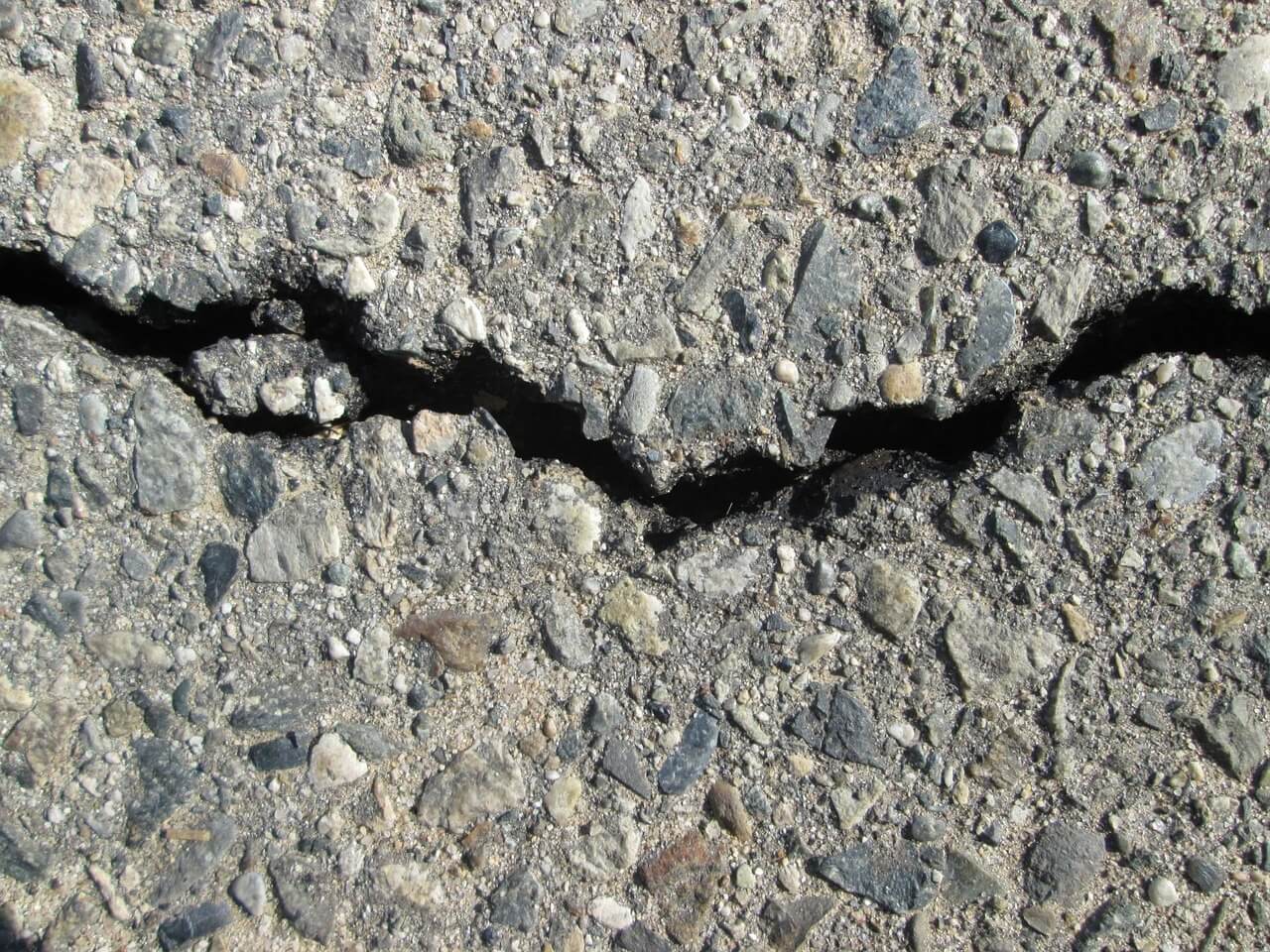
A cracked driveway, parking lot, or road surface is more than an eyesore. It is the first sign that water, ice, and traffic are working their way into the structure beneath the asphalt, and if left untreated, that small line will turn into a pothole within a season or two. The good news is that repairing a crack in asphalt is a job almost anyone can do in an afternoon. The bad news is that most people who try it end up disappointed, watching the same crack reopen just a few months later, often wider and deeper than before.
Why does this happen so often? The answer almost always comes down to the product used, not the person doing the work. Before we walk through the full repair process, it is worth understanding why so many crack fillers fail, because choosing the right product is genuinely the single most important decision you will make in this entire project.
Why Most Asphalt Crack Fillers Fail Within Months
Walk into almost any hardware store and you will find rows of cheap asphalt crack fillers sold in tubes, buckets, and pourable bottles. Most of them share the same basic formula: cold-applied bitumen with little to no reinforcement and only a handful of filler additives to bulk up the volume. On paper, this sounds fine. In practice, it is the reason so many driveways look worse a year after a “repair” than they did before it.
Unmodified cold bitumen behaves like a rigid, brittle skin once it sets. Asphalt pavement, on the other hand, is constantly moving. It expands in the summer heat, contracts in winter cold, flexes under the weight of vehicles, and shifts slightly with ground movement. A crack filler that cannot flex along with the pavement has only one option: it cracks again, right along the same line, or it separates from the edges of the original crack and lets water seep right back in underneath.
This is the core engineering problem with basic, unmodified bitumen fillers:
- They have almost no elasticity, so they cannot absorb the natural expansion and contraction of asphalt through seasonal temperature swings.
- They bond weakly to the crack walls, especially in cooler or damp conditions, so adhesion failure is common within the first winter.
- They often shrink slightly as they cure, pulling away from the edges and opening tiny channels for water to enter.
- Many contain a high proportion of cheap mineral filler and very little actual binder, so the finished repair is closer to a stiff paste than a genuine sealant.
- UV exposure dries them out quickly, causing surface crazing and further cracking within a single summer.
The result is a frustrating and expensive cycle. You buy a filler, apply it carefully, and it looks great for a few weeks. Then the first freeze-thaw cycle hits, or the first heatwave, and the repair fails. Water gets underneath the crack, freezes, expands, and does more damage than the original crack ever would have on its own. Many homeowners end up repairing the same crack two or even three times in as many years, and each time the crack grows a little wider.
The Fix: Polymer-Modified Bitumen
The solution to this problem has existed in professional road maintenance for decades, but it has been slow to reach ordinary consumer products. The answer is polymer modification. When bitumen is blended with elastomeric or thermoplastic polymers such as SBS (styrene-butadiene-styrene) or similar compounds, its physical properties change dramatically:
- Elasticity increases enormously, allowing the sealant to stretch and compress with the pavement instead of snapping.
- Adhesion to the crack walls improves because the polymer network grips and bonds more strongly to the asphalt surface.
- Resistance to UV degradation and oxidation is far higher, so the seal stays flexible and intact for years instead of months.
- Temperature tolerance widens considerably, meaning the product will not turn brittle in cold weather or turn soft and tacky in summer heat.
- Water resistance is significantly better, since the elastic membrane closes tightly around the crack rather than leaving micro-gaps.
This is precisely the difference between a crack filler that lasts one season and a crack filler that lasts for years. It is also precisely why Ferber Painting’s Asphalt Crack Filler was formulated the way it was.
Why Ferber Painting’s Asphalt Crack Filler Is Different
Ferber Painting’s Asphalt Crack Filler is built around a polymer-modified cold bitumen formula, specifically engineered to solve the failures described above. Instead of relying on cheap filler content, our formula concentrates on high-grade binder enriched with polymers designed to give the finished repair genuine elasticity and long-term durability.
Here is what sets it apart in practical terms:
Real flexibility, not just a stiff patch. Because the bitumen is modified with polymers, the cured seal can move with the asphalt through heat and cold without tearing or lifting at the edges. This is the single biggest reason our customers see repairs that last through multiple winters rather than failing at the first freeze.
Strong adhesion, even in less-than-perfect conditions. Many competitor products demand near-perfect application conditions to bond properly. Ferber Painting’s formula has been designed to grip firmly to crack walls even in cooler, slightly damp environments, which matters a great deal for anyone repairing a driveway in early spring or late autumn rather than the middle of summer.
No shrinking, no gapping. Cheaper products often shrink as they dry, leaving a small trench along the repair line that collects water and dirt. Our formula is designed to maintain its volume and shape as it cures, so the repair stays flush with the surrounding surface.
UV and weather resistant. The polymer content protects the surface from the oxidation and brittleness that plague ordinary cold-pour fillers after just one summer of direct sun exposure.
Backed by a satisfied or refunded guarantee. This is the part most competitors will never offer, because they know their product is unlikely to hold up. Ferber Painting stands behind its Asphalt Crack Filler with a full satisfaction guarantee. If you are not happy with the results, we refund you. No small print, no hoops to jump through.
We would rather be direct about this: a large share of the crack fillers sold online and in hardware stores today are reformulated industrial leftovers, thin on active binder and thick on filler dust, sold in flashy packaging with vague claims like “long-lasting” or “professional grade” that are never backed by any kind of guarantee. If a company will not stand behind its own crack filler with a money-back promise, that alone should raise a red flag about how confident they actually are in their formula.
Comparison Table: Ferber Painting Asphalt Crack Filler vs Standard Crack Fillers
| Feature | Ferber Painting Asphalt Crack Filler | Typical Unmodified Bitumen Filler |
|---|---|---|
| Bitumen type | Polymer-modified cold bitumen | Unmodified cold bitumen |
| Flexibility after curing | High, moves with the pavement | Low, becomes rigid and brittle |
| Adhesion to crack walls | Strong, even in cooler or slightly damp conditions | Weak, requires near-perfect conditions |
| Shrinkage during curing | Minimal, stays flush with surface | Noticeable, often leaves a small trench |
| UV and weather resistance | High, resists oxidation for years | Low, dries out and cracks within a season |
| Expected lifespan of repair | Multiple years | A few months to one year |
| Satisfaction guarantee | Yes, satisfied or refunded | Rarely offered |
| Shipping | Fast worldwide delivery through an international carrier network | Often limited to local or regional availability |
| Payment | Simple, secure online payment | Varies, often in-store only |
When you line up the two side by side, the pattern is clear. Ordinary crack fillers are built to be cheap and fast to manufacture, not to actually solve the underlying problem of pavement movement and water intrusion. Ferber Painting’s Asphalt Crack Filler was built to solve that problem directly, and it is backed by a guarantee that reflects genuine confidence in the formula.
Tools and Materials You Will Need
Before starting your repair, gather everything you need so you are not stopping halfway through the job. Here is a simple checklist:
- Ferber Painting Asphalt Crack Filler
- A wire brush or stiff broom
- A garden hose or pressure washer
- A putty knife or trowel
- A caulking gun, if your filler comes in a cartridge format
- Sand or crack filler backer rod for wider cracks
- A pair of work gloves
- A piece of scrap wood or a trowel for smoothing
- Painter’s tape, optional, for keeping edges neat
- A shop vacuum, optional, for removing fine debris
Having the right tools ready makes the entire process faster and gives a cleaner, more professional finish.
Step-by-Step Guide: How to Repair a Crack in Asphalt
Repairing an asphalt crack properly is not complicated, but skipping steps is exactly how so many DIY repairs fail. Follow this process closely for a repair that actually lasts.
Step 1: Clean the Crack Thoroughly
This is the step most people rush, and it is the one that determines whether your repair will hold. Use a wire brush to scrub out any loose asphalt, dirt, grass, or old filler from inside the crack. For wider cracks, a flathead screwdriver or a small chisel can help dig out debris lodged deep inside.
Once the loose material is out, rinse the crack with a hose or pressure washer to remove fine dust and dirt. Let the area dry completely before moving forward. Applying filler to a damp or dirty crack is one of the most common reasons repairs fail early, since dirt and moisture prevent the filler from bonding properly to the asphalt.
Step 2: Remove Vegetation and Roots
If grass, weeds, or roots have grown into the crack, they need to be fully removed, including the root system where possible. If any organic material is left behind, it will continue growing and will push the repair apart from beneath, undoing all your work within a season.
For persistent vegetation, a small amount of vegetation killer applied a few days before the repair can help ensure nothing regrows underneath the new sealant.
Step 3: Fill Wide or Deep Cracks with a Backer Rod or Sand
For cracks wider than about half an inch or deeper than two inches, it helps to partially fill the void first. Pour in clean, dry sand until it sits about half an inch below the surface, or use a foam backer rod for larger gaps. This gives the crack filler something to bond to and prevents it from sinking too deep into the crack, which would waste product and leave a weak, uneven repair.
Skipping this step on a wide crack is one of the fastest ways to end up needing a second full tube of filler just weeks later.
Step 4: Apply Ferber Painting Asphalt Crack Filler
Now for the main event. If you are using a cartridge, load it into your caulking gun and cut the nozzle at an angle sized to slightly overfill the crack. If you are using a pourable bottle or bucket, pour steadily and evenly along the length of the crack.
Work in manageable sections, especially on longer cracks, so the filler does not begin to set before you have had a chance to smooth it. Apply the polymer-modified filler generously enough to slightly overfill the crack, since it should sit a touch above the surrounding pavement level.
Step 5: Smooth and Level the Repair
Use a putty knife, trowel, or a scrap piece of wood to smooth the filler flush with the surrounding asphalt. Drag your tool along the crack in one continuous, steady motion rather than multiple choppy passes, which helps avoid air pockets and uneven texture.
Because Ferber Painting’s Asphalt Crack Filler is polymer-modified, it stays workable a little longer than cheaper alternatives, giving you more time to get a clean, level finish before it begins to set. This is a small but genuinely useful advantage when working on longer driveway cracks in a single session.
Step 6: Allow Proper Curing Time
Curing time varies depending on temperature and humidity, but as a general rule, keep foot traffic off the repair for at least 24 hours and vehicle traffic off for 48 hours. Avoid applying the filler if rain is expected within the curing window, since moisture during the early curing stage can weaken the bond.
Warmer, dry weather speeds up curing significantly, so where possible, choose a mild, dry day for your repair rather than a cold or humid one.
Step 7: Inspect and Touch Up
Once cured, walk the repair line and check for any low spots, gaps, or areas where the filler has settled slightly below the surface. A quick, thin follow-up layer of filler can address these spots easily while the repair is still fresh in your mind and the tools are still out.
Step 8: Seal the Full Surface for Extra Protection (Optional but Recommended)
For driveways with multiple small cracks or general surface wear, applying a full asphalt sealant over the entire area after your crack repairs have cured can extend the life of the pavement significantly. This is not strictly necessary for a single isolated crack, but it is a smart long-term investment for older driveways showing early signs of wear across a wider area.
Common Mistakes to Avoid When Repairing Asphalt Cracks
Even with the right product, technique matters. Here are the most common mistakes that undermine an otherwise good repair:
- Applying filler to a wet or dirty crack, which prevents proper bonding.
- Skipping the backer rod or sand fill on wide, deep cracks, wasting product and leaving weak repairs.
- Applying too thin a layer, leaving the repair sitting below the surrounding surface where water can pool.
- Working in cold, damp weather when the product cannot cure properly.
- Ignoring vegetation and roots growing inside the crack before sealing it shut.
- Rushing the curing time and allowing traffic back onto the repair too soon.
- Choosing a cheap, unmodified bitumen filler purely based on price, without considering how it will hold up after just one season of temperature swings.
Avoiding these mistakes, combined with using a genuinely flexible, polymer-modified filler like Ferber Painting’s Asphalt Crack Filler, is the difference between a repair that lasts a few weeks and one that lasts for years.
Why Buy Ferber Painting’s Asphalt Crack Filler Online
Beyond the formula itself, ordering from Ferber Painting comes with practical advantages that matter once you are ready to actually get the product in hand and get the job done.
Fast worldwide shipping. Ferber Painting delivers quickly across the globe through an established international network of carriers, so wherever you are, your order does not sit in transit for weeks the way it might with smaller, regional suppliers.
Simple, secure online payment. Ordering is done entirely online with a smooth, secure payment process, without the friction of finding a local store that happens to stock the right product.
Satisfied or refunded guarantee. Every product sold by Ferber Painting, including the Asphalt Crack Filler, comes with a full satisfaction guarantee. If the results do not meet your expectations, you get your money back. This is a level of confidence that most crack filler brands simply do not offer, largely because their products are not engineered to actually perform over the long term.
When you consider the full picture, a polymer-modified formula built for real durability, a guarantee that backs up that durability claim, fast global shipping, and easy online ordering, it becomes clear why so many customers choose Ferber Painting over the cheaper, unmodified alternatives sitting on hardware store shelves.
Mini FAQ
How long does an asphalt crack repair last? With an unmodified bitumen filler, expect the repair to last anywhere from a few months to about a year before it needs to be redone. With a polymer-modified formula like Ferber Painting’s Asphalt Crack Filler, a properly applied repair can last several years, since the added flexibility allows the seal to move with the pavement instead of cracking again.
Can I repair an asphalt crack in cold weather? It is possible, but curing takes longer and adhesion can be weaker in cold, damp conditions. Whenever possible, choose a mild, dry day for the repair. Polymer-modified fillers tend to perform better across a wider temperature range than basic unmodified products.
Do I need to seal the whole driveway after fixing a crack? Not necessarily. For a single isolated crack, filling and sealing that specific area is enough. For driveways with multiple cracks or visible surface wear, a full sealant coat afterward can add extra protection and extend the pavement’s overall lifespan.
Why do cheap crack fillers keep failing? Most cheap crack fillers use unmodified cold bitumen with little reinforcement. This makes them brittle and unable to flex with the natural expansion and contraction of asphalt, so they crack again, often within a single season.
What makes Ferber Painting’s Asphalt Crack Filler different? It is formulated with polymer-modified bitumen for real flexibility, strong adhesion, and long-term resistance to weather and UV exposure. It is also backed by a satisfied or refunded guarantee, something rarely offered by other brands in this category.
How wide of a crack can this product repair? Ferber Painting’s Asphalt Crack Filler works well on small hairline cracks as well as wider cracks, provided that wider or deeper cracks are first partially filled with sand or a backer rod before applying the sealant, as described in the step-by-step guide above.
Final Thoughts
Fixing a crack in asphalt is a simple project on the surface, but the outcome depends almost entirely on the quality of the product you choose. Unmodified bitumen fillers may look identical to better alternatives on the shelf, but their lack of flexibility and weak adhesion mean the crack you fix today is very likely to reopen, wider and worse, within a matter of months.
A polymer-modified formula changes the equation completely, giving the repair the flexibility and durability it needs to actually withstand the constant expansion, contraction, and traffic that asphalt surfaces endure year after year. That is exactly the standard Ferber Painting’s Asphalt Crack Filler was built to meet, backed by fast worldwide shipping, easy online payment, and a satisfaction guarantee that puts the risk back where it belongs, on us rather than on you.